Day 9 of 2019 Florida Spring Break, East Coast
Nineth day of my spring break Florida road trip. Today I would be driving up Florida's East Coast on its scenic A1A route from Daytona Beach to Jacksonville, visiting a few attractions along the way.
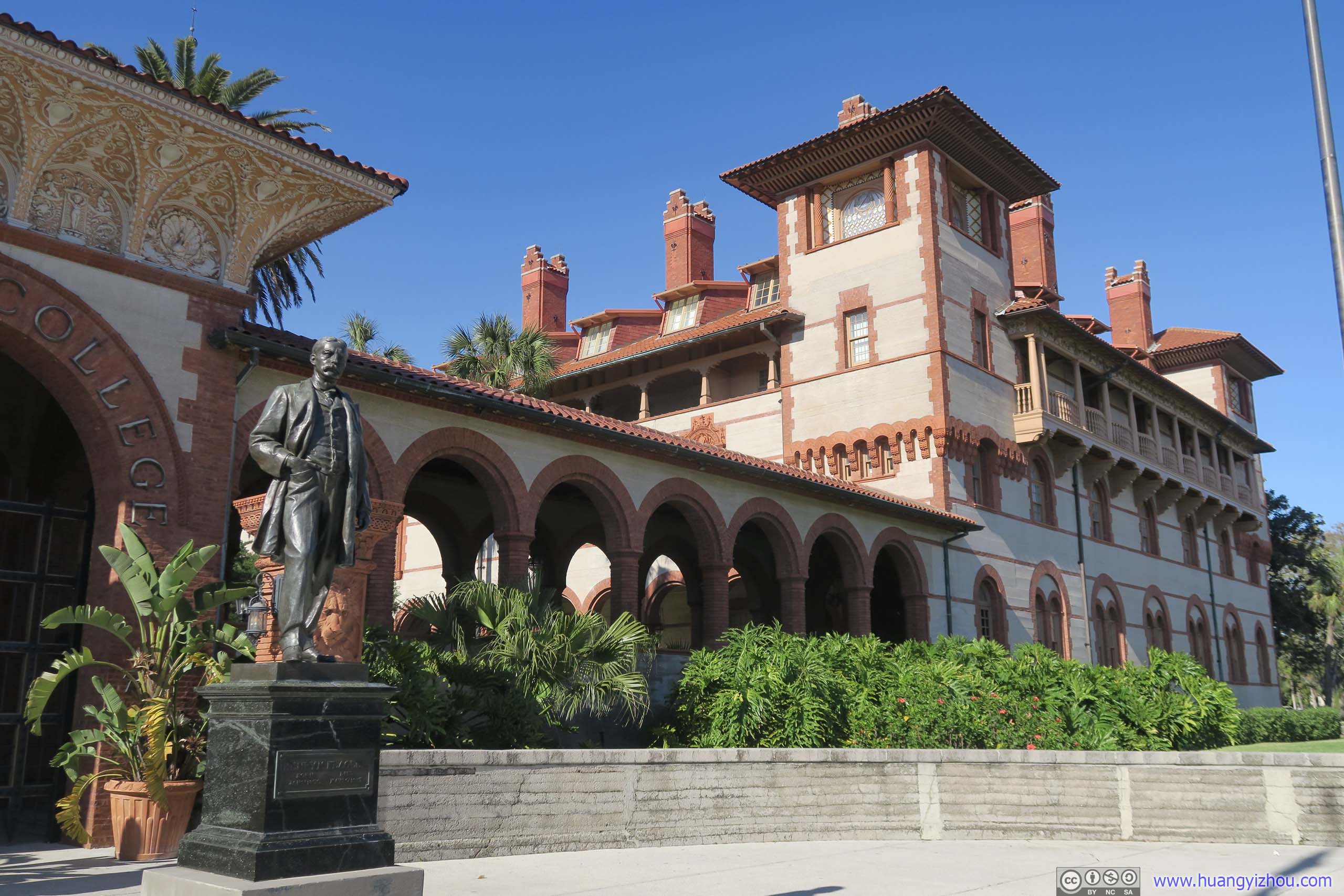
Hoping to prevent yesterday's disaster with booking Airbnb on the road with throttled data connection, I booked a room in the outskirts of Jacksonville this morning before checking out. It’s easier to predict where I would be spending the night today, as I would be giving the city of St. Augustine a more detailed tour. I was pretty fond of it as one of the oldest cities in United States, yet a few days ago, chilly weather prevented me from exploring it further.

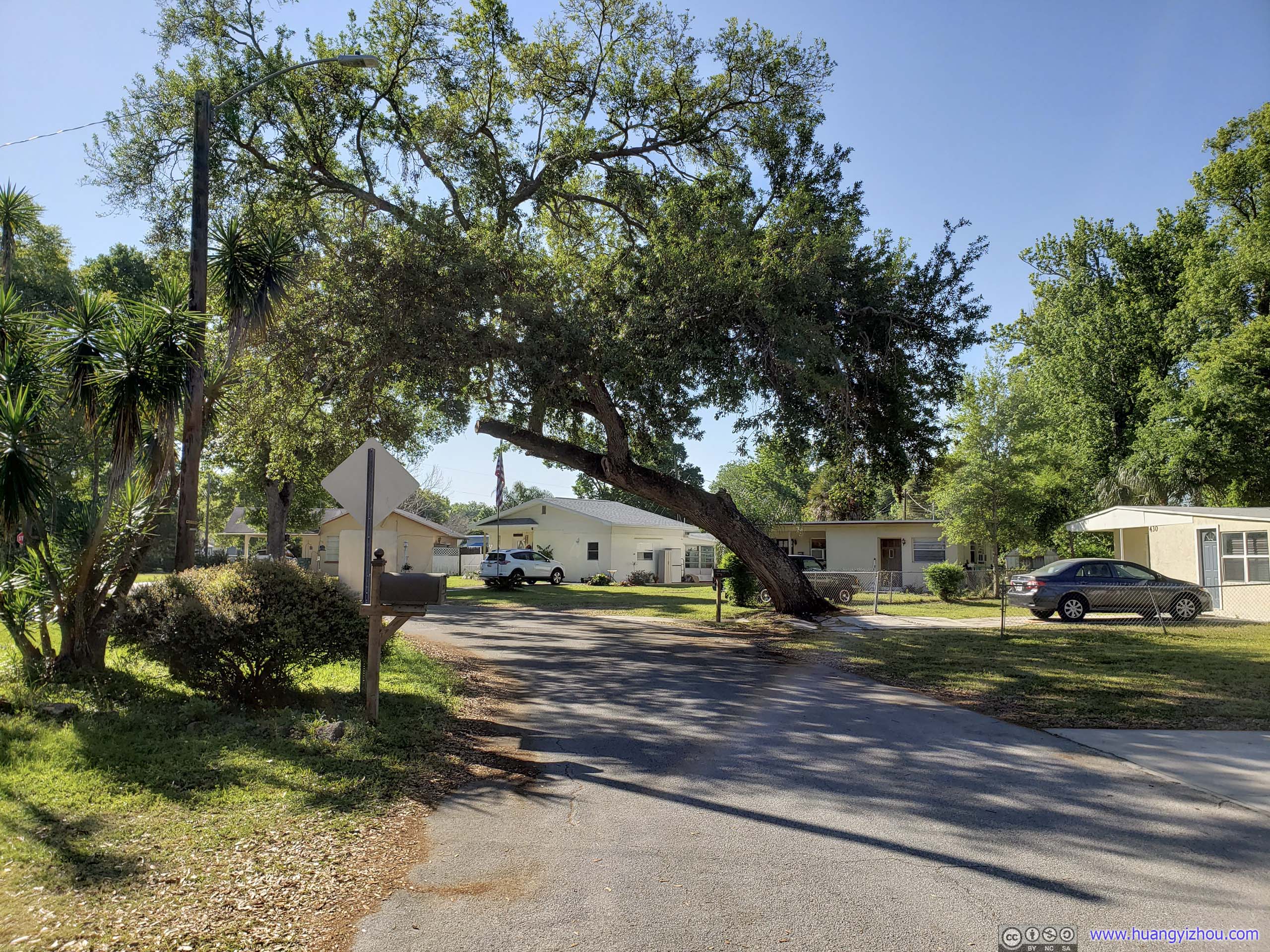
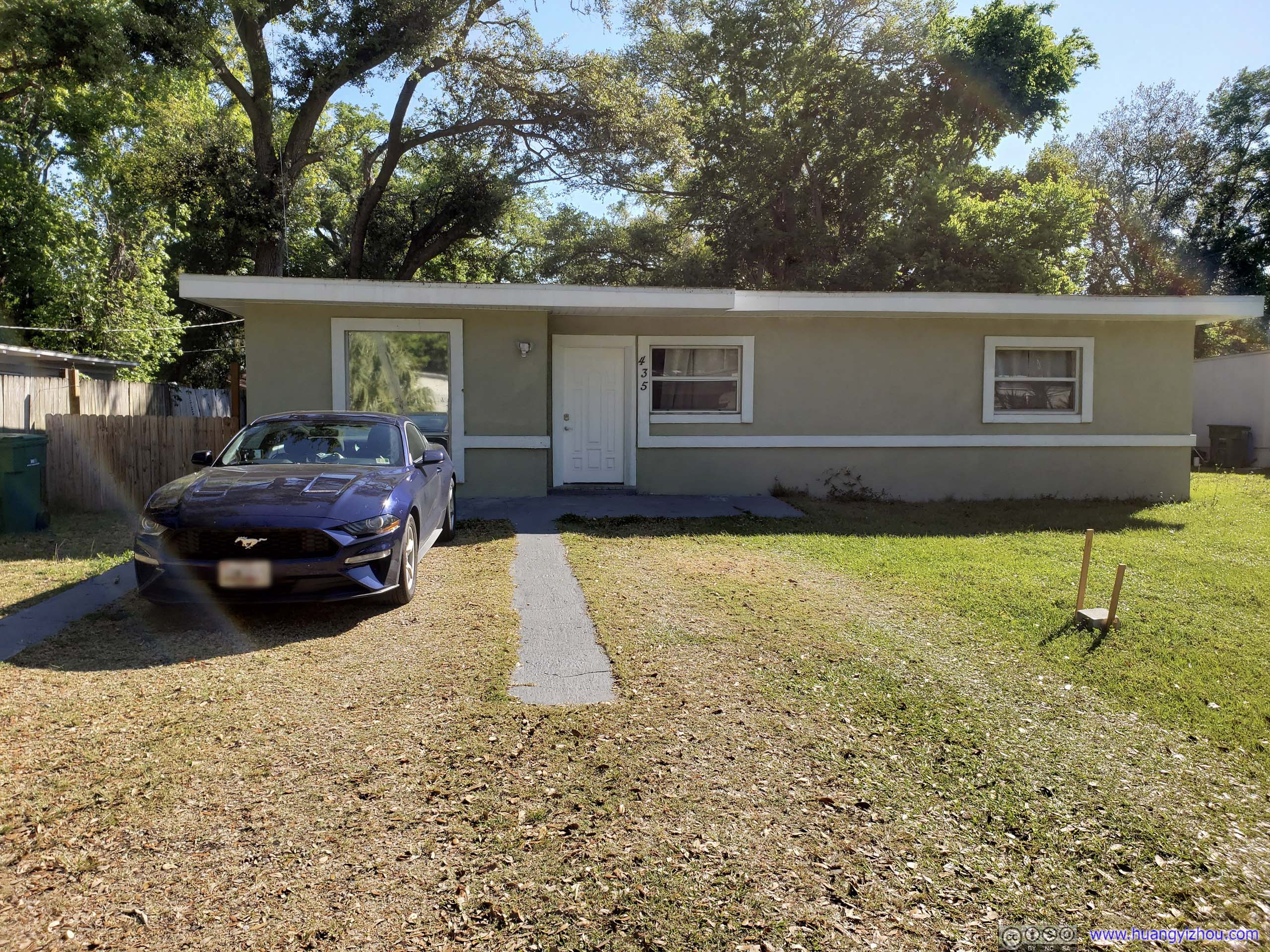
Neighborhood of Overnight Airbnb House
Daytona Beach
Since I spent the night in the city of Daytona Beach, I thought I should pay the namesake beach a visit.
Yet it's 11am in the morning, which seemed too early for most beach goers and businesses. So apart from the following pier, I didn't find much interesting.
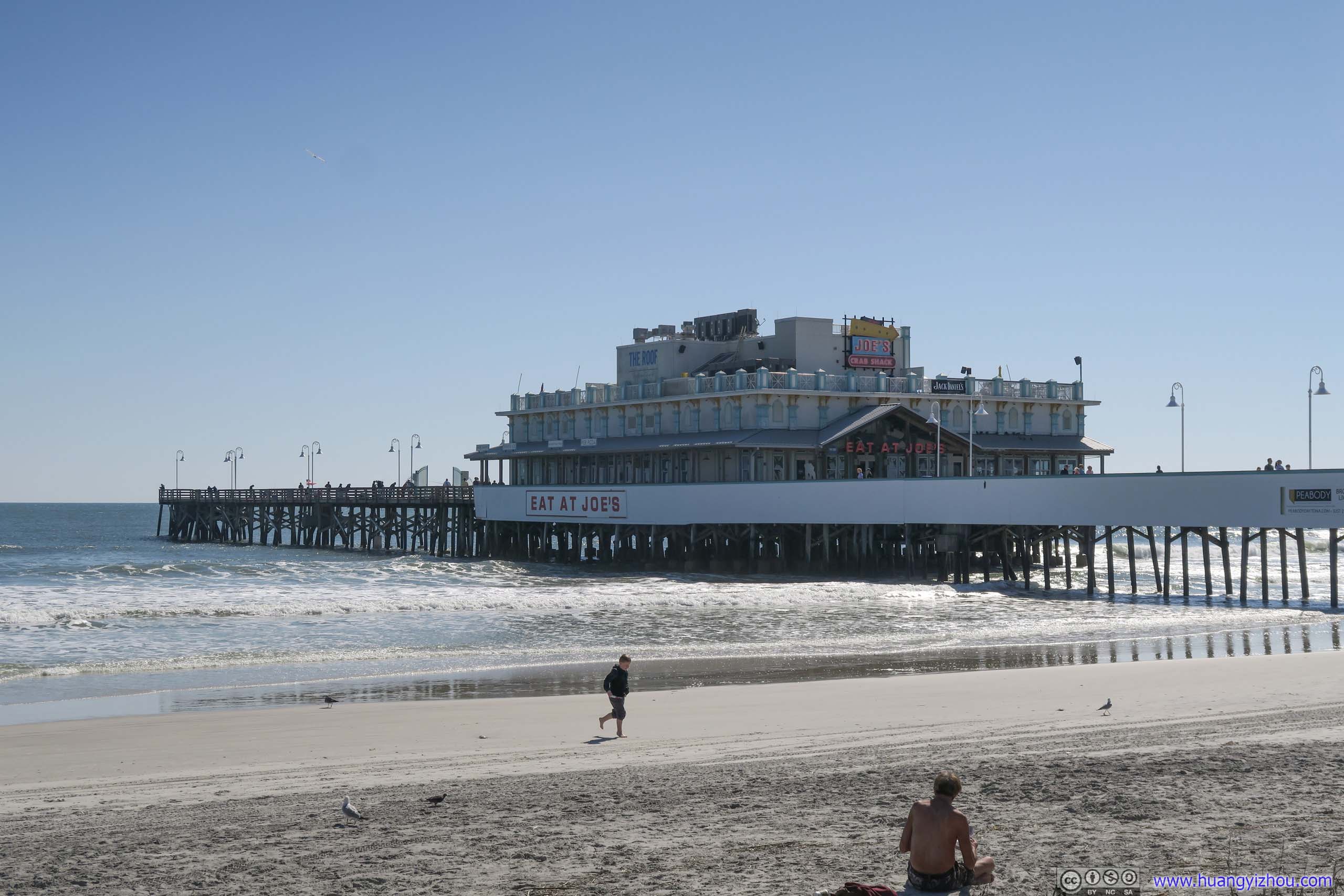
Farther end of this pier was a fishing area with fees.
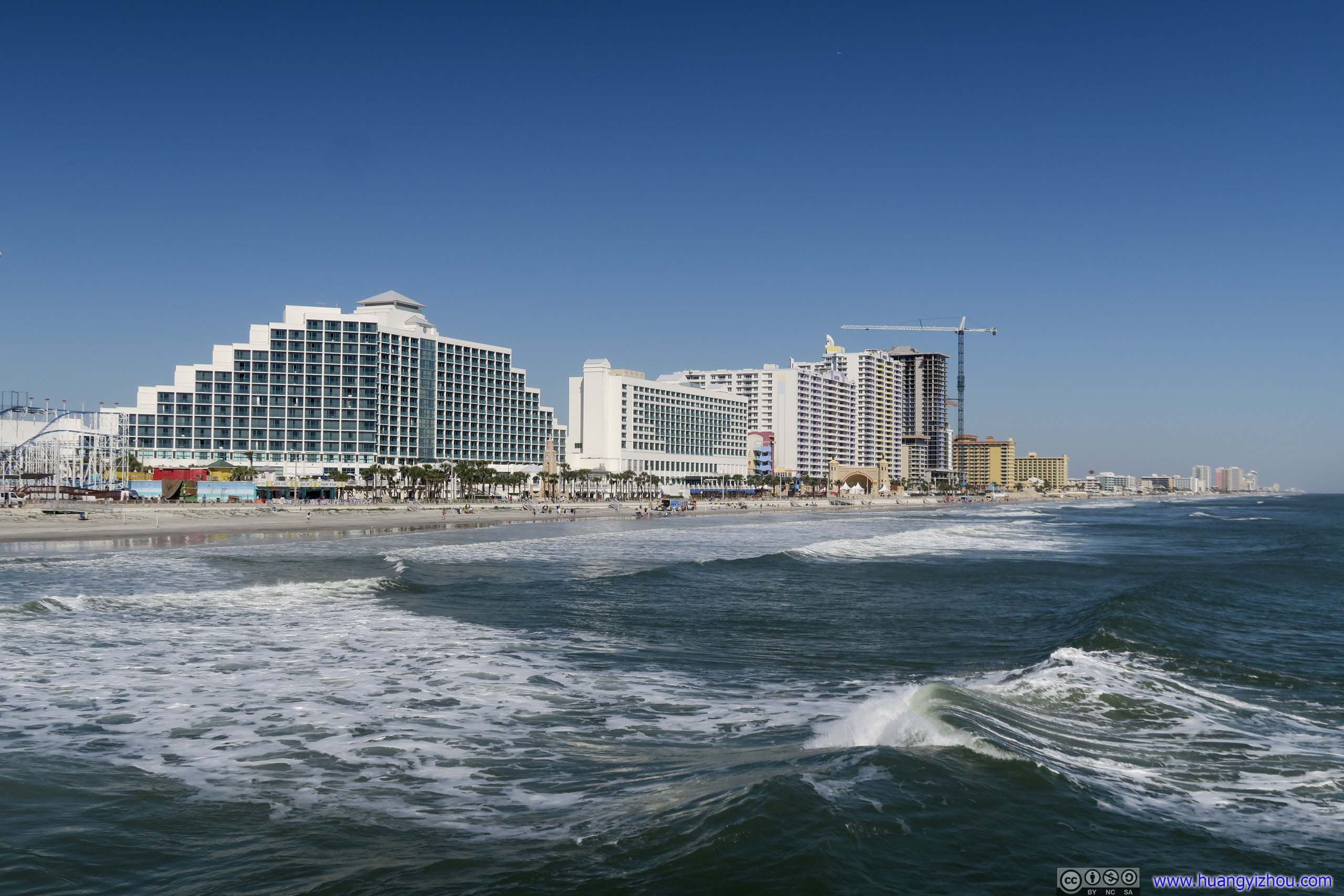
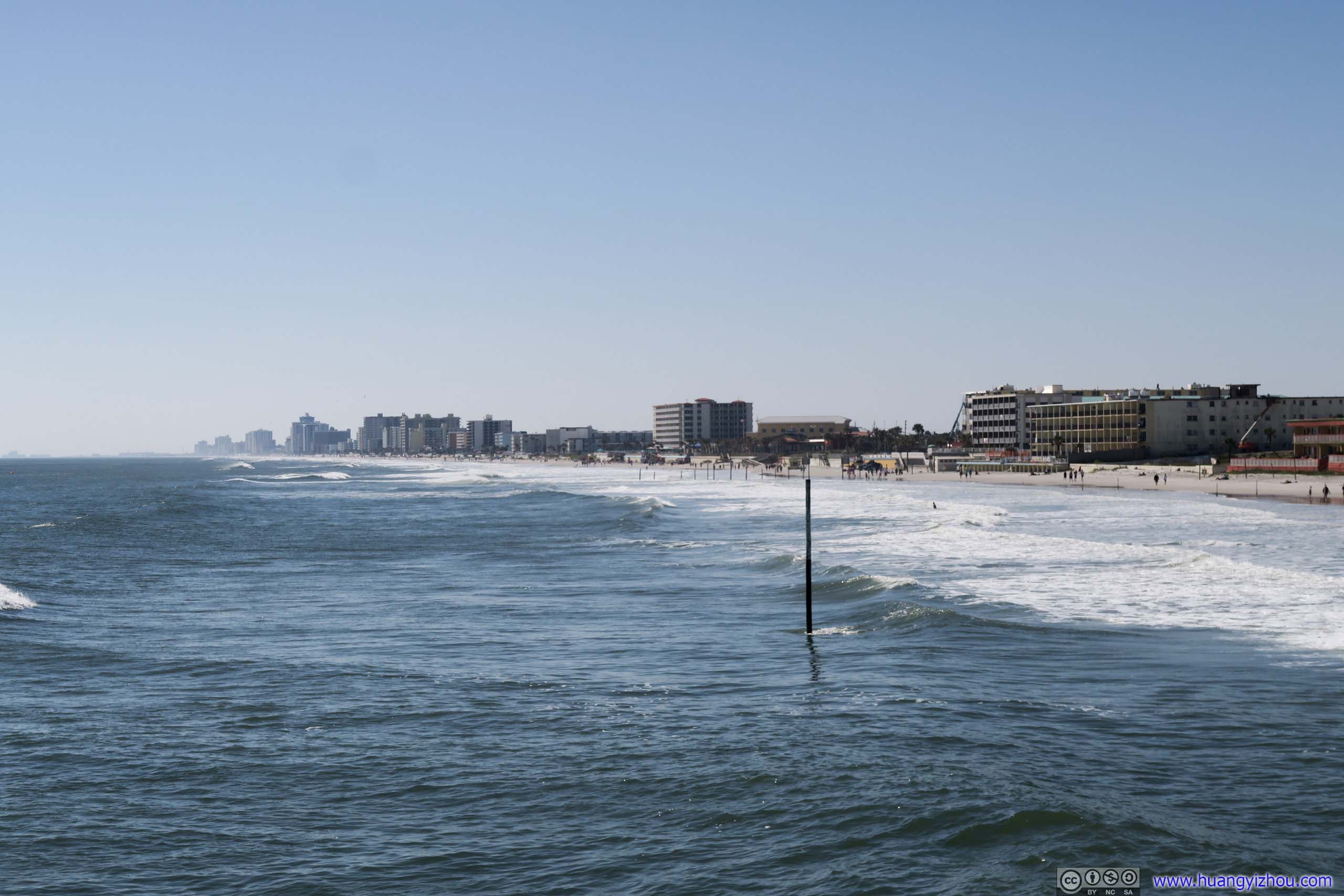
Daytona Beach
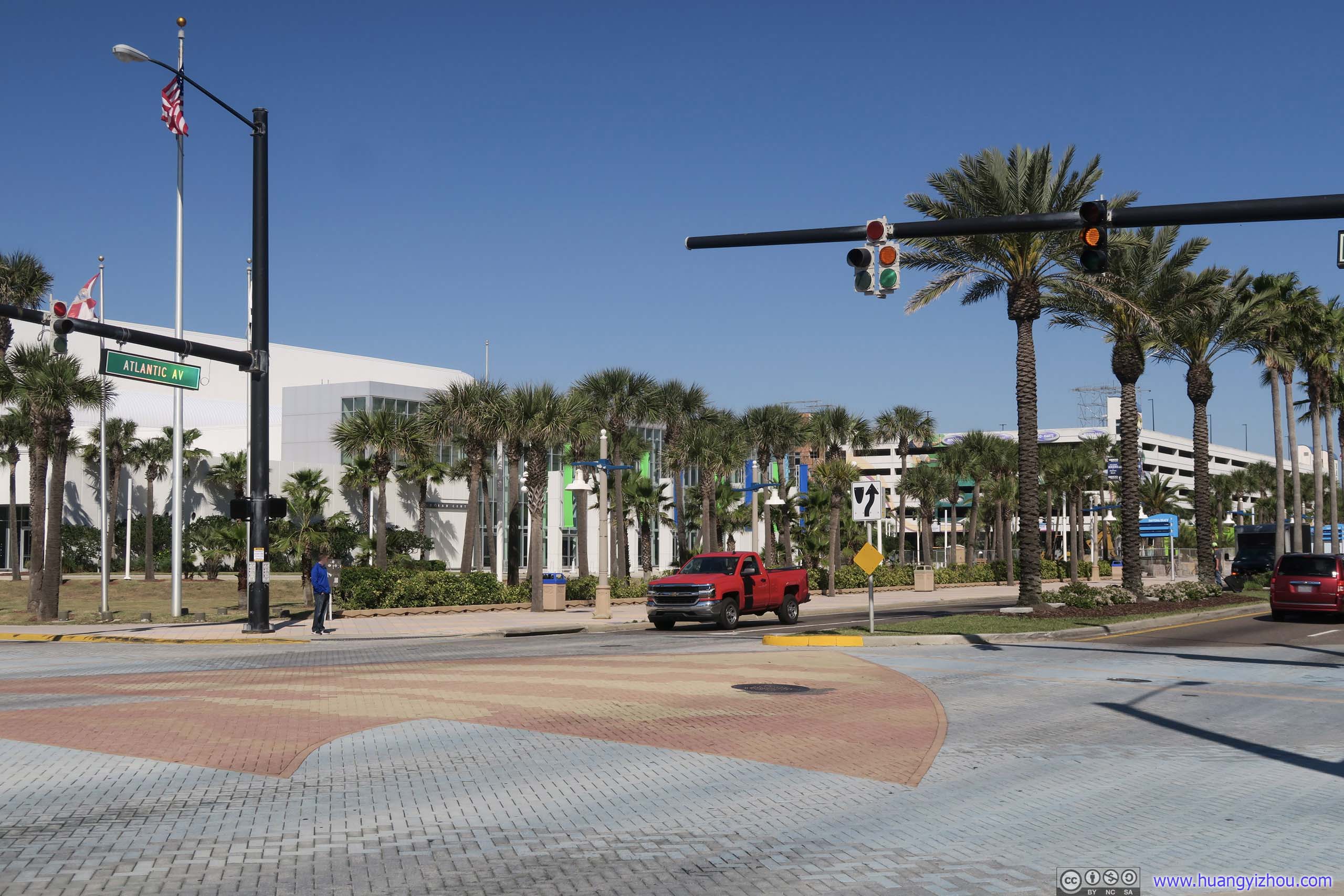
Many intersections in the waterfront area of Daytona Beach were decorated with tiles of various colors like this.
After that, I headed North along route A1A.
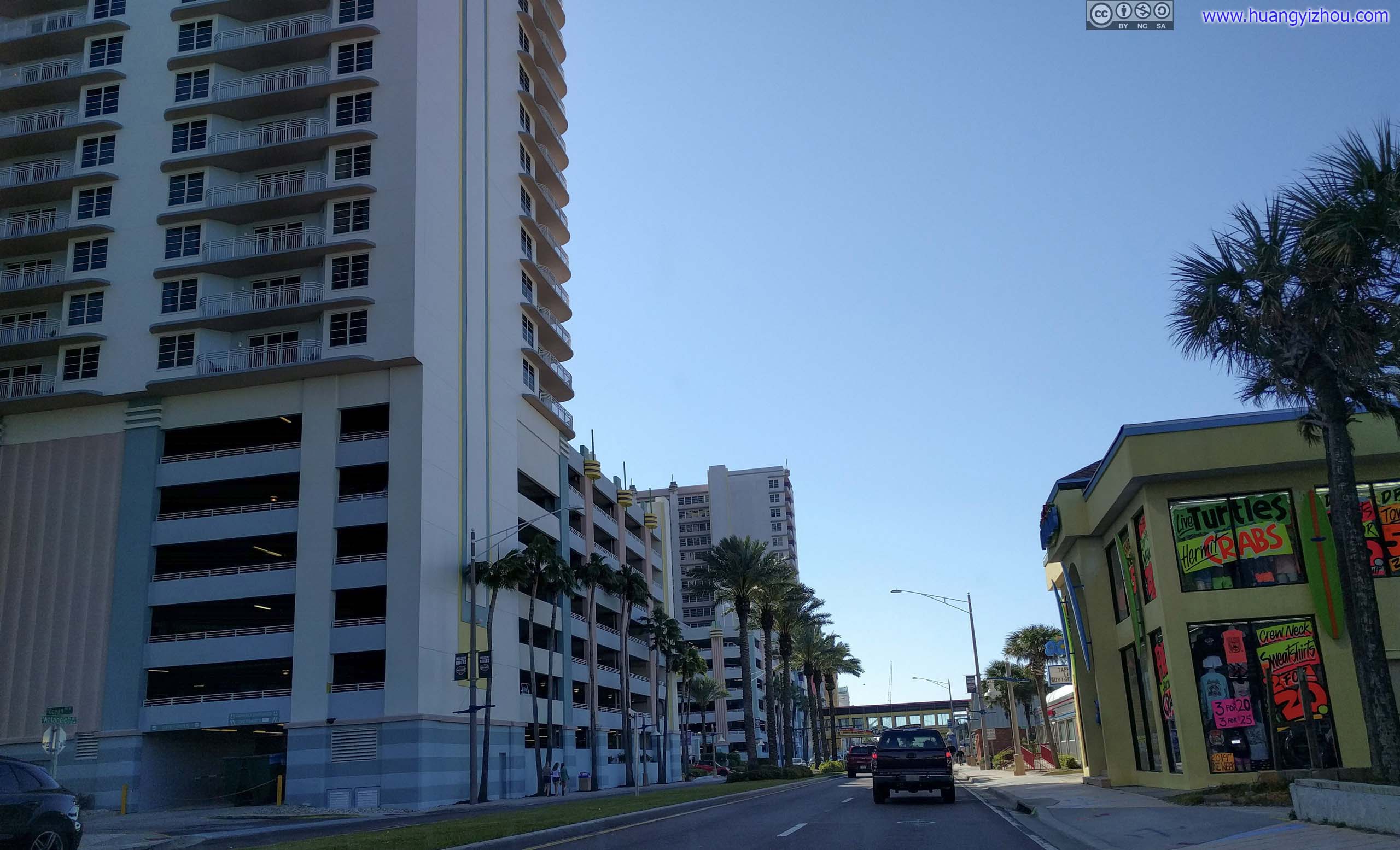
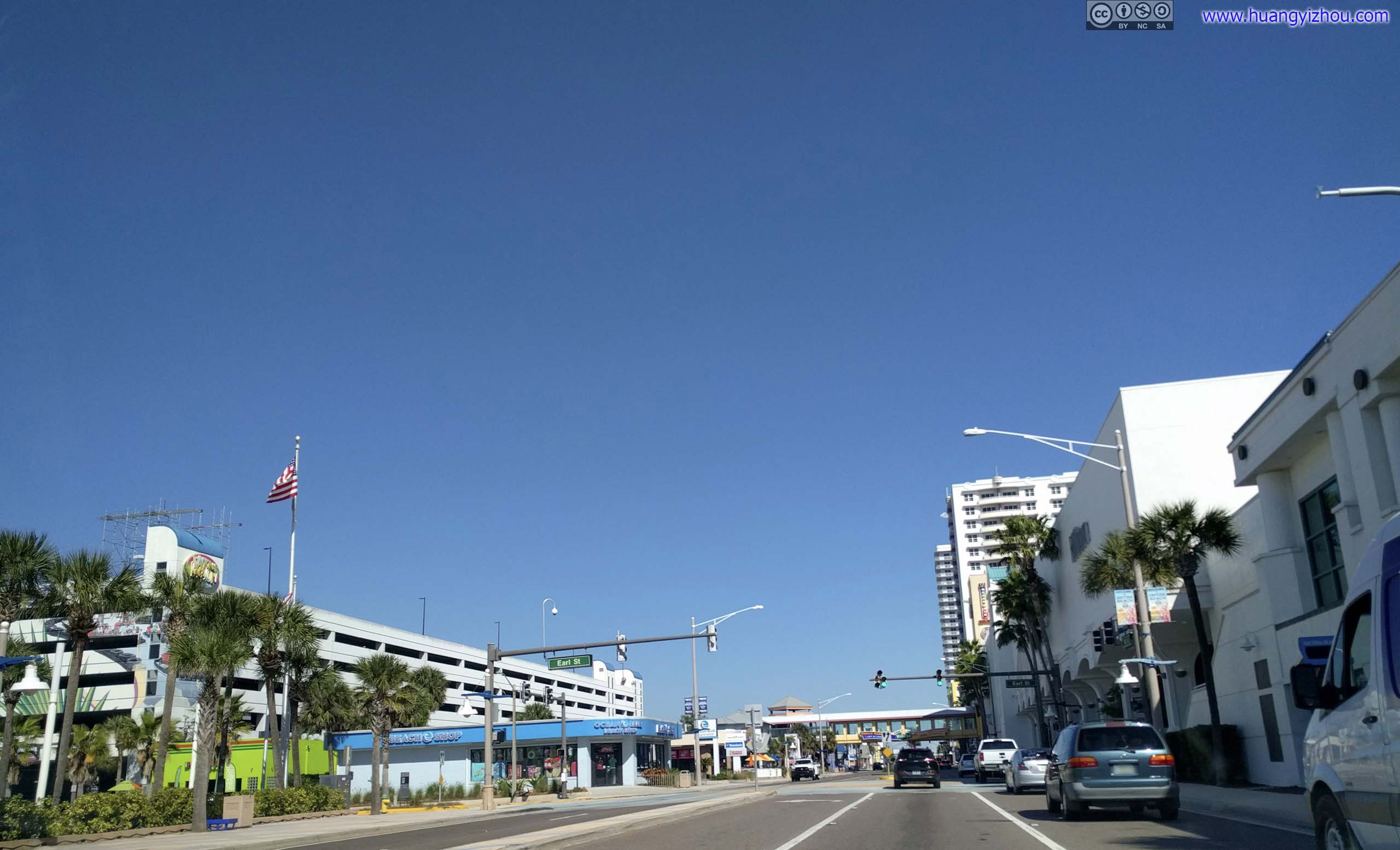
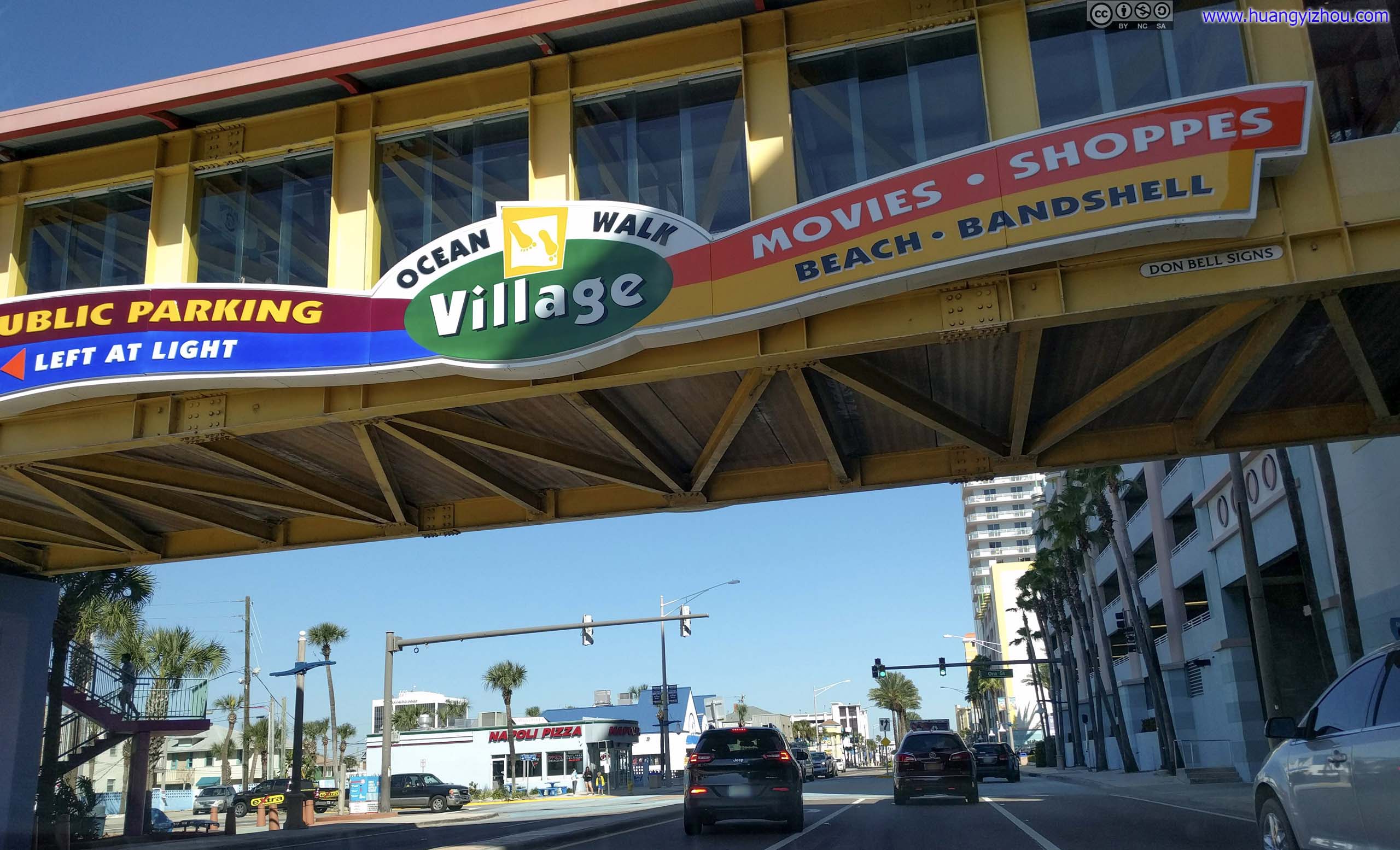
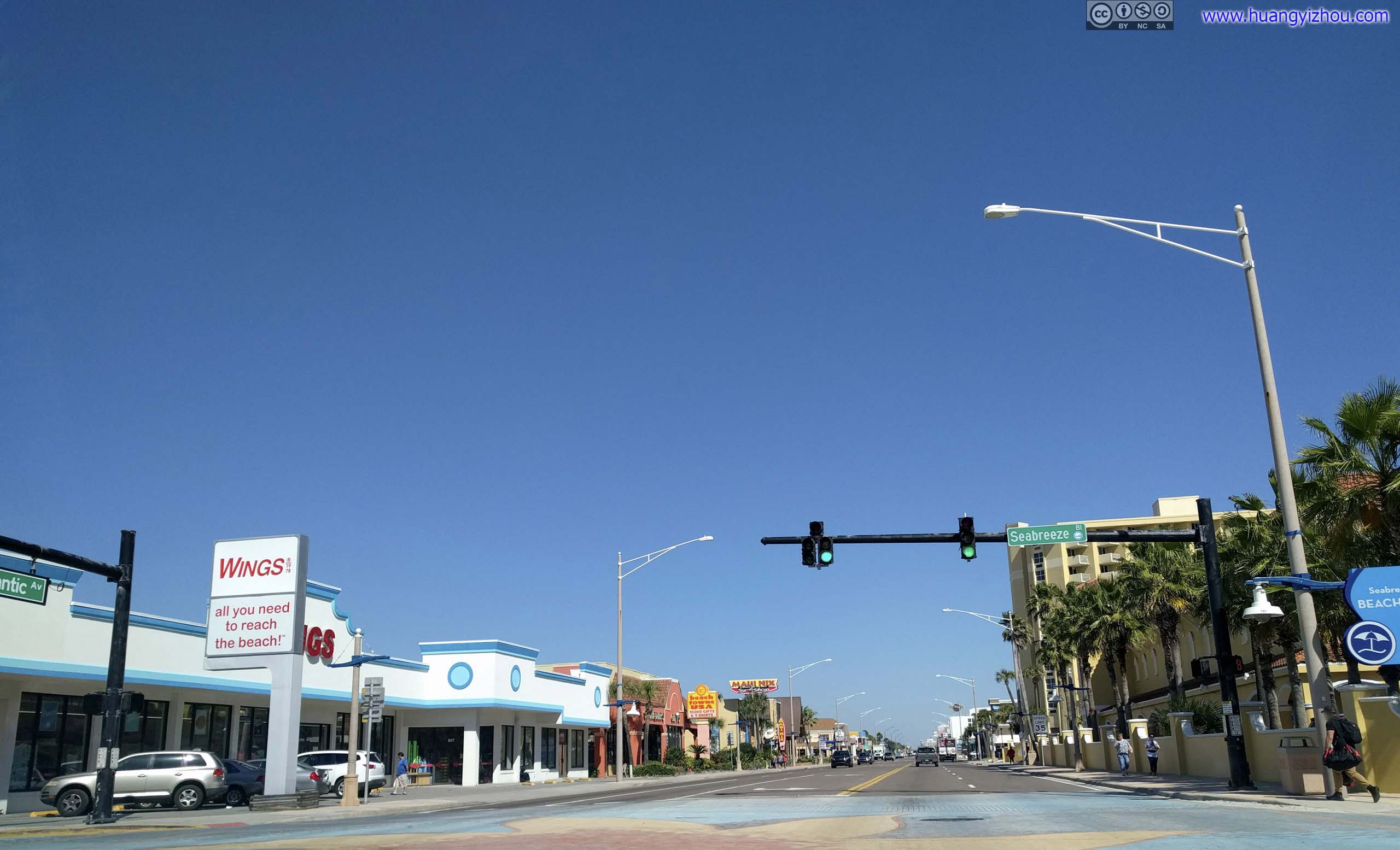
Streets of Daytona Beach
The buildings reminded of a bustling beach town, except few people were out.

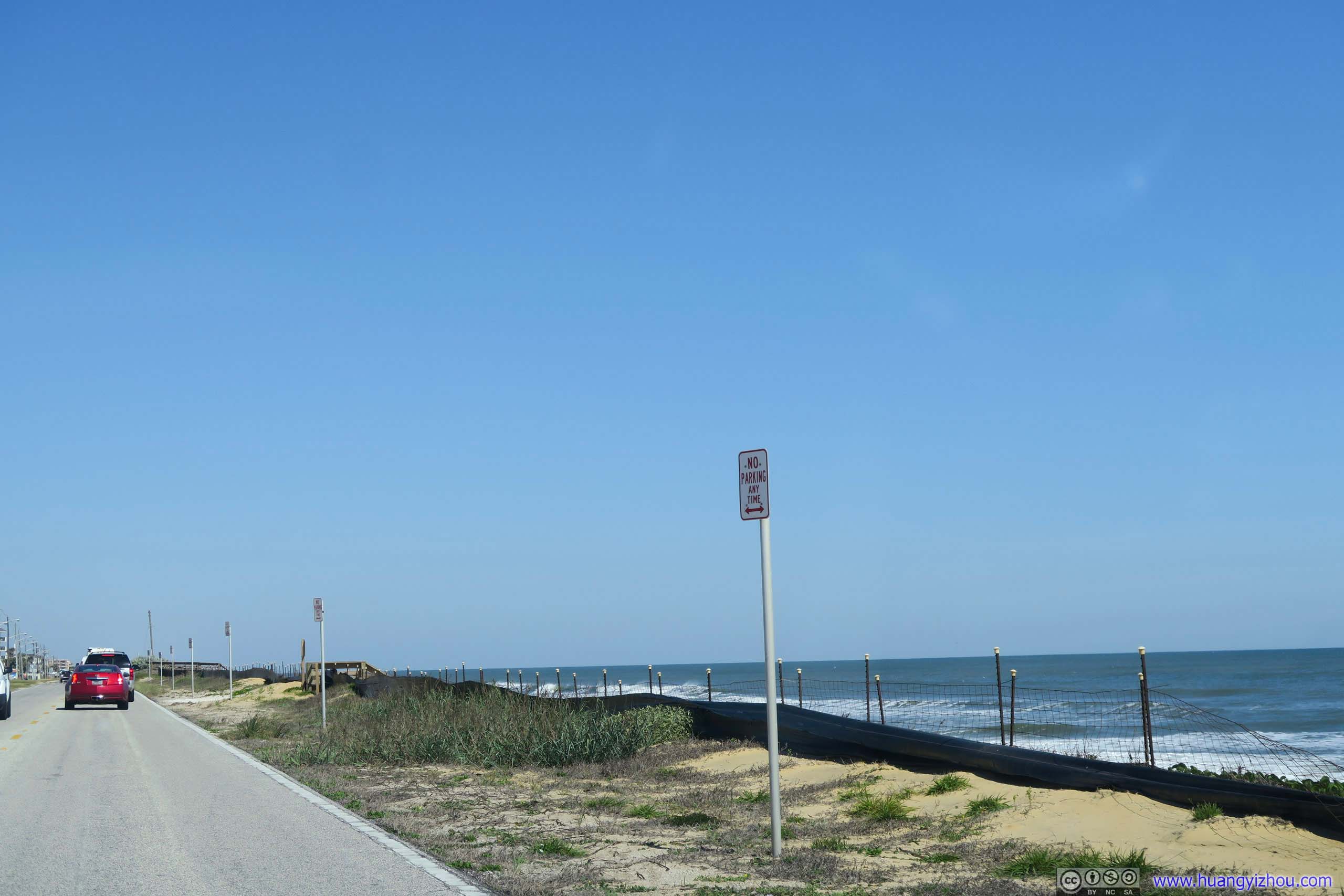
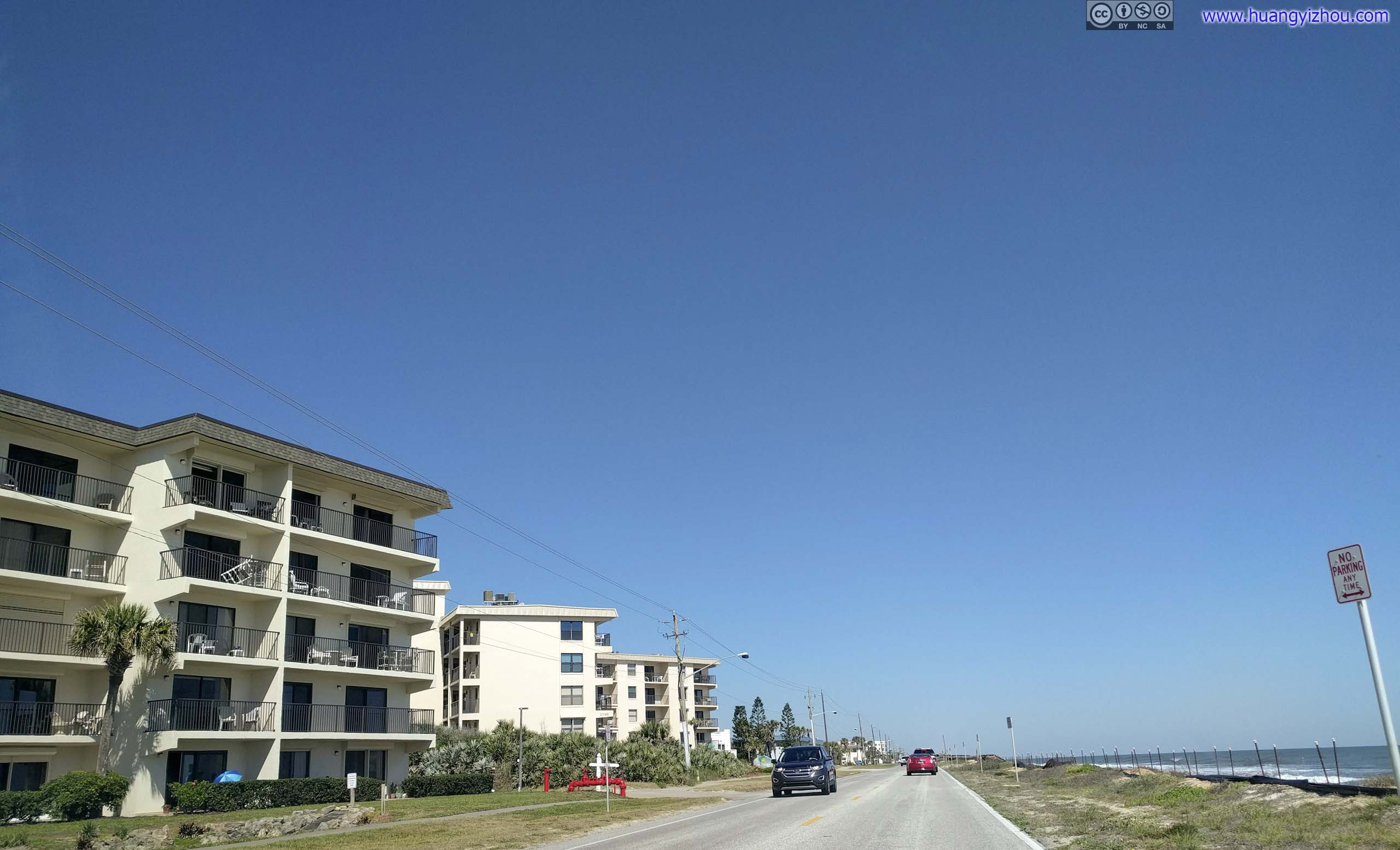
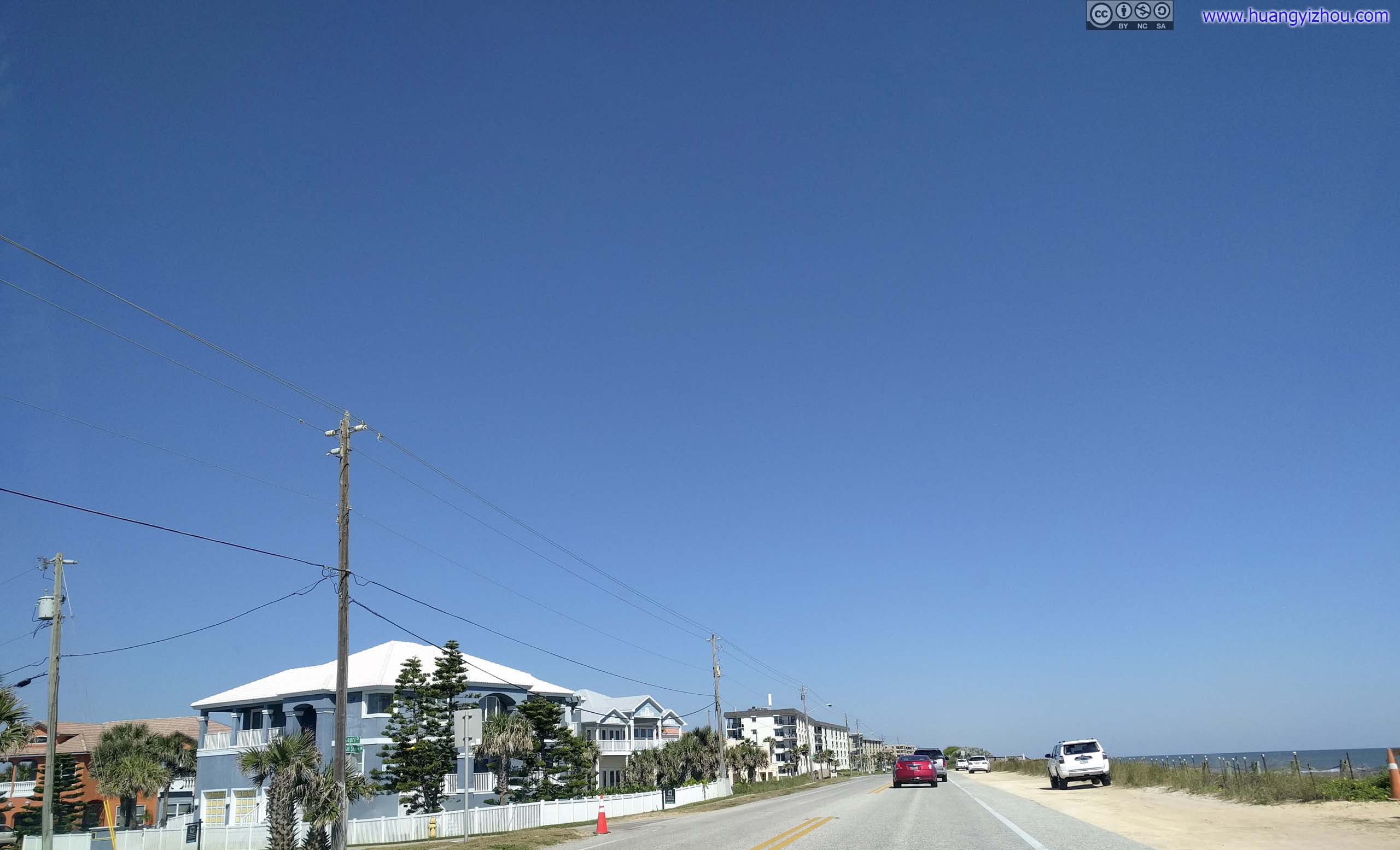
Florida Route A1A by Ocean

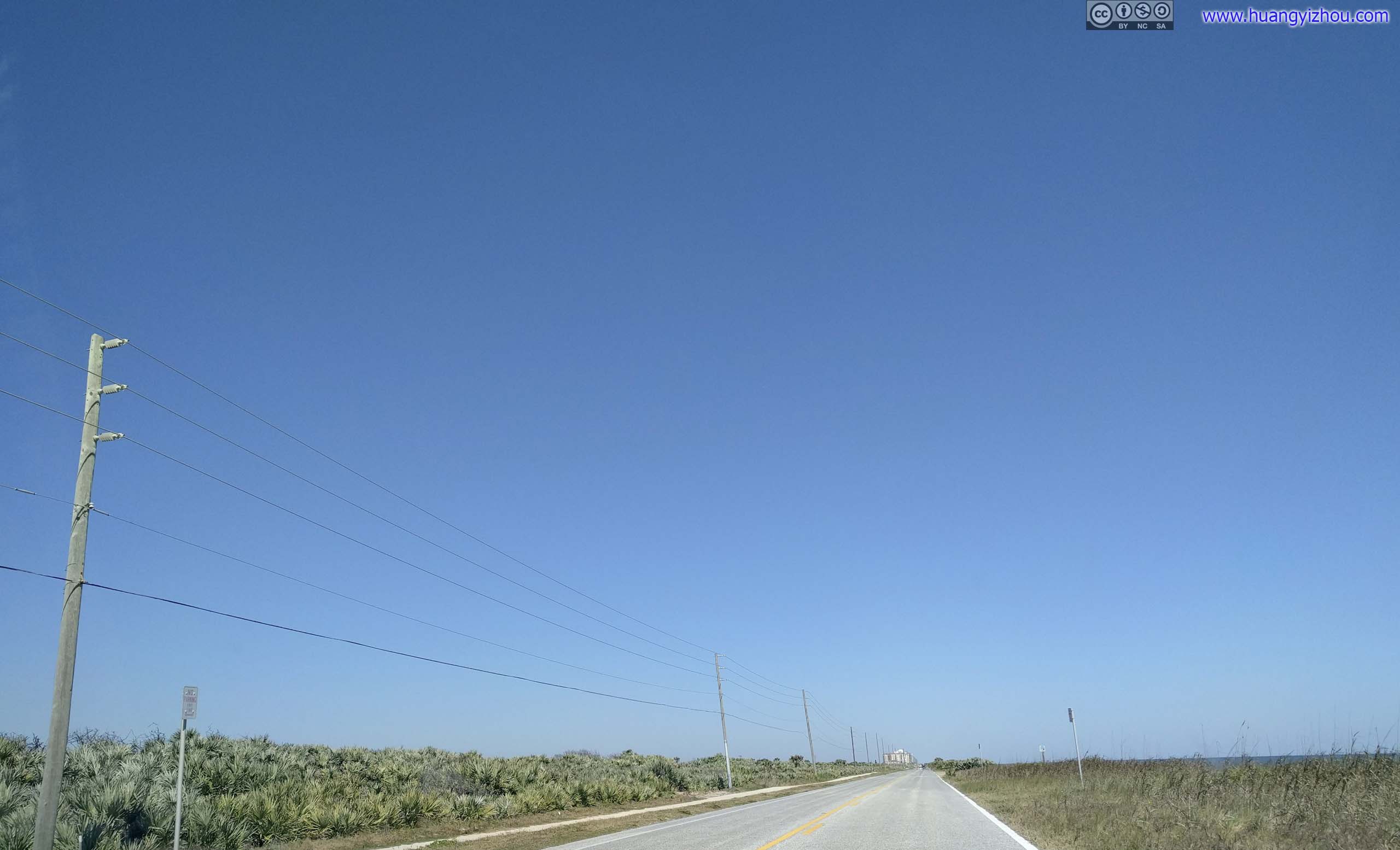
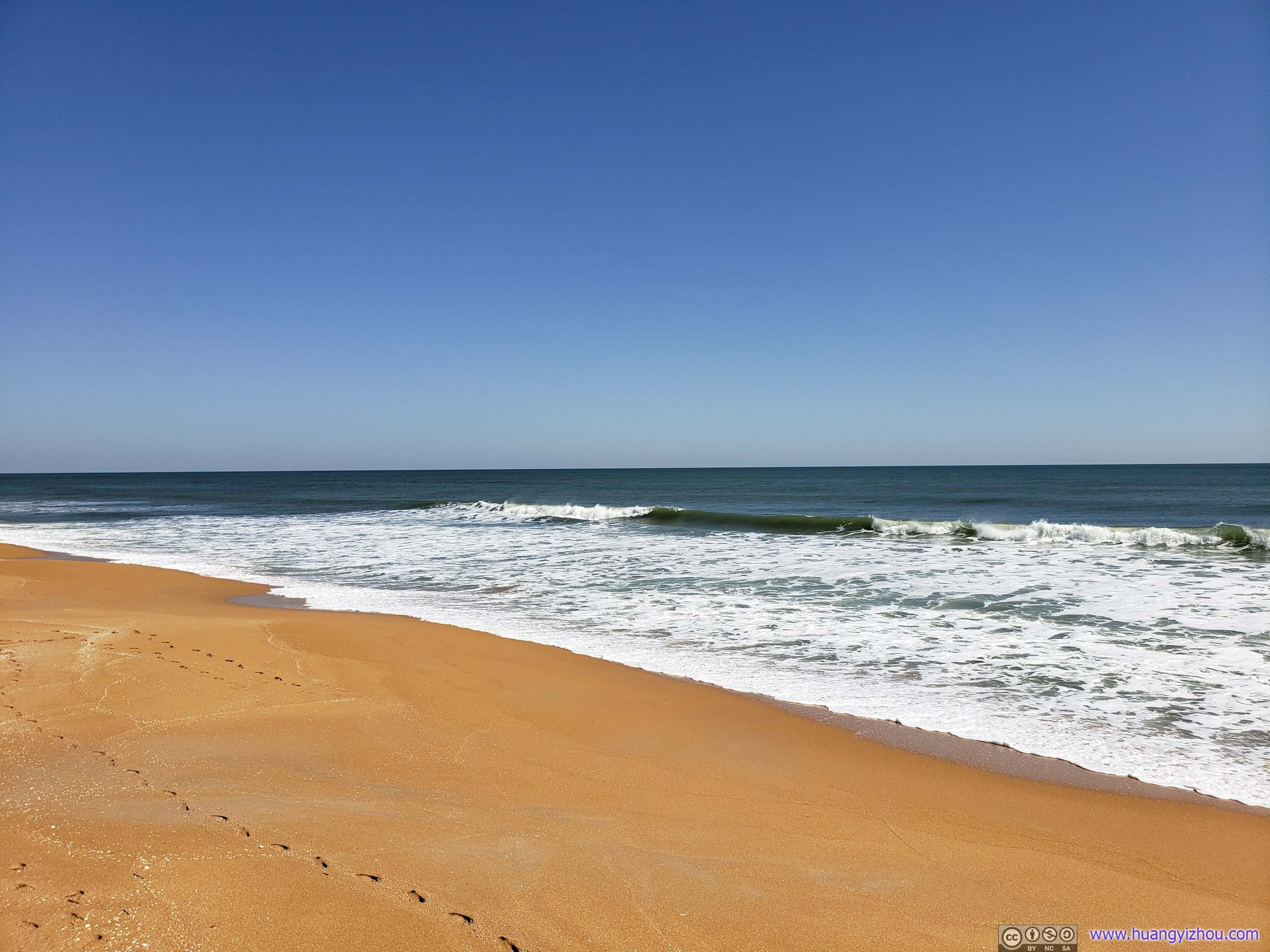
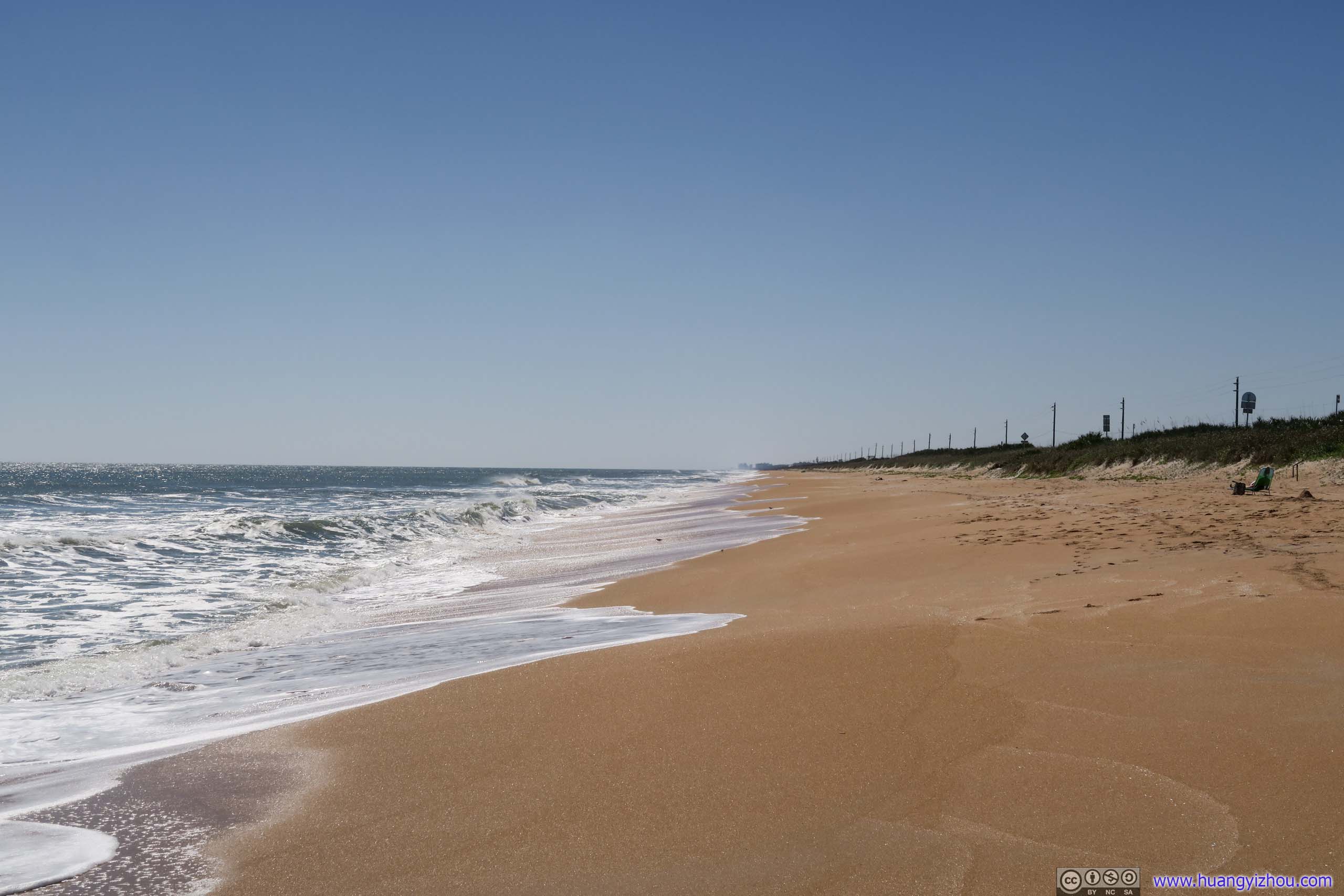
Passing North Peninsula State Park, which was made mostly of primitive bushes and swamps. I stopped here and paid the beach a brief visit.
The beach here turned out to be much better than the popular Juno Beach I stopped by the previous day. Being far from developed suburbs also meant it's a great place for some moments of solitude.
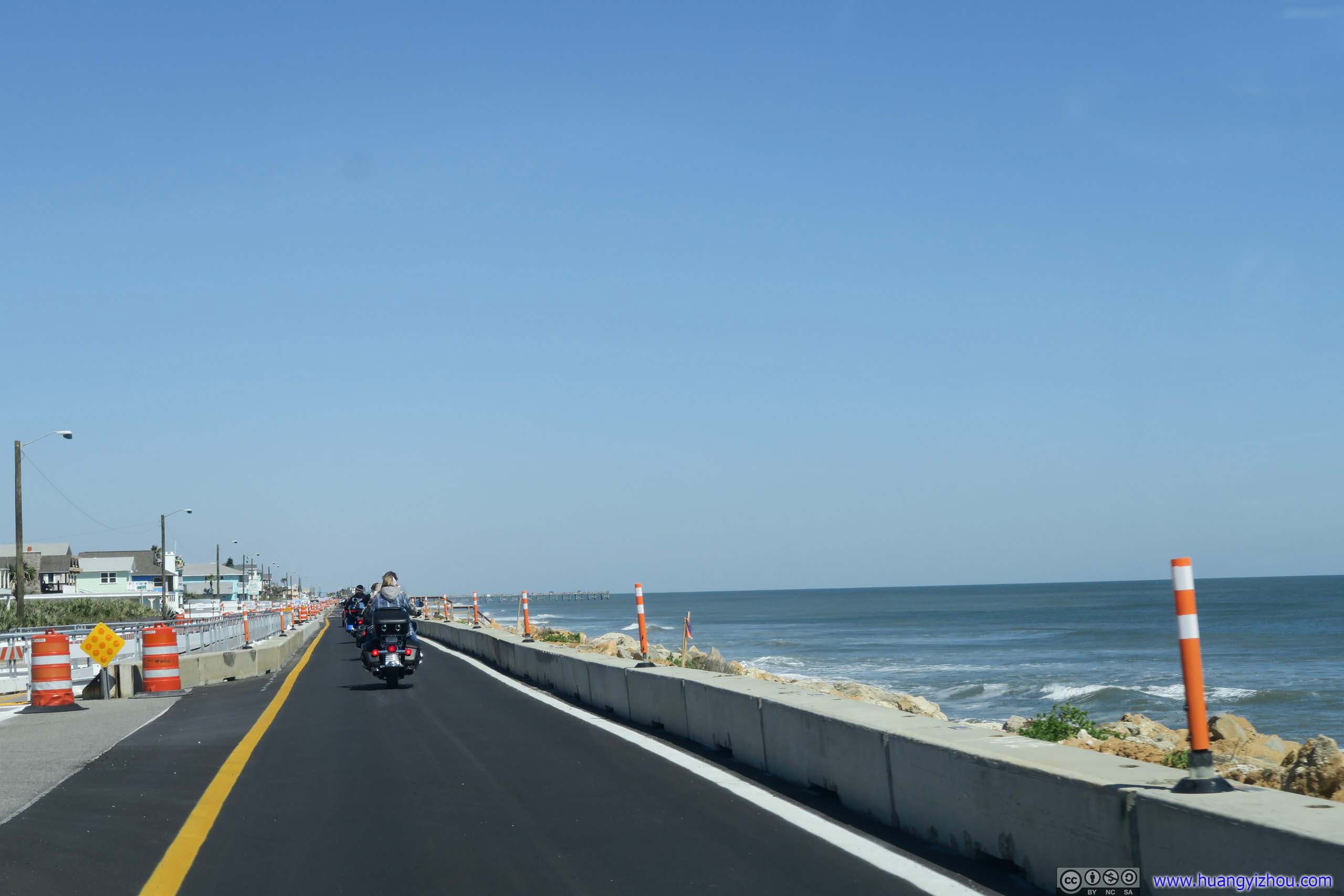
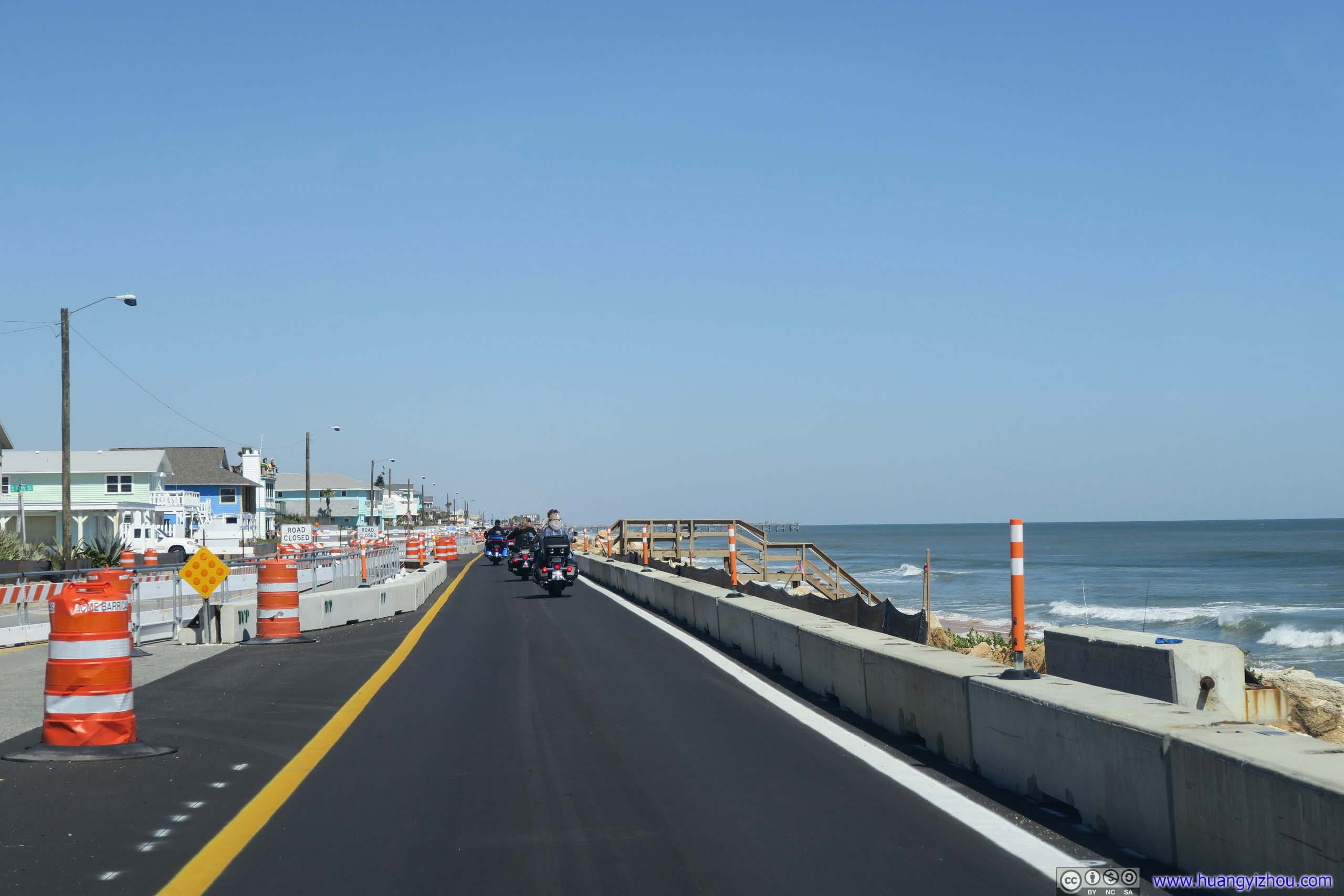
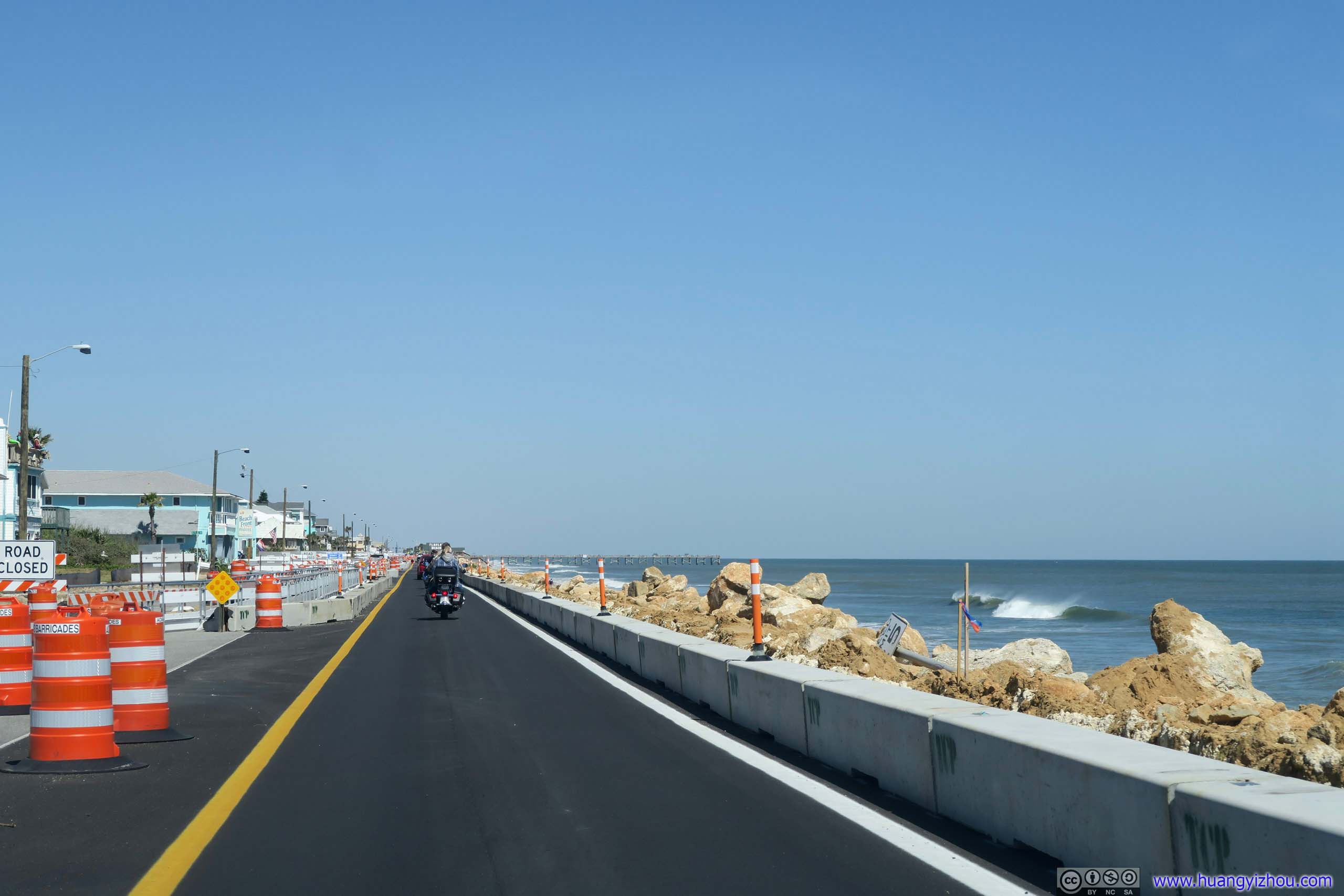
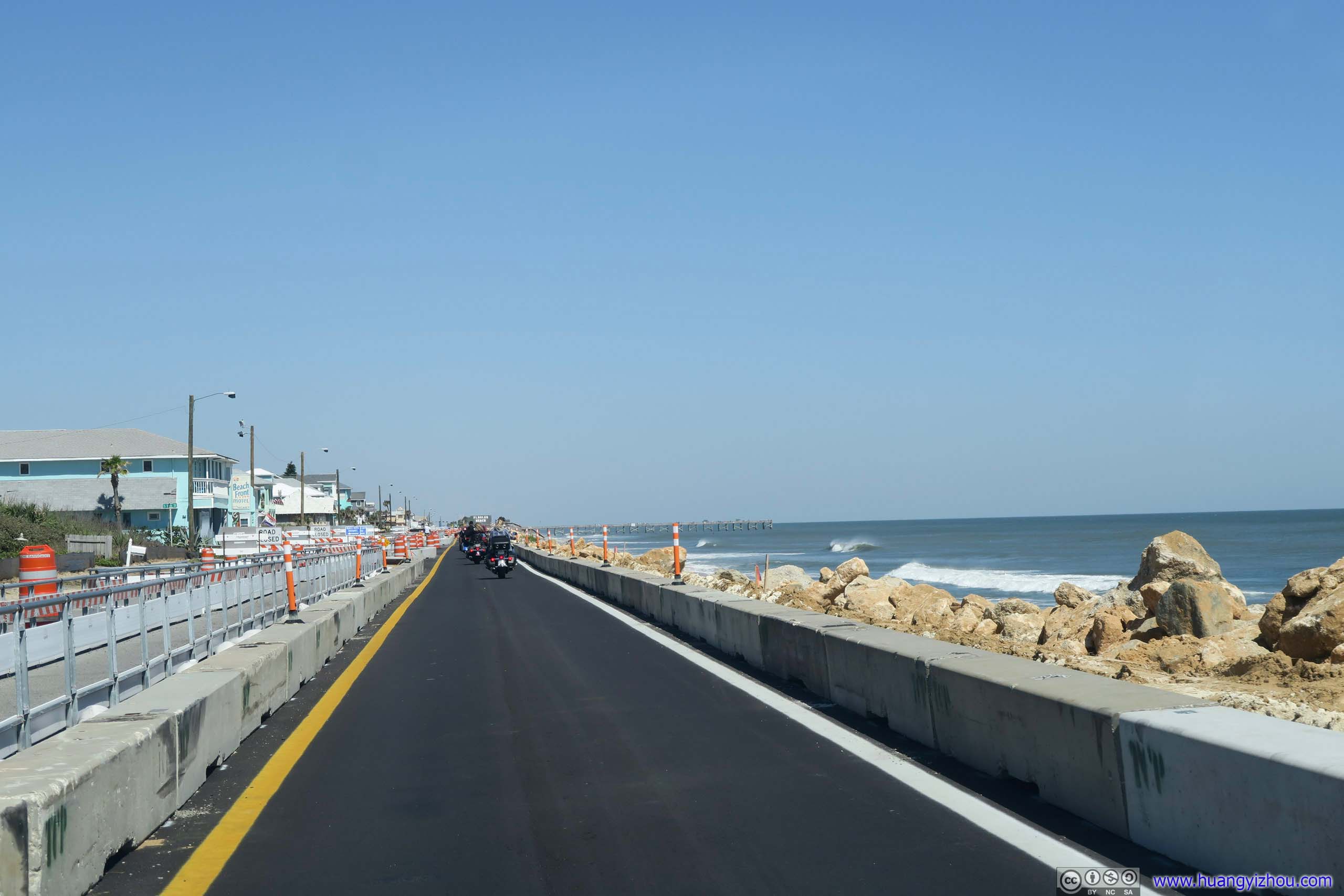
Highway by Ocean
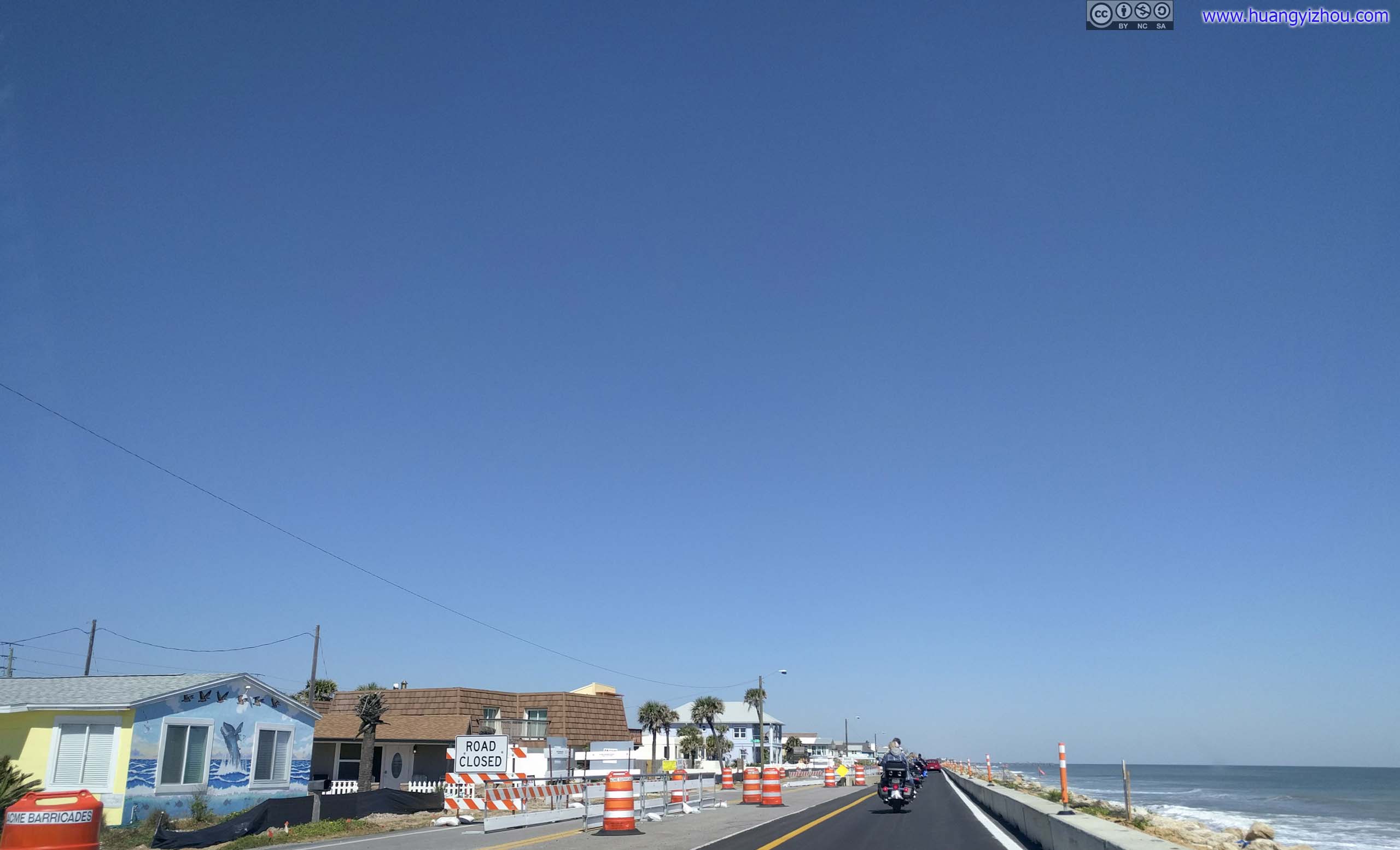
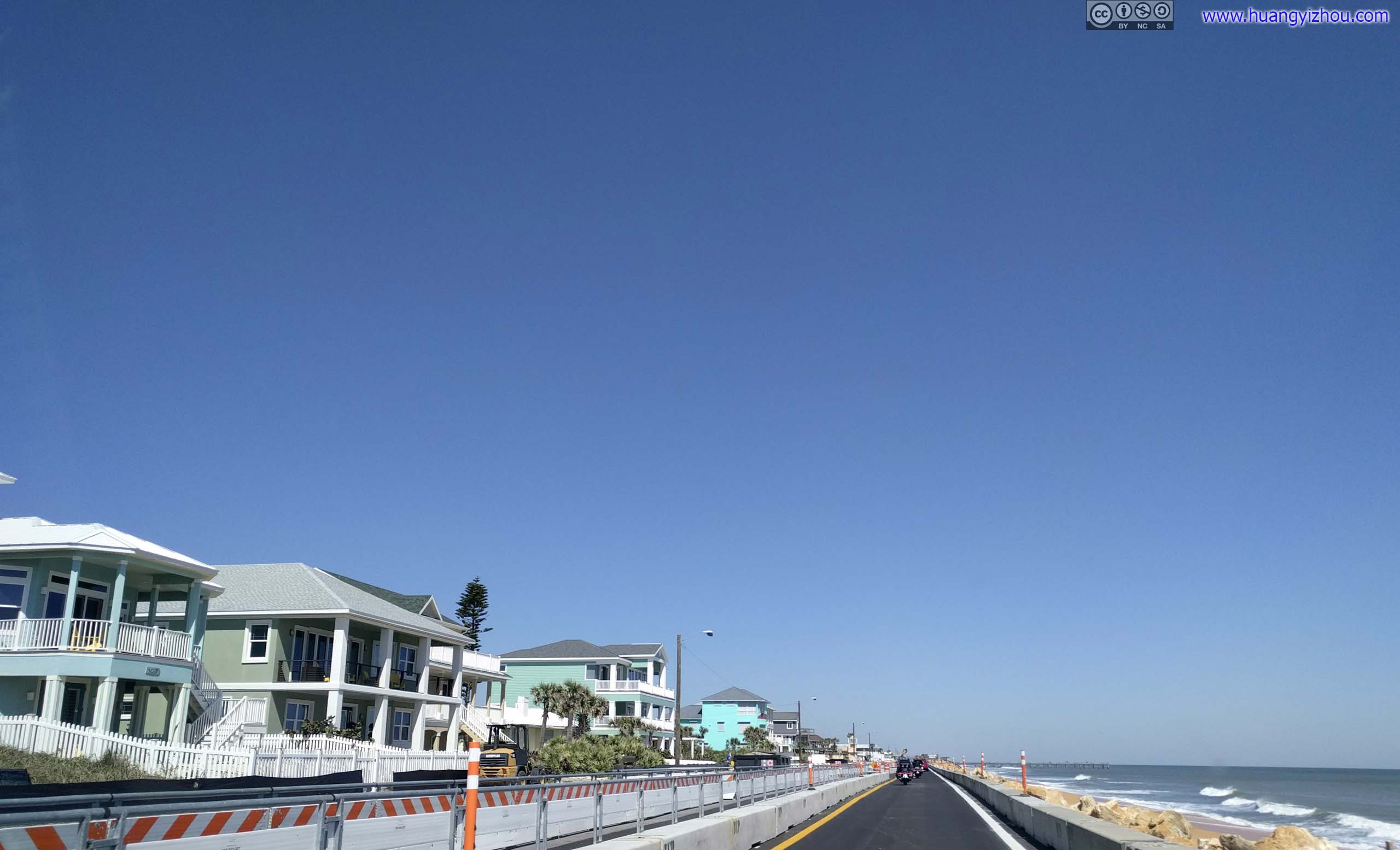
Some roadwork approaching Flagler Beach.
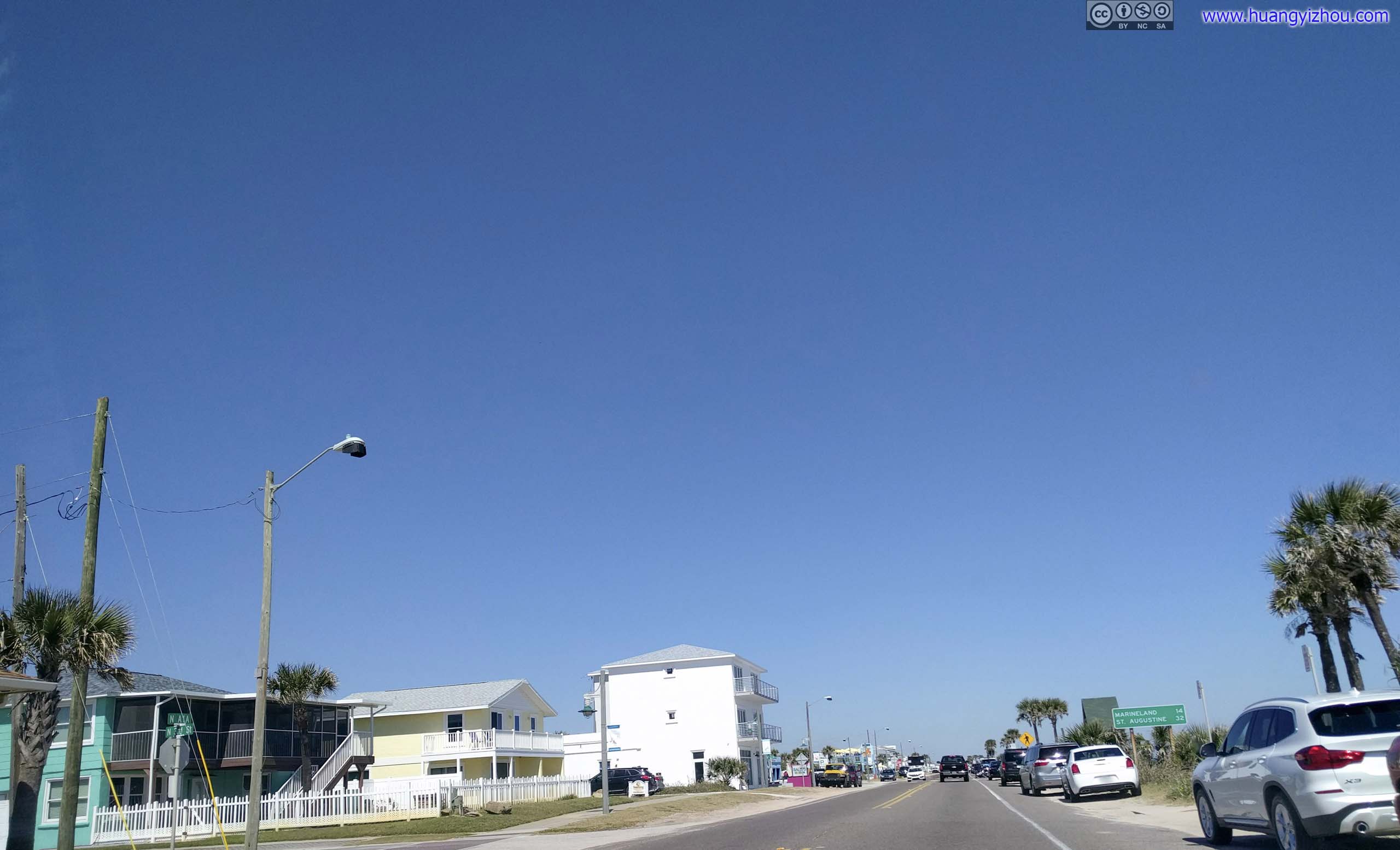
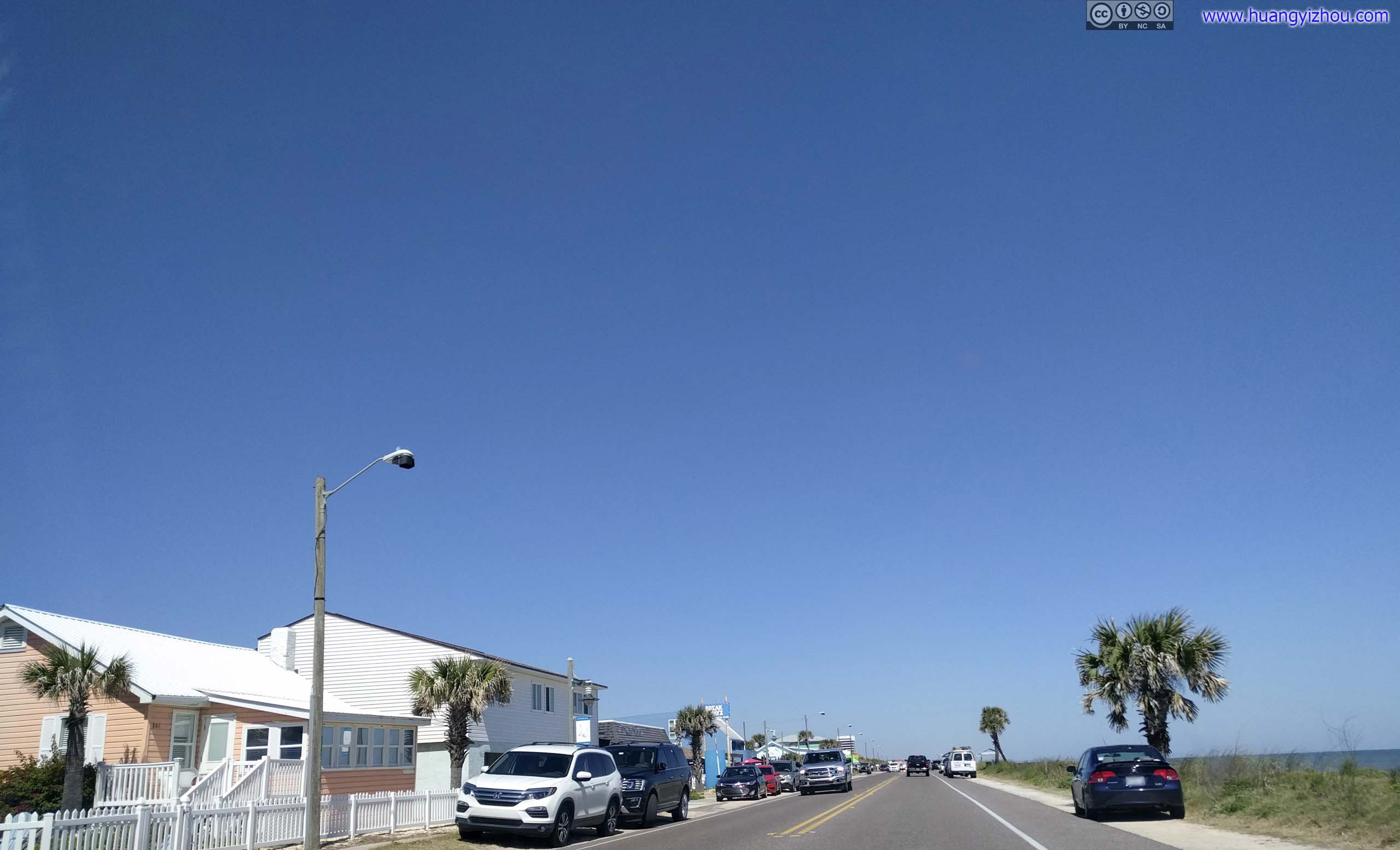
North of Flagler Beach, lots of (free?) roadside parking. So I took advantage of that and paid this beach town a quick visit.
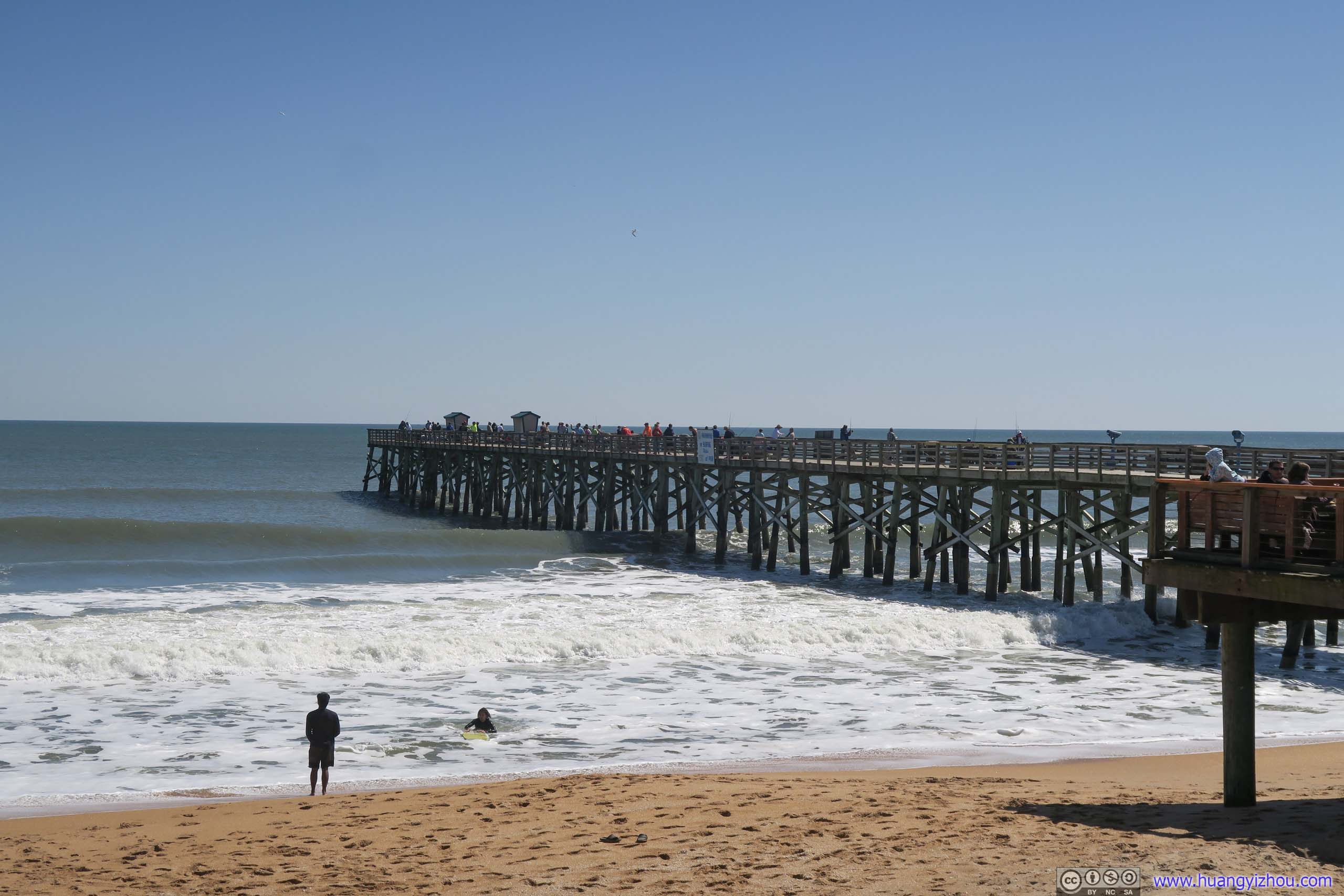
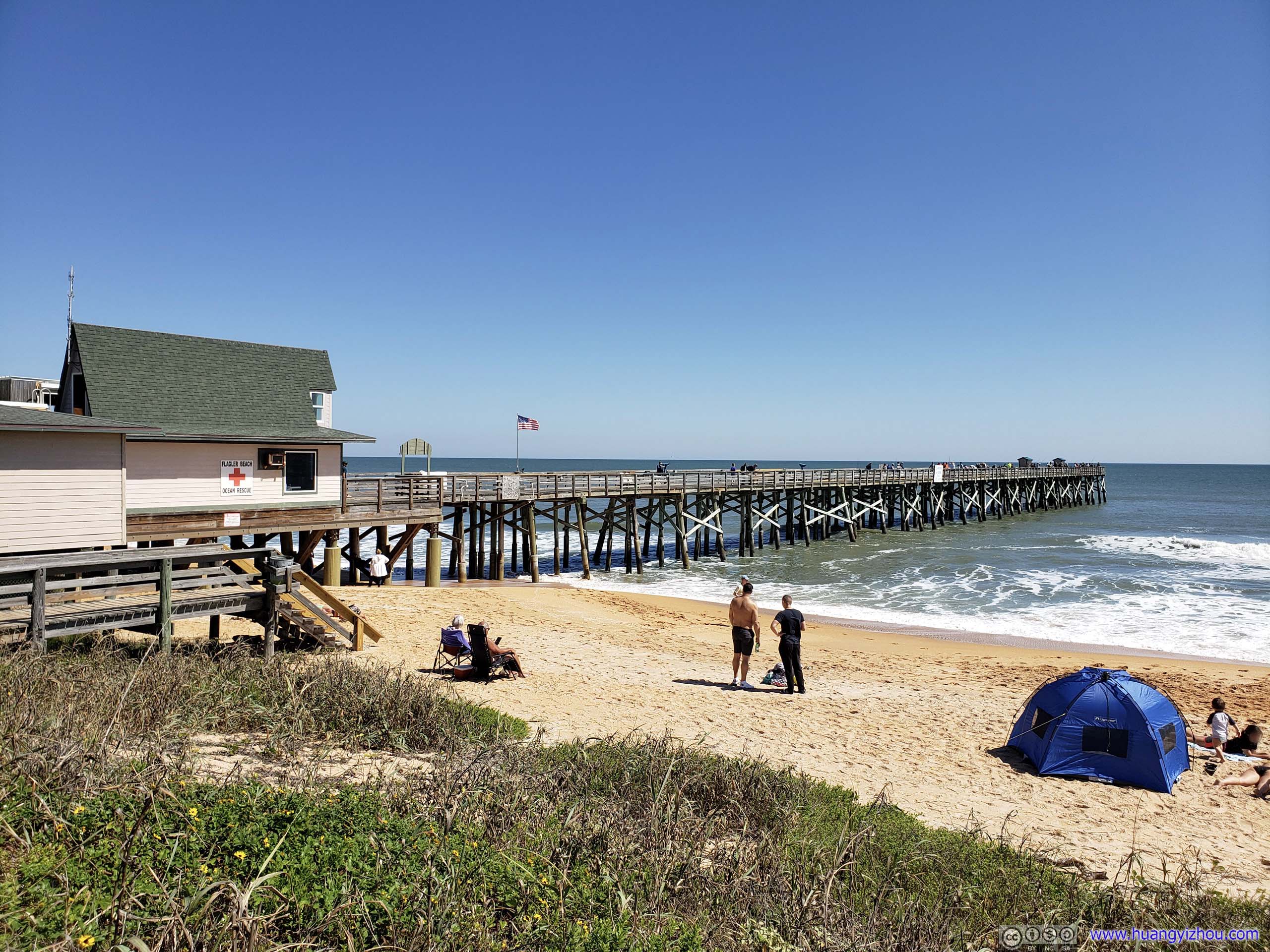
The entire pier here was walled off for fishing, with a fee.
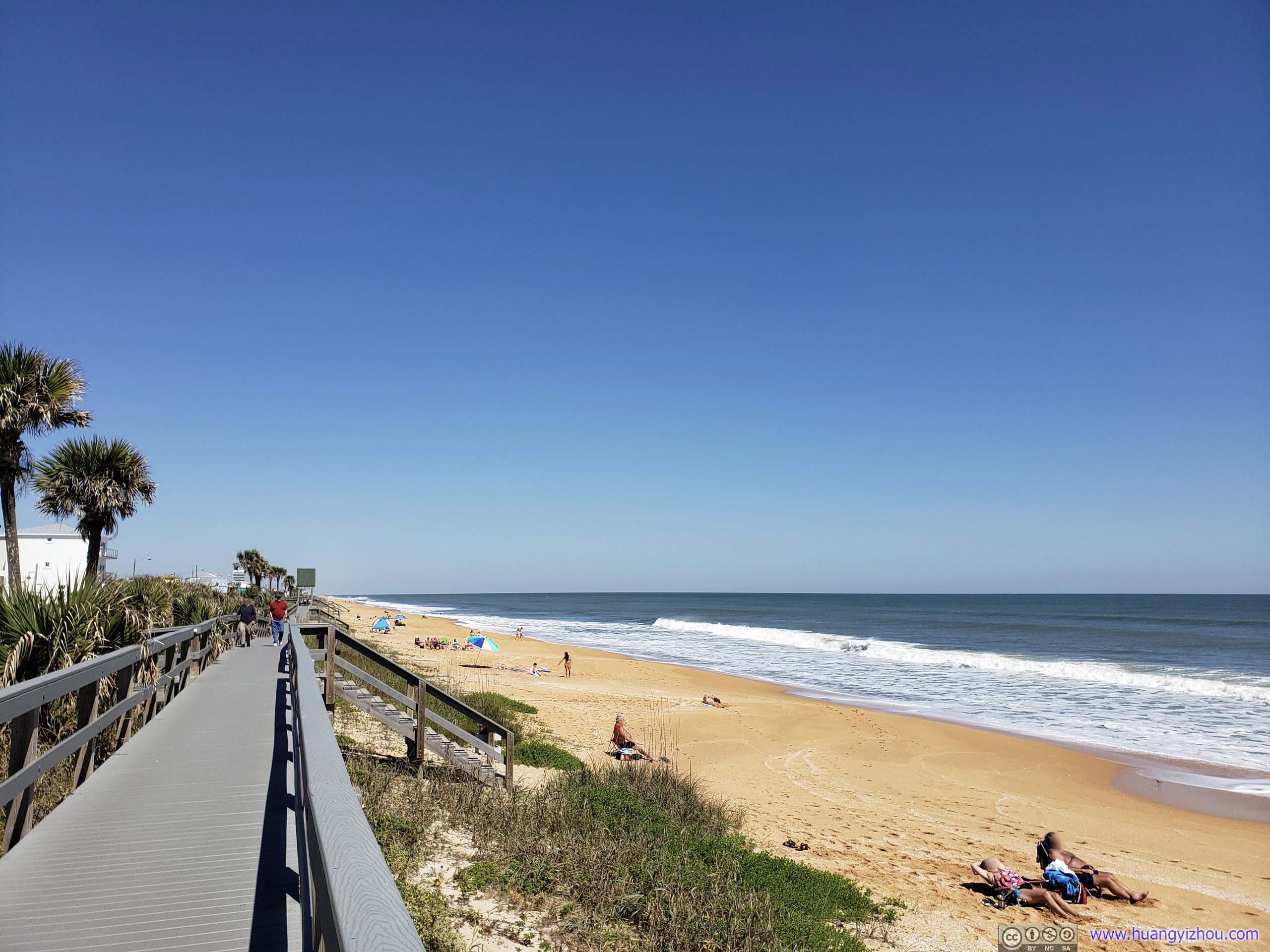
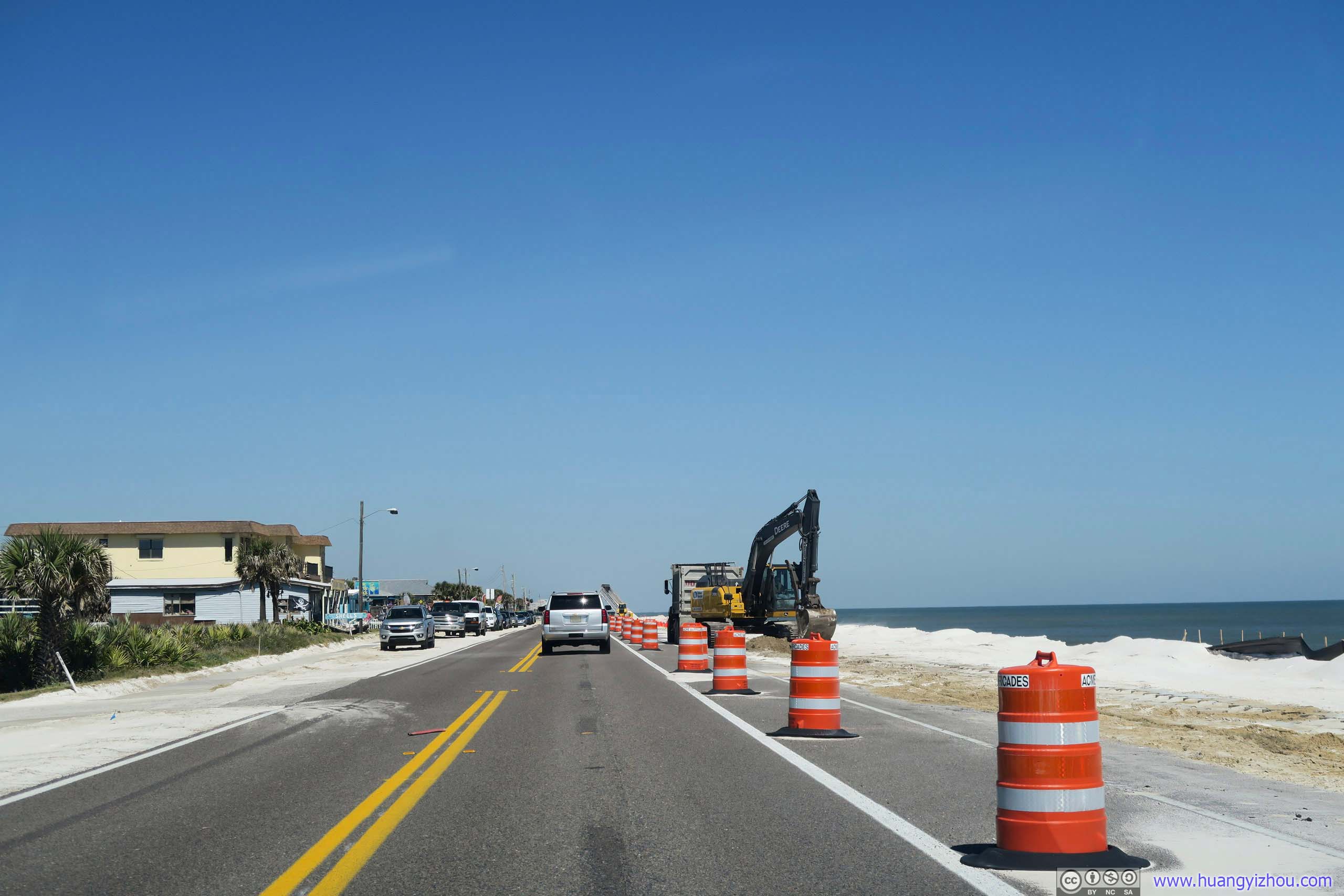
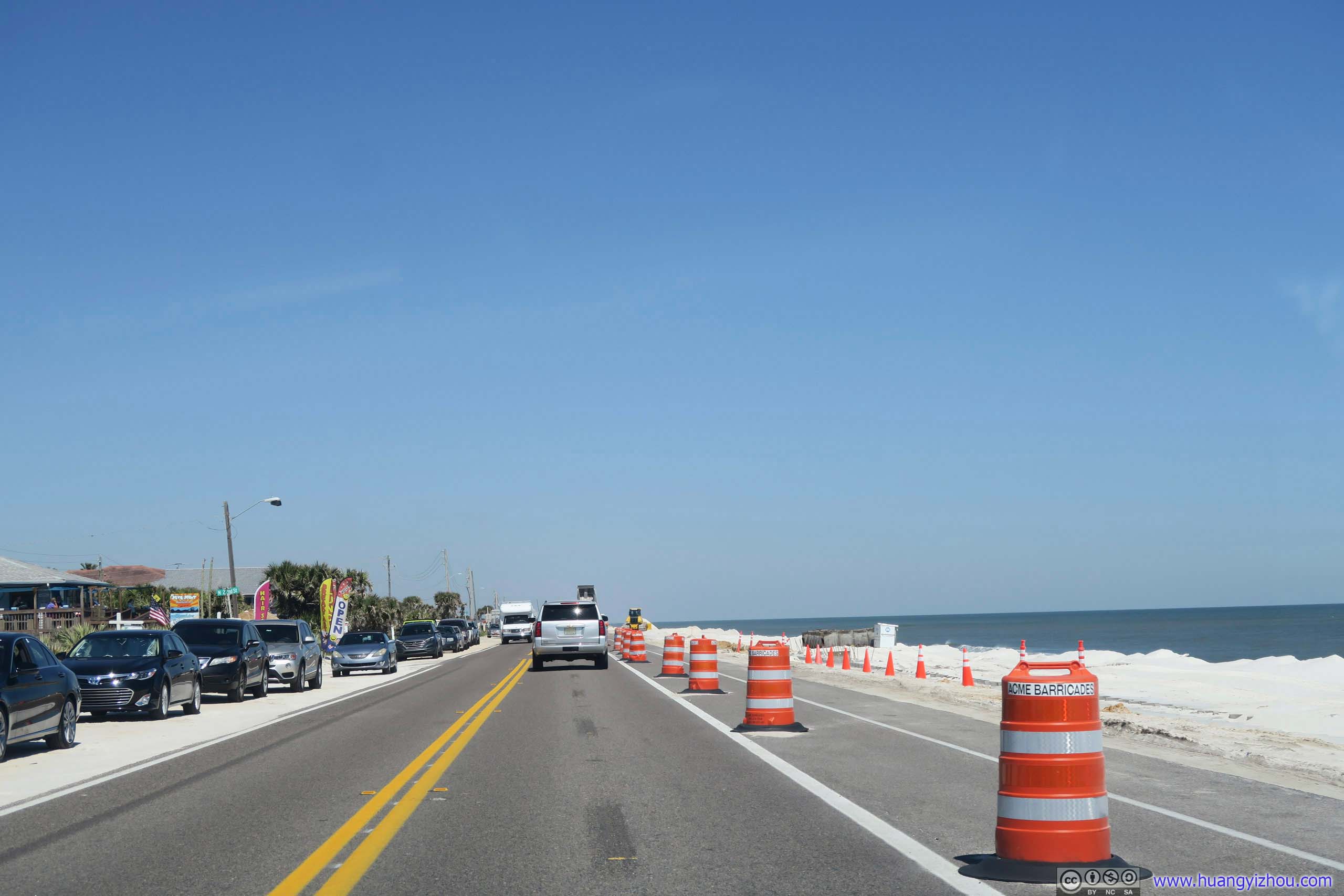
Moving forward, it's a typical scene of barrier island beach community along the road. Probably because this was North Florida, so the houses looked more modest compared with the beachfront mansions in South Florida that I drove past the previous day.


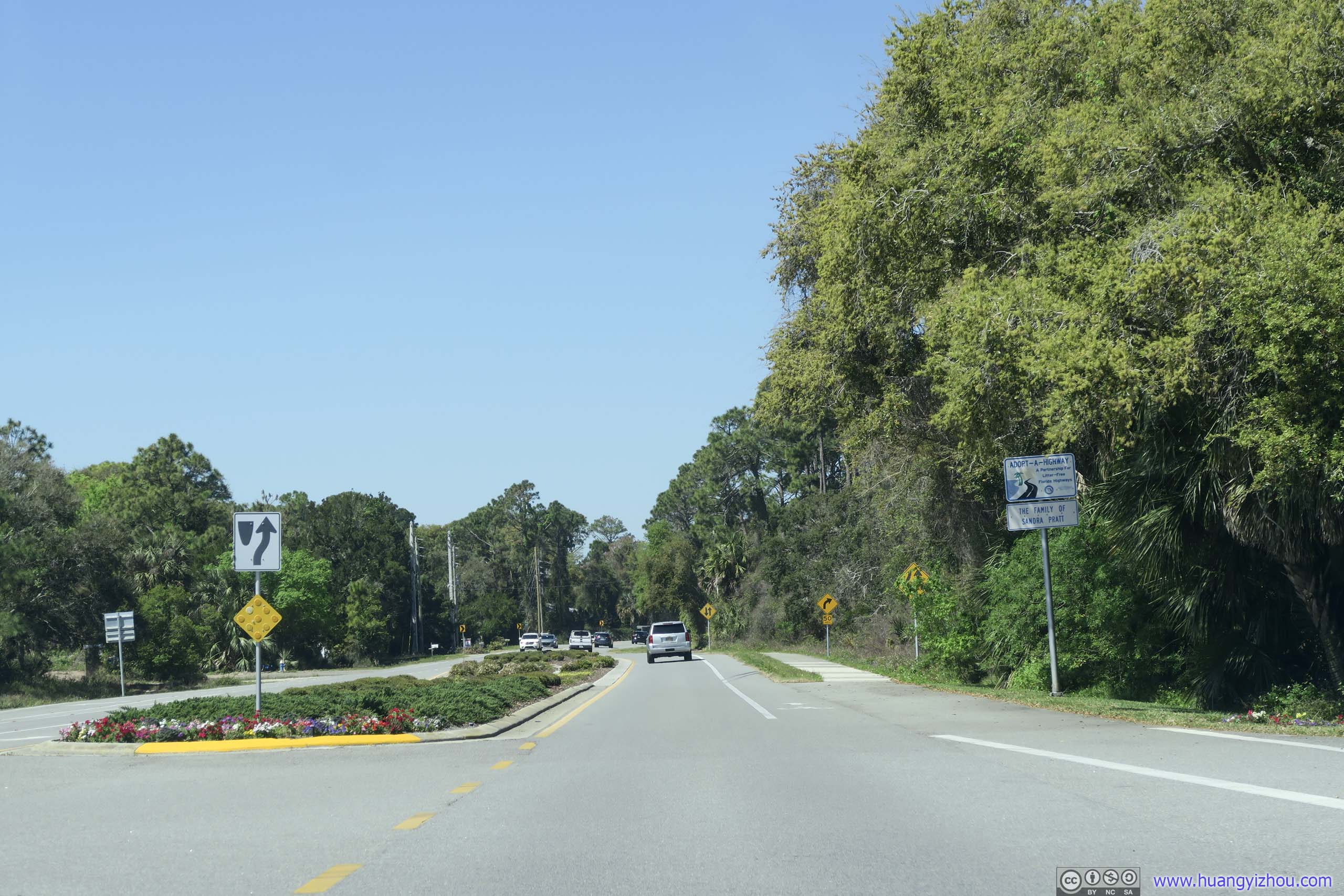
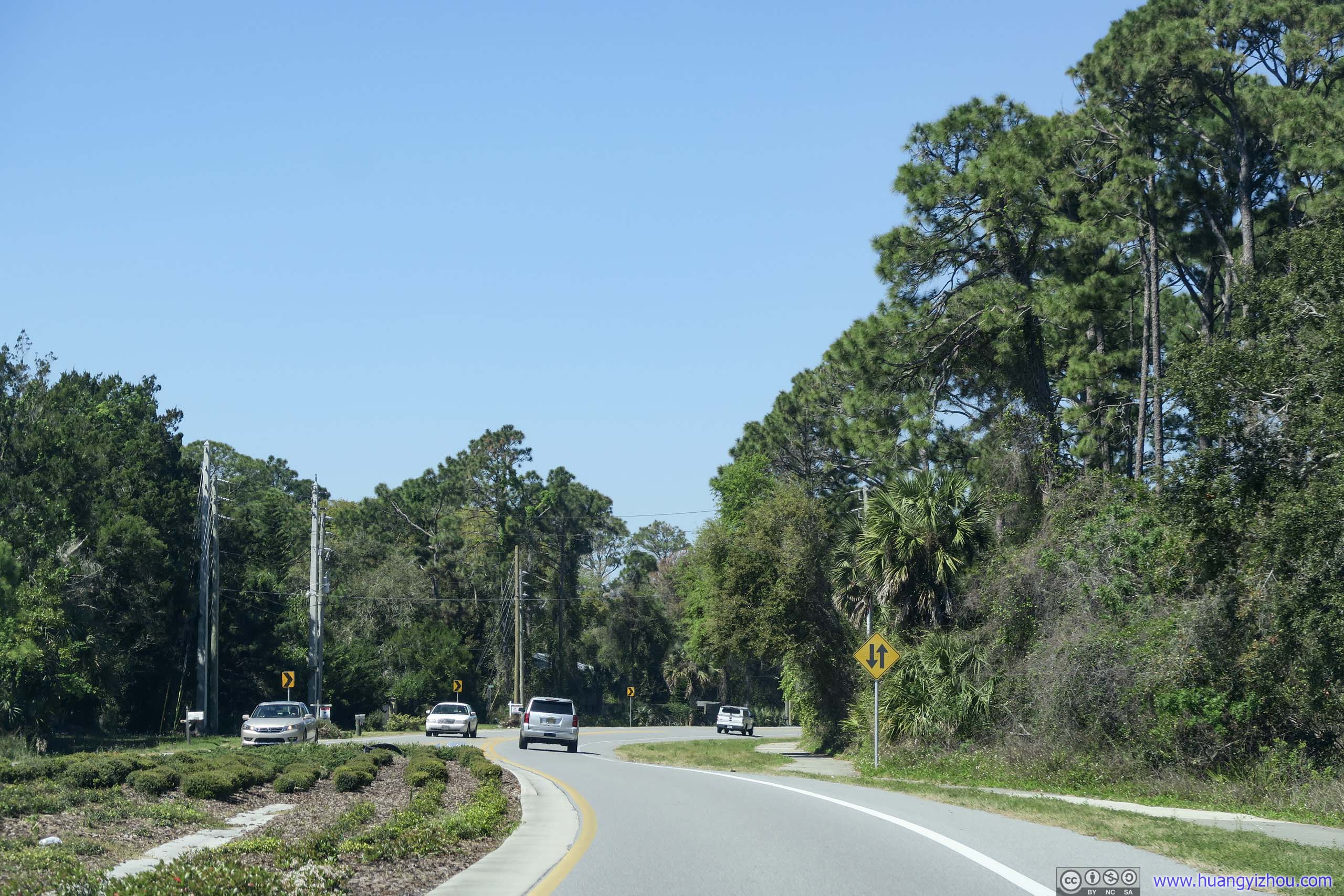
The road made a turn inland approaching Palm Coast.
Washington Oaks Gardens
Click for detail the gardens' history
One of the early owners of this land was Joseph Hernandez. In 1845, his daughter Luisa married George Lawrence Washington, a distant relative of the first US President. In 1936, Louise Powis Clark, wife of the industrialist Owen Young purchased the property as a winter home. She devised the name "Washington Oaks" and was responsible for developing the park's gardens. Mr. Young died in 1962 and Mrs. Young donated the property to the State of Florida in 1964.
Nowadays, Washington Oaks Gardens was a Florida state park, that strangely charged different admissions for single-occupancy and multi-occupancy vehicles. Young's main house, many gardens, and some hiking trails were for visitors to enjoy.
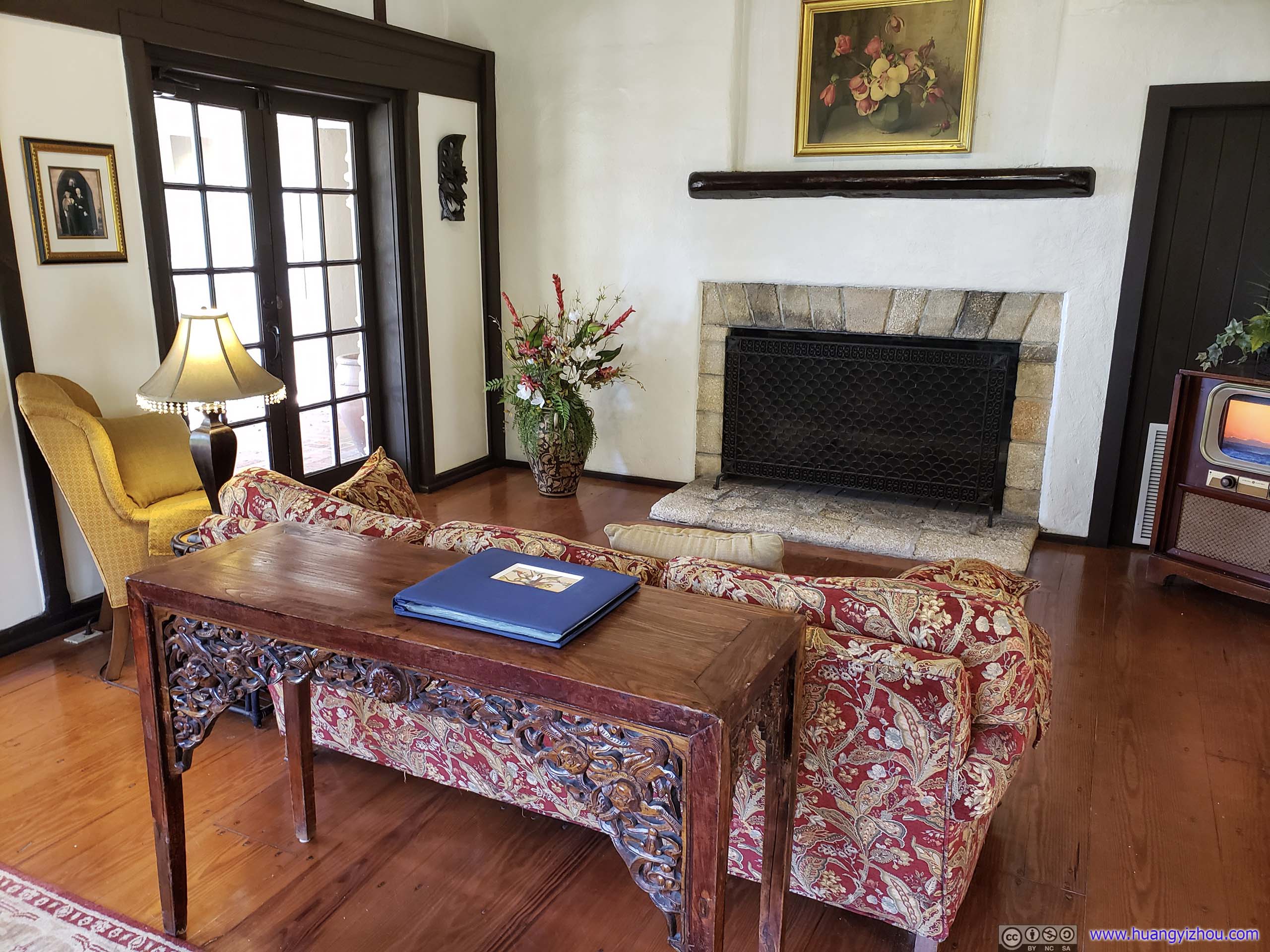
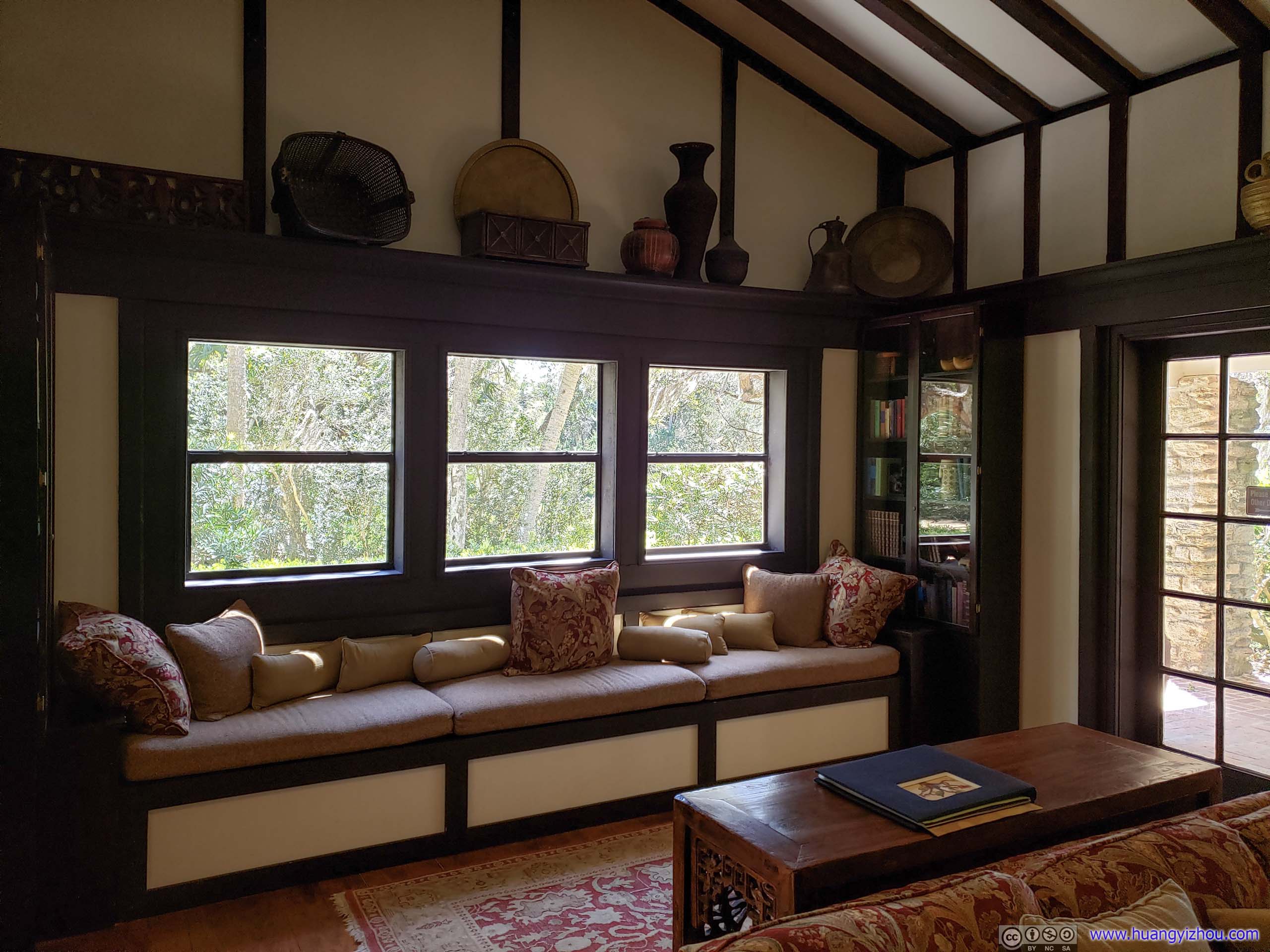
Wonderfully air-conditioned.
The Youngs chose to have their main house built on the banks of Matanzas River rather than beachside on the Atlantic Ocean, for the protection of oak hammock forest and views of river and marshes at sunset.
So not far from the house, one was at the bank of Matanzas River with its calm waters.
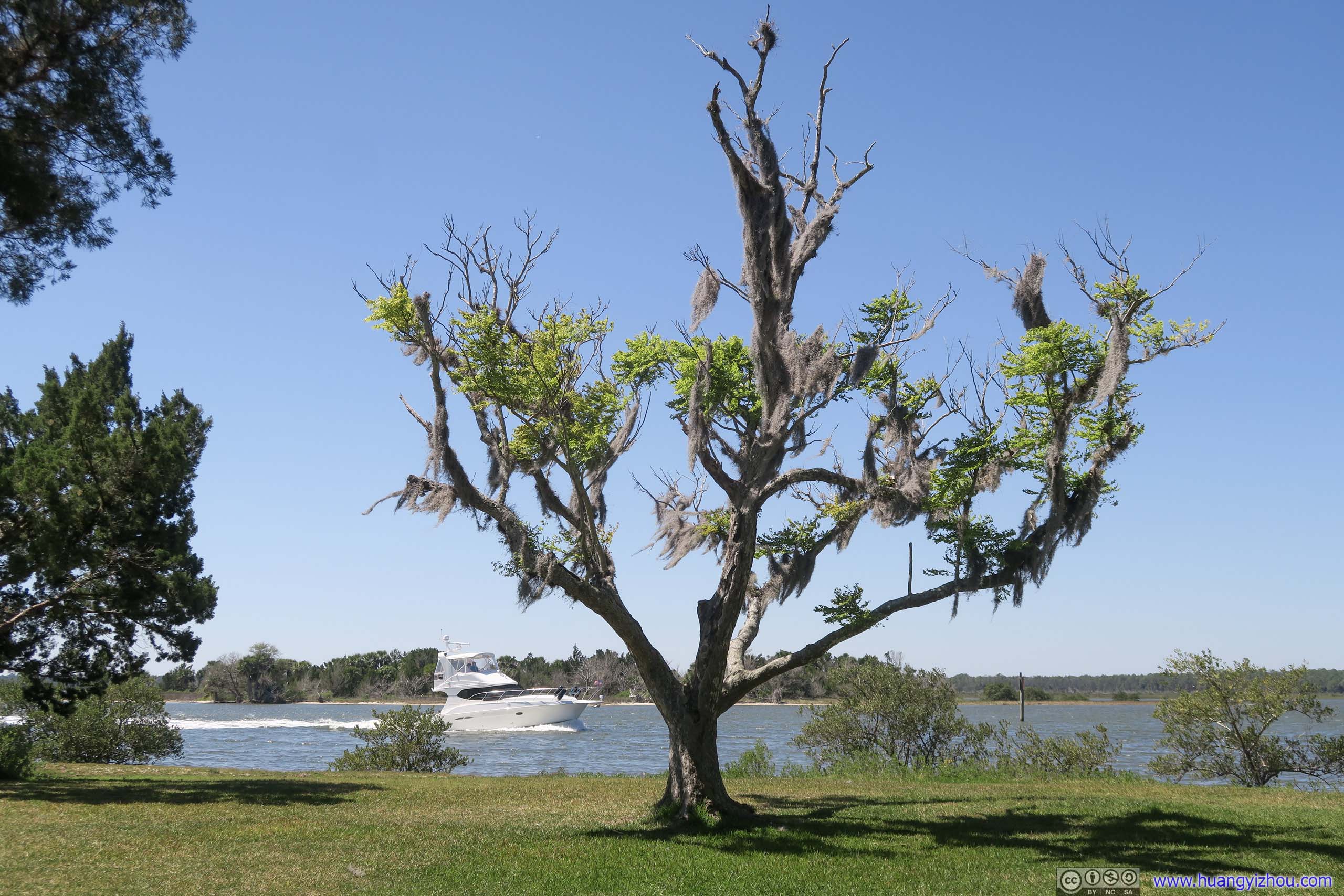
All the right ingredients of perfect southern life in this photo.

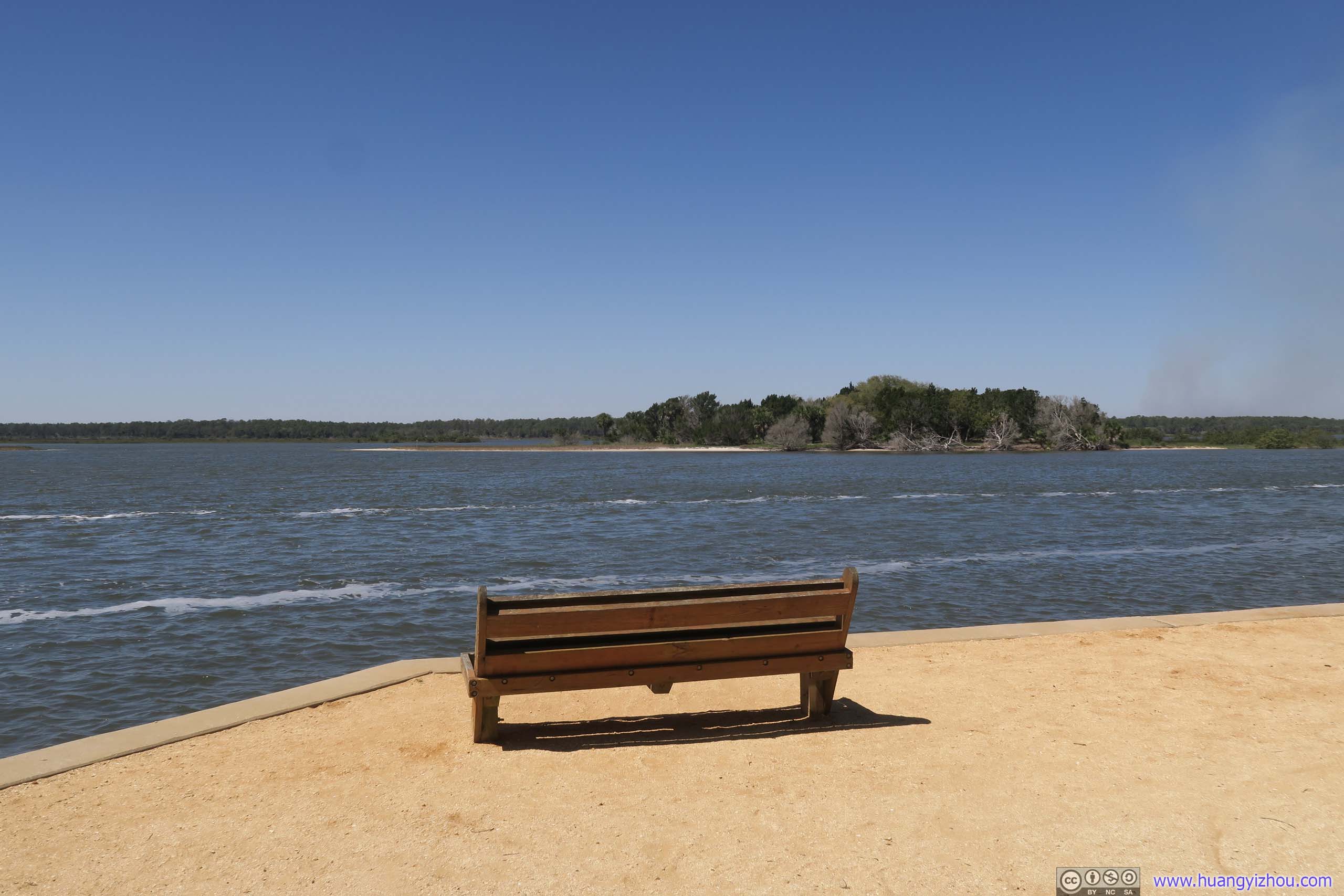
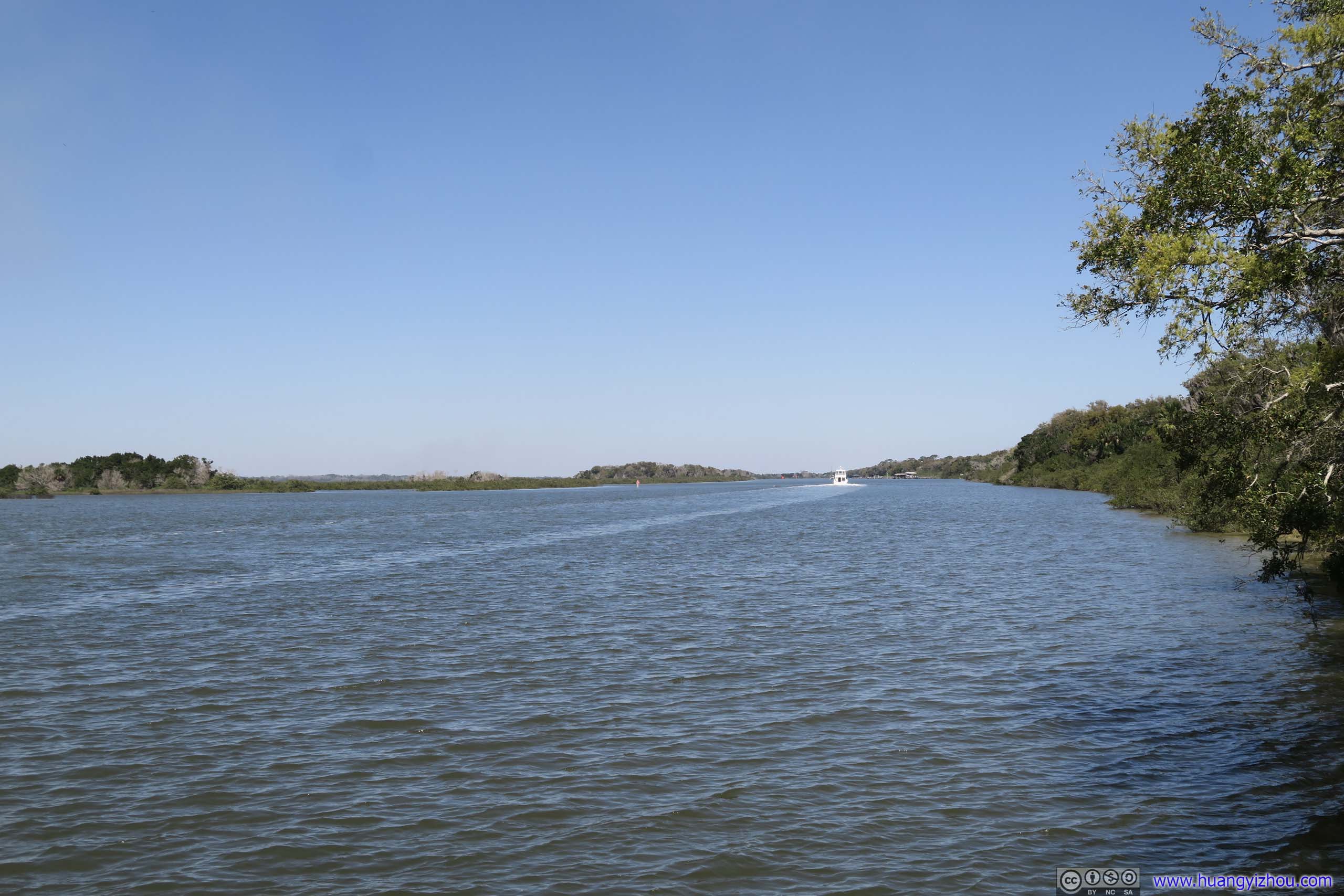
Matanzas River
Then I continued to tour the rest of the gardens.
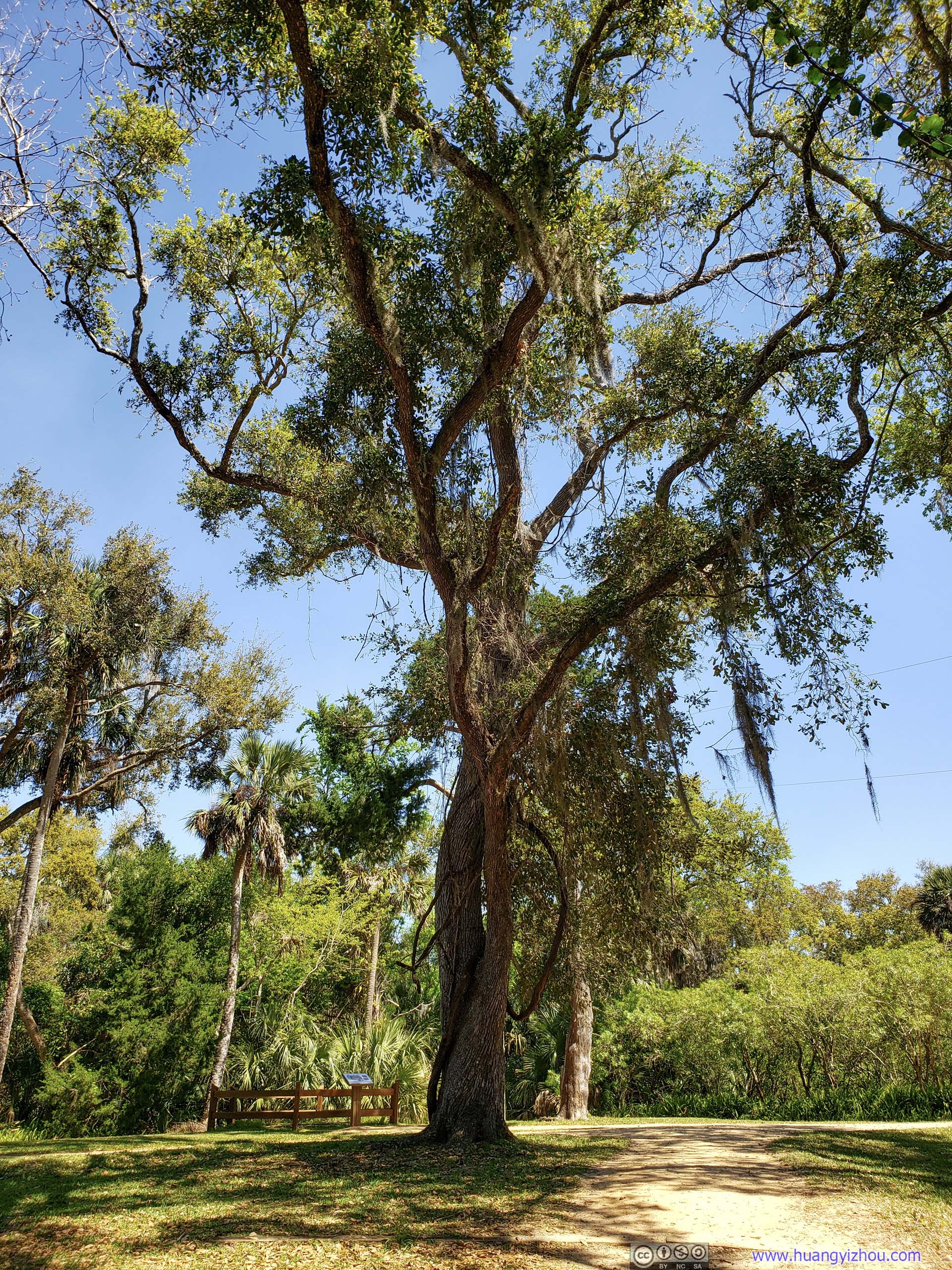
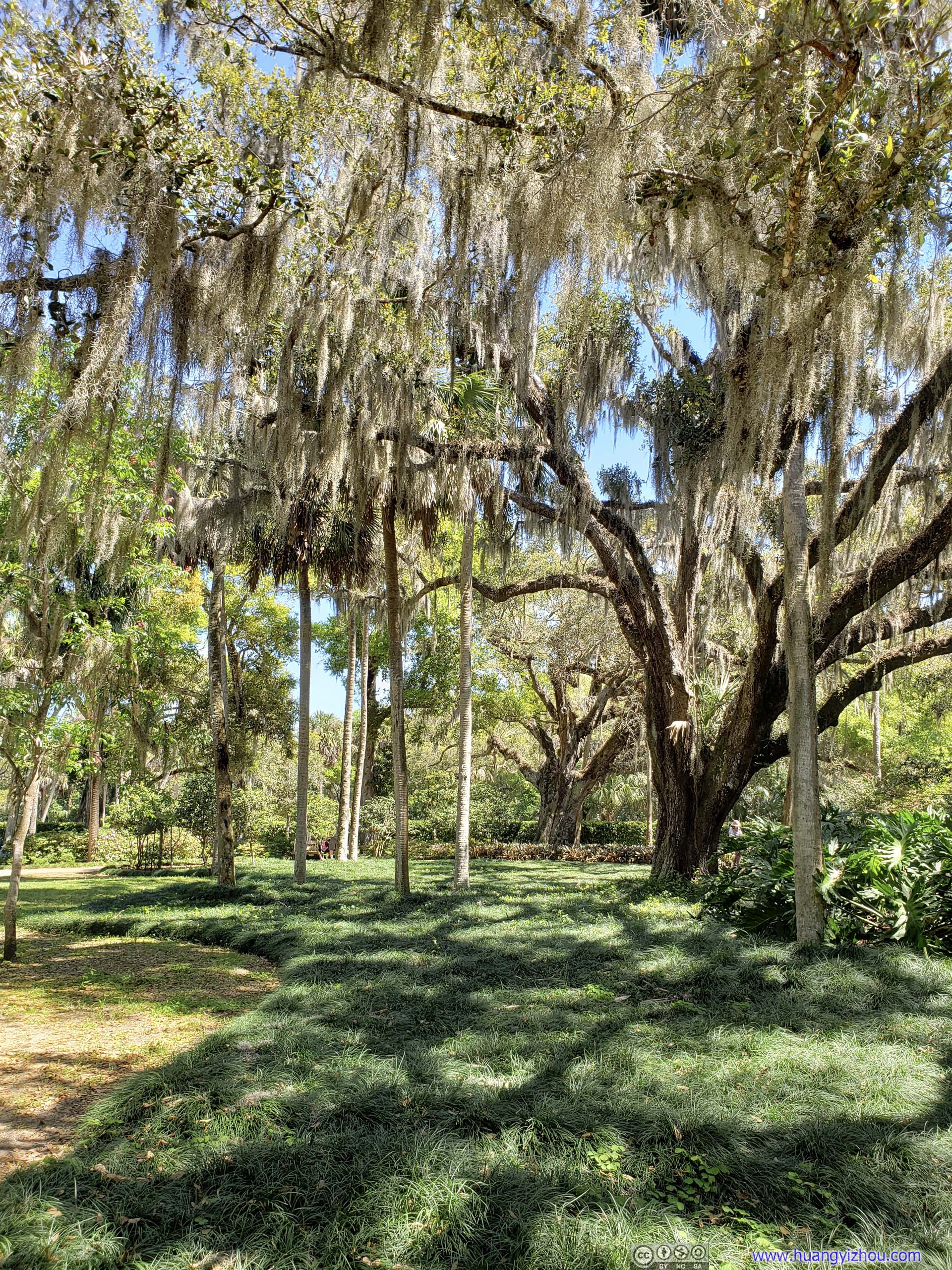
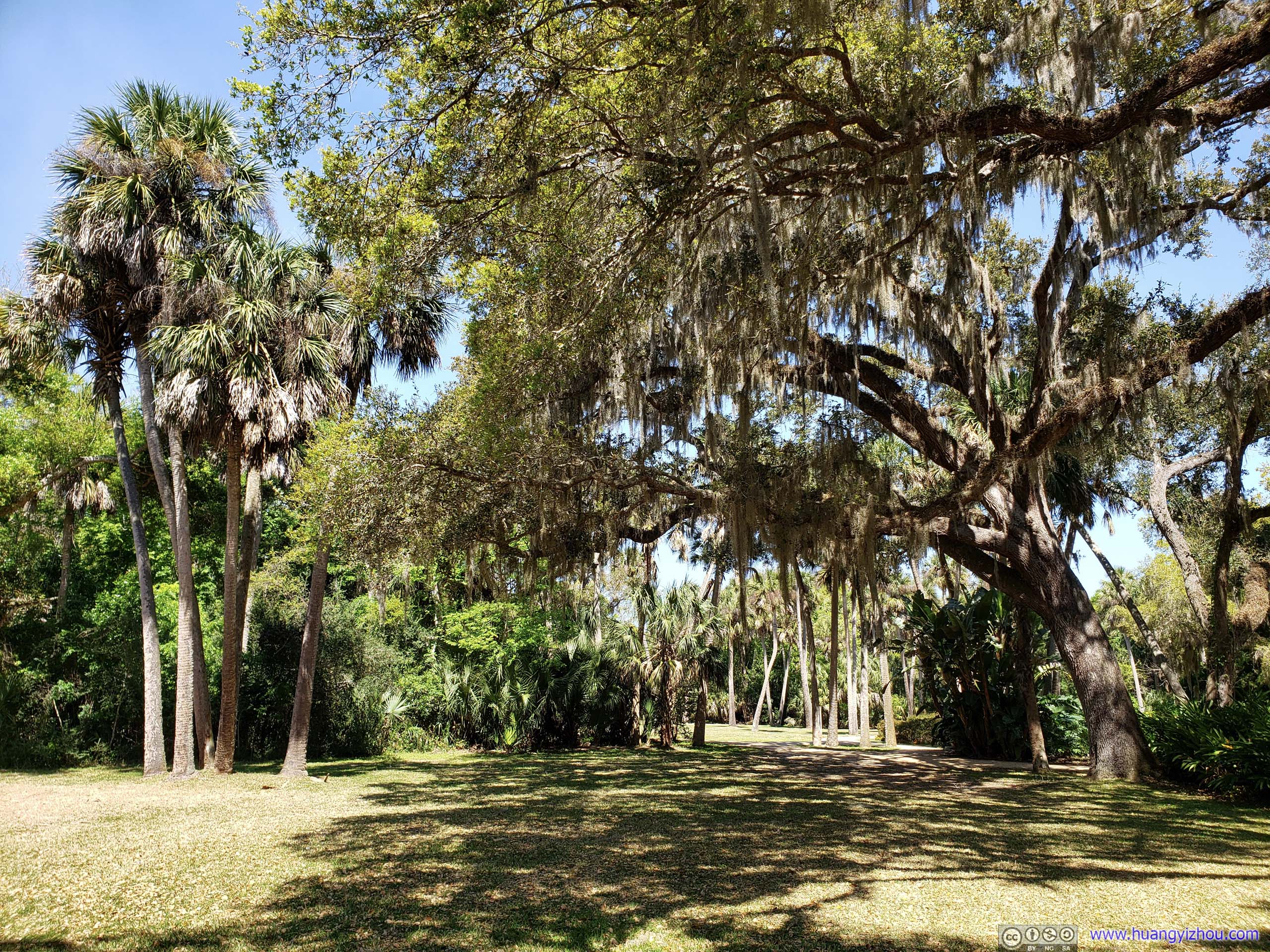
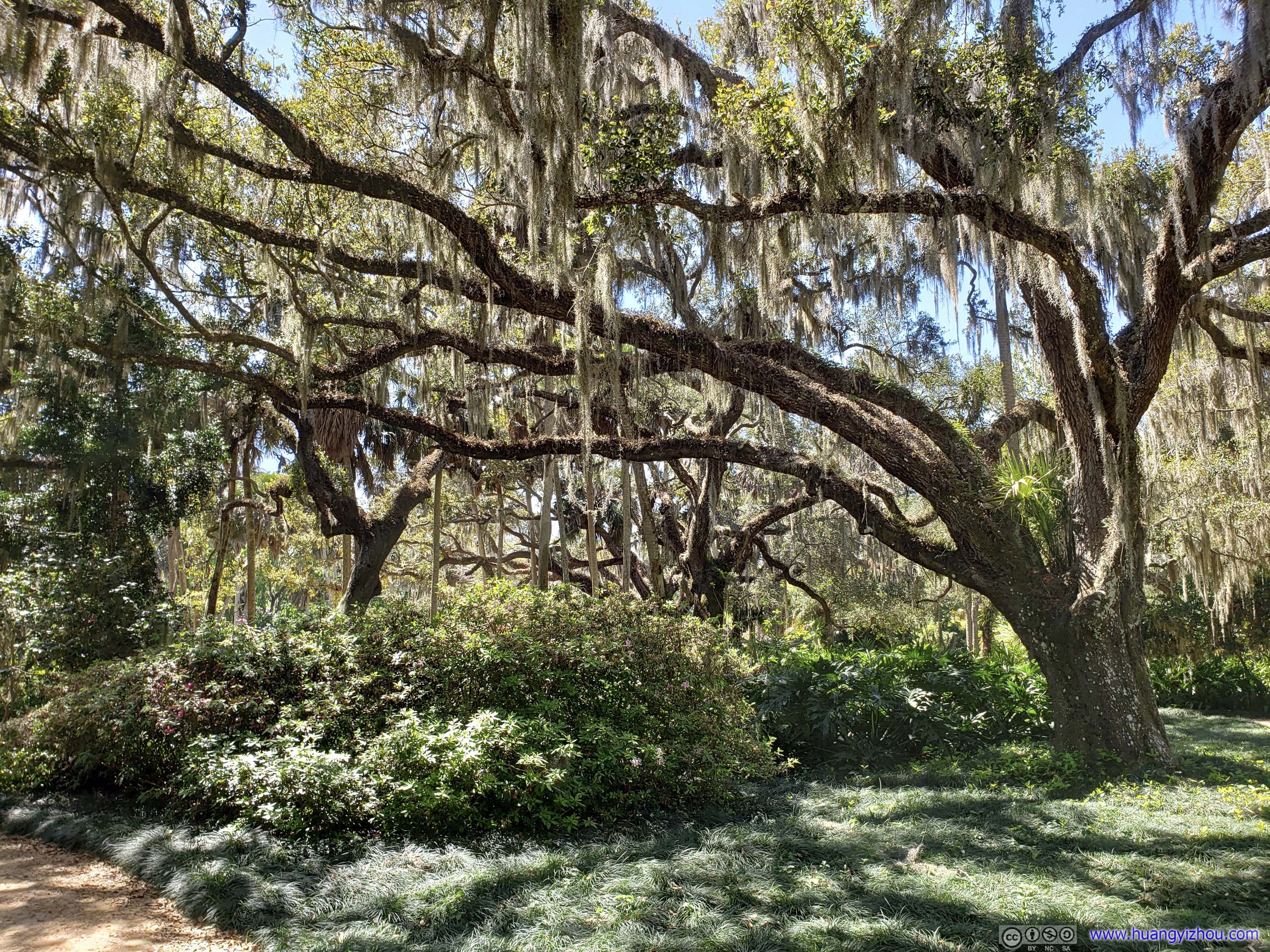
Oak Trees
Mrs. Young was a talented gardener, who designed much of the garden herself.
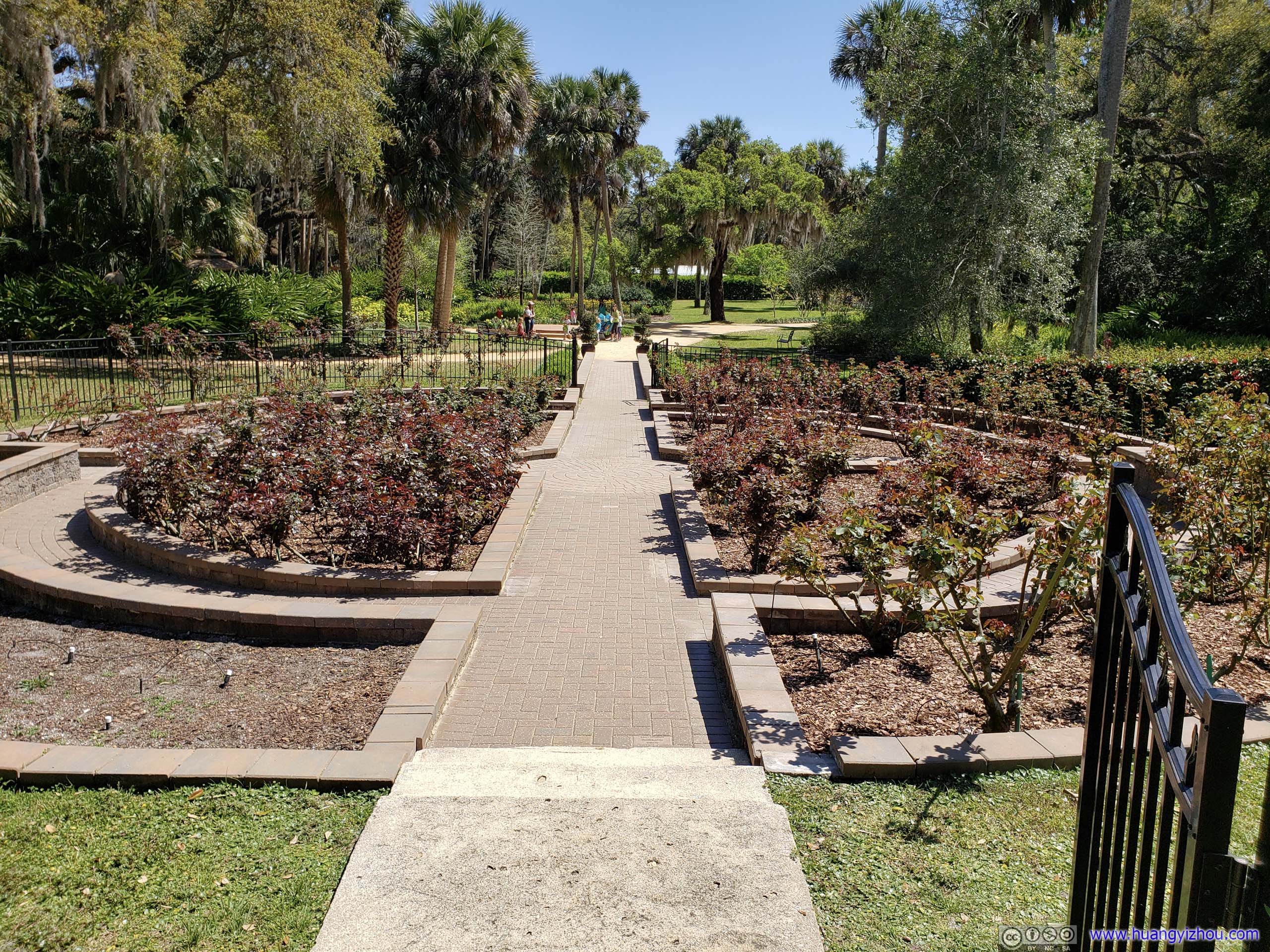

Not many signs of life here, compared with other parts of the park.
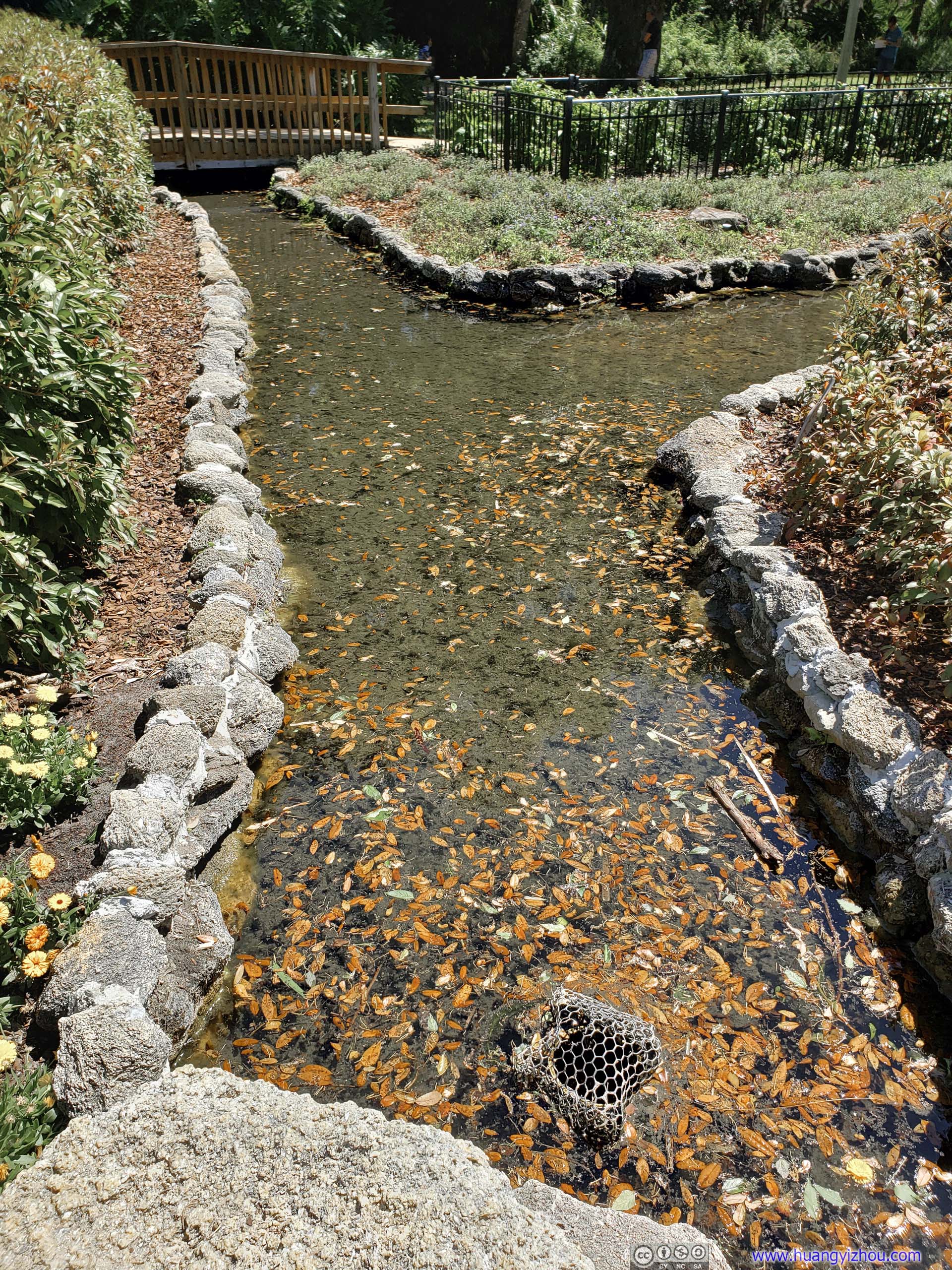
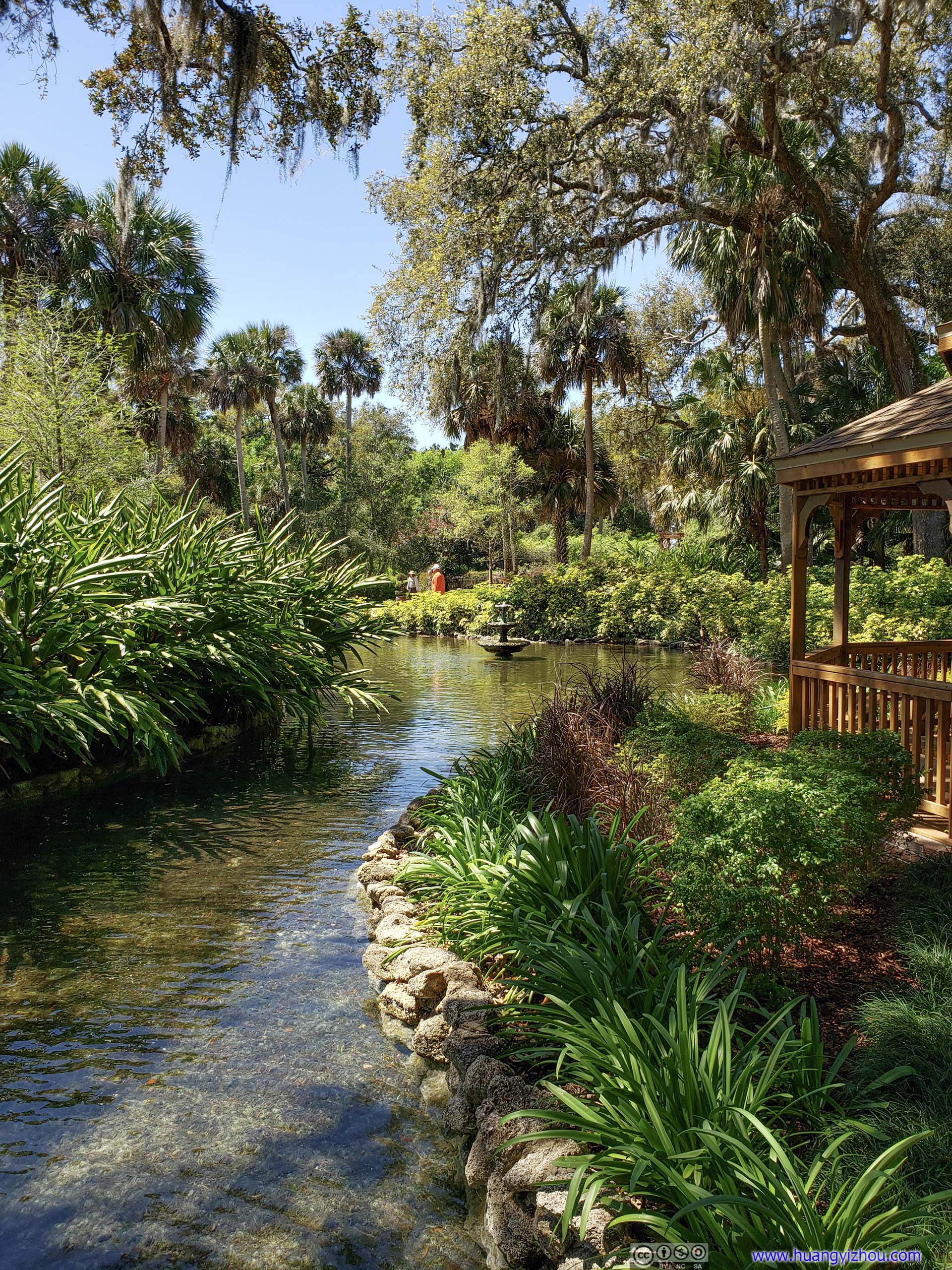
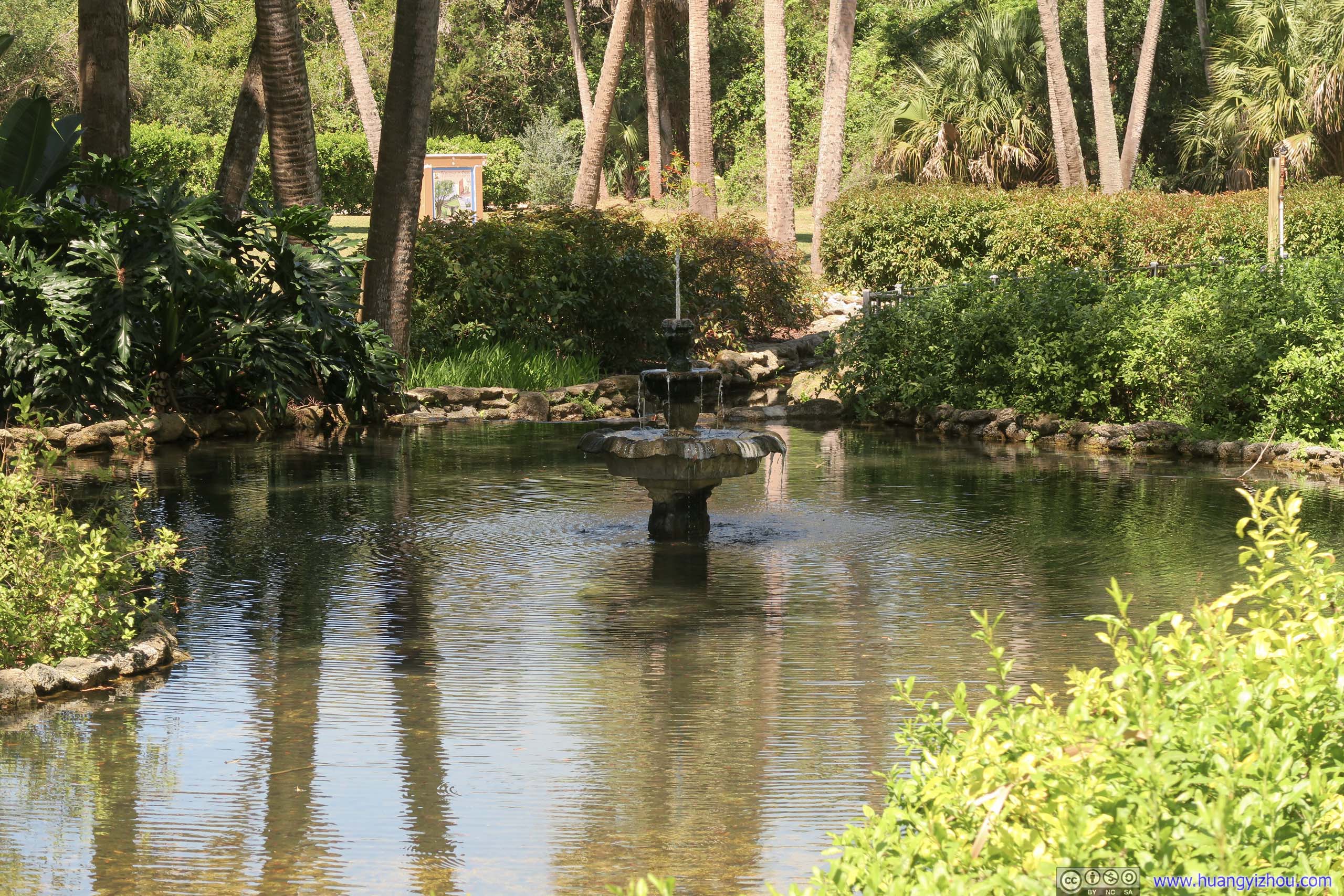
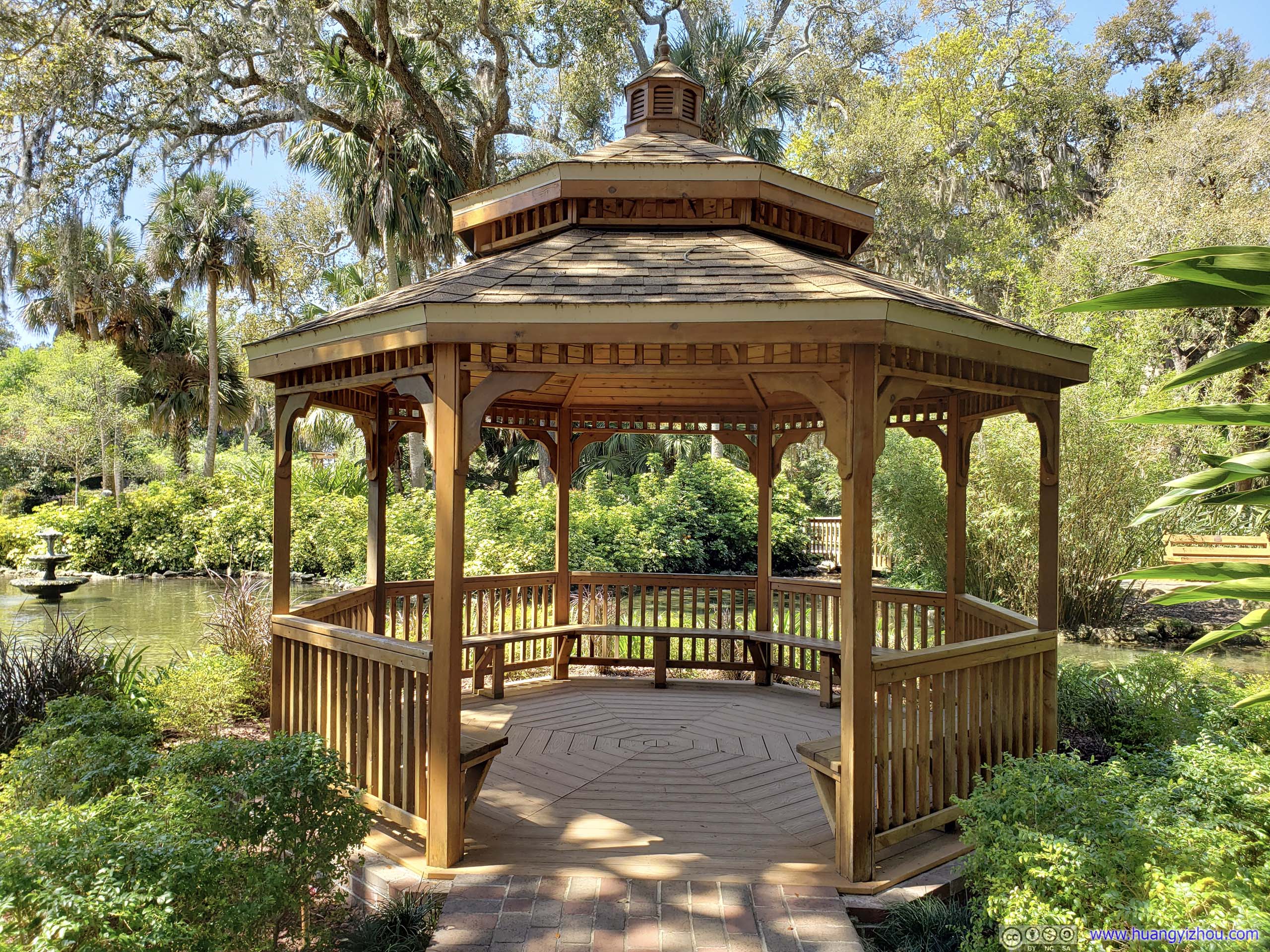
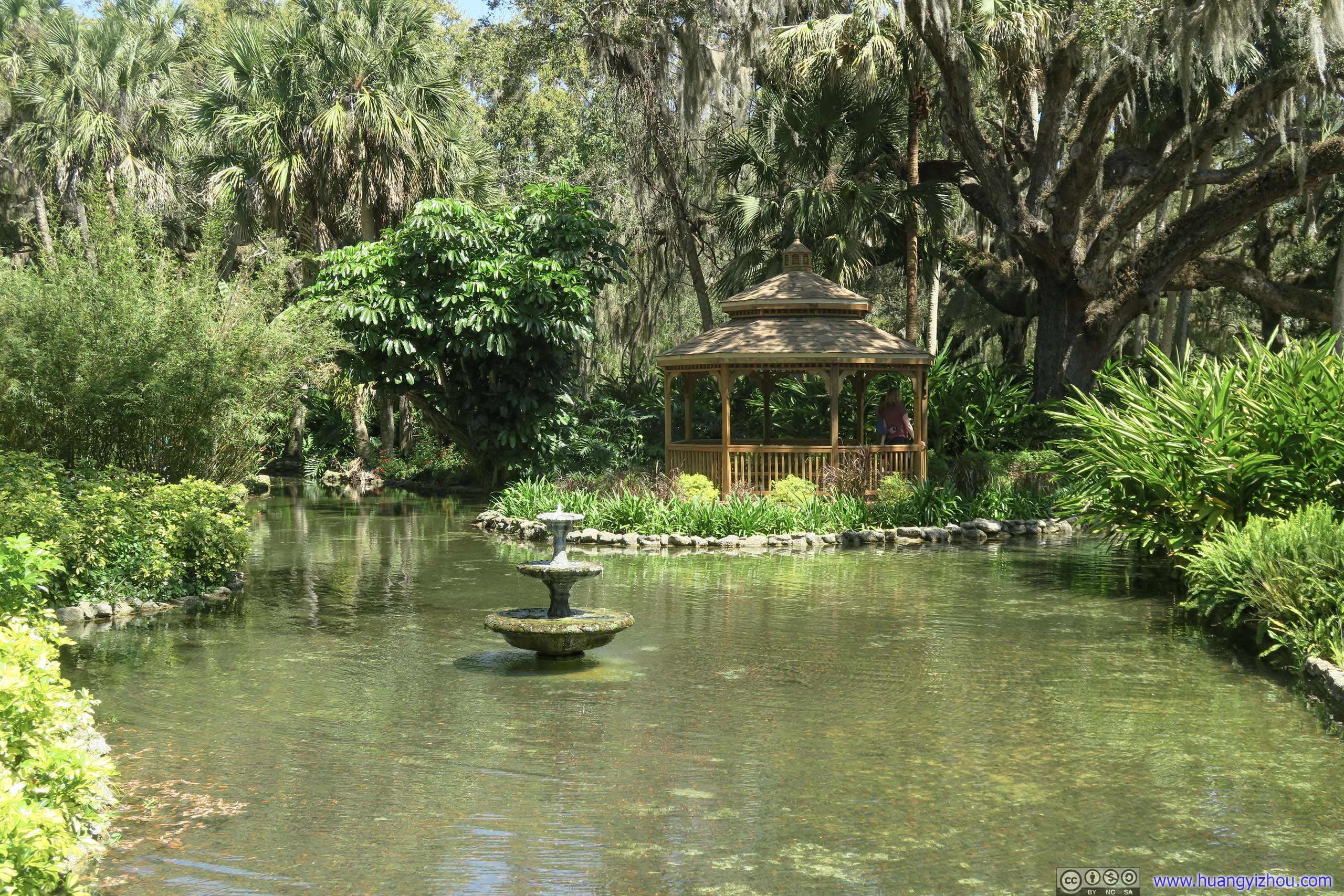
Fountain and Pavilion
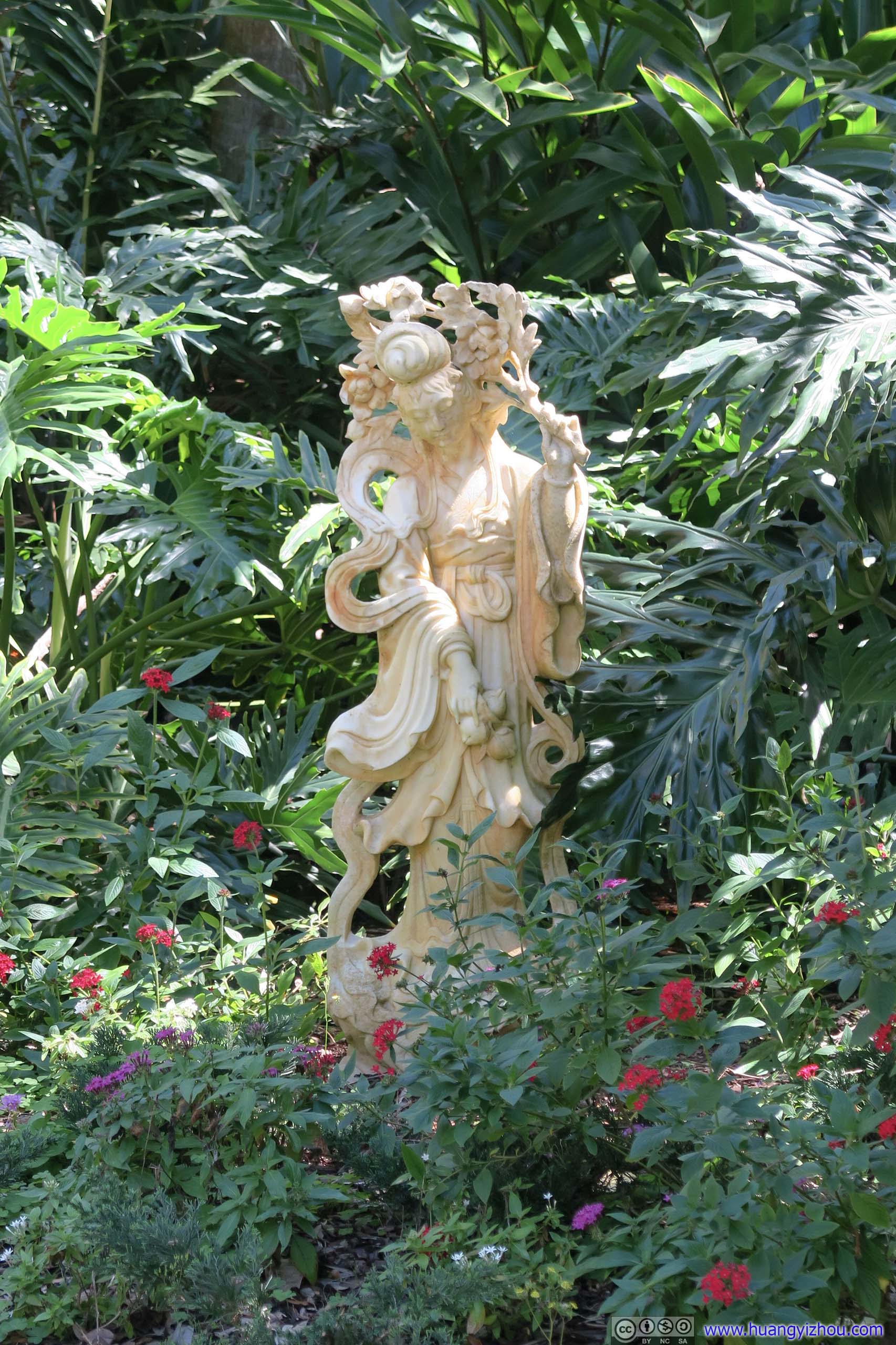
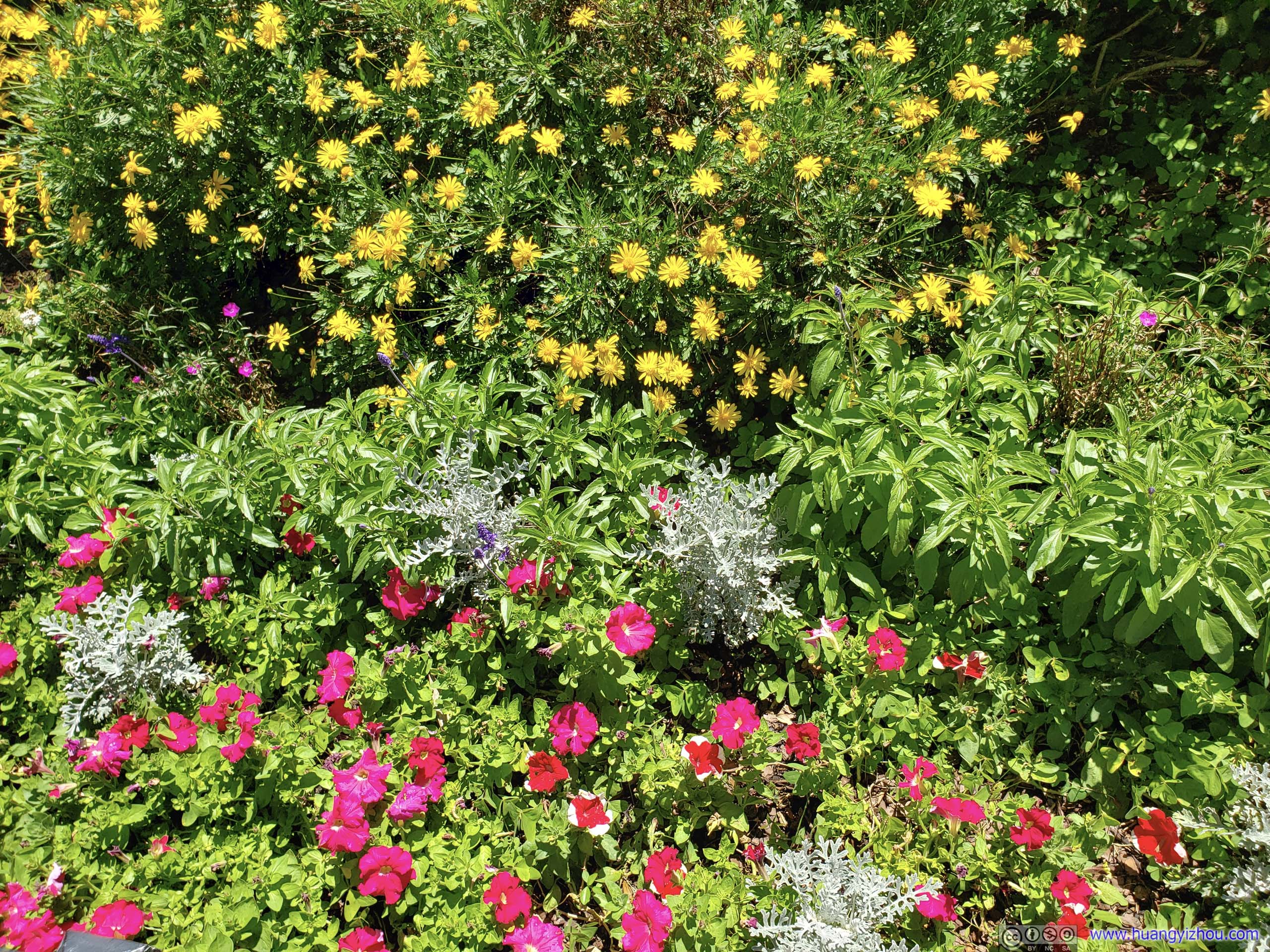
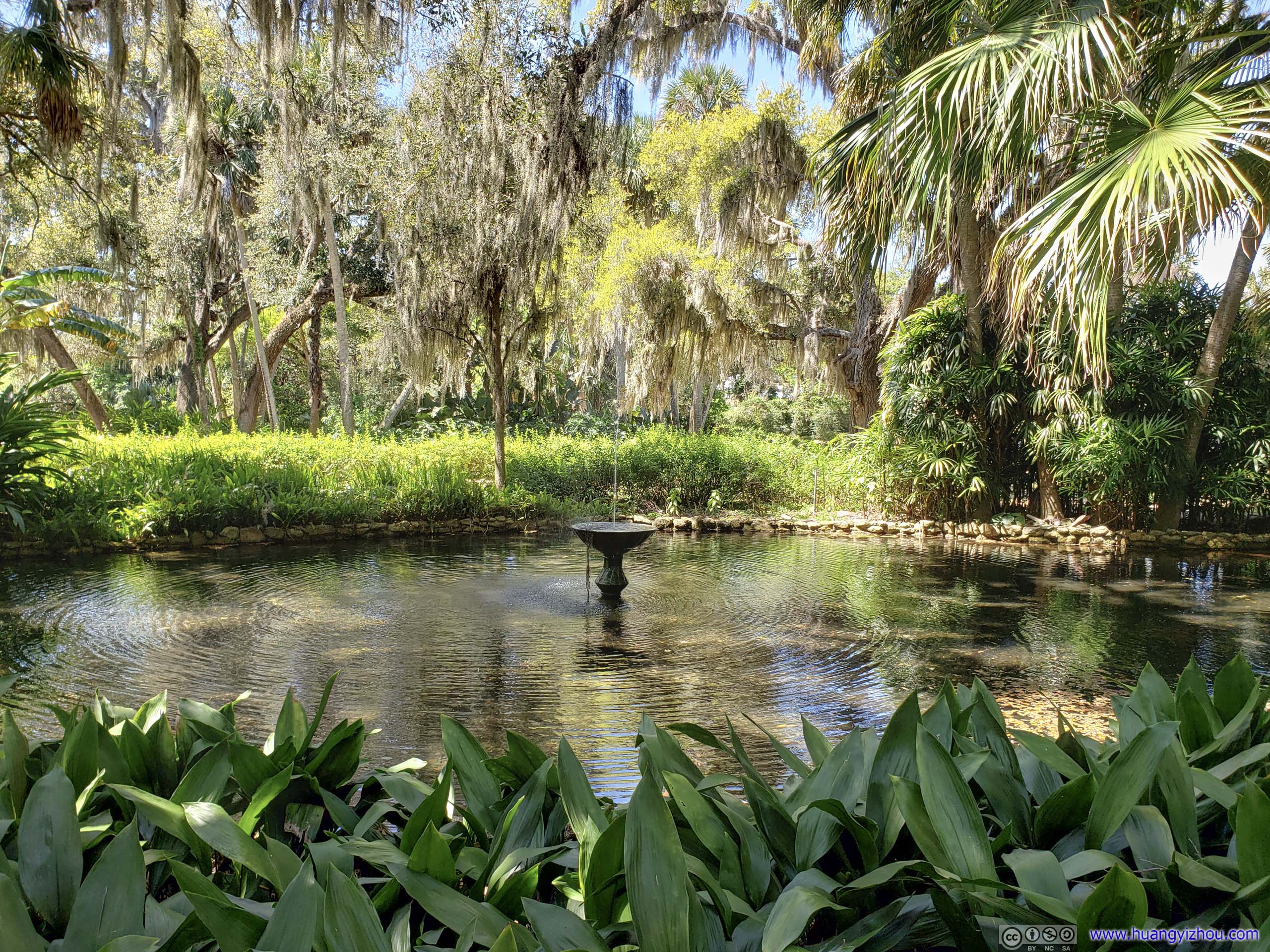
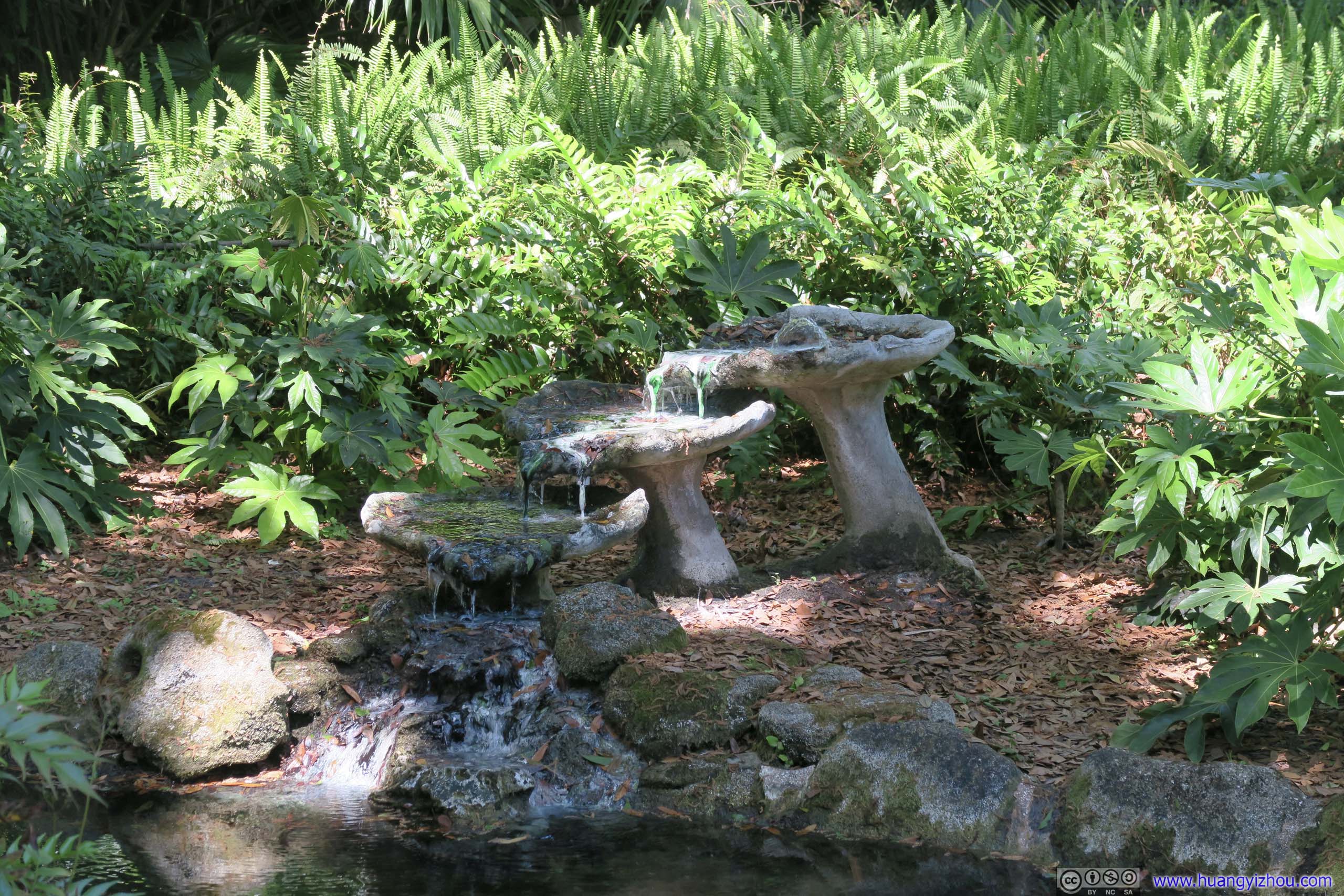
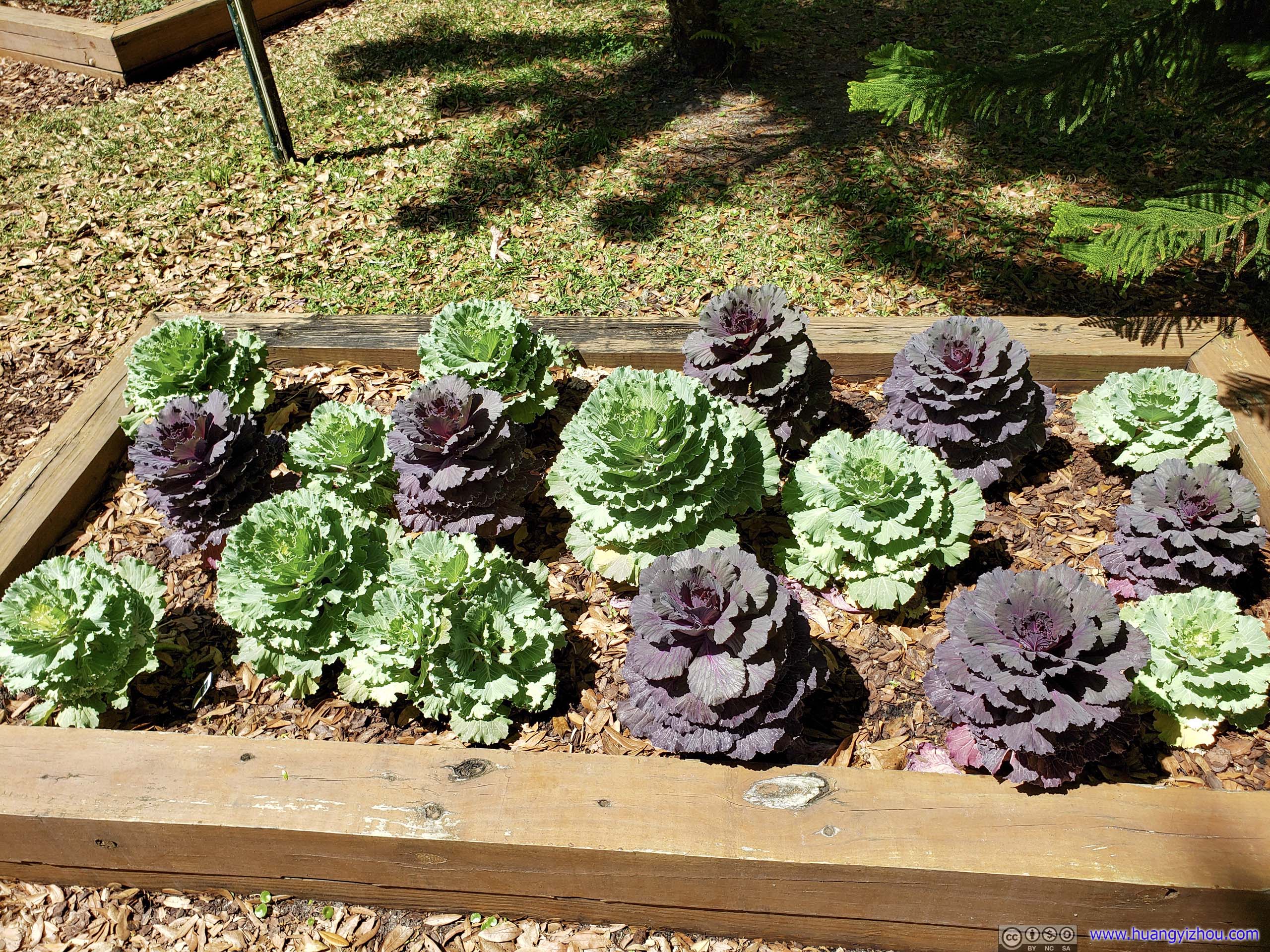
It seemed that staff here were following the trend of urban farming.
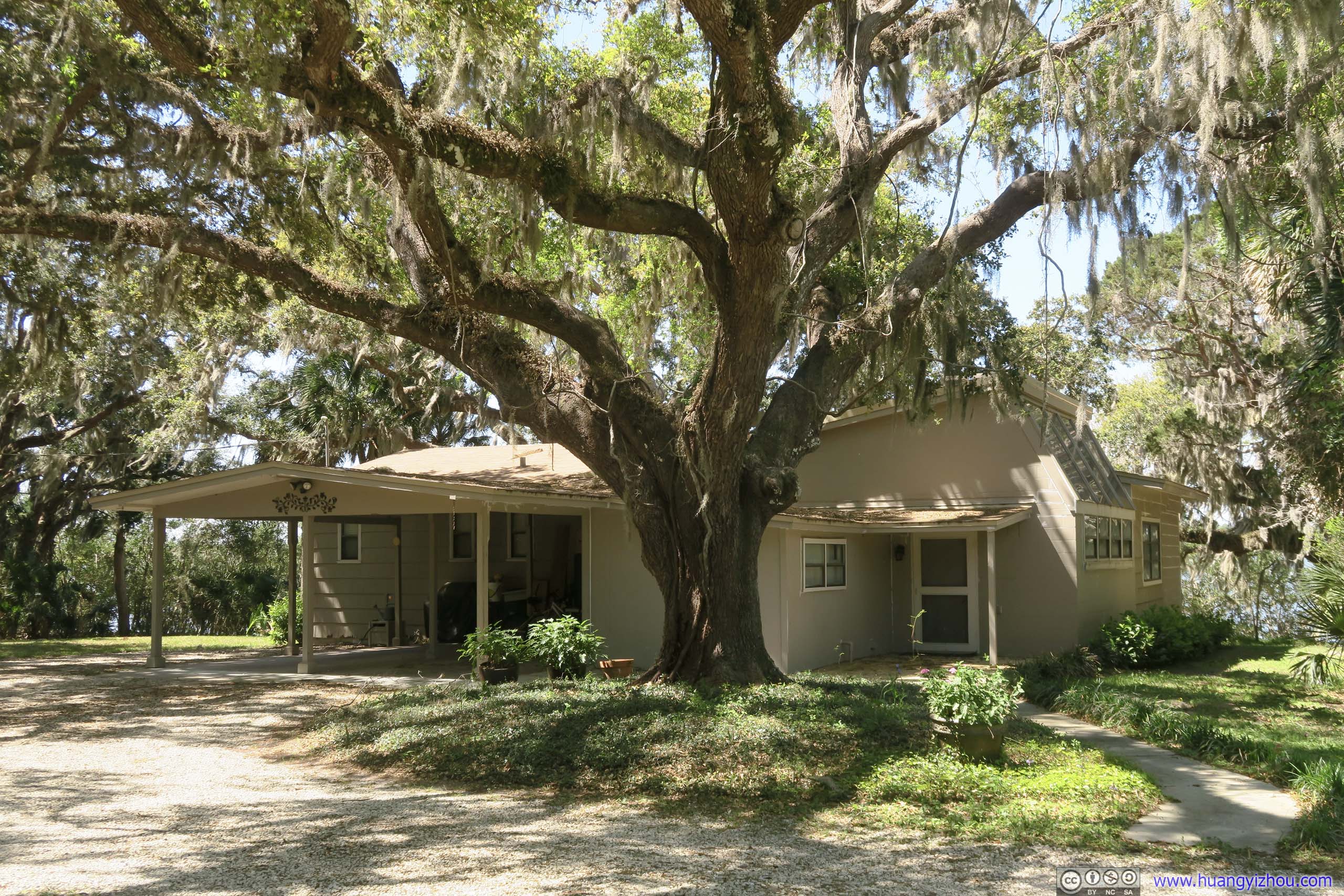
Constructed in the 1950 for the Young’s daughter, Virginia Powis Brown, who was a talented artist. Large skylights on the north (right, in this photo) side of the house fill the studio with natural light. Today it served as a private residence for park staff.
Most amazingly, the biodiversity here could rival that of a nature park.
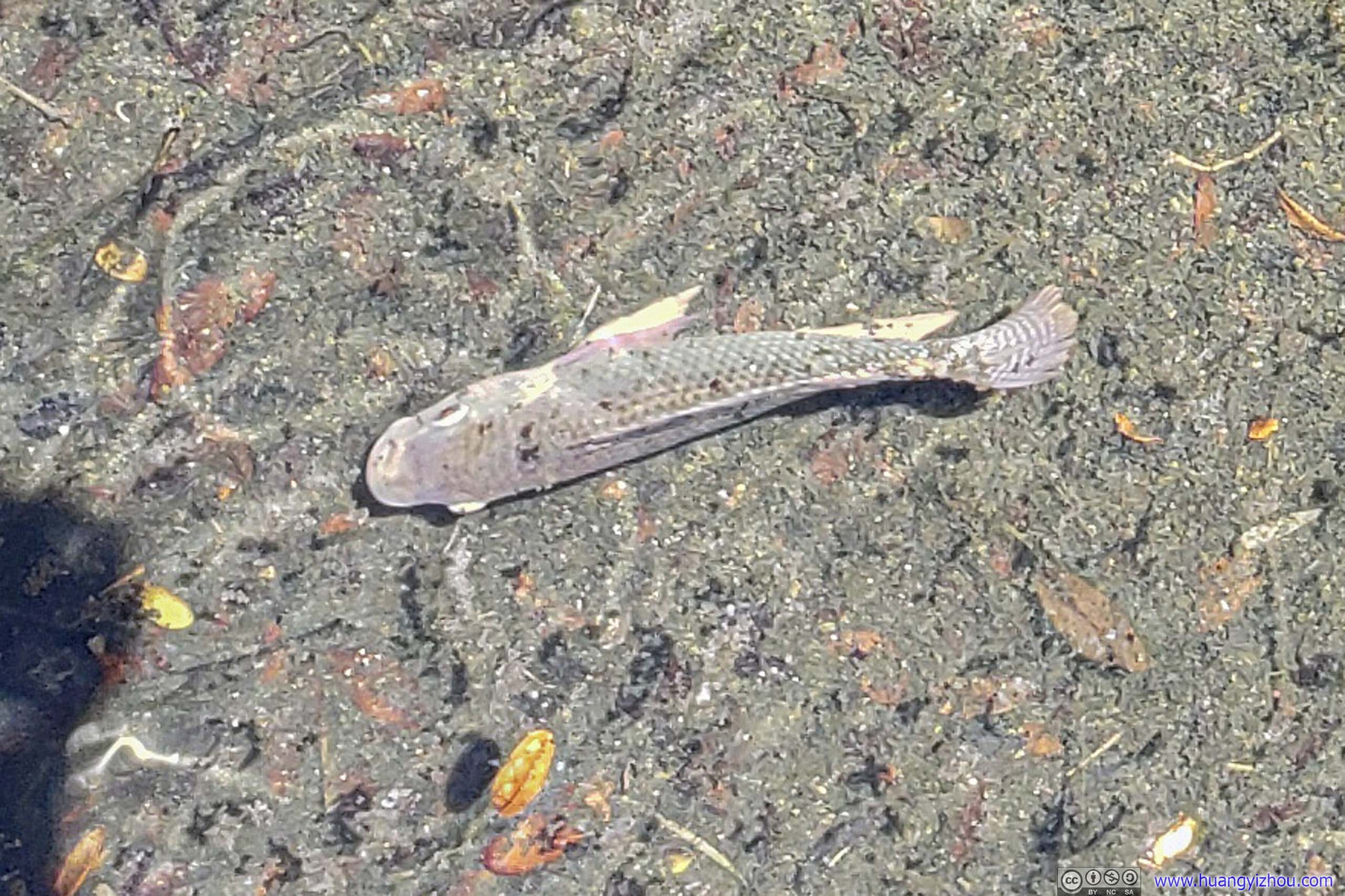
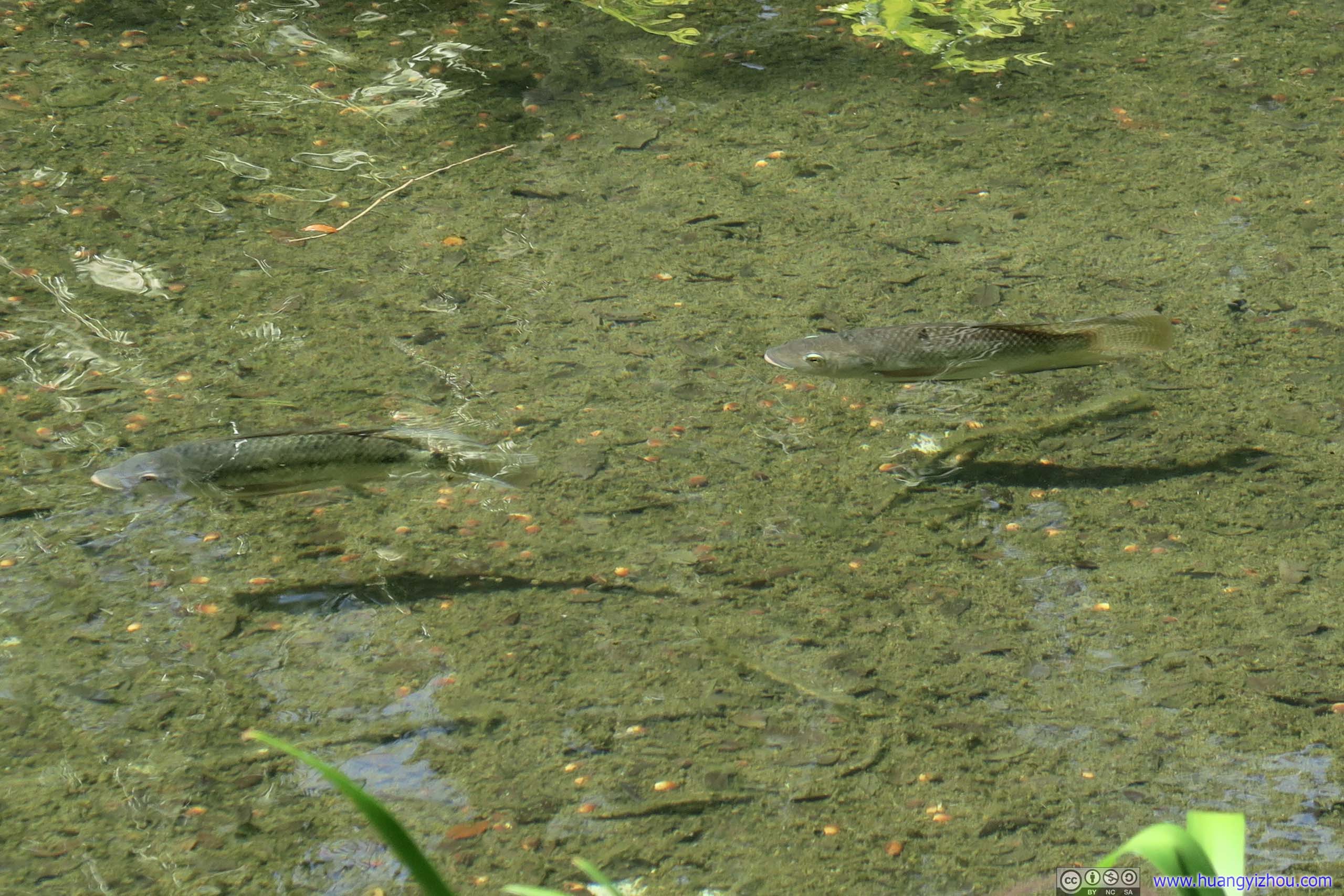
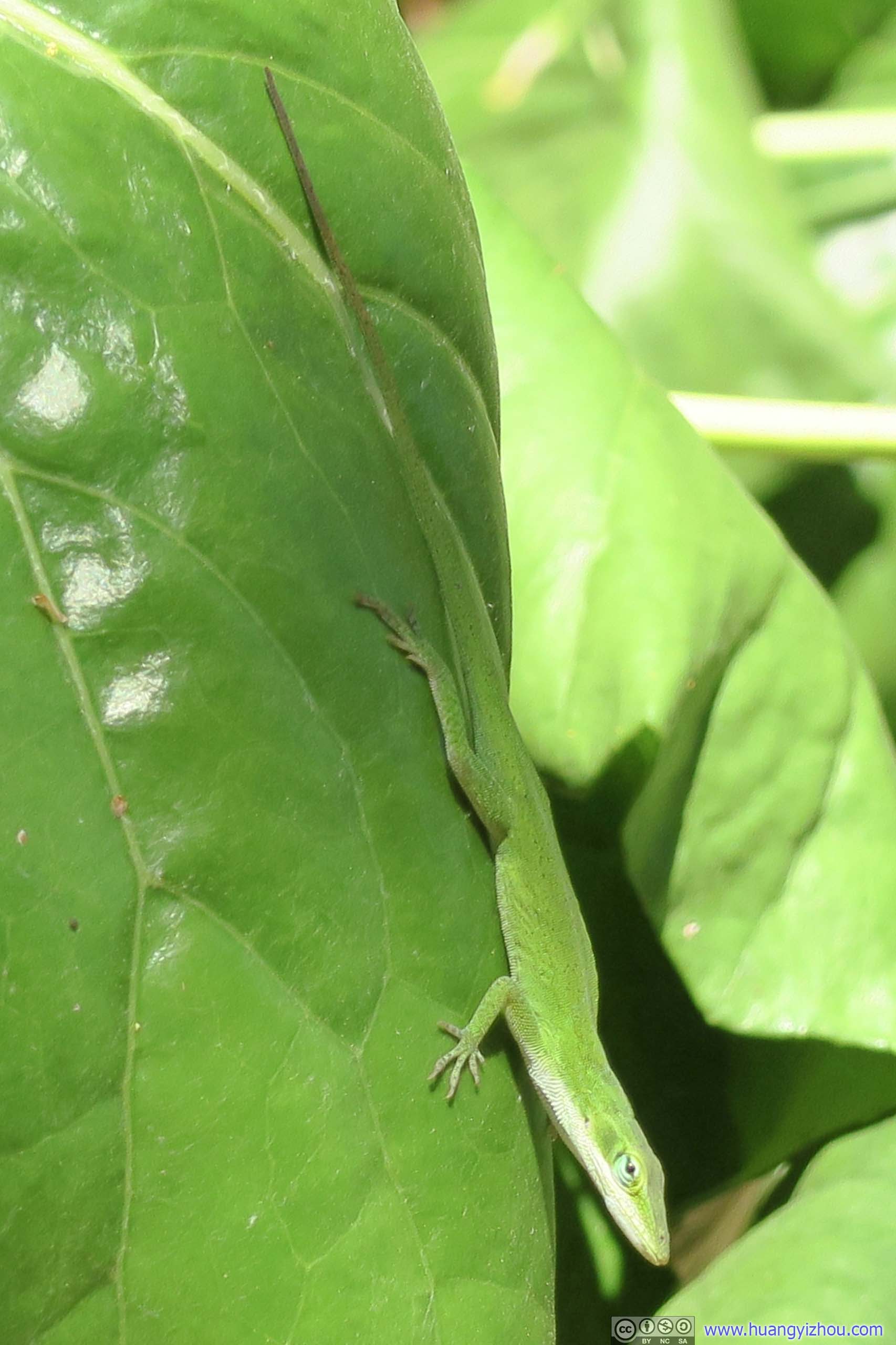
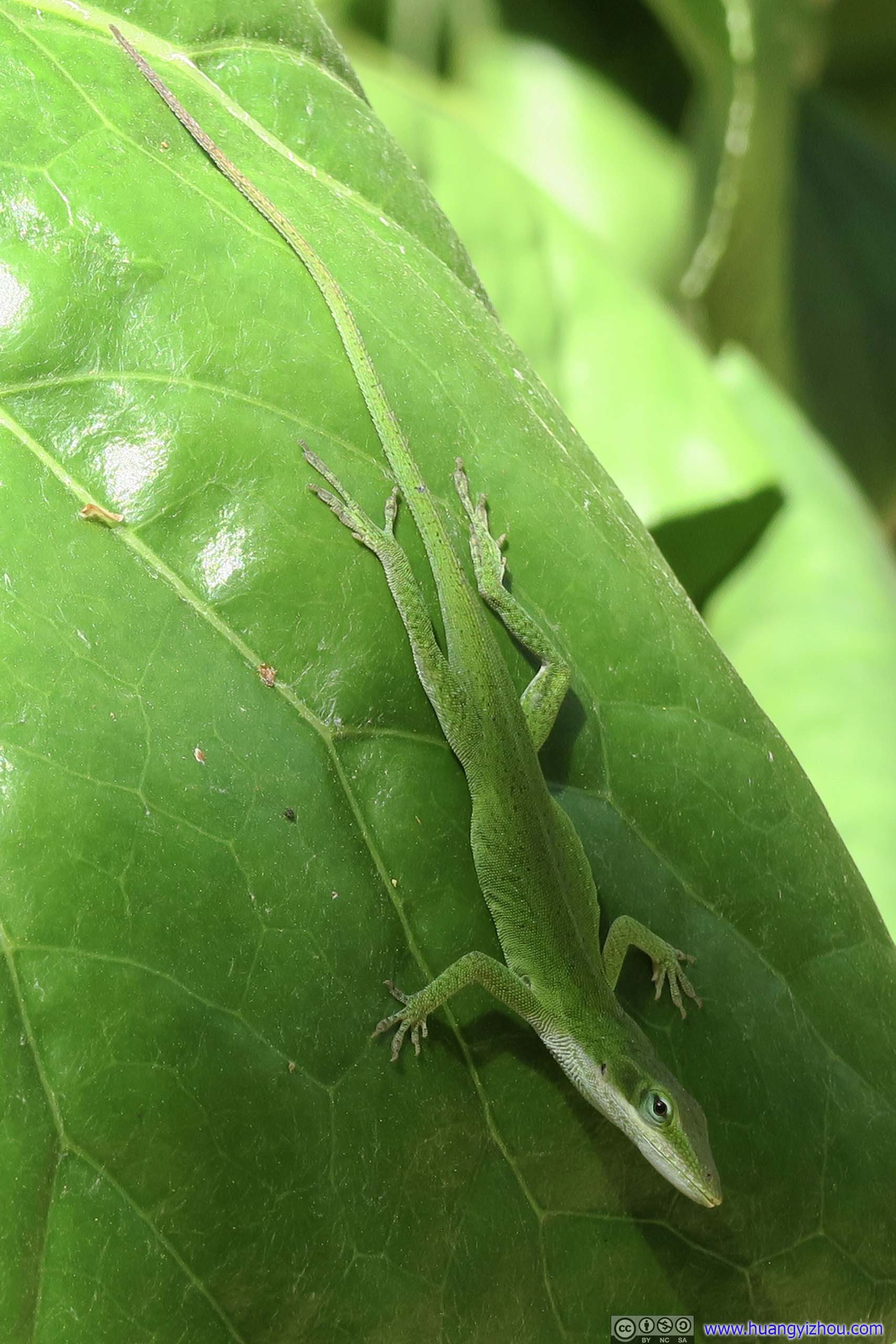
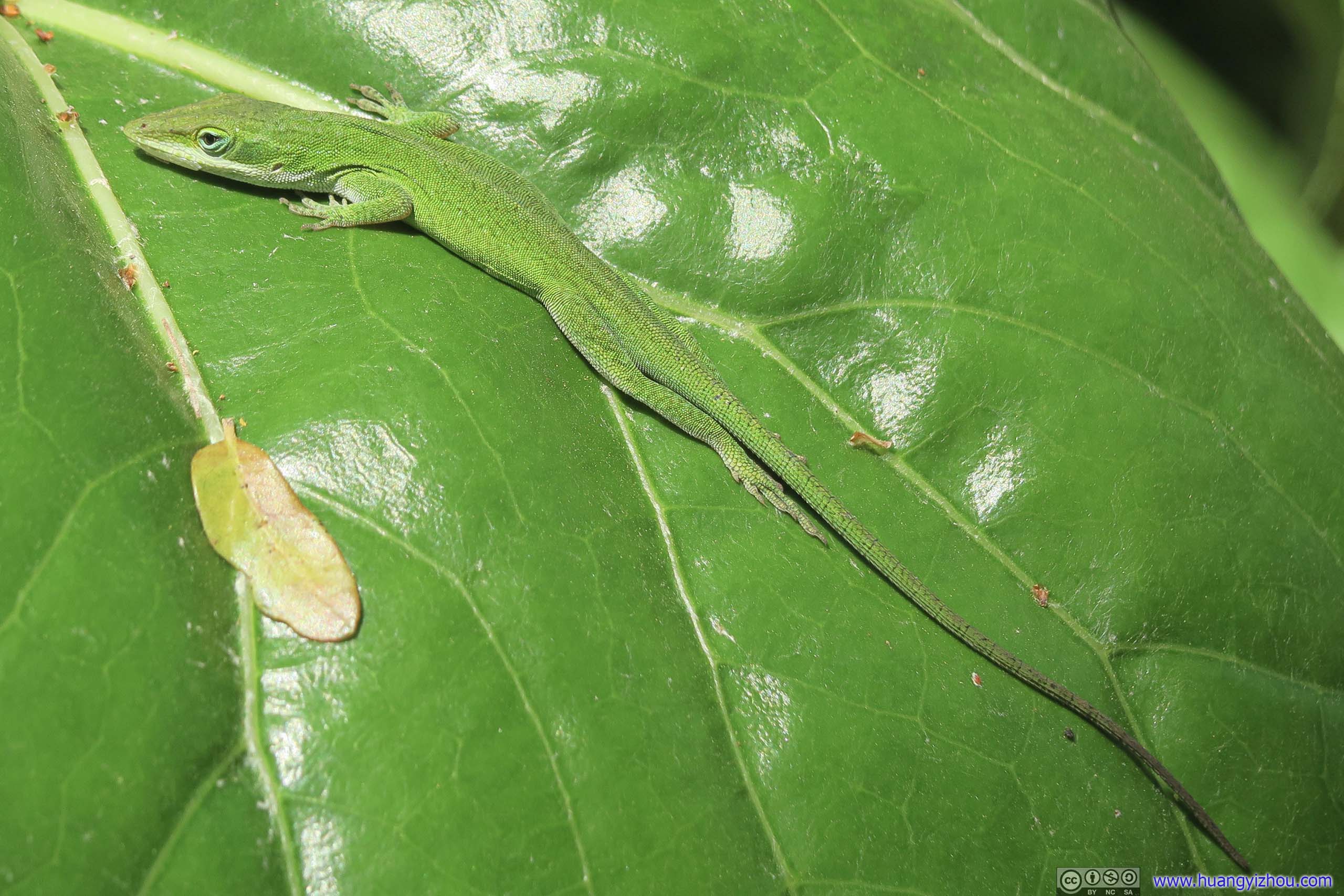
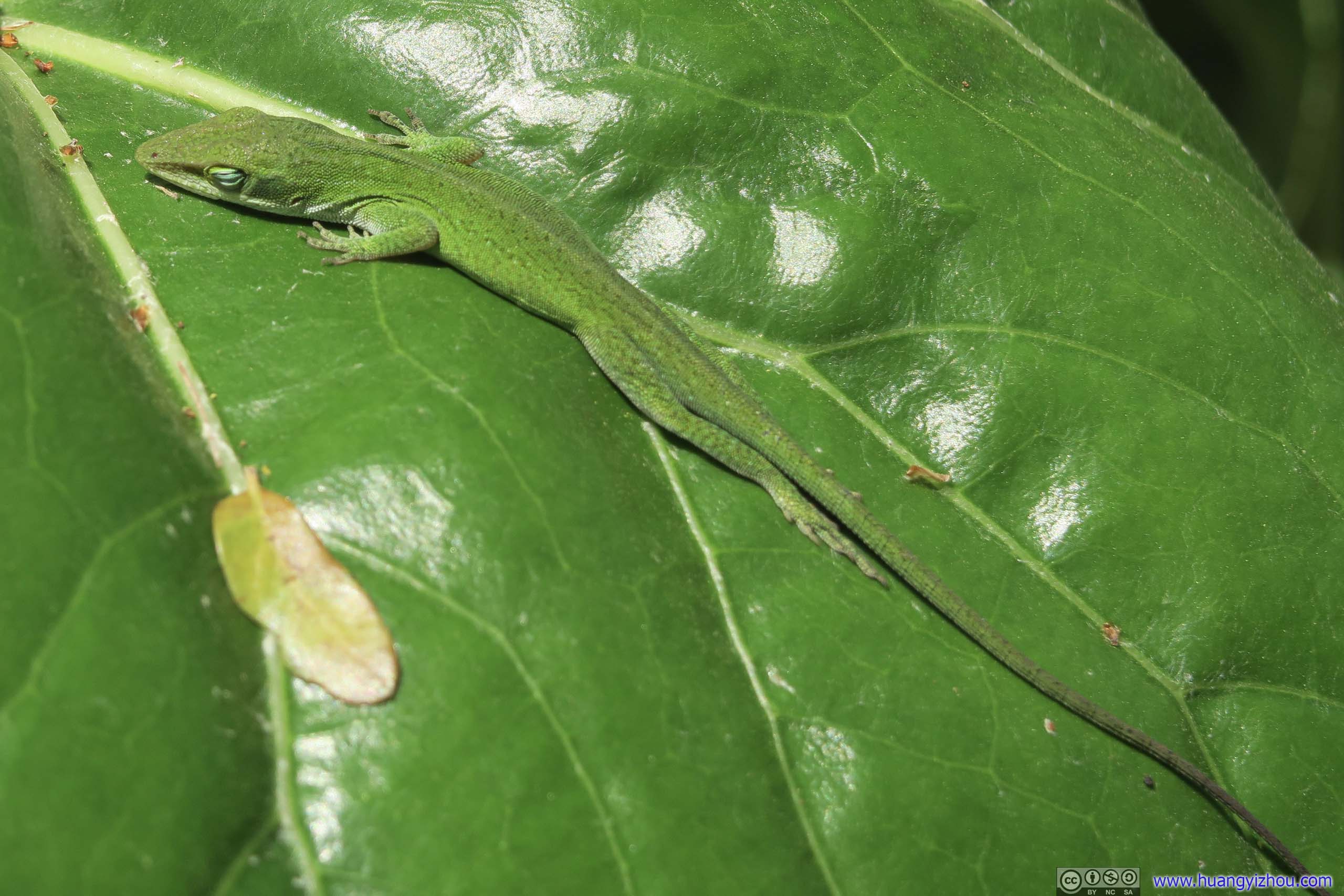
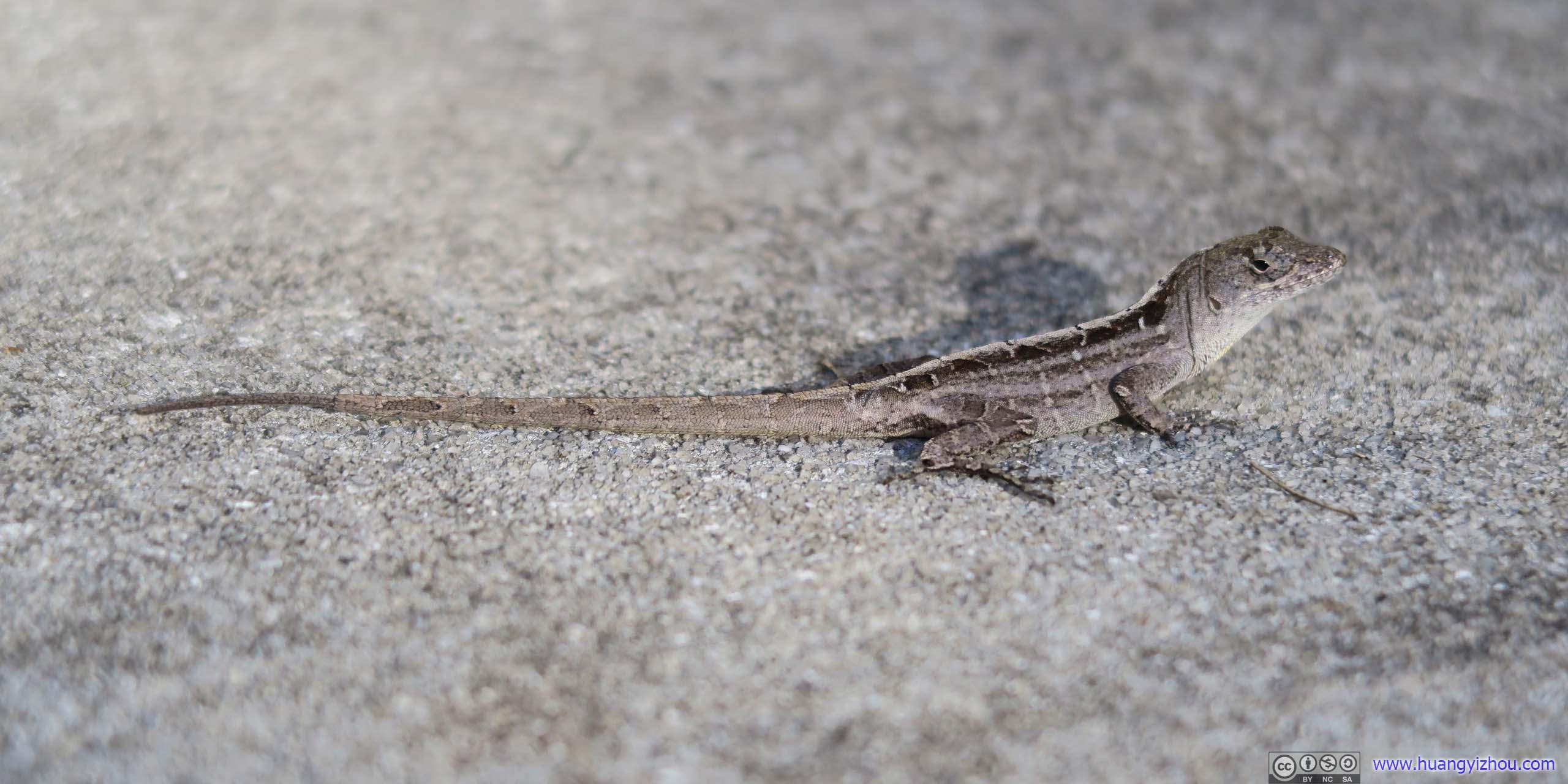
Lizard
After that, I checked out the park's trails.
At just over a mile long, the coastal loop trail was not that much a difficulty to cover, given the trail's flat and well-maintained. But it turned out to be rather underwhelming, as I quickly got bored of the constant scenery of trees with twisted branches.
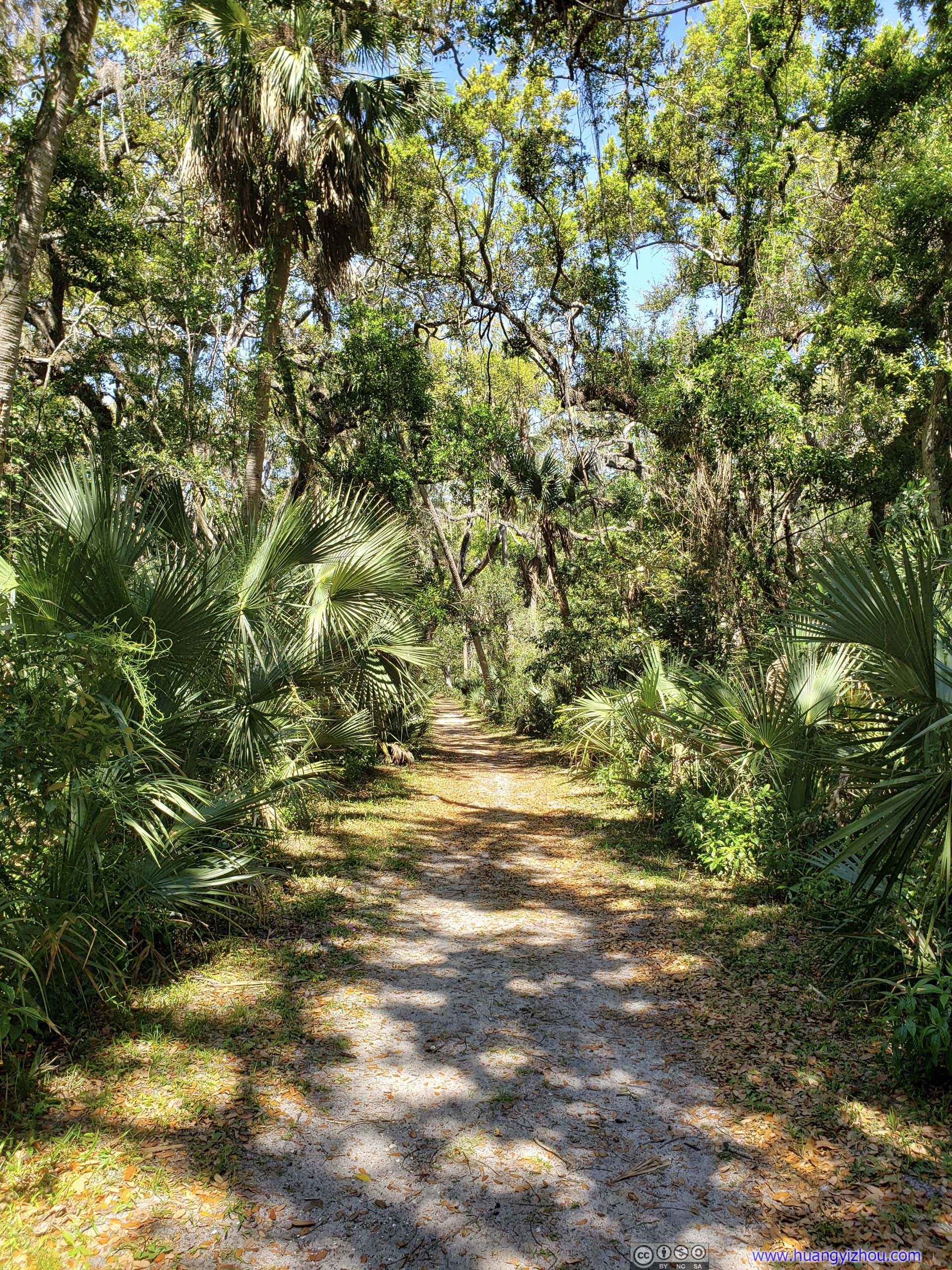
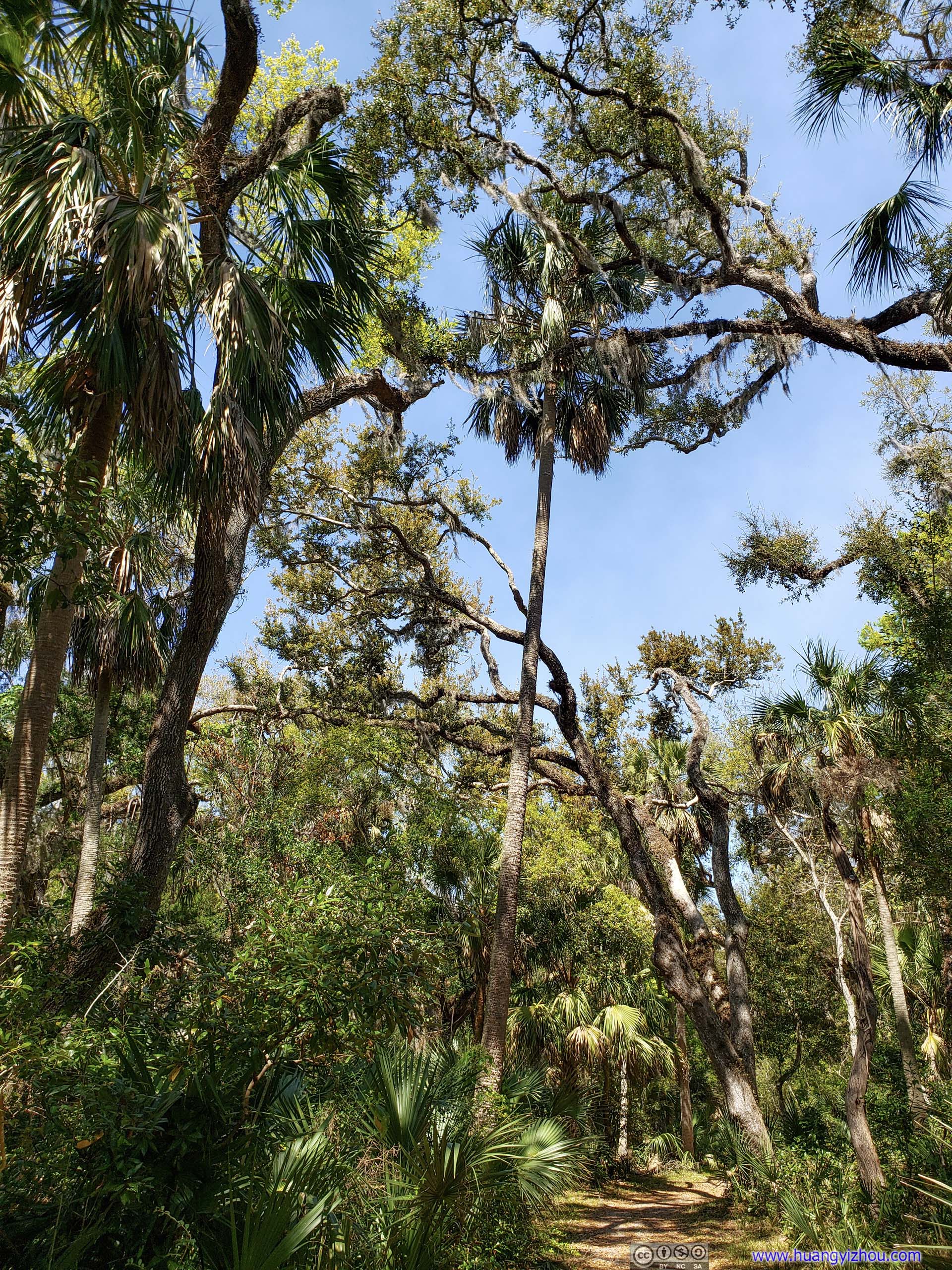
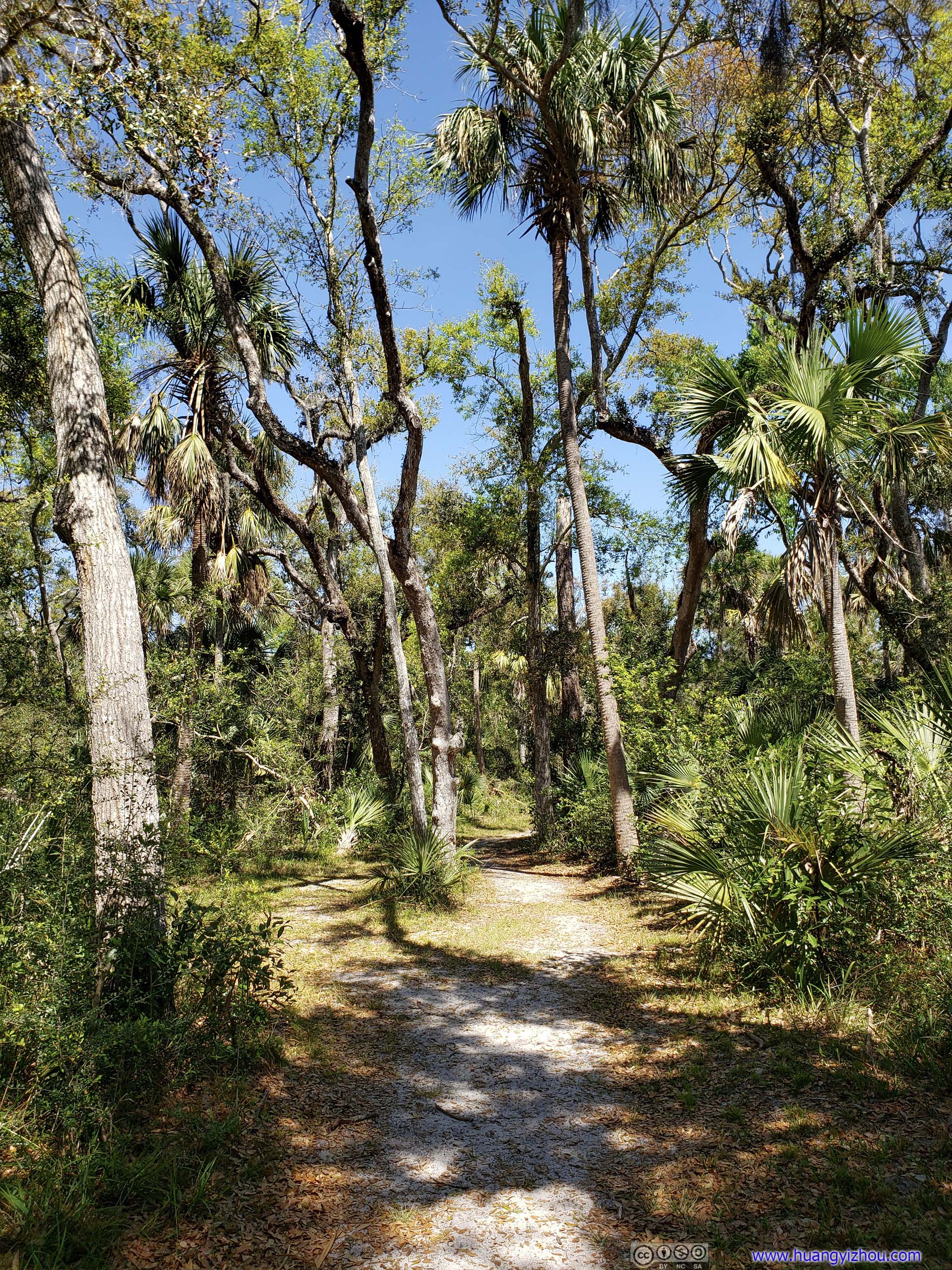

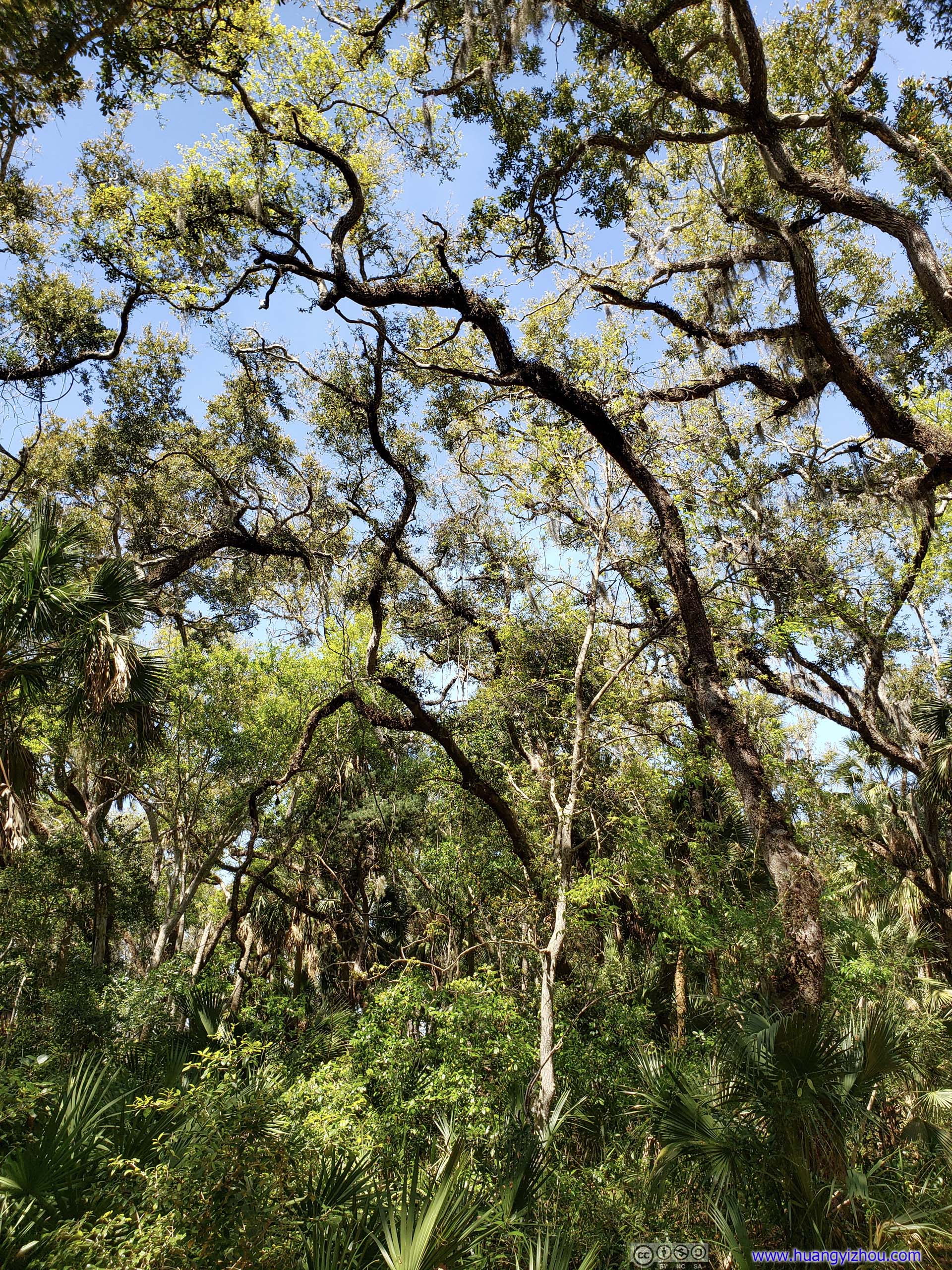
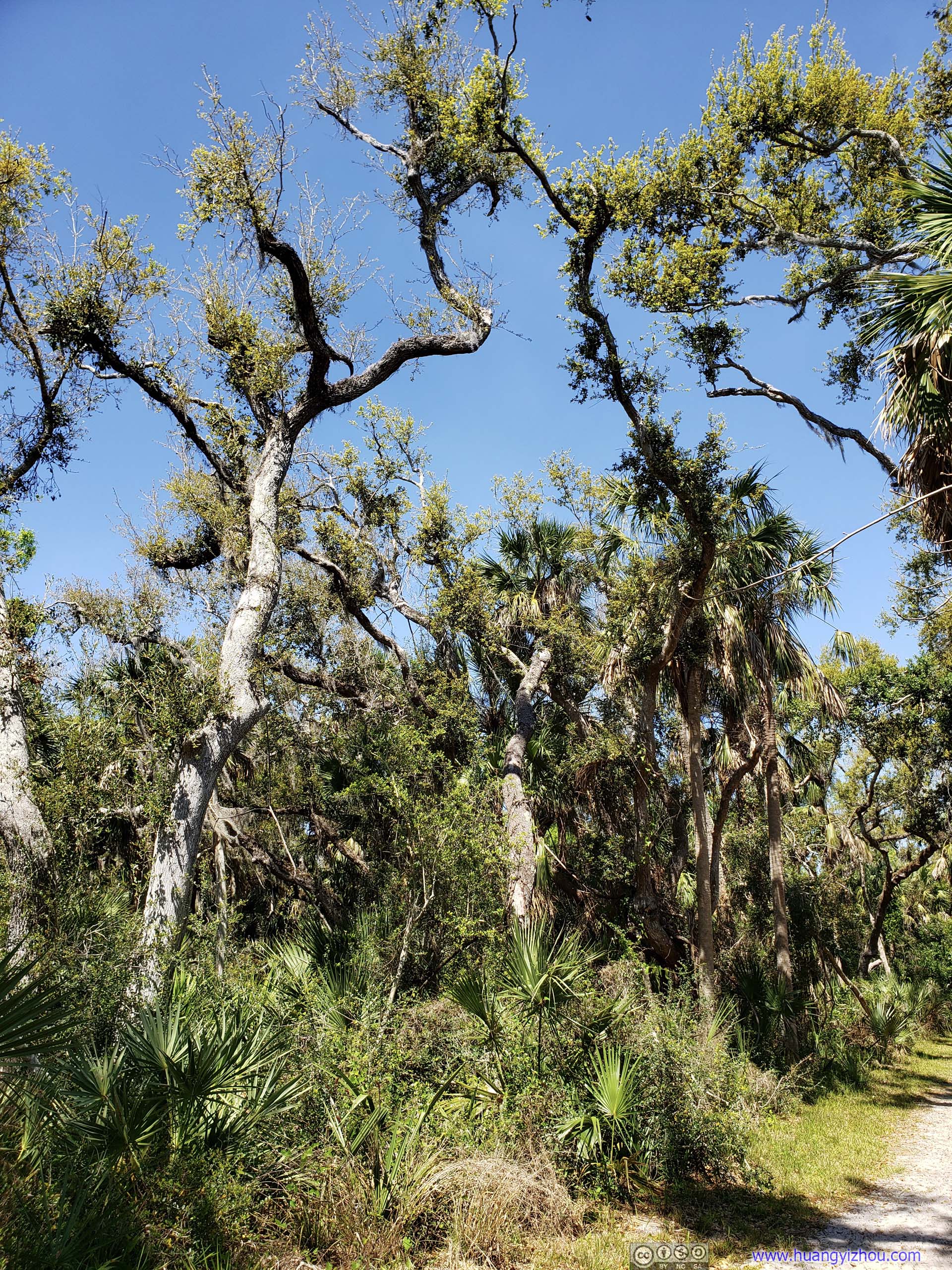
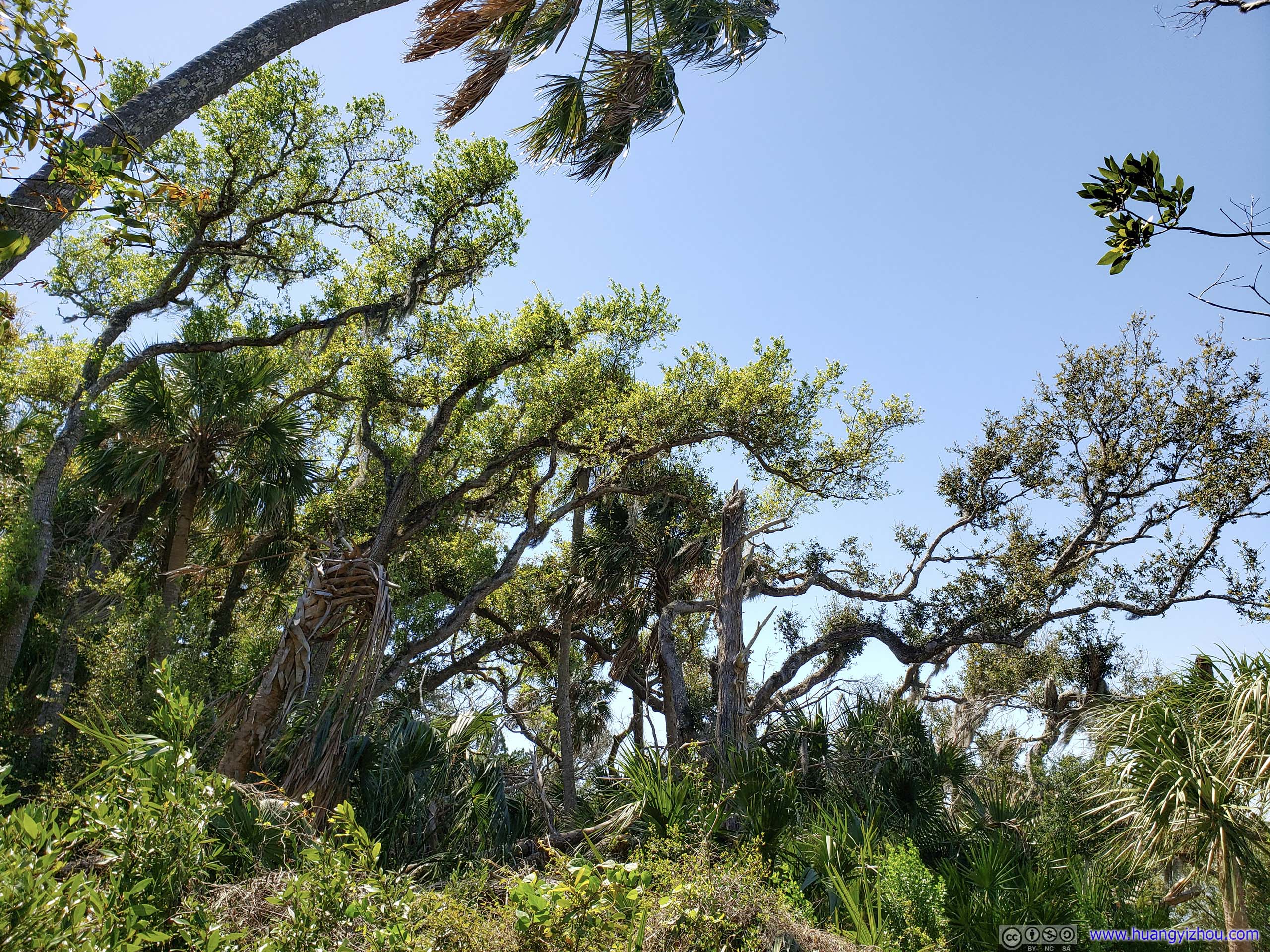
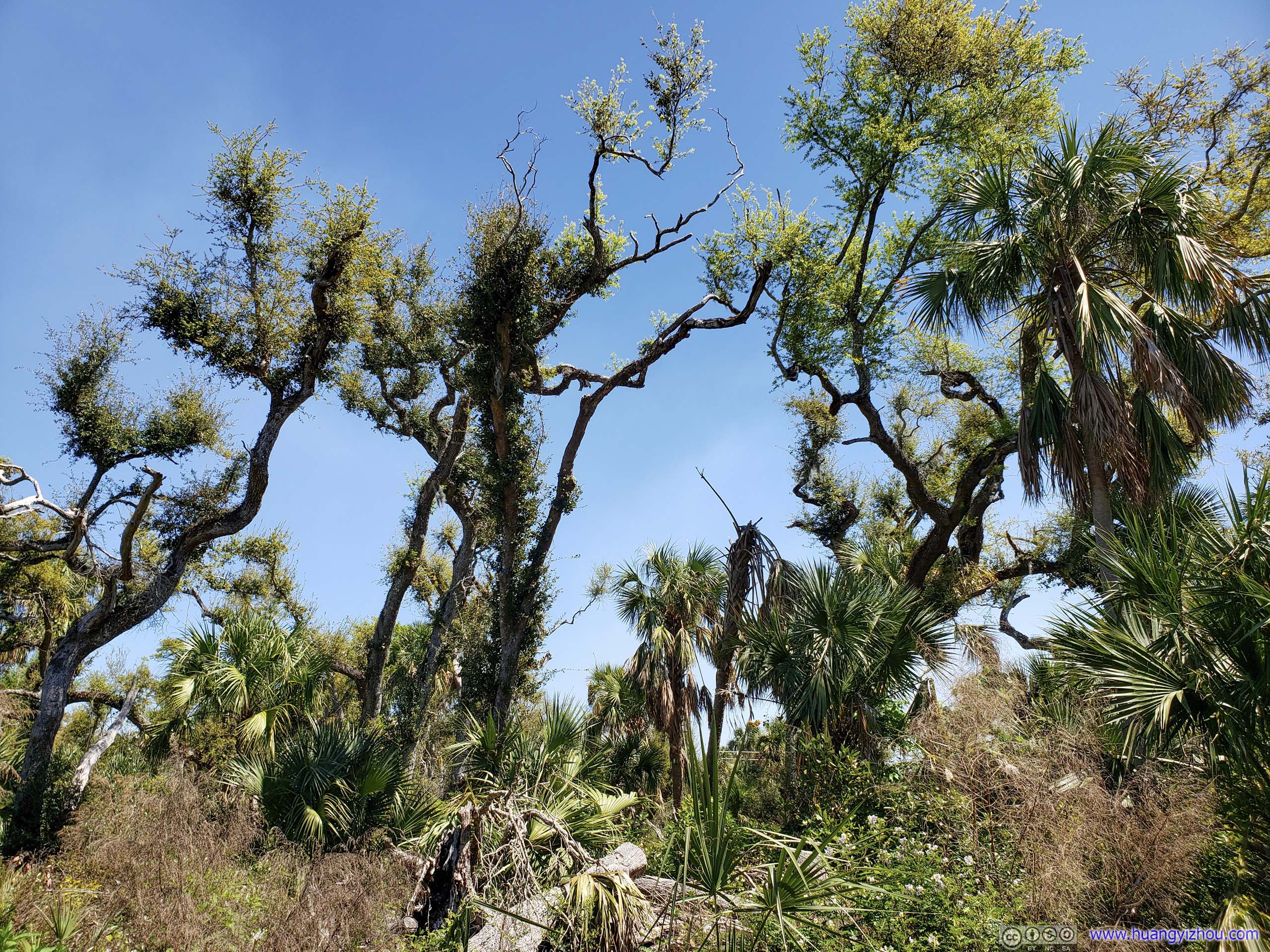
Twisted Tree
The second part of the trail was along the original Route A1A, which was constructed in 1926 and passed by the footstep of Young’s house. It was moved in 1955 to its current route farther east at the request of Mr. Young.
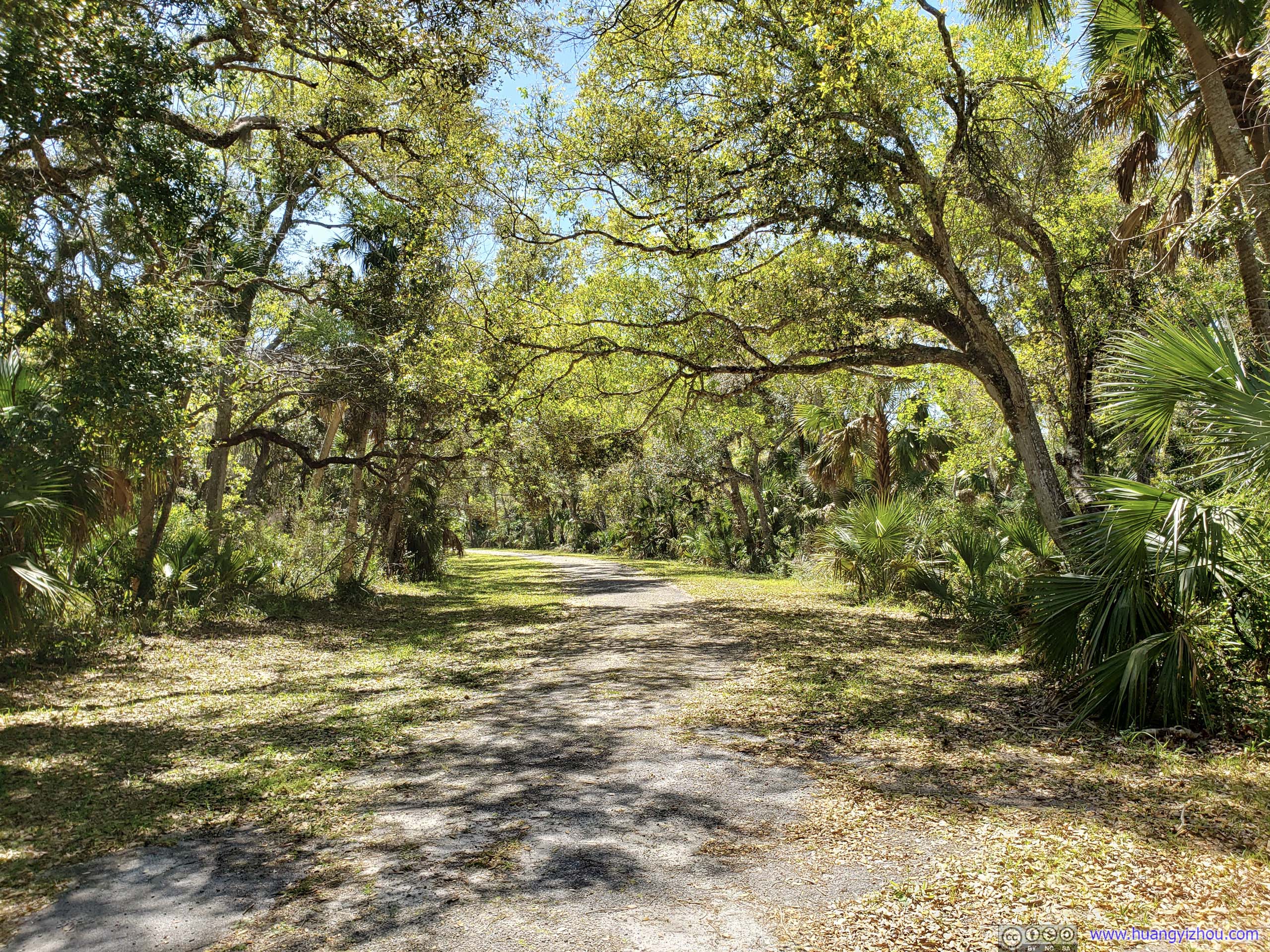
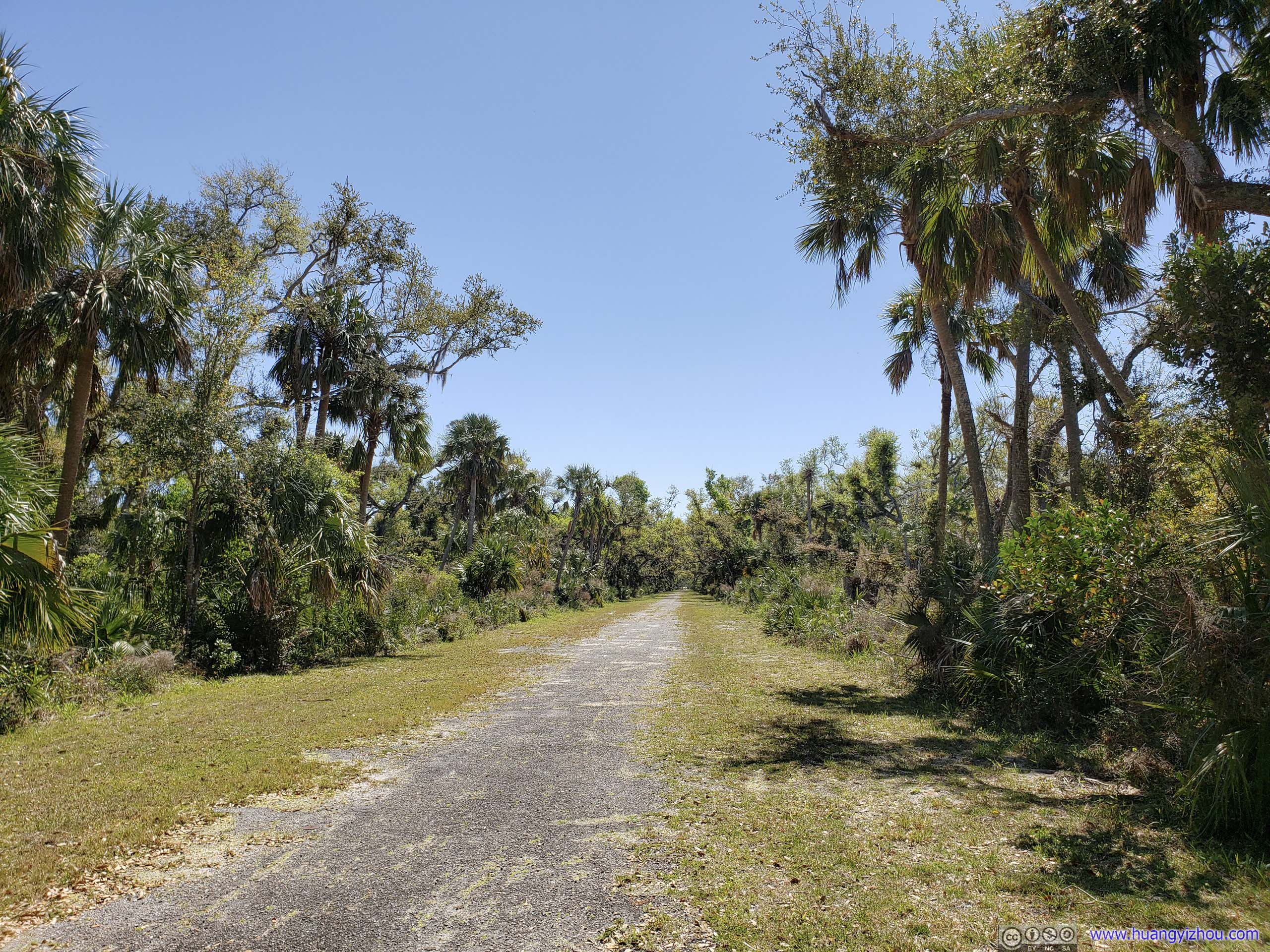
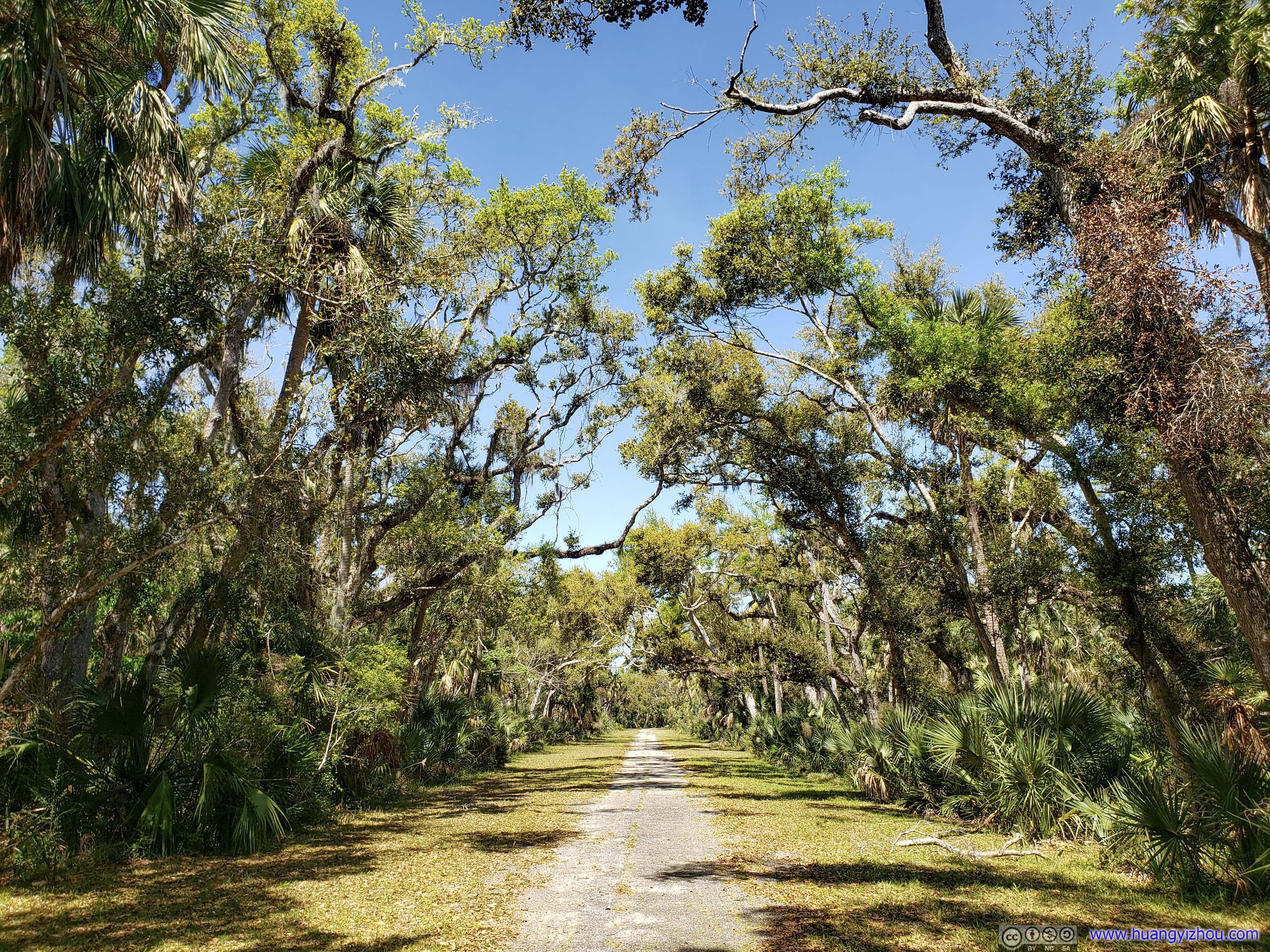
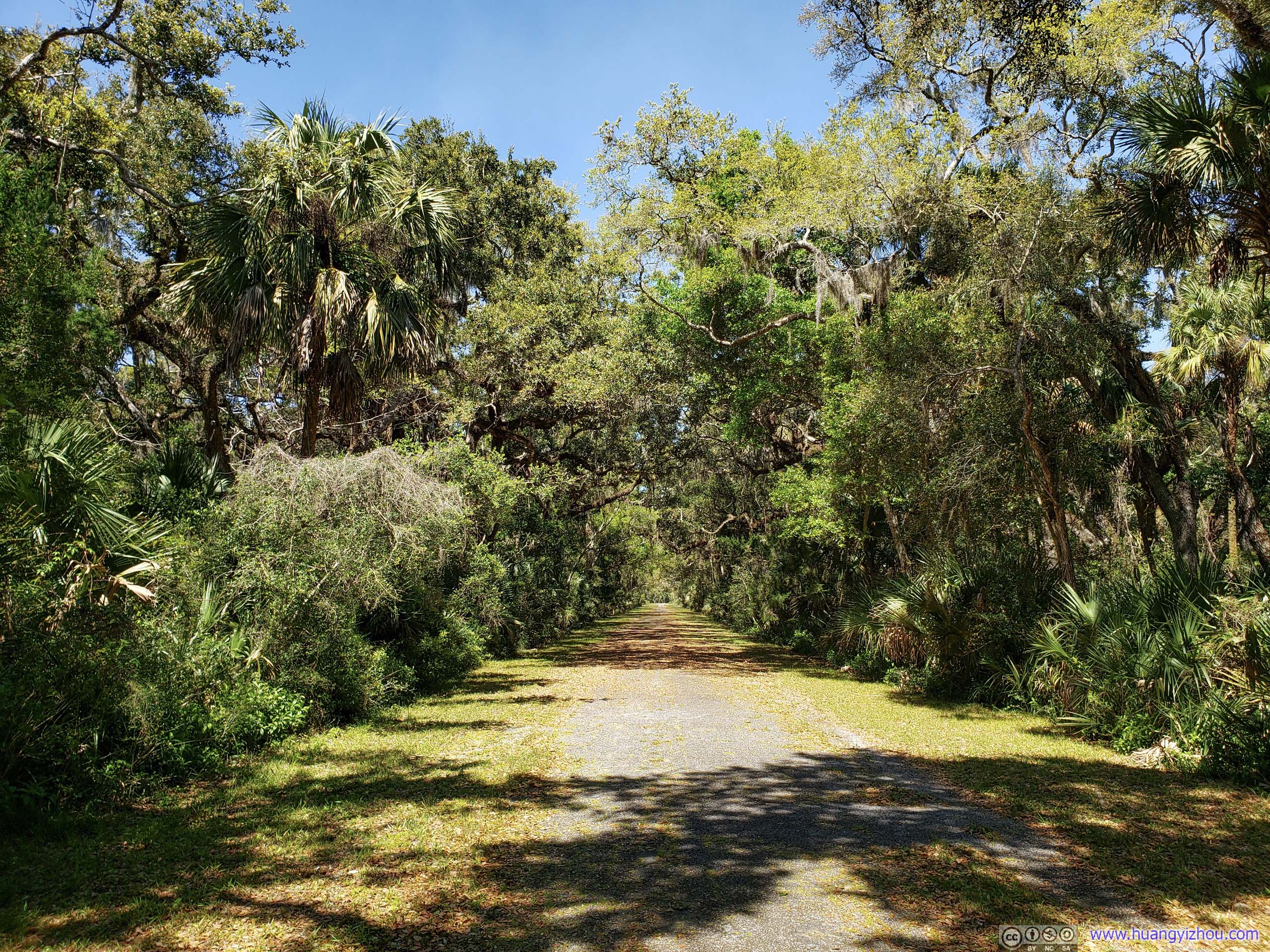
Trail / Old A1A
After that, I took a brief tour of remaining parts of the park.
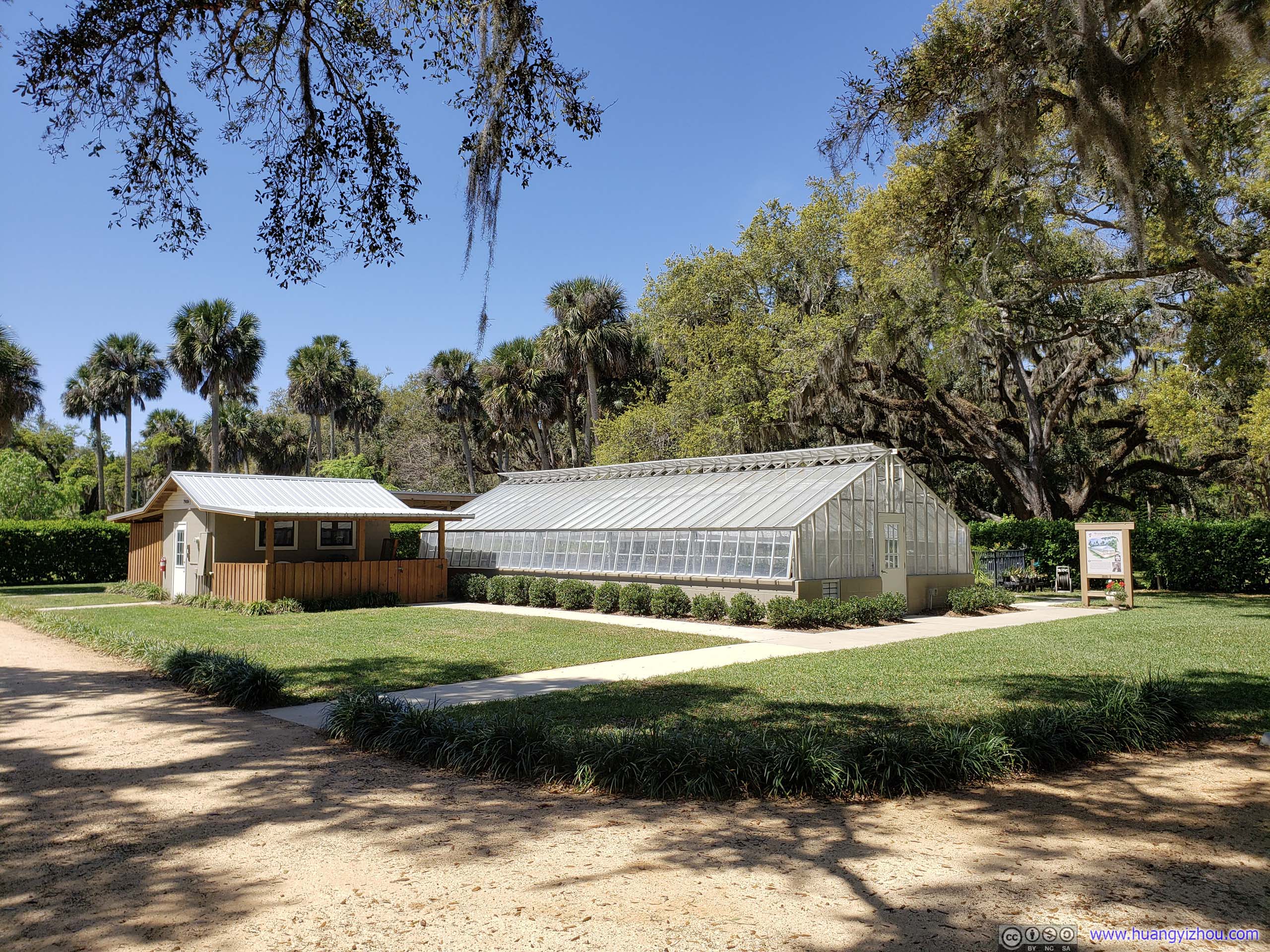

Initially erected in the late 1940s from a prefabricated kit and restored in 2011, the greenhouse sheltered Young’s treasured orchids. Potted orchids in bloom were brought into the house for interior decoration and gifting.
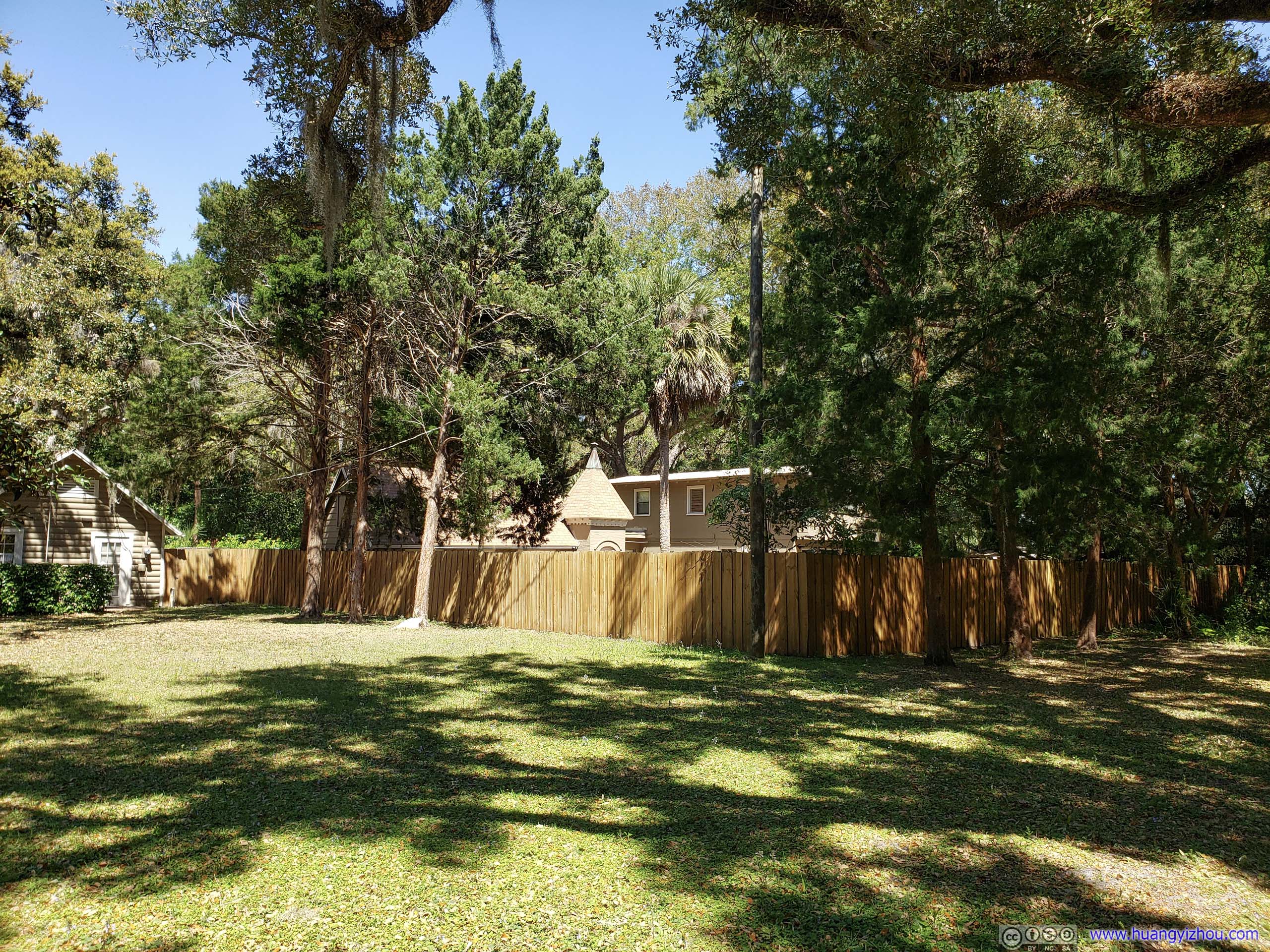
The young family had several staff members to tend to the gardens, orchards, buildings and farm animals. The caretaker’s residence included an unusual addition, a smokehouse with a steep pyramidal copper roof. Francisco Lopez, a long-term servant of the Young family for 45 years, used the smokehouse to prepare wild hogs, venison, and mullet for the Young’s barbeque picnics.
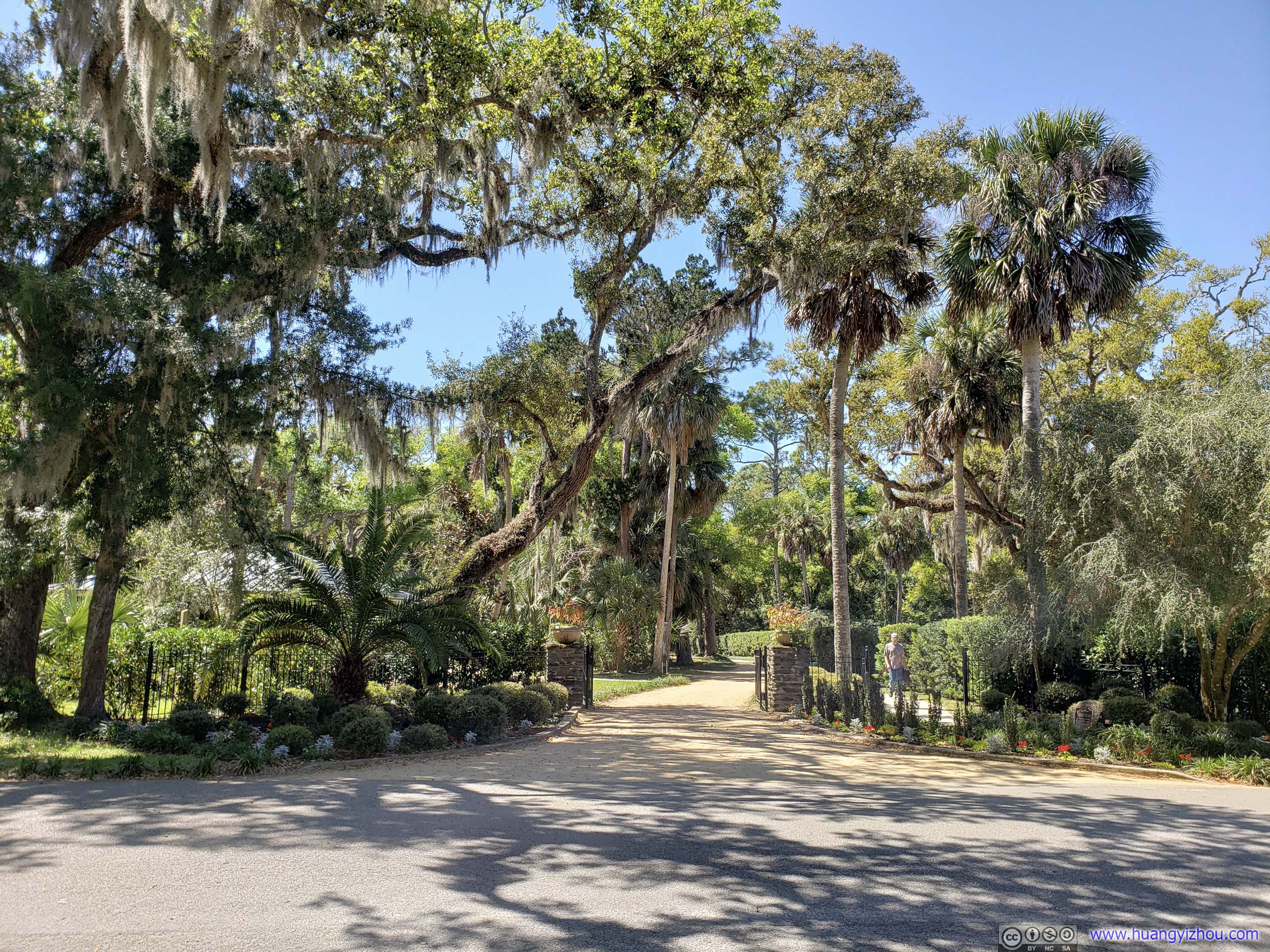
The columns were made of Coquina, which was a sedimentary rock made by sand, shells and water that’s abundant nearby. This used to be the entrance to the property until A1A got rerouted in 1955.
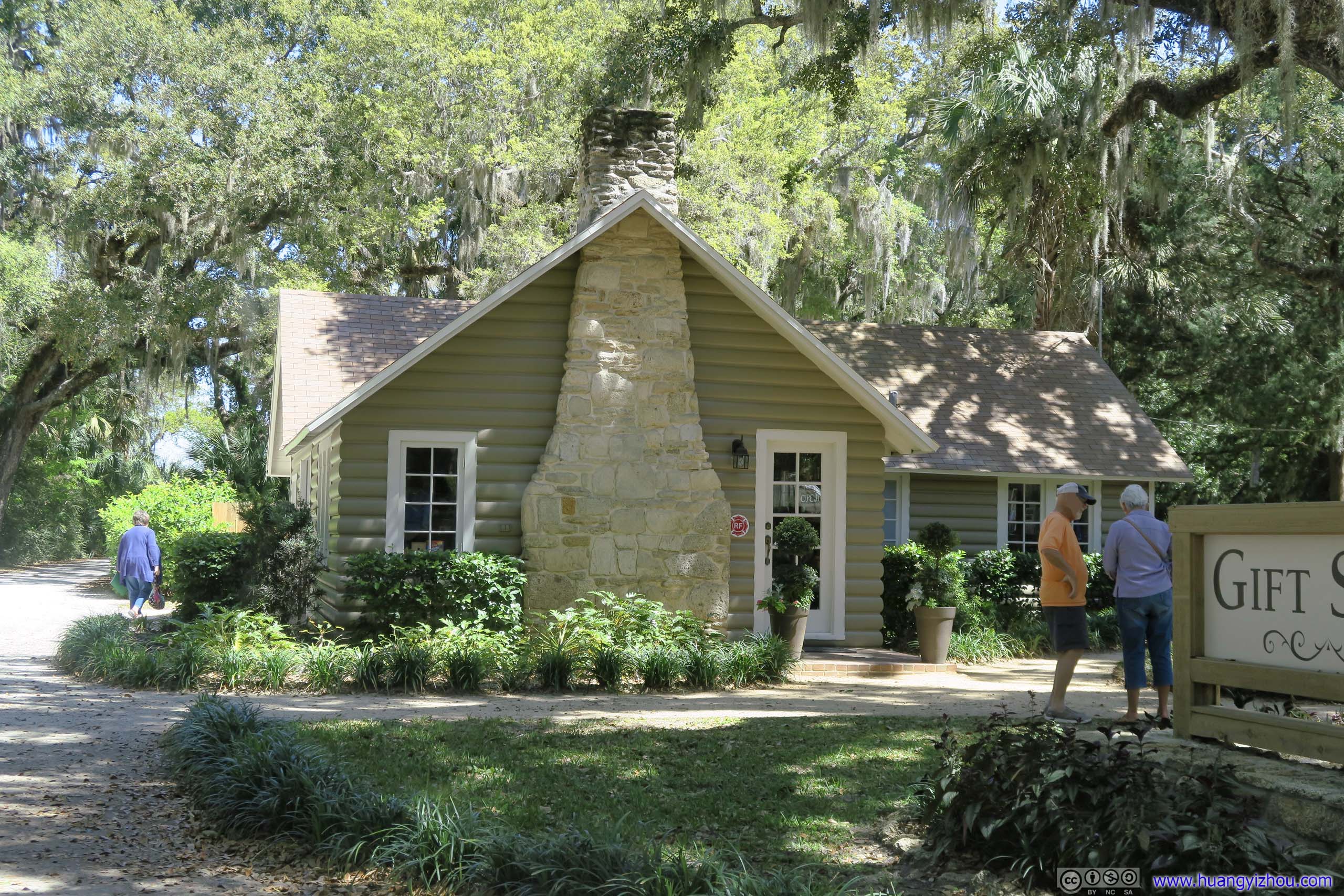
Erected in the 1940s to serve as Owen Young’s office. The original three-room log cabin was constructed from a prefabricated kit. A small windowless interior room served as a dark room for his photography. The cabin also included a small bedroom and bathroom. The rear room was a long screened floorless porch used to wash and process citrus and other farm products, which Mr. Young sold from a stand on the corner of old A1A.
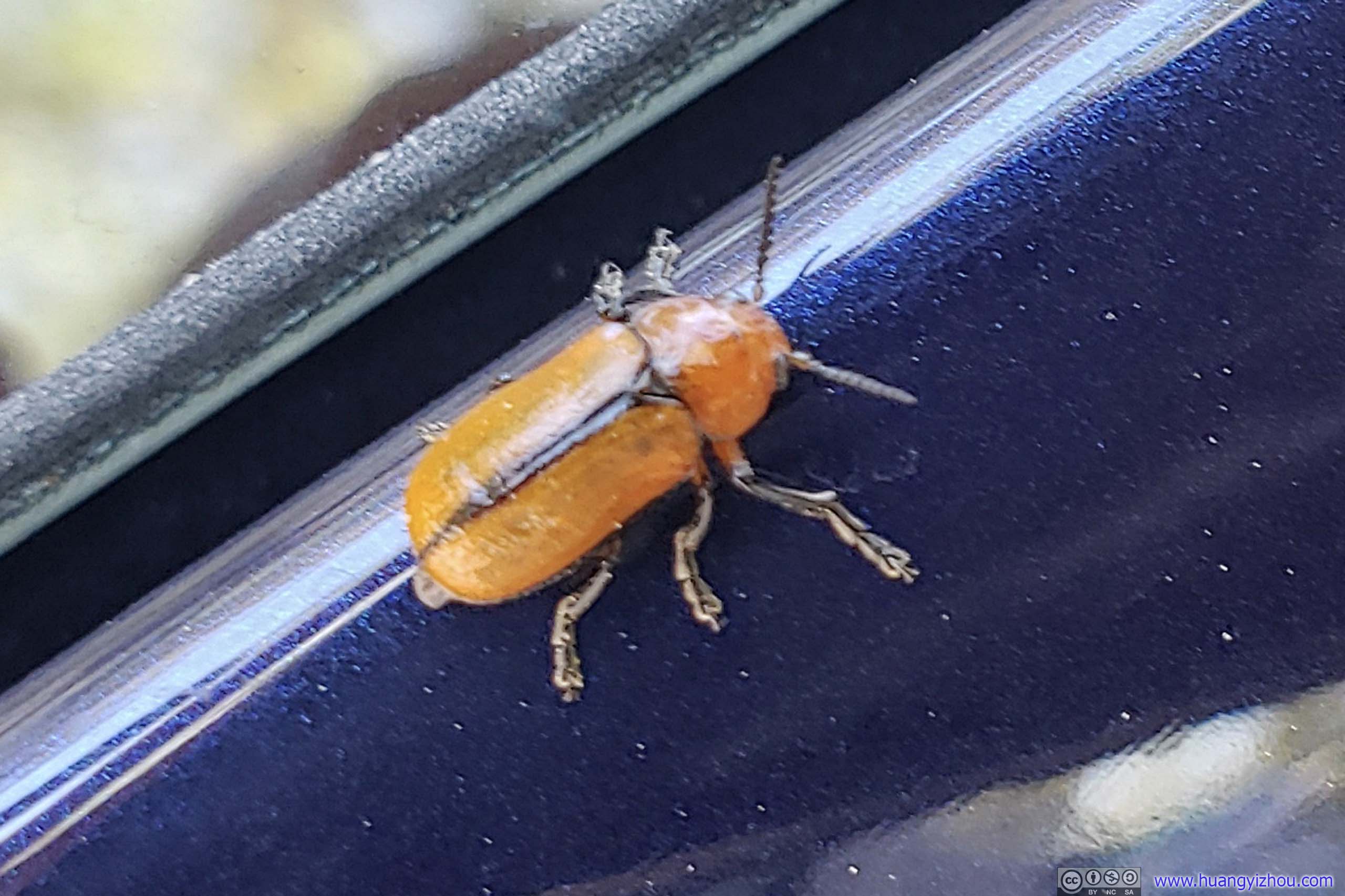
Being paranoid about bugs, I dusted it off before entering my car.
Then I moved on to my next stop of the day, Fort Matanzas.
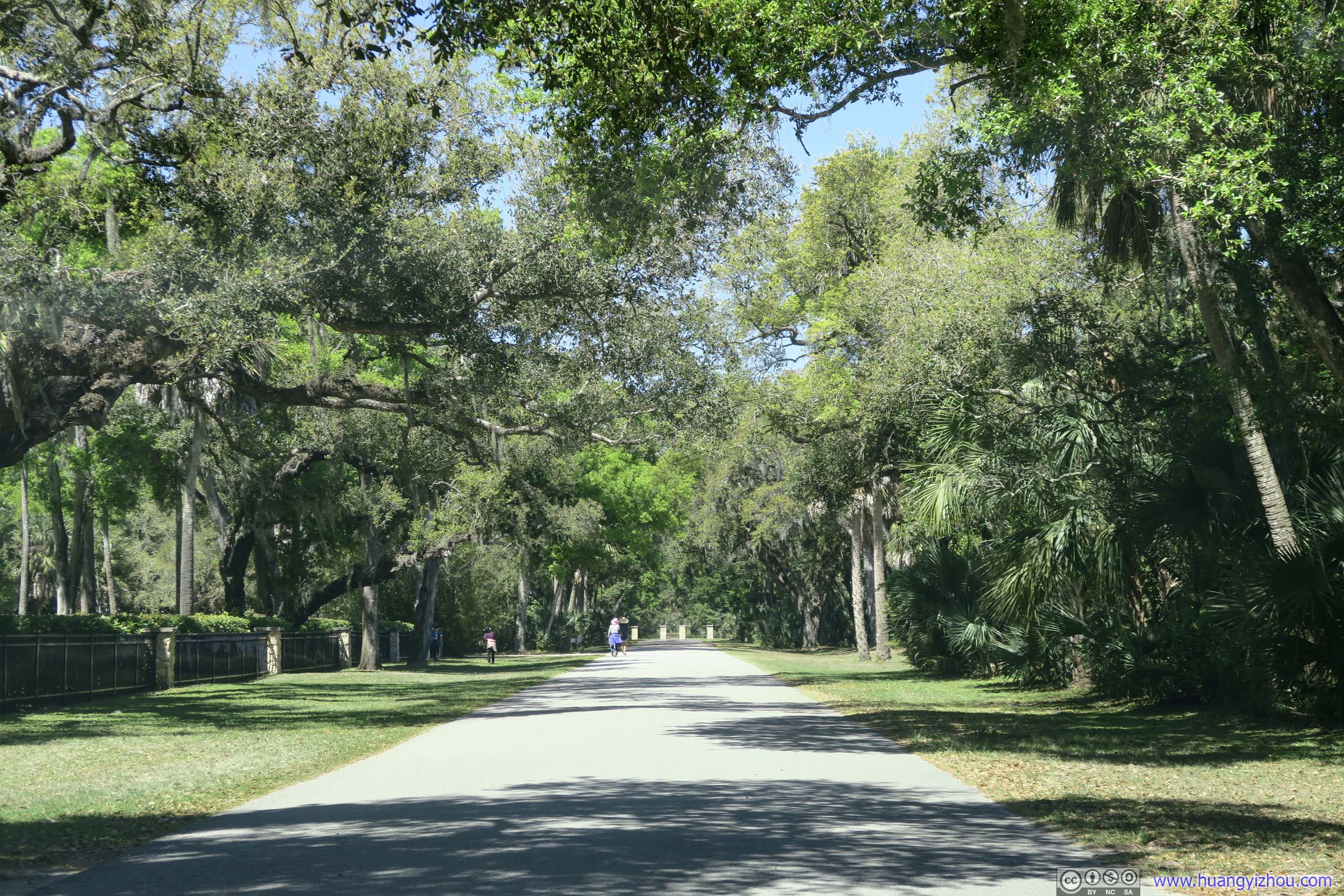
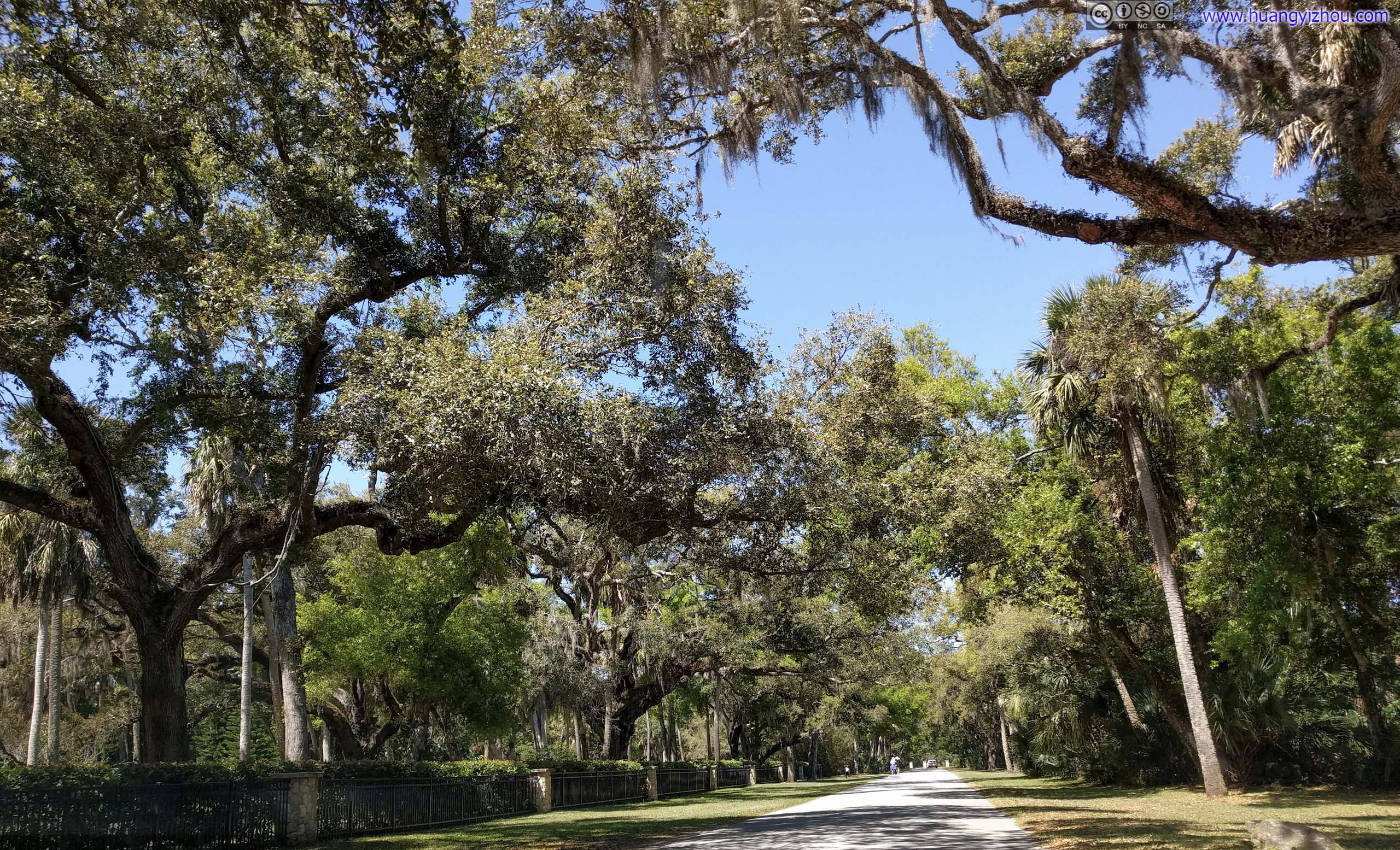
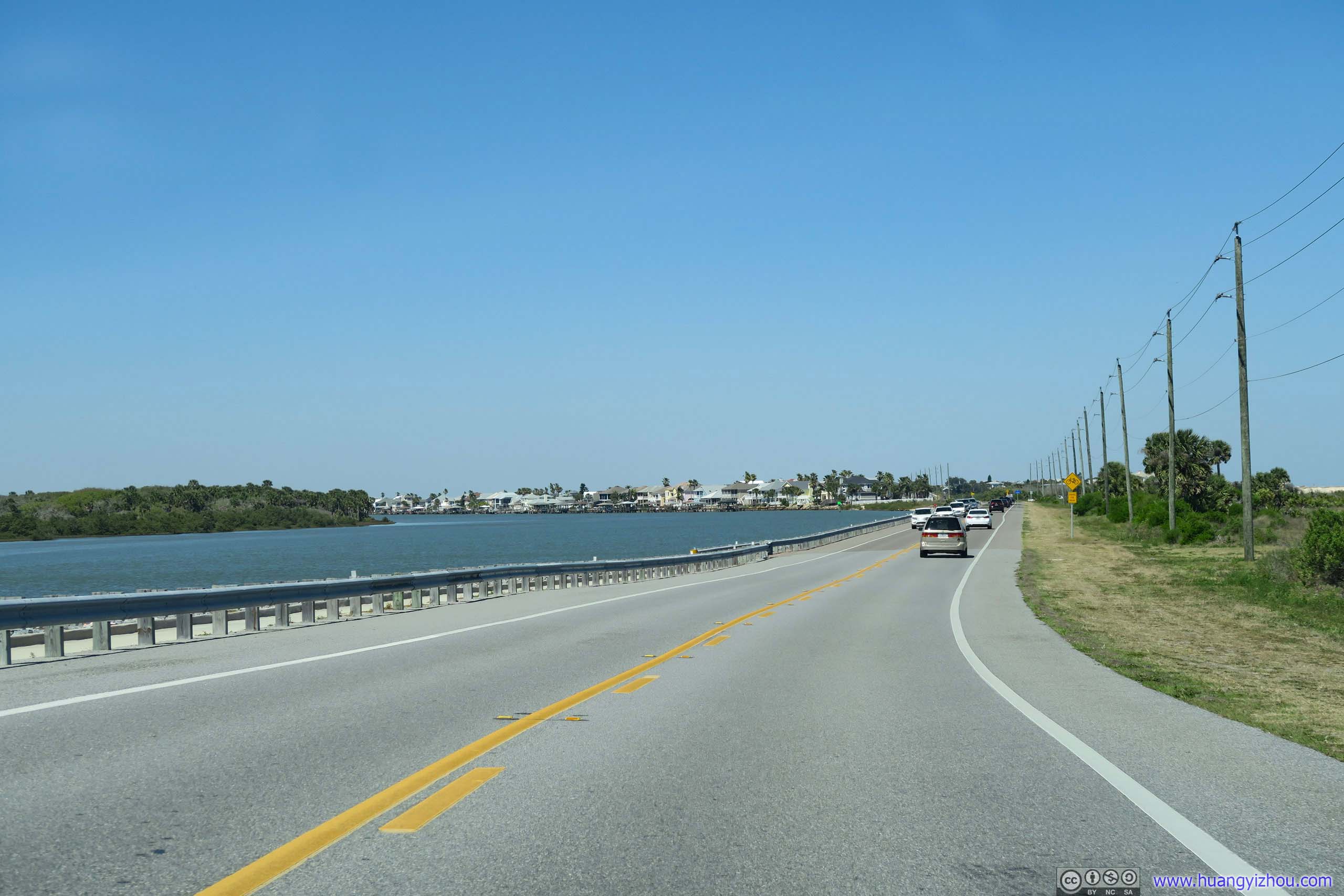
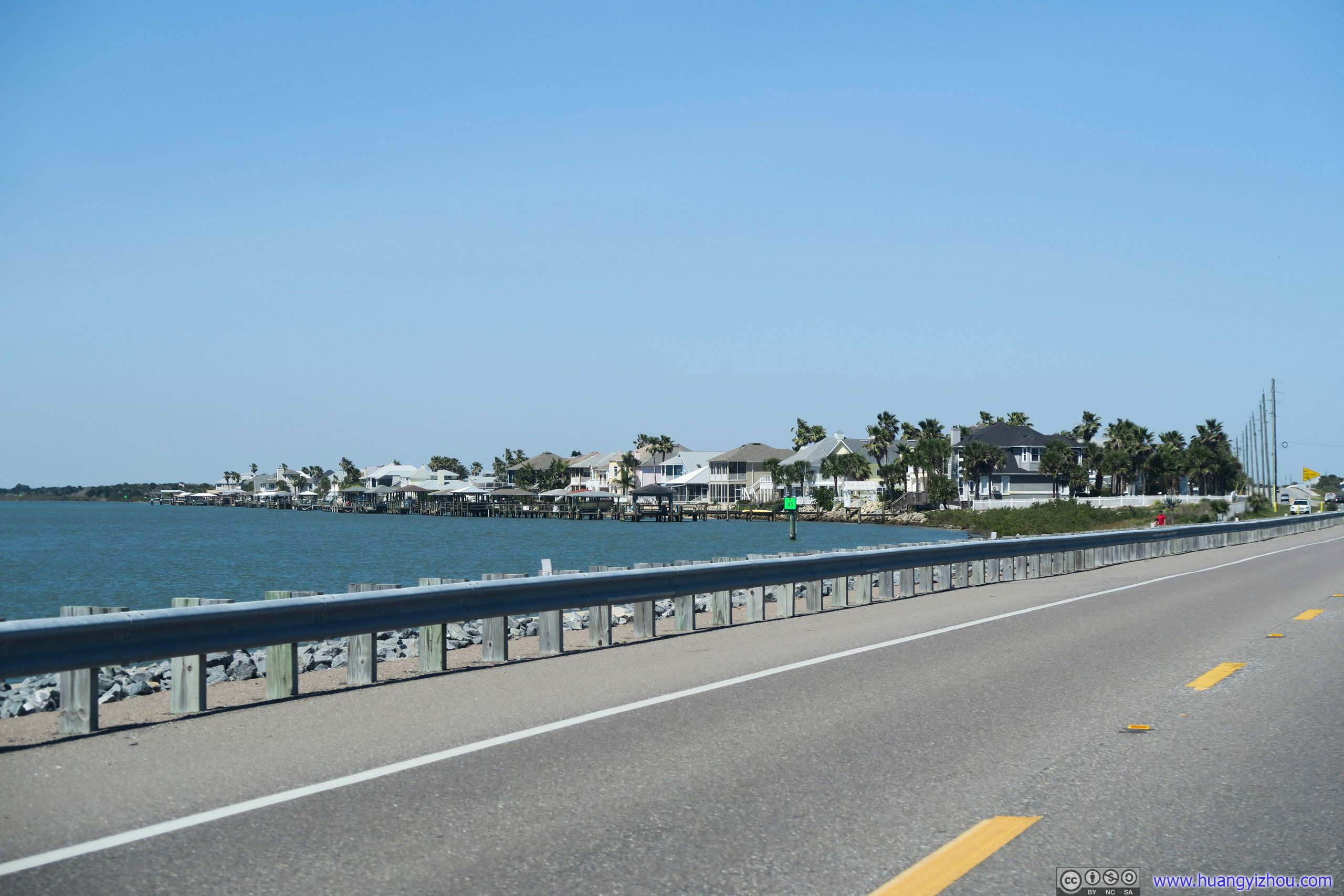
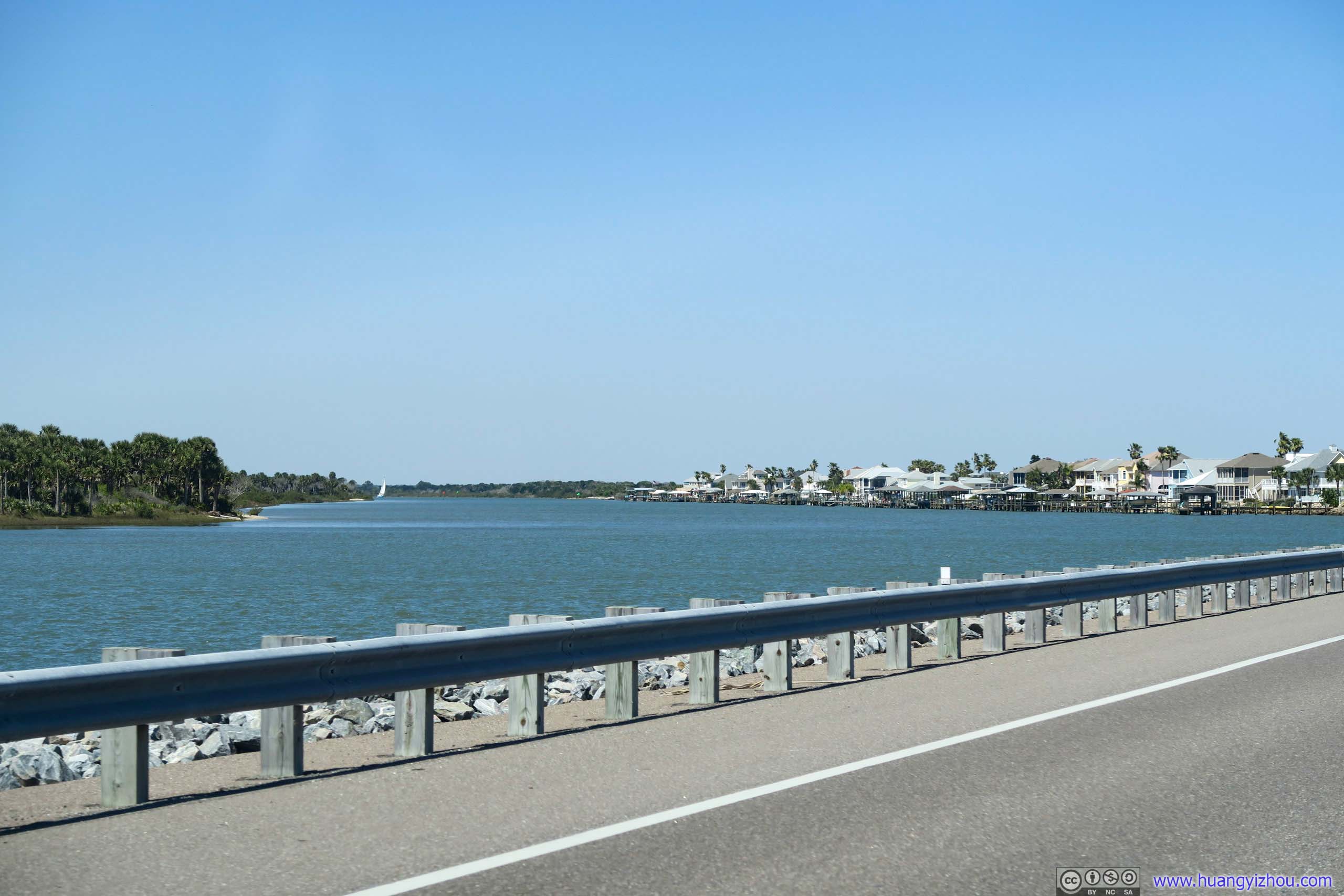
Route A1A along Matanzas River
Fort Matanzas
Built by the Spanish in 1742, more than half a century after Castillo de San Marcos, Fort Matanzas sits at the other end of Matanzas Inlet, guarding St. Augustine against enemies that sailed up Matanzas Inlet.
The fort was located on the other side of Matanzas Inlet and was only accessible by boat. NPS organized free tour boats that departed once per hour at half hour. The tour lasted an hour. Luckily, when I showed up at the visitor center at 2:20pm, I got ticket to the last seat for the 2:30pm boat.
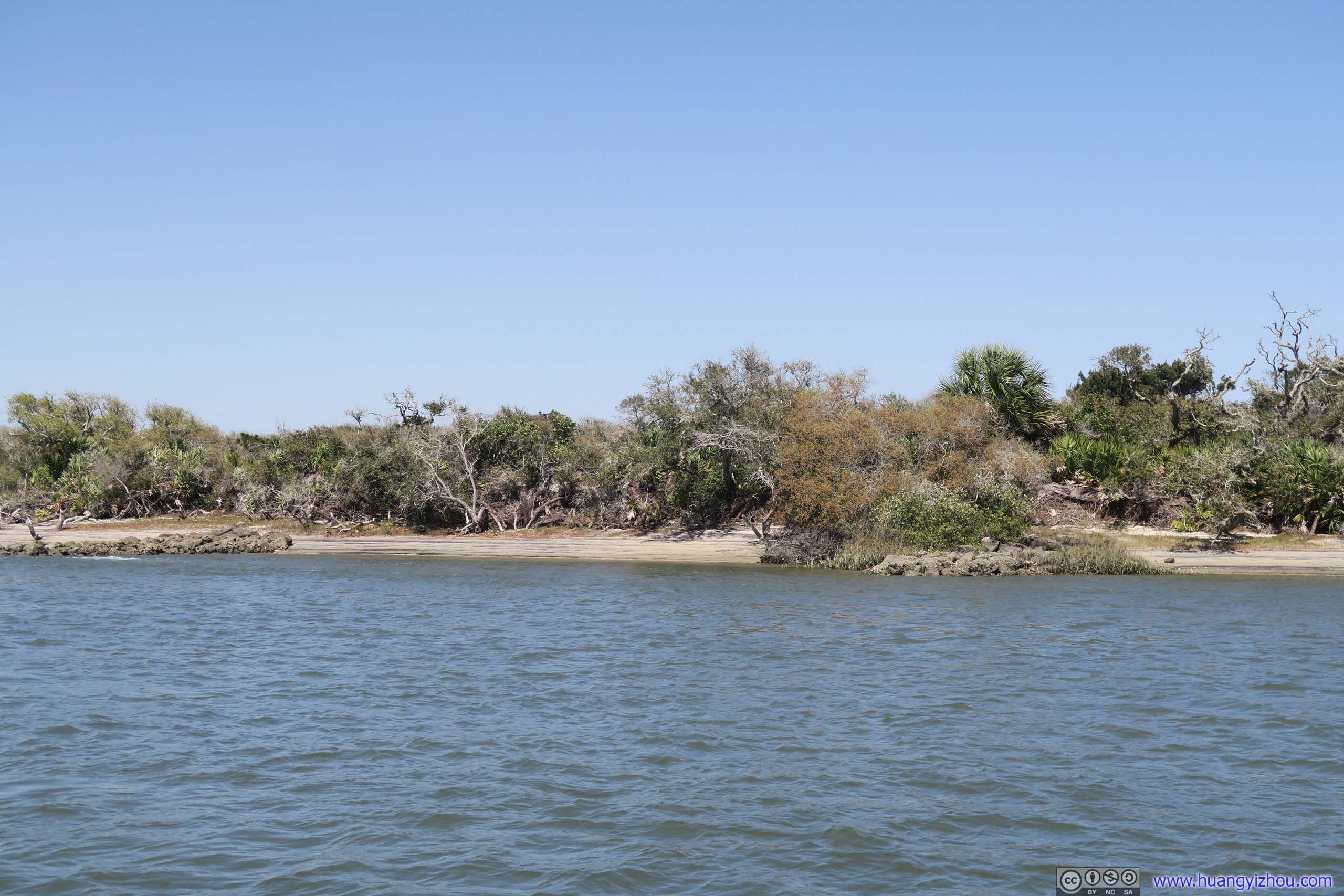
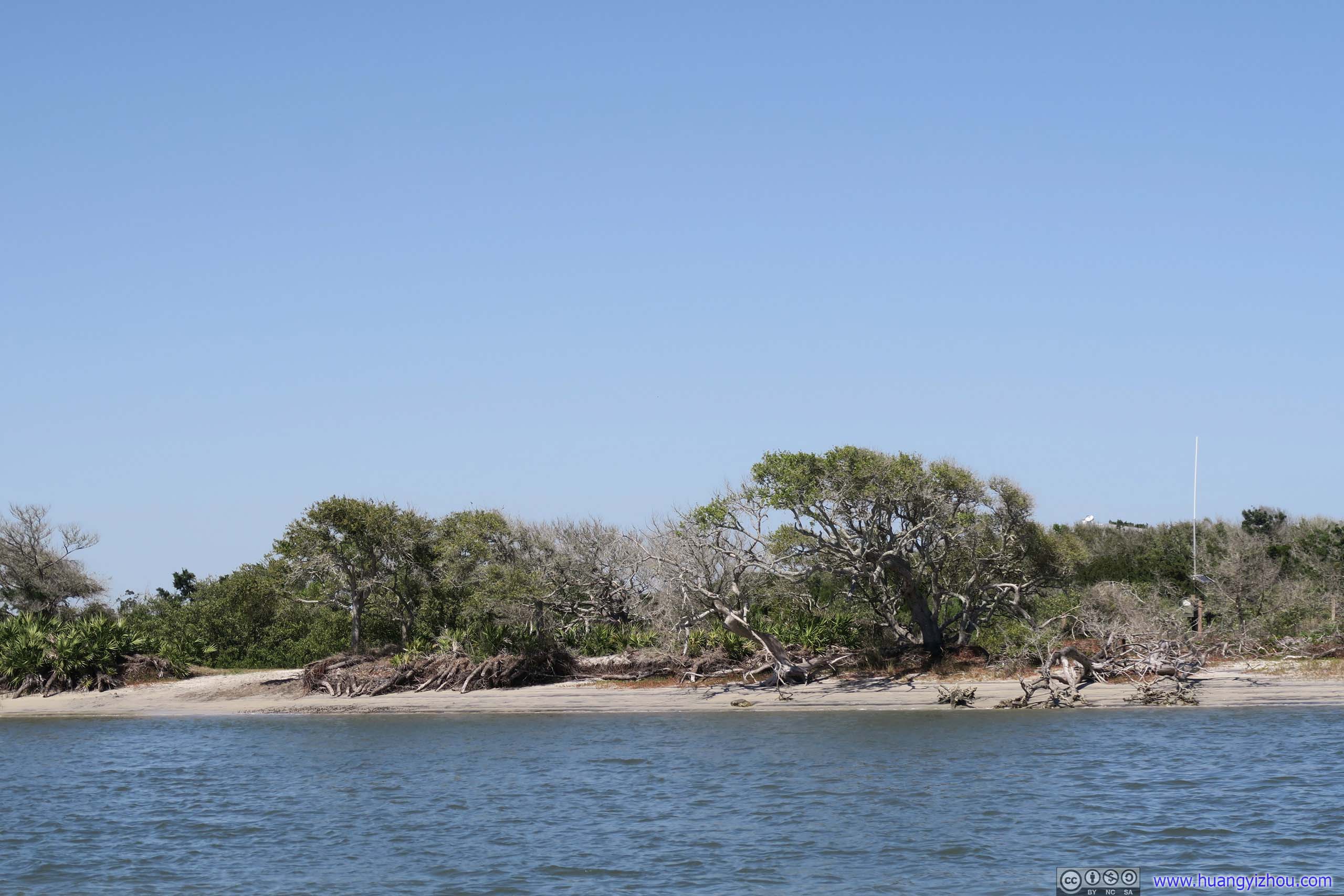
Mostly shallow swamps behind these trees.
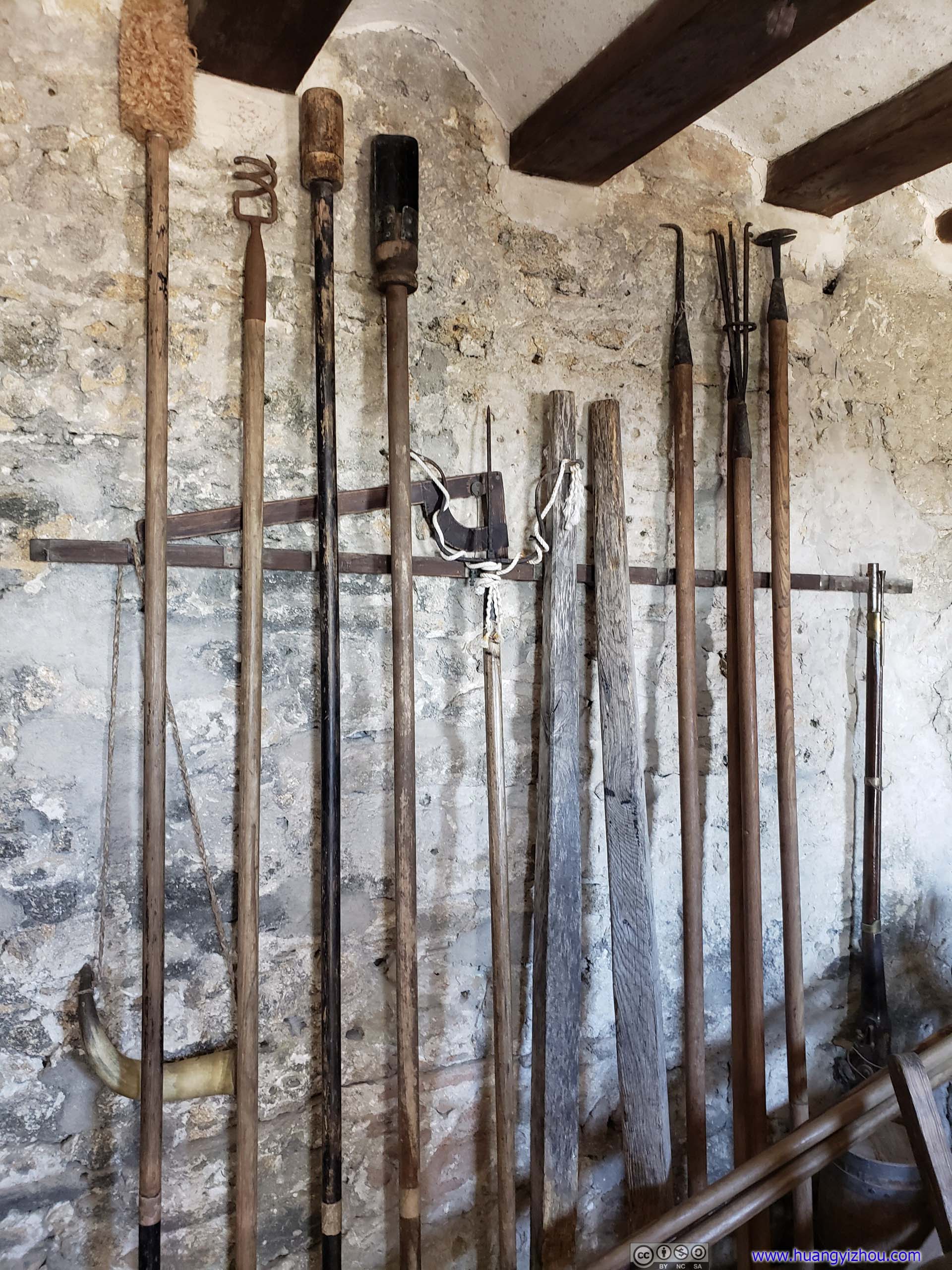
On the tour boat and at the fort, there was a ranger introducing us to various aspects of the fort.

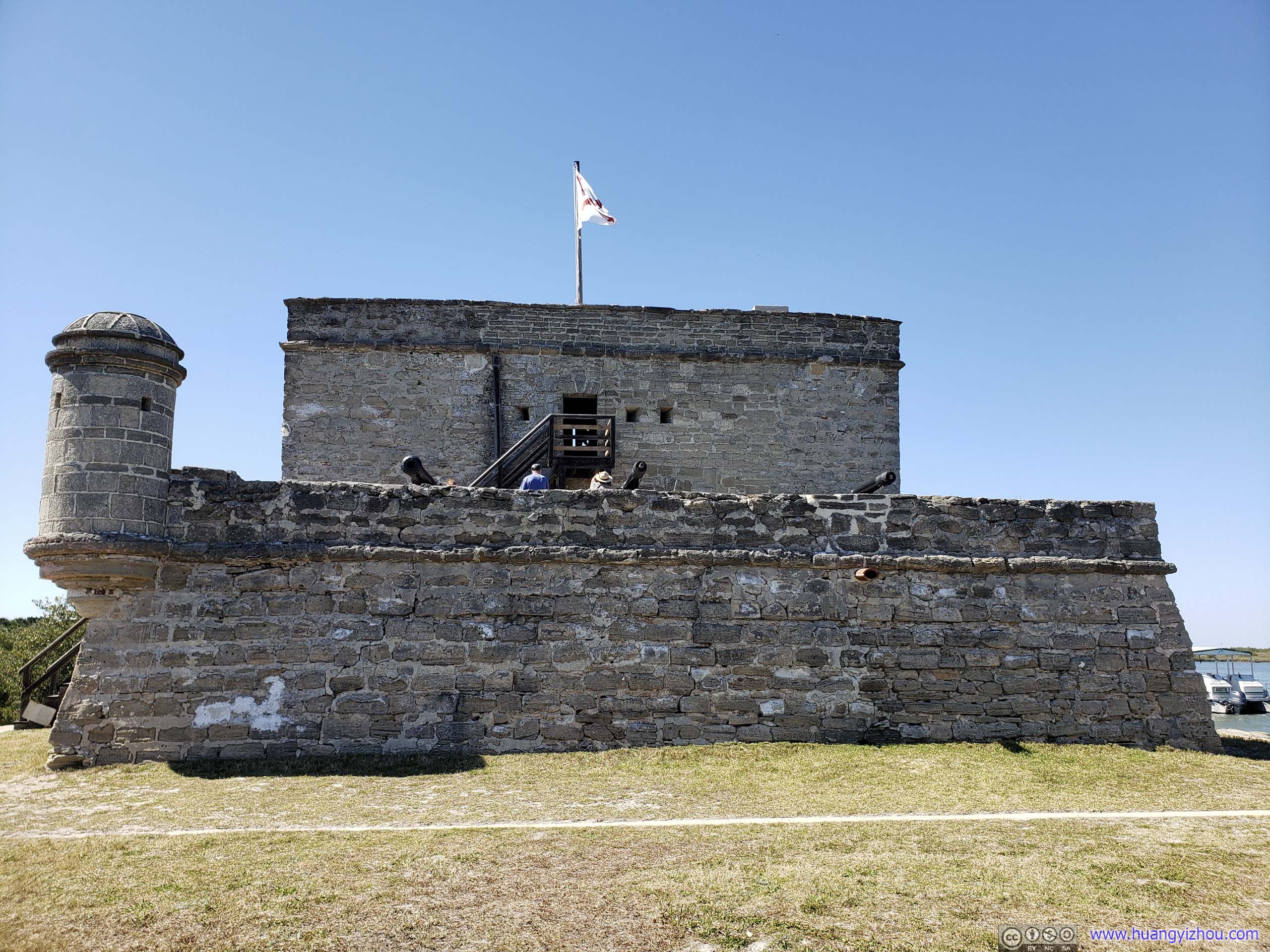
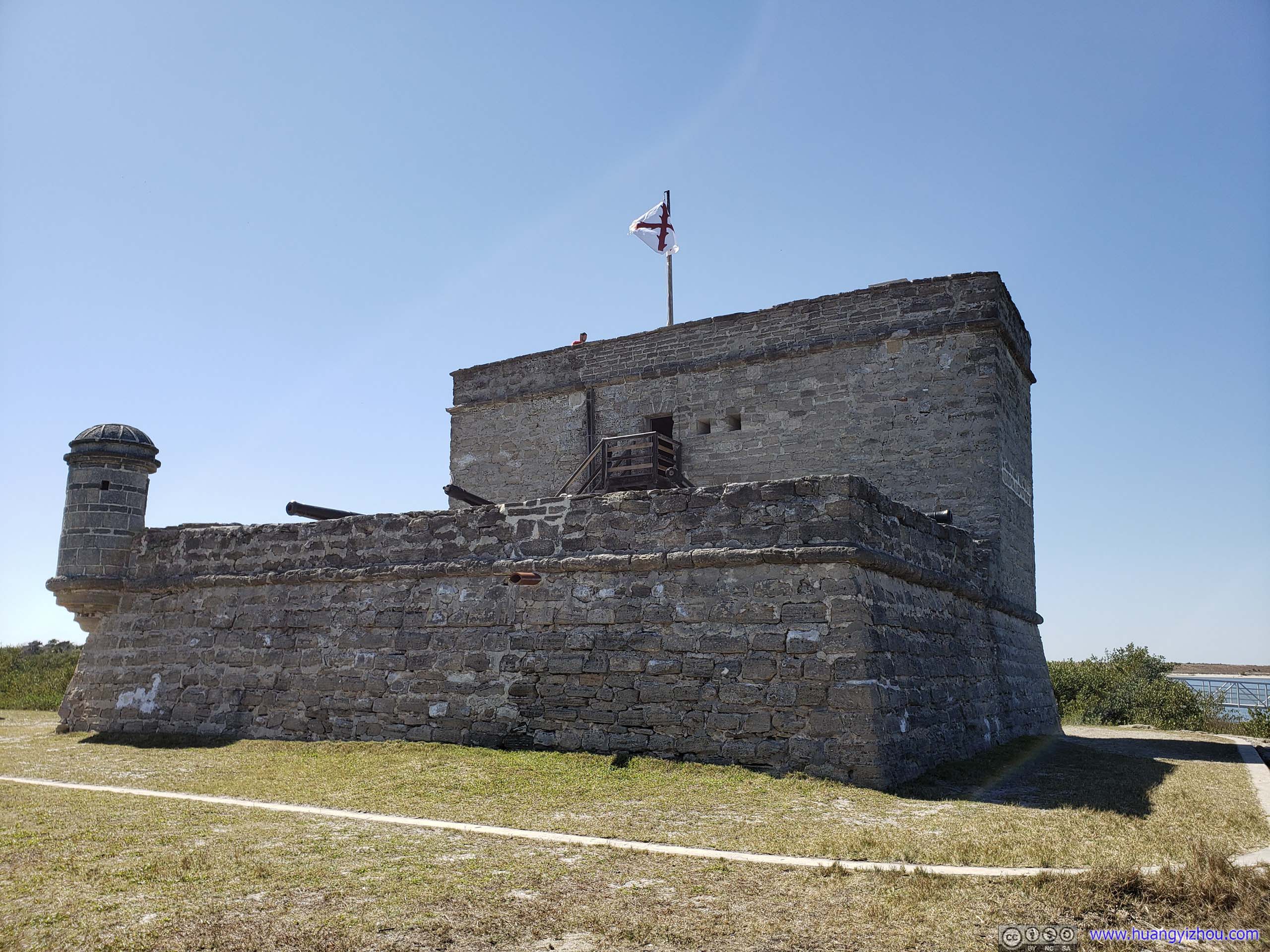
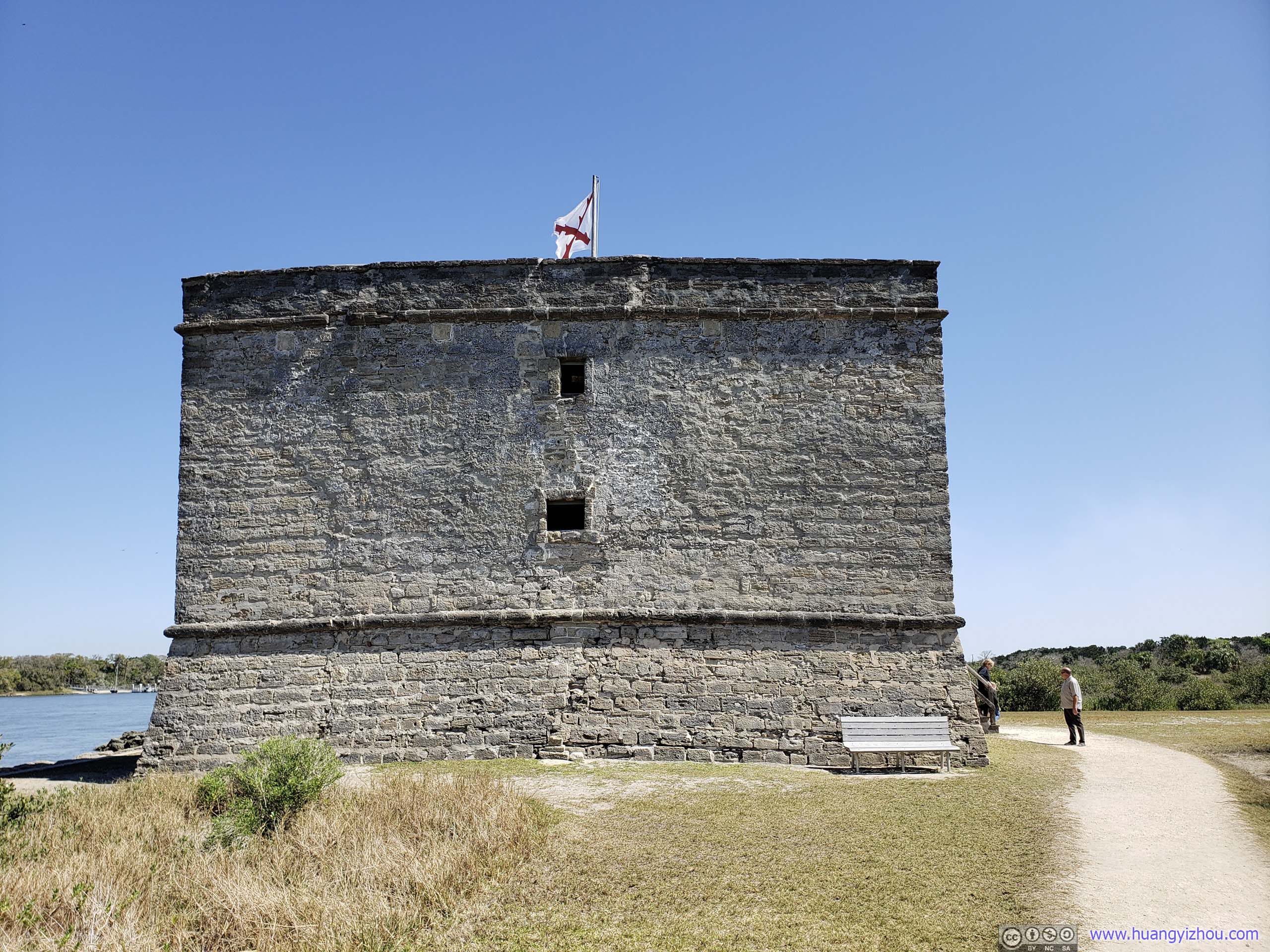
Fort Matanzas
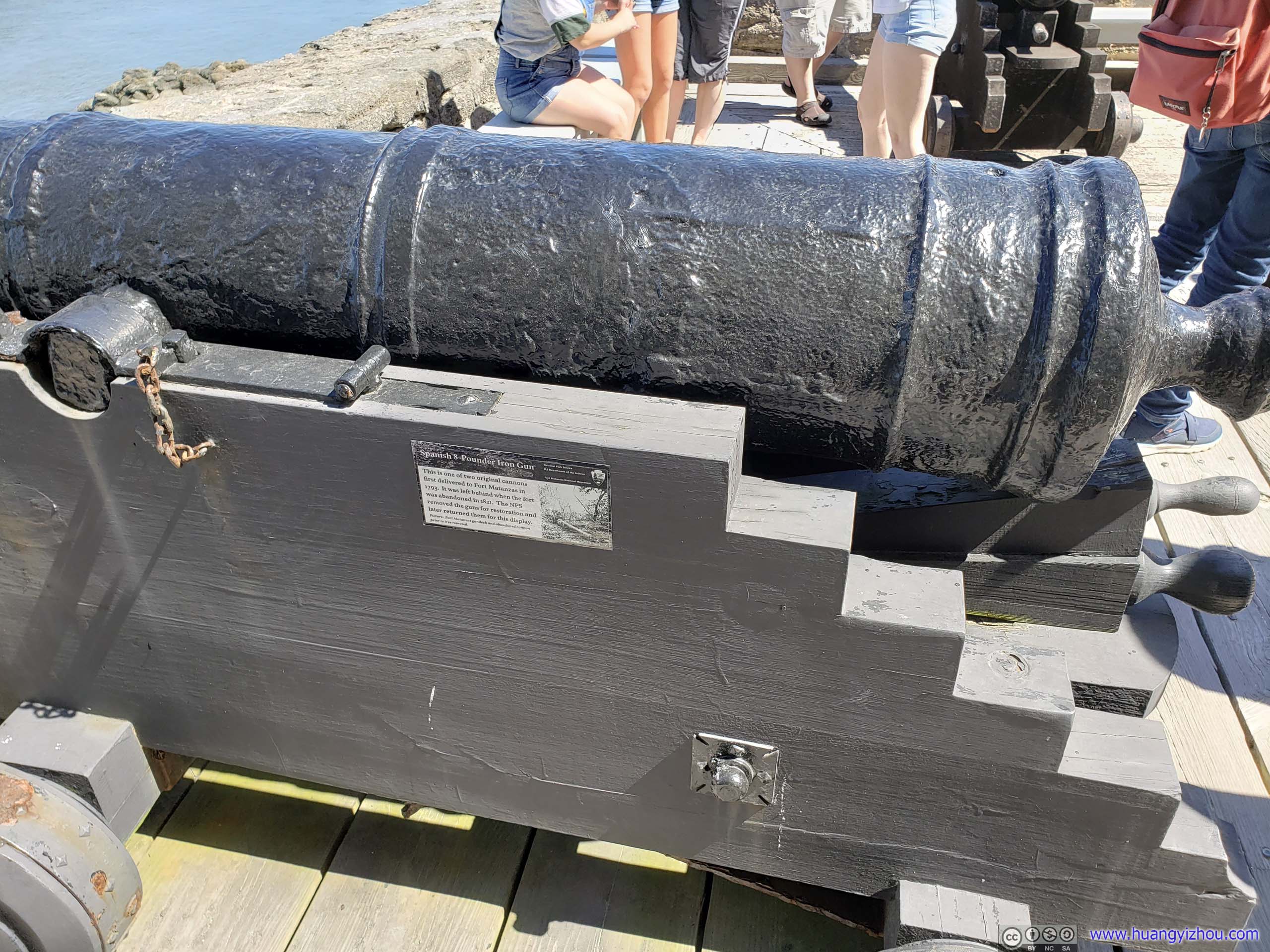
One of two original cannons first delivered to Fort Matanzas in 1793, and was left behind when the fort’s abandoned in 1821. Now the gun’s restored for display.
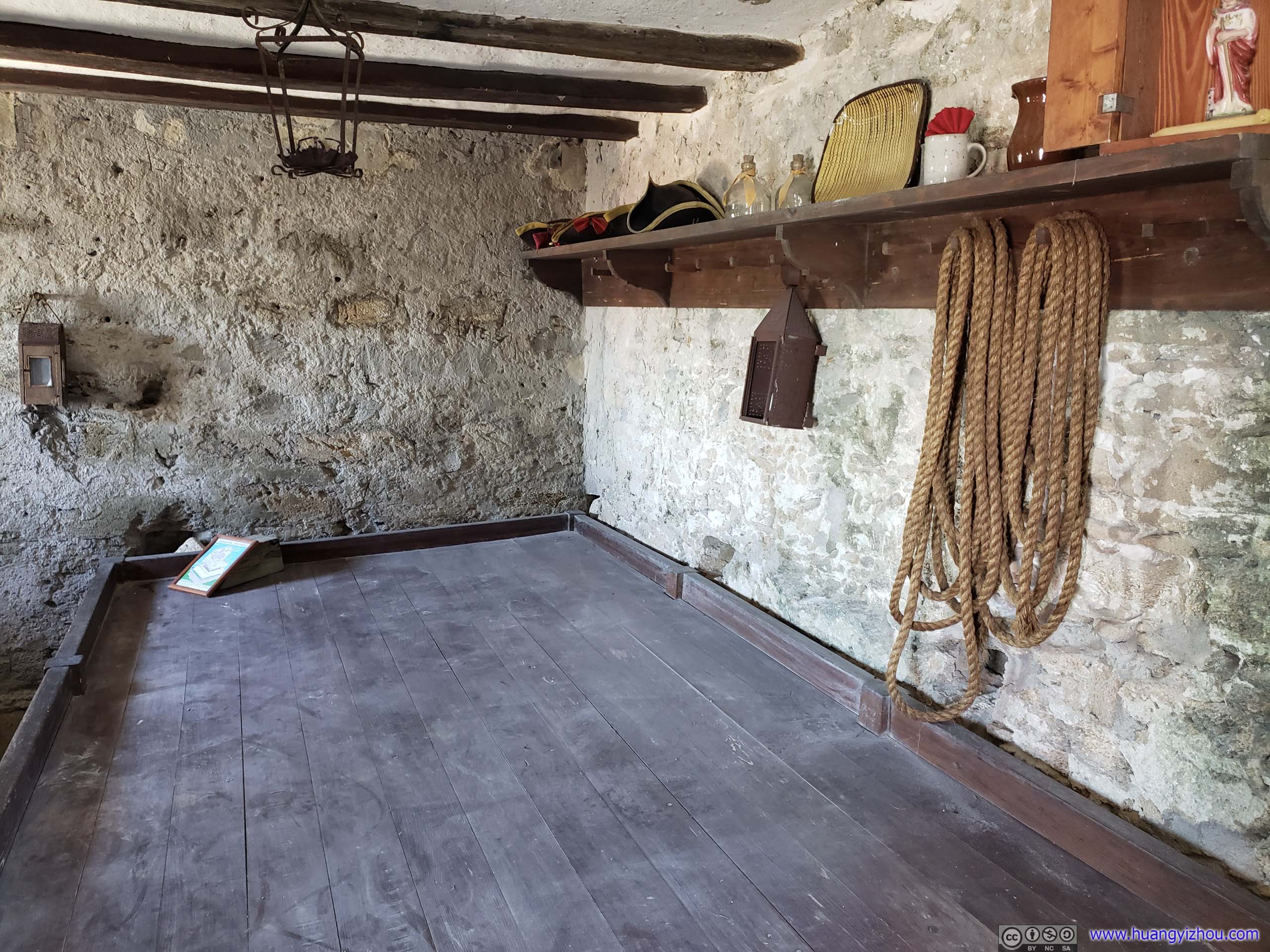
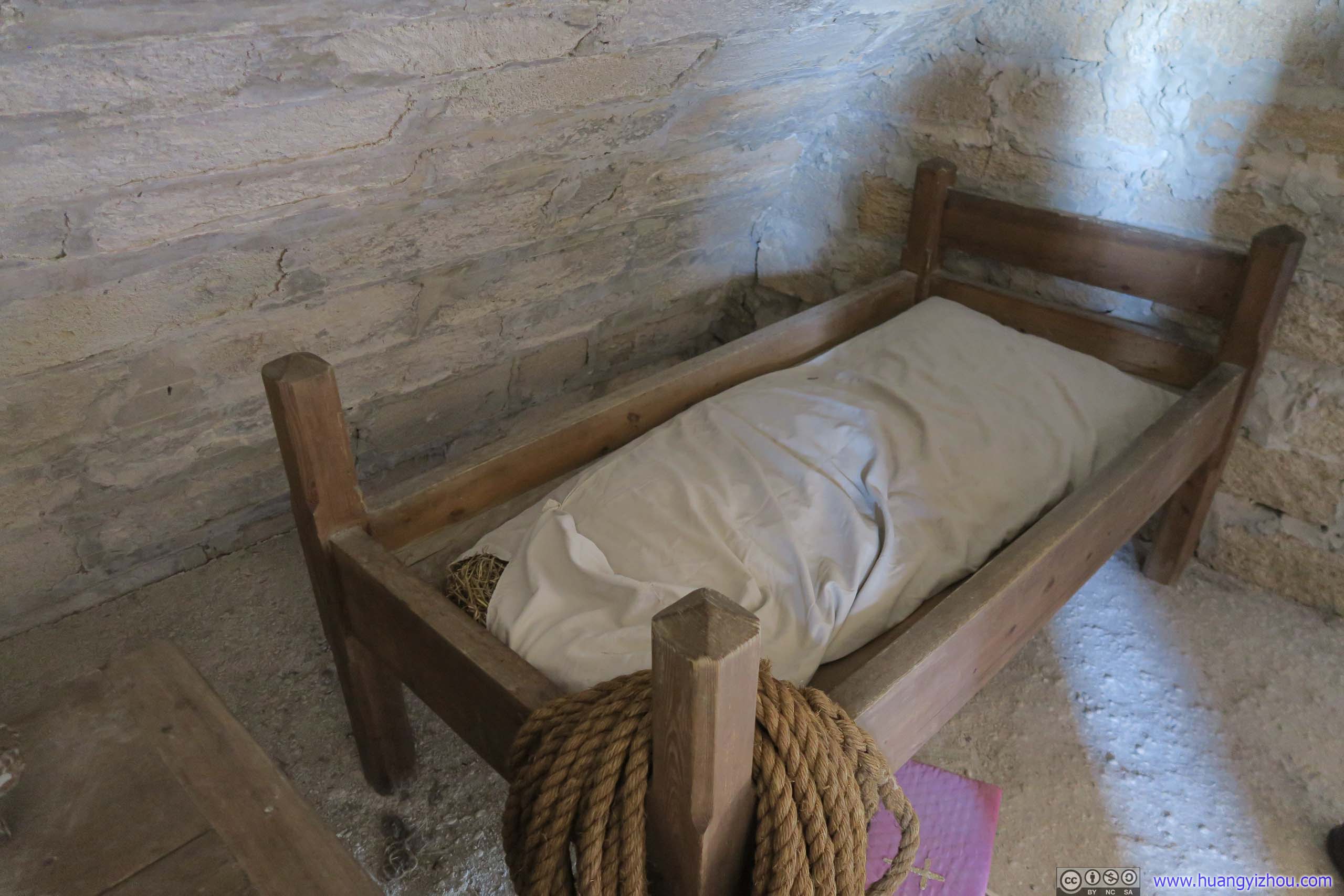
Probably due to his rank, the officer got his own bed.
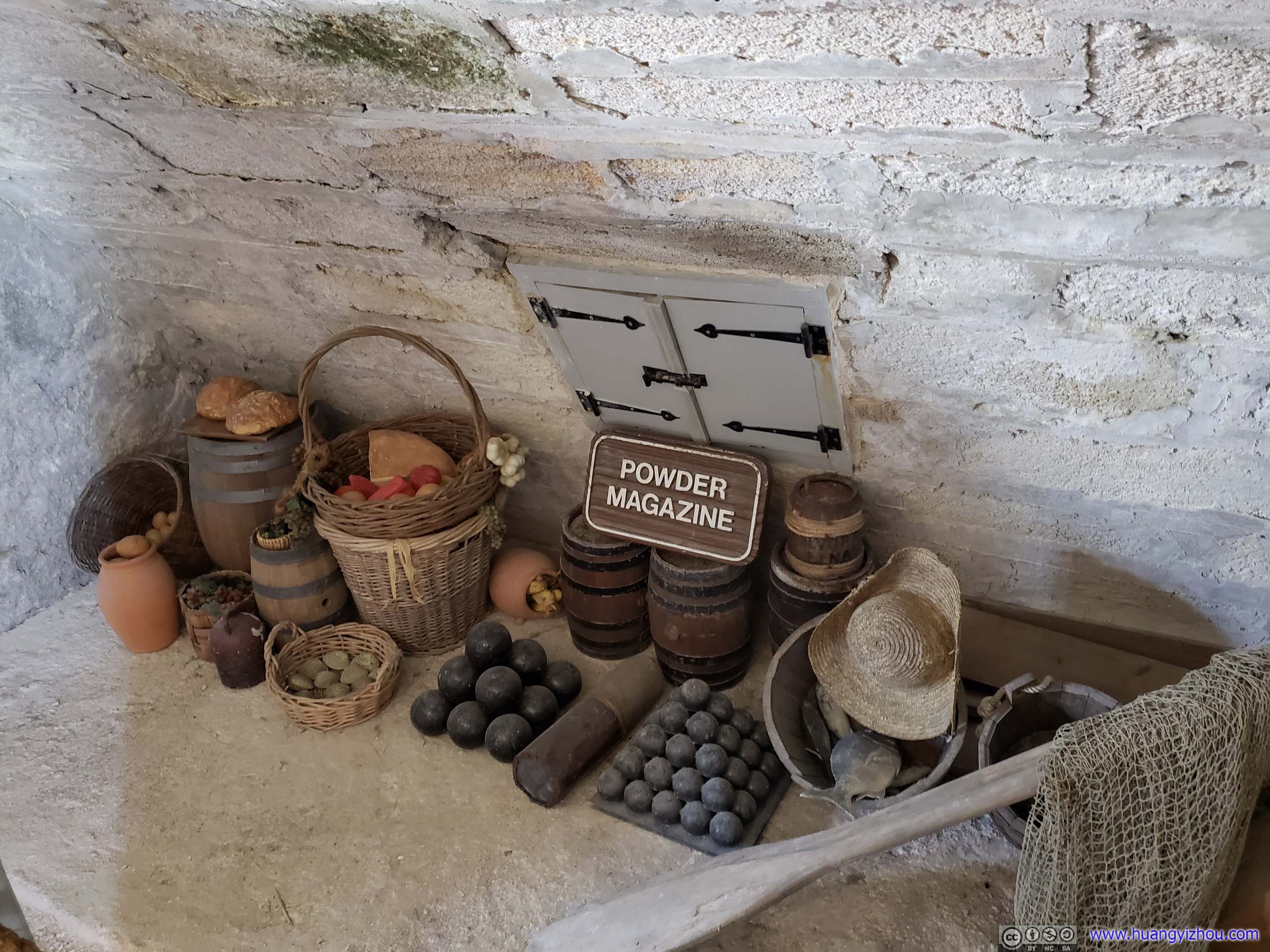
The hole in the wall leads down to a narrow circular chamber for powder storage.
It’s not a very large fort, with its rooms easily crammed by the number of visitors. There was a tiny set of ladders leading to the top of the fort, where one could enjoy views of surrounding waters and swamps.
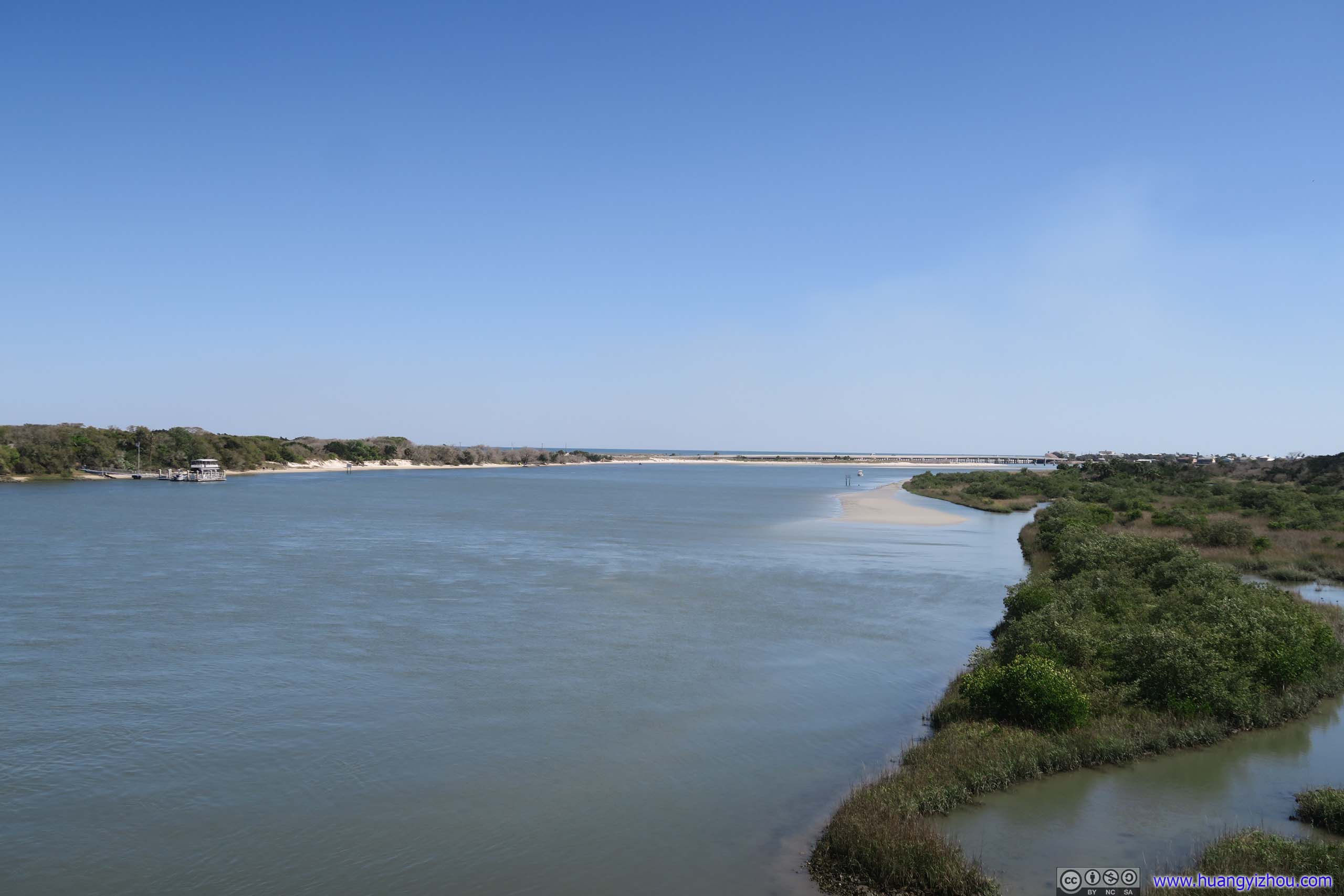
Now a road bridge spans across the inlet, with beaches for sunbathers on one end. The pier where we boarded the boat was on the left.
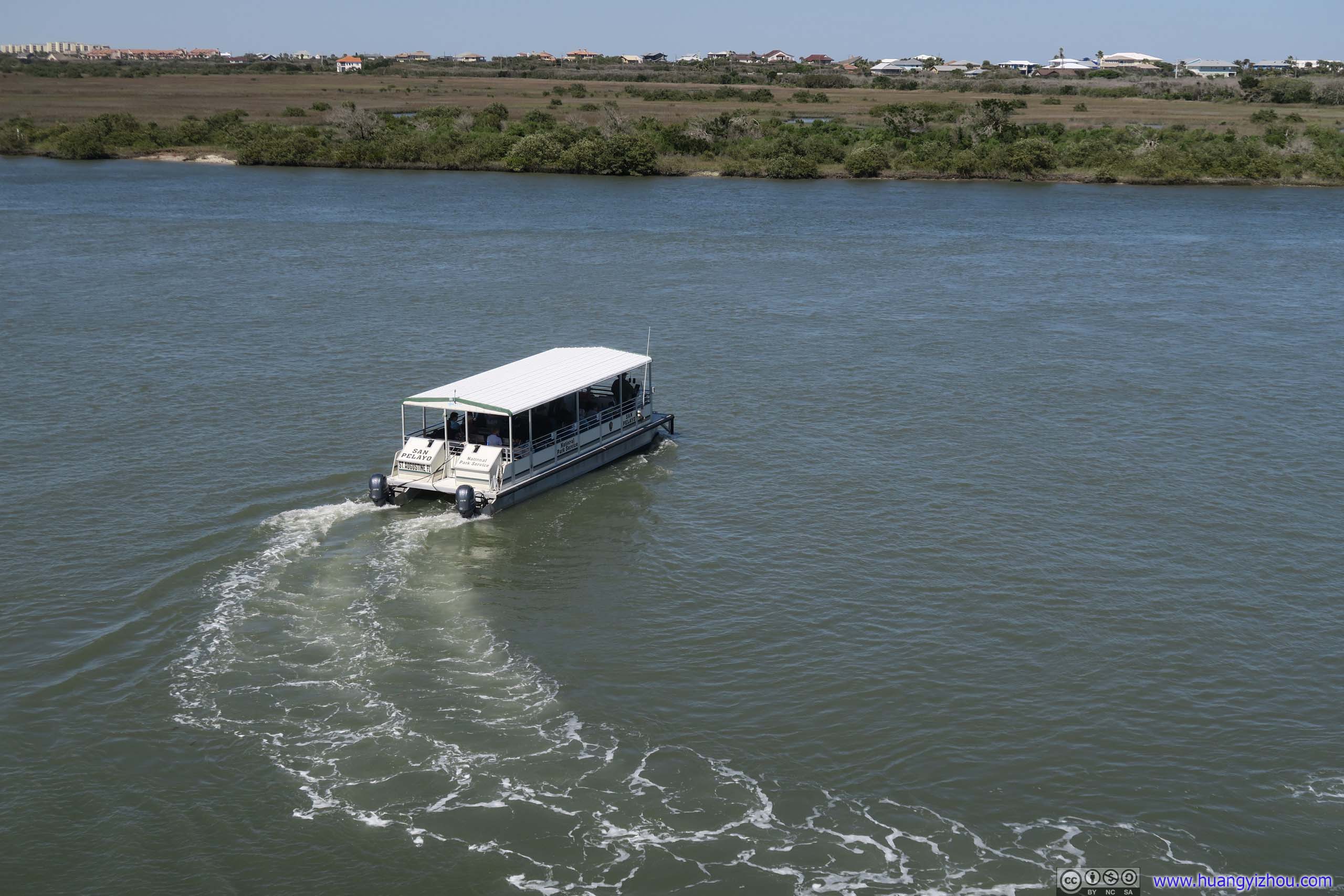
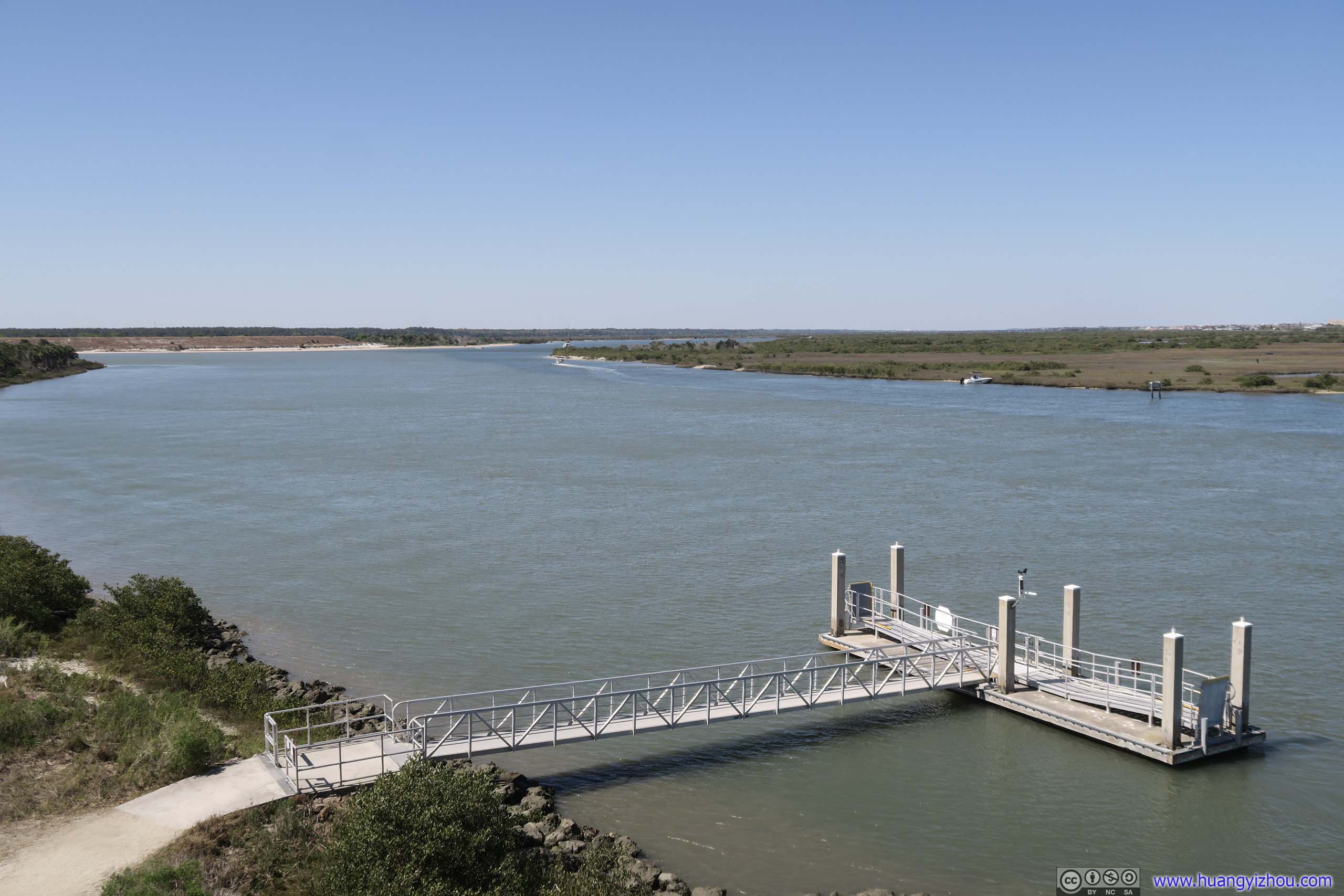
Water was flowing pretty fast along this inlet towards the ocean. Probably this added to the fort location’s strategical advantage as enemy ships must sailed up this rapid current.
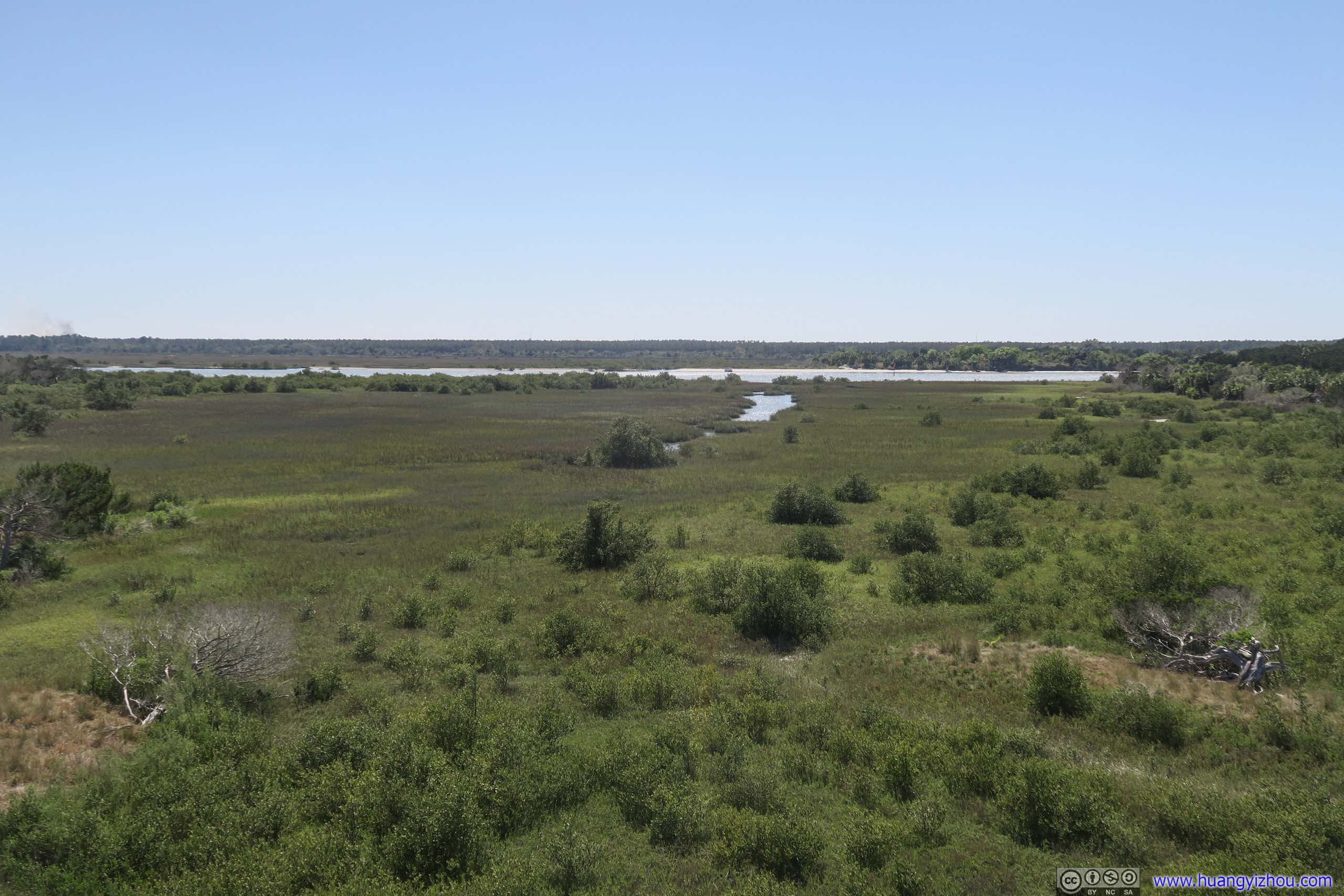
It’s said that when there’s no enemy attacking, which was most of the time, soldiers at Fort Matanzas would hunt in the nearby swamp to supplement their meager food portions, that were supplied once many weeks.
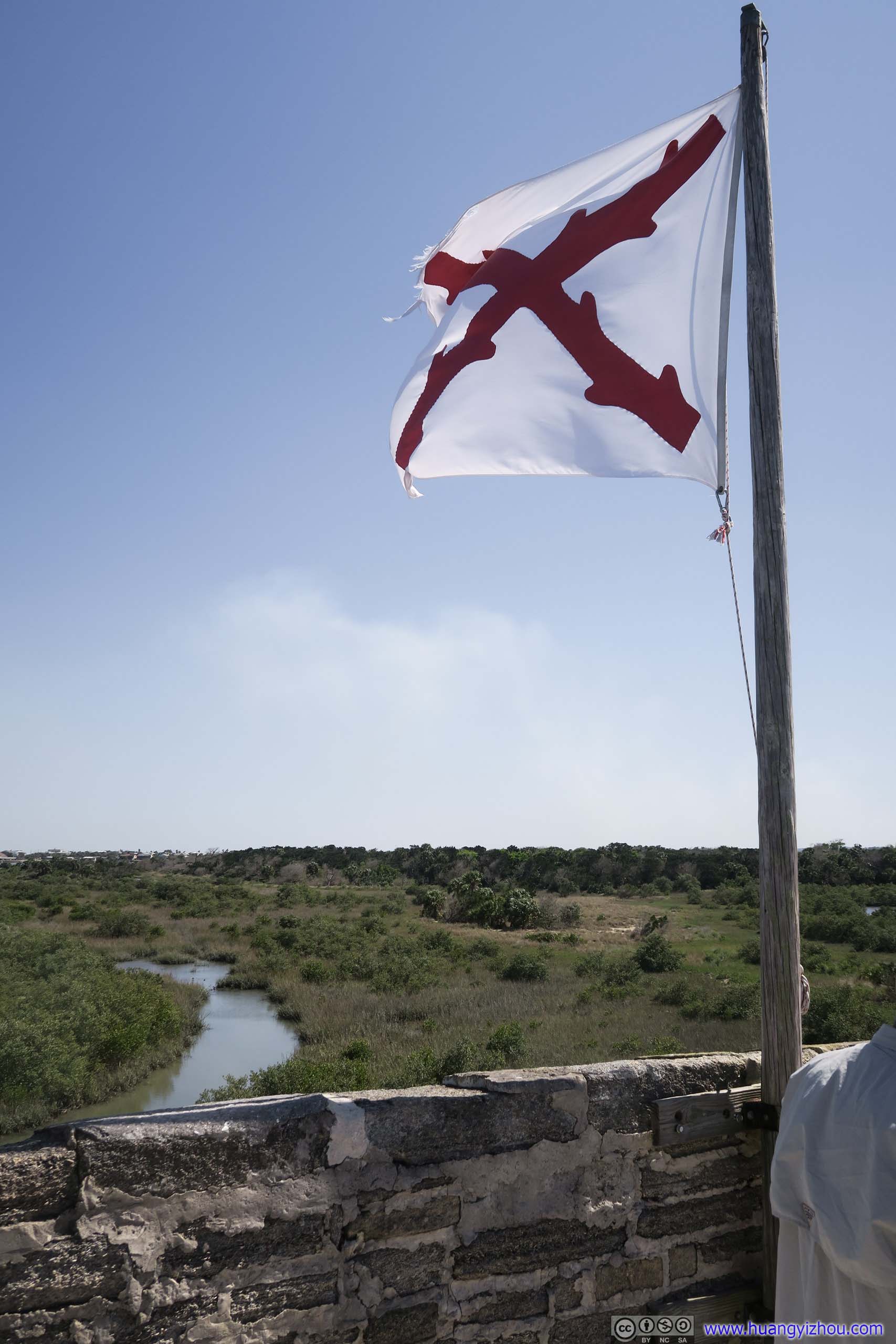
The principal flag that flew over Spain's colonial empire in the New World until 1785.
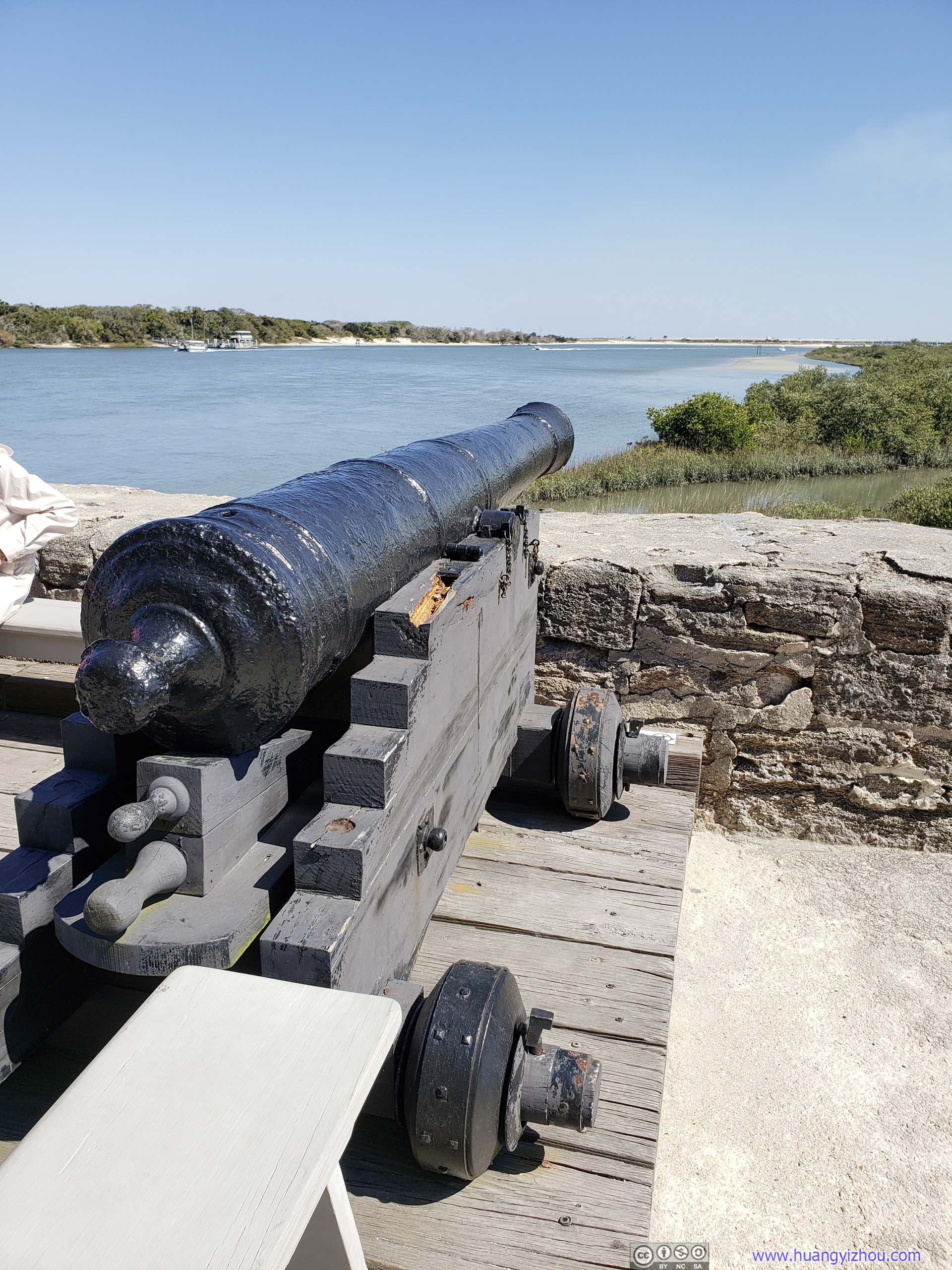
The inlet that Fort Matanzas was constructed to protect.
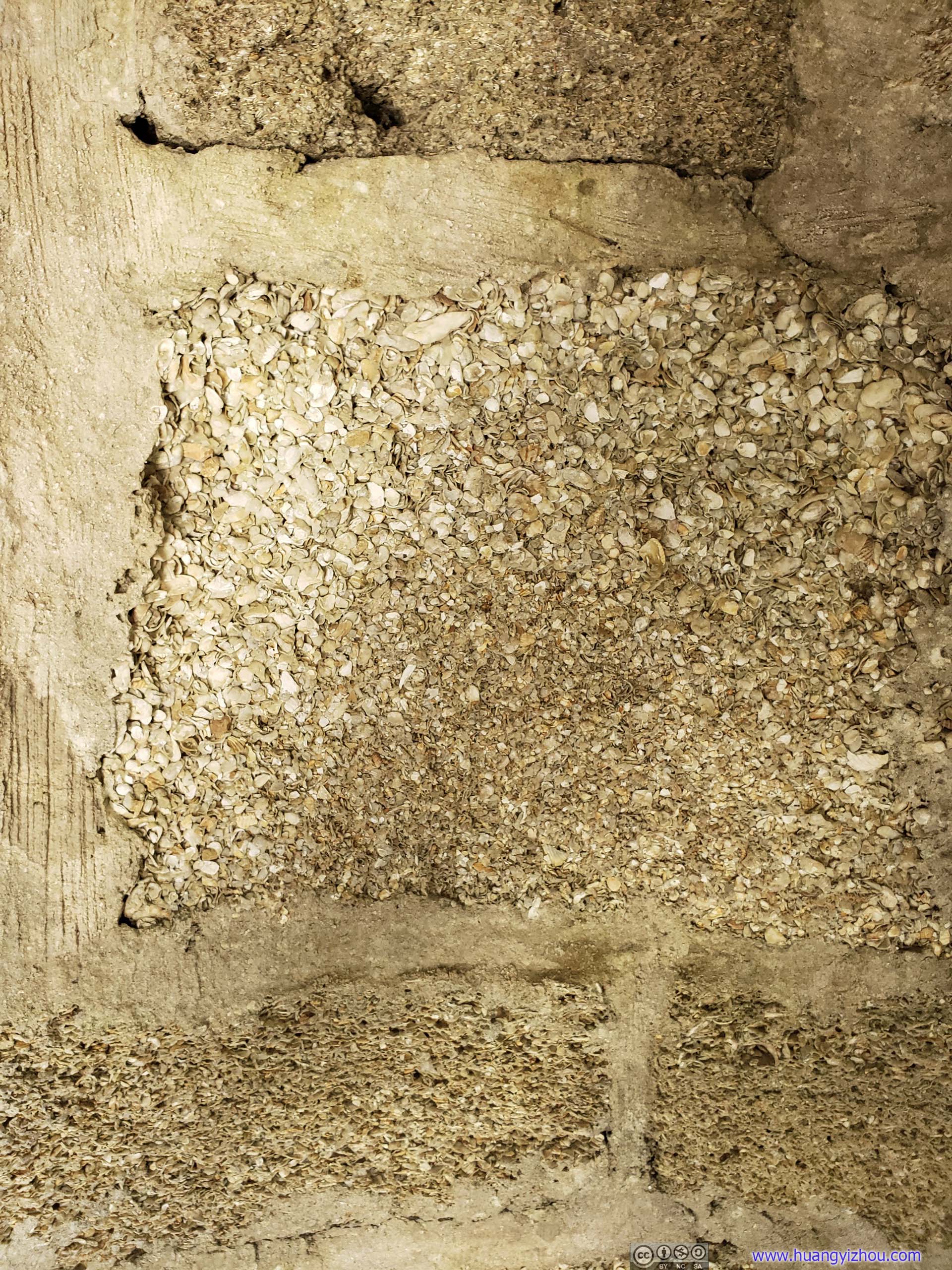
Shells became a handy material to construct the walls.
After that, I headed up Route A1A to St. Augustine. Followed by a quick lunch at the city's outskirt, I began my second tour of St. Augustine.
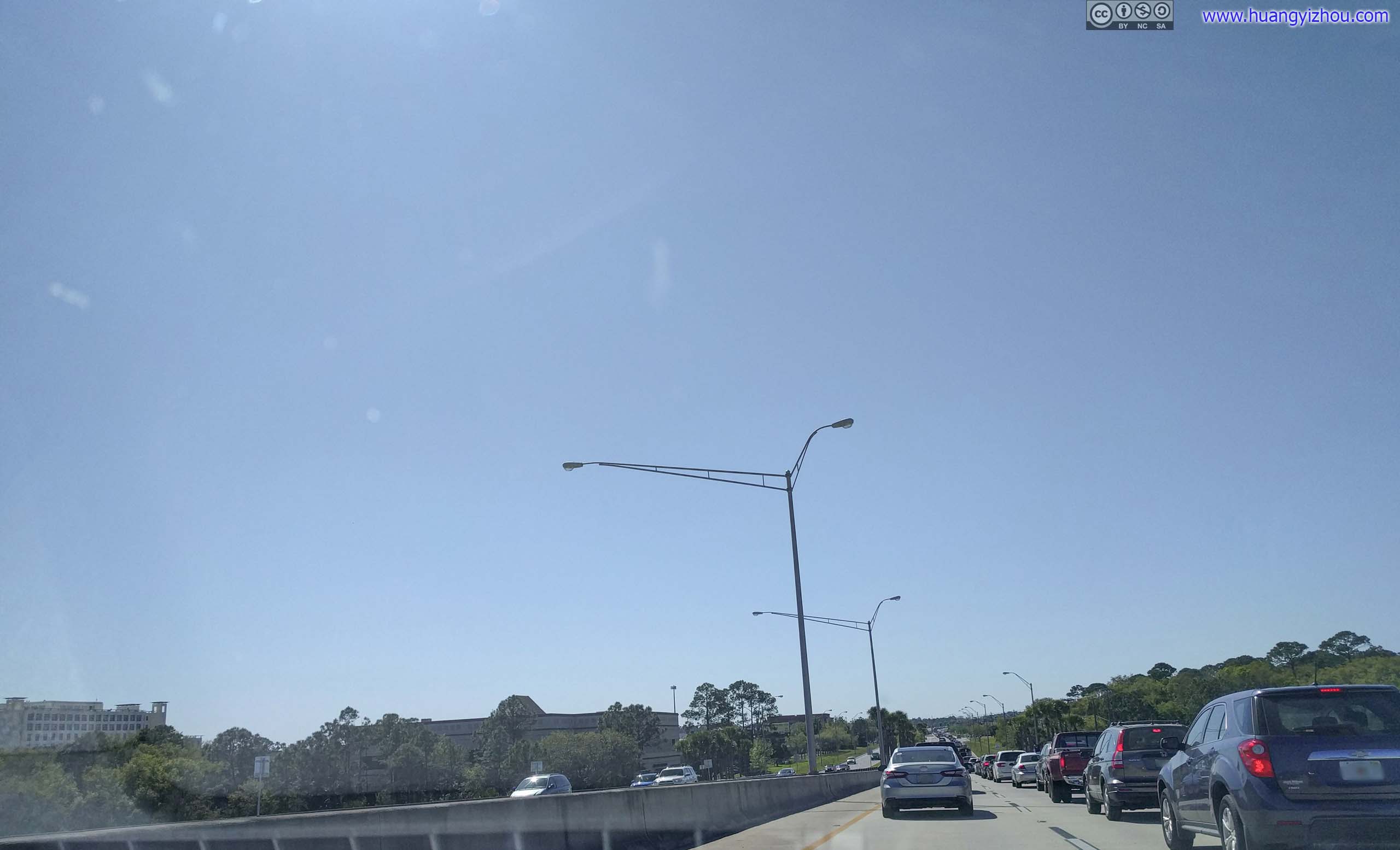
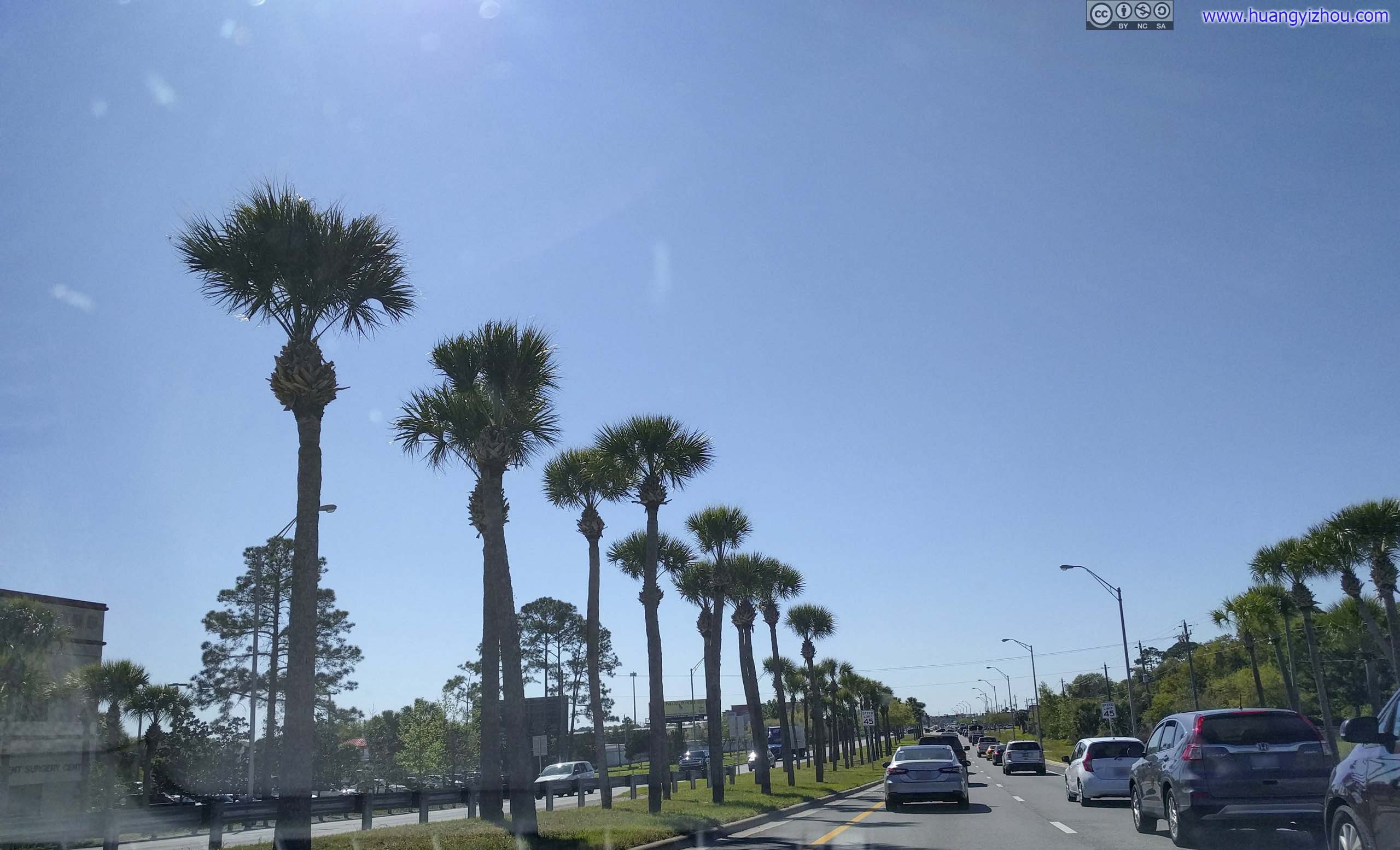
Bridge on Route 312. I guessed this traffic jam was caused by the closure of the nearby Bridge of Lions, which was a drawbridge.
St. Augustine
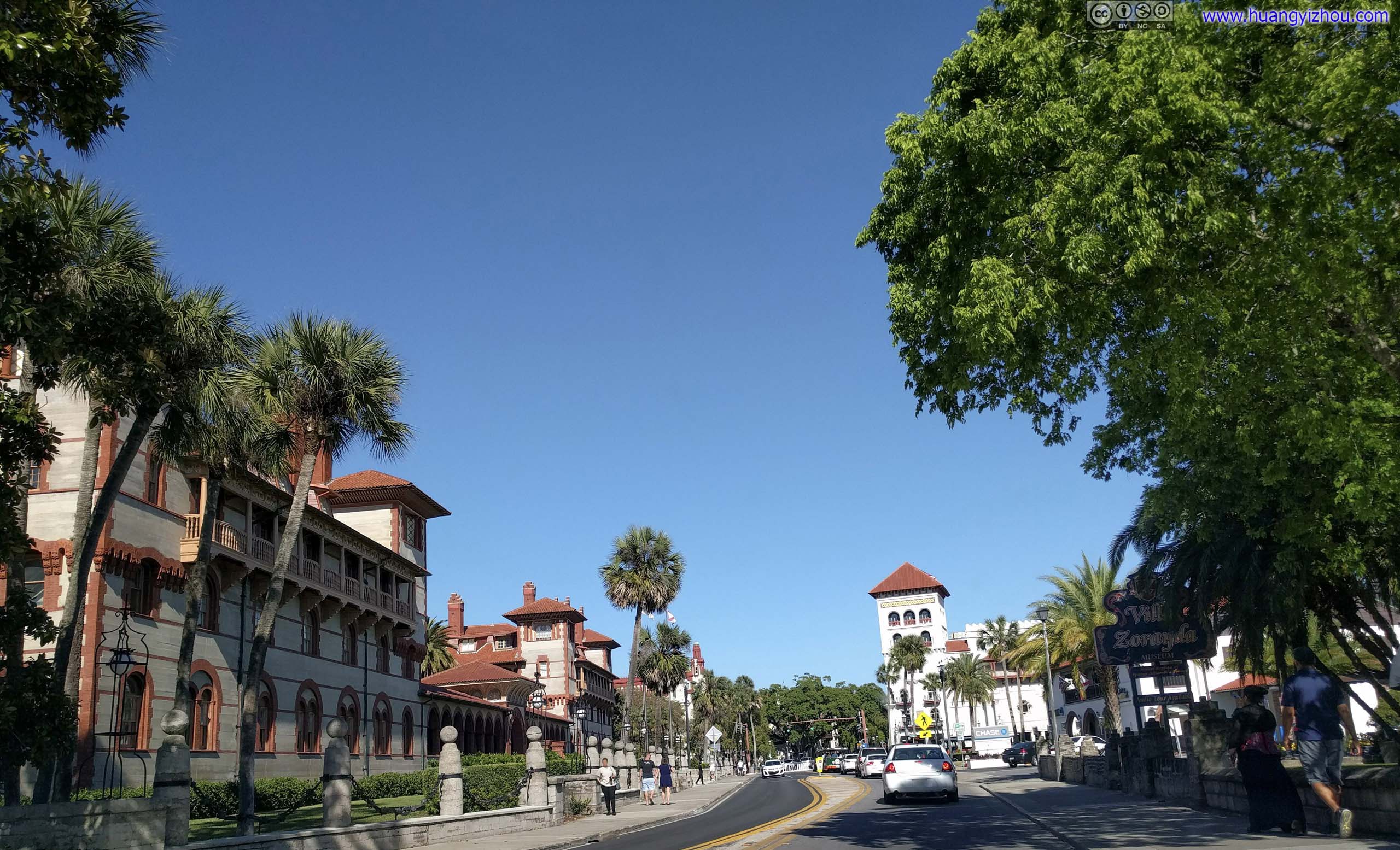
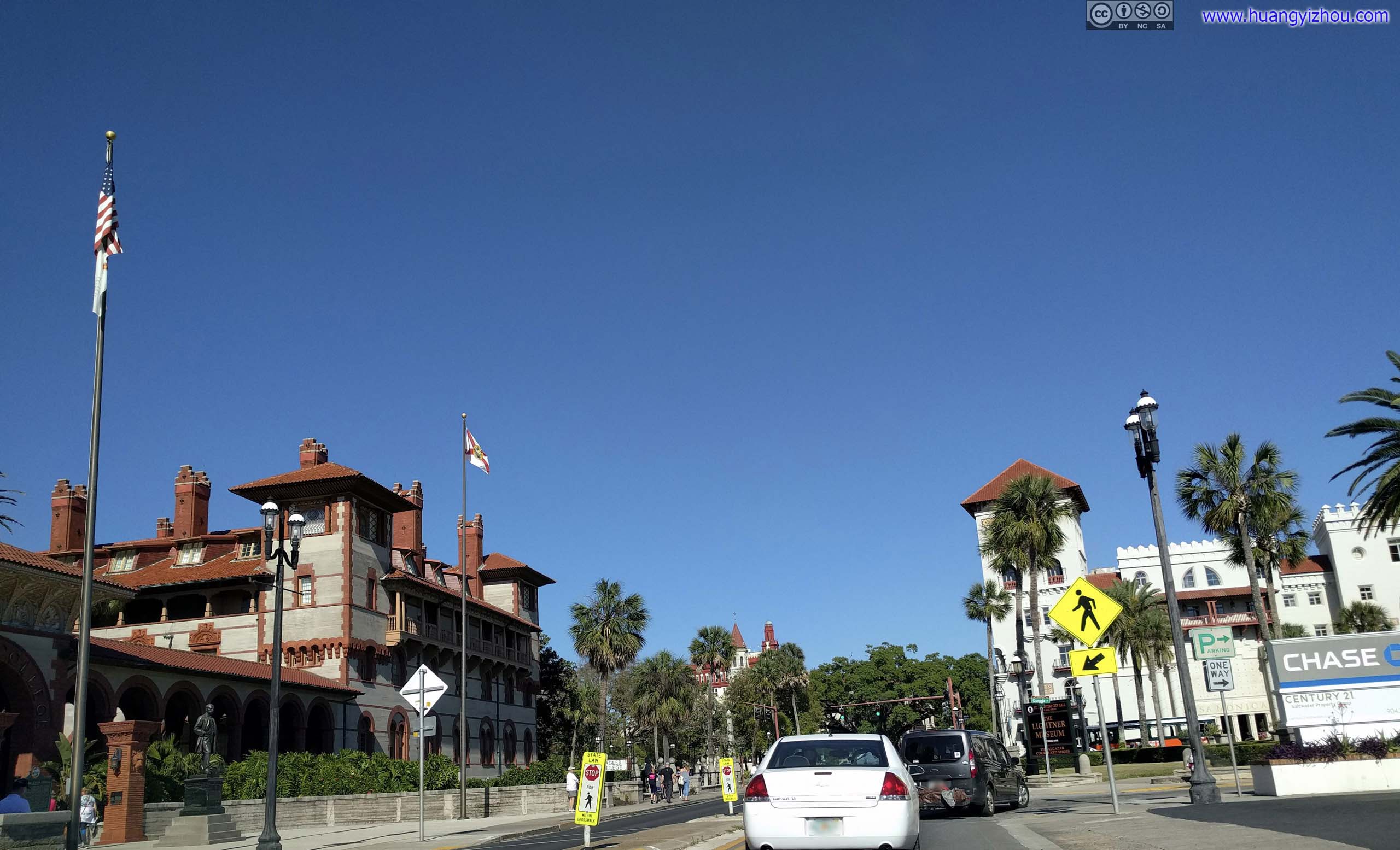
There seemed to be plenty (free) street parking if one drove slightly farther from its popular downtown to surrounding residential communities. Parallel parking did take me some time with many trips into and out of the car.
And right next to where I parked, there were some historically significant buildings.
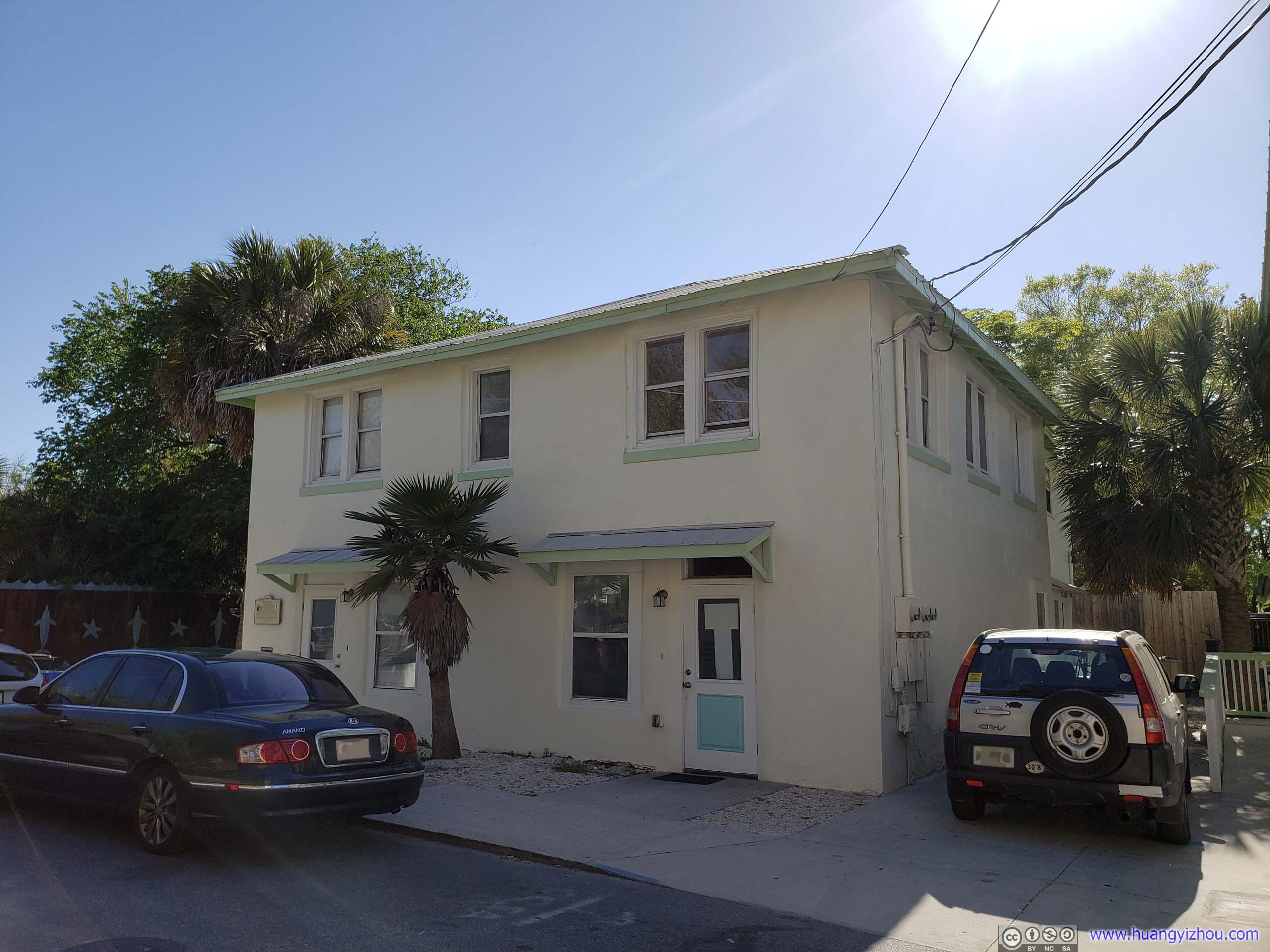
The building that housed the St. Augustine office of NAACP from 1970s to 1990s. Now the building was a homeless shelter.
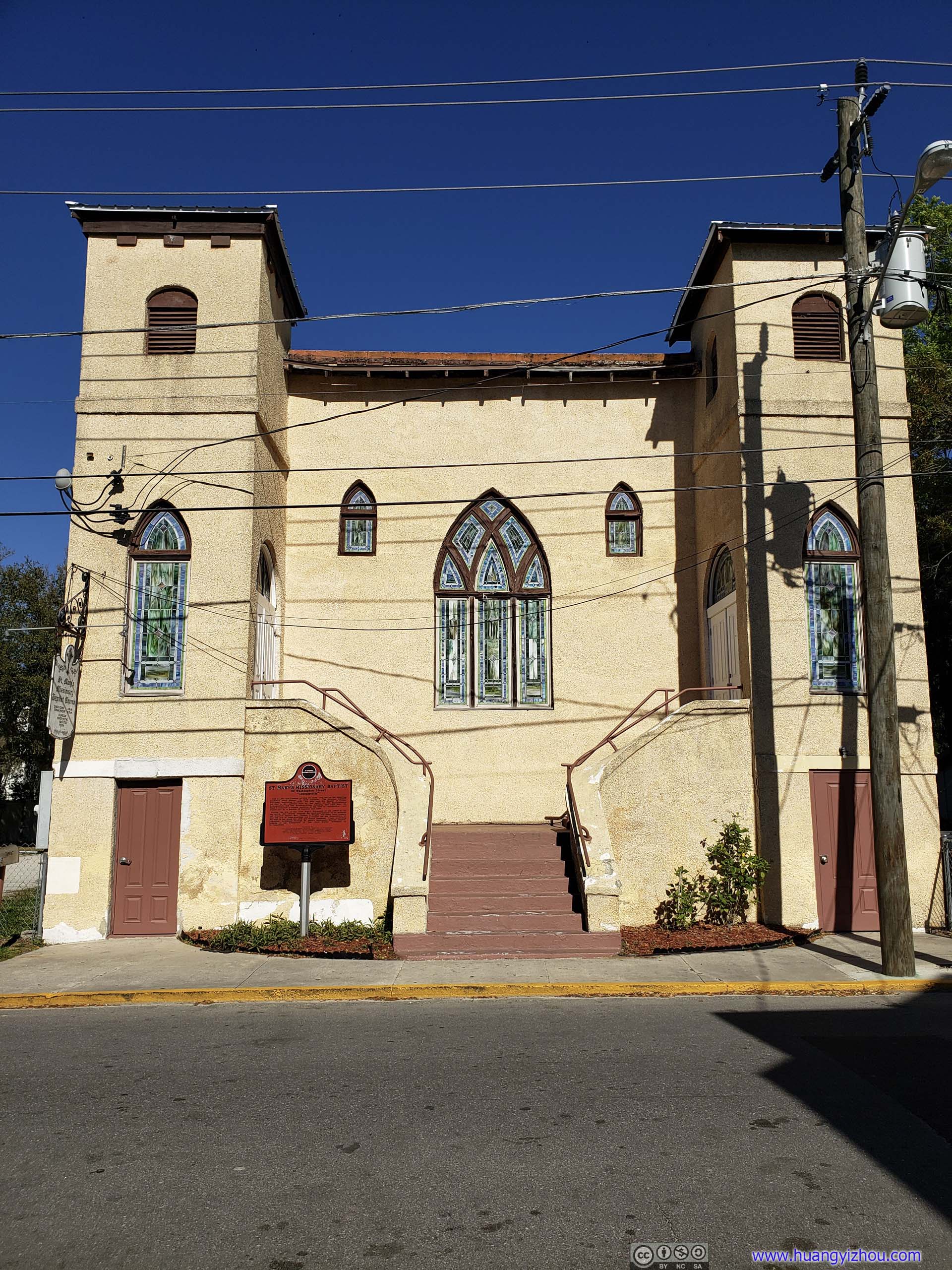
Click for details
This church was founded on May 25, 1875, and led by the inspiring Reverend Ivory Barnes, its first minister. The present edifice, occupied beginning in 1937, has held high the banner of Christ. Inspired in its earliest days by the spirit of The Emancipation Proclamation and The Reconstruction following The Civil War. St. Mary's occupies a unique position at the foot of Lincolnville, and stands tall as a beacon of freedom and hope.
During the era of the Civil Rights Movement of the 1960s in St. Augustine, this church, through the stout-heartedness of its minister and N.A.A.C.P. leader, Rev. Thomas A. Wright, and other local leaders was the site of mass-meetings and a respite for the foot soldiers on the road in the quest for civil and human freedoms. These crusading examples, sustained through St. Mary's Missionary Baptist Church ordains it the Birthplace of The Civil Rights Movement in St. Augustine.
From nearby information marker.
Alcazar Hotel / City Hall
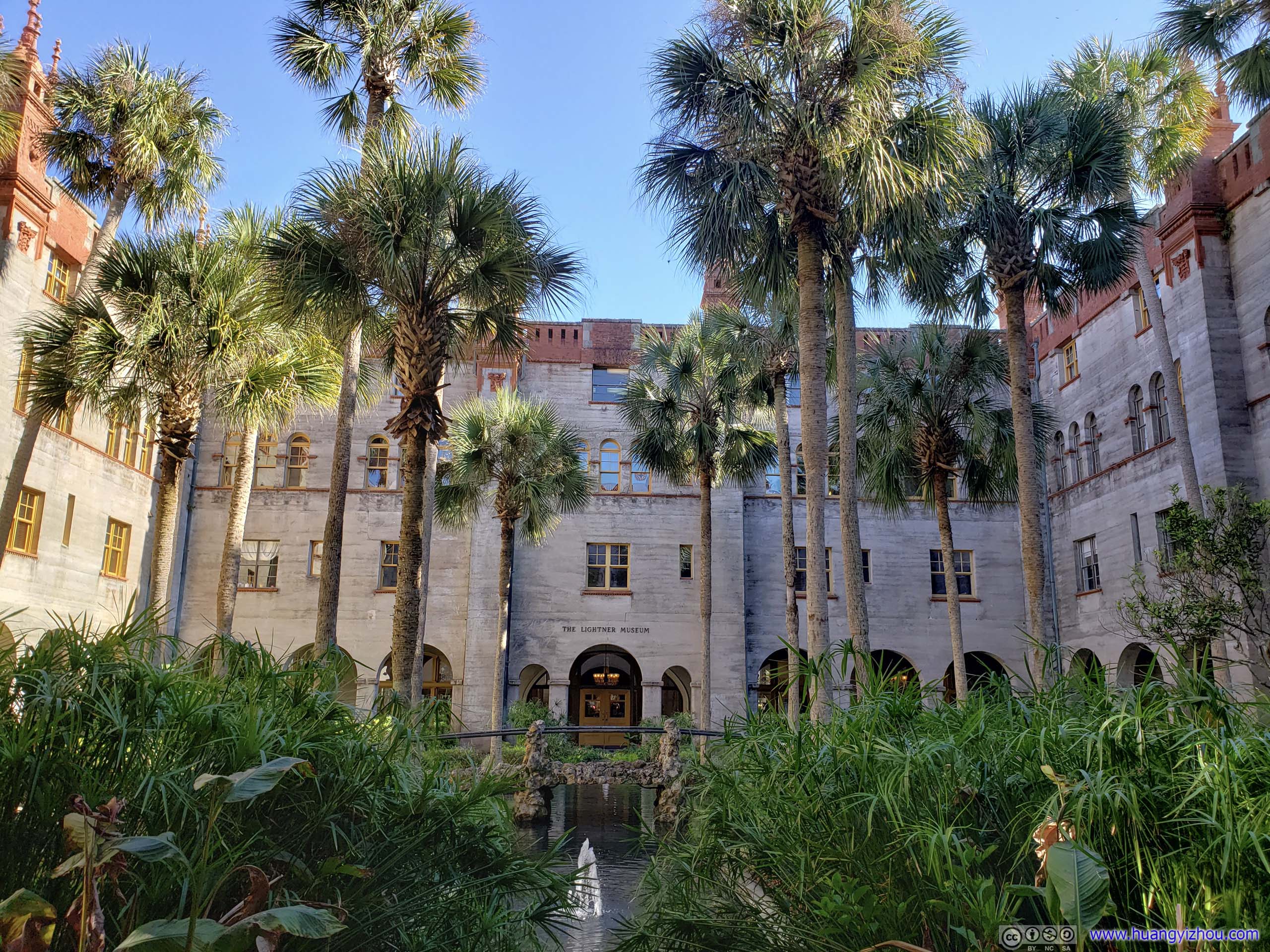
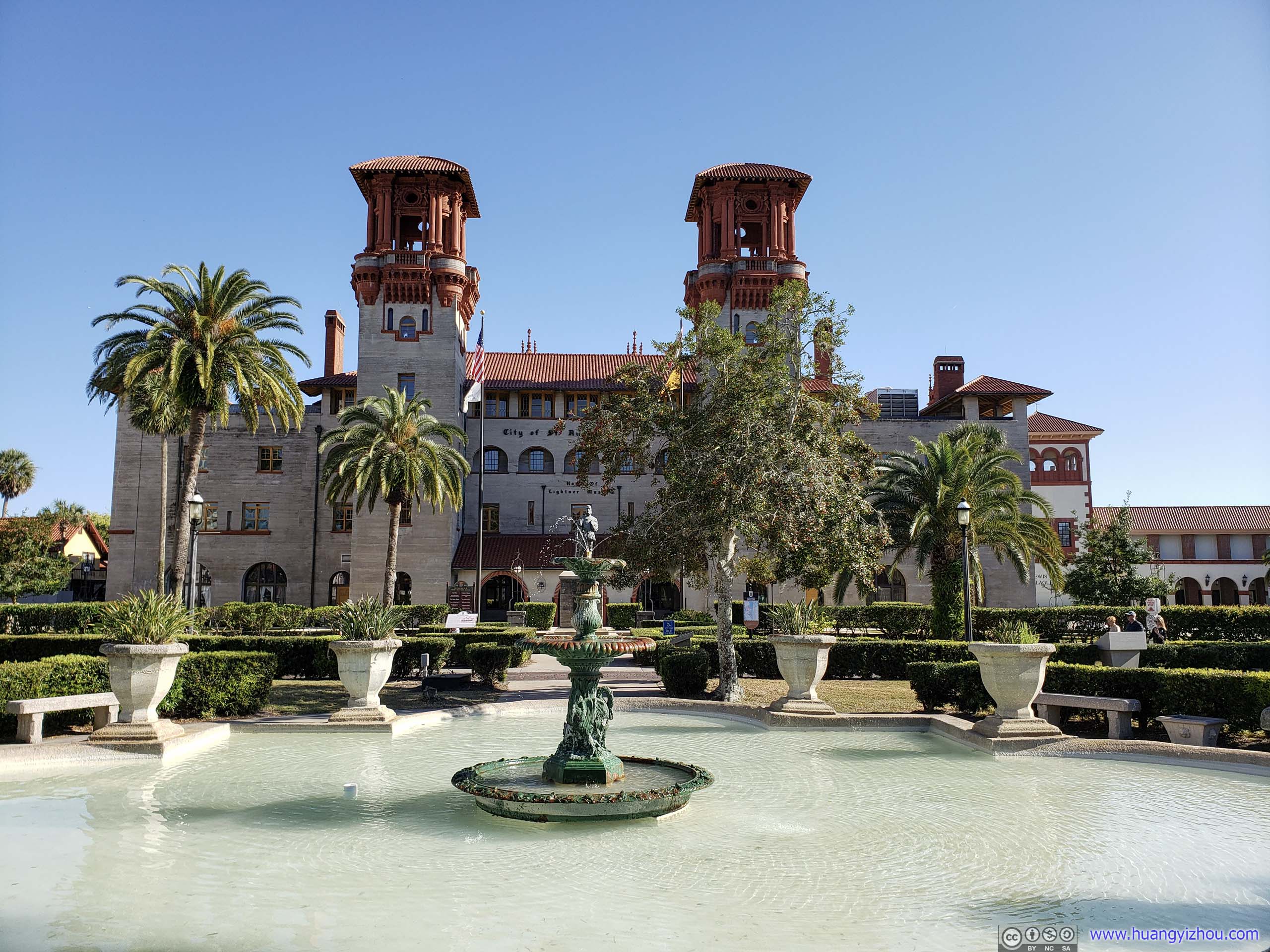
The Alcazar Hotel was built by Henry Flagler as a companion to the Ponce de Leon Hotel across the street in 1888. The hotel closed in 1932, and publisher O.C. Lightner purchased the building in 1947 and deeded it to the city for a museum. Today the forward section of the building was St. Augustine City Hall, and the rear section was Lightner Museum.
By the time I arrived, it was approaching the museum's closing time, so I did a quick tour of the former hotel's courtyard portion.
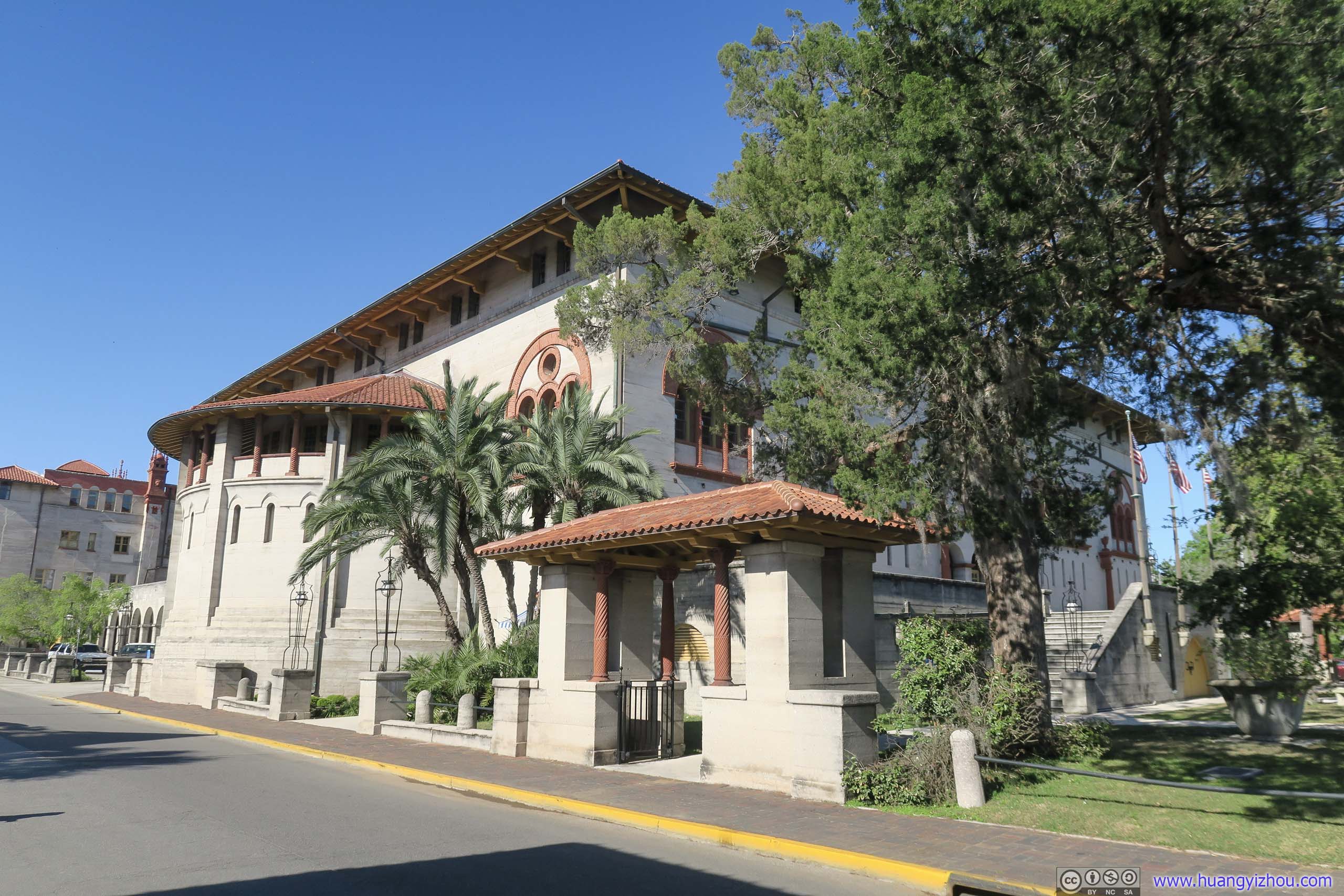
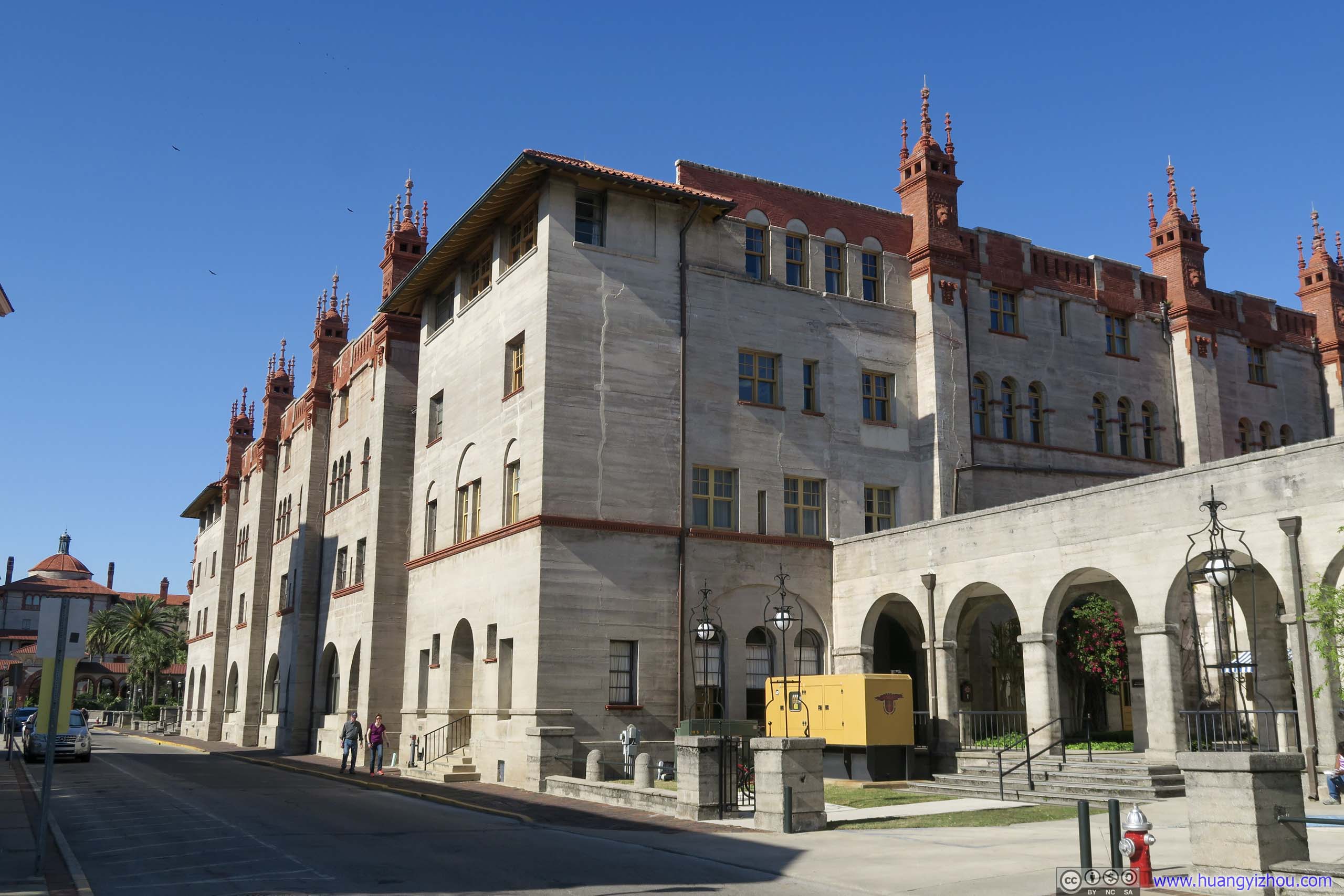
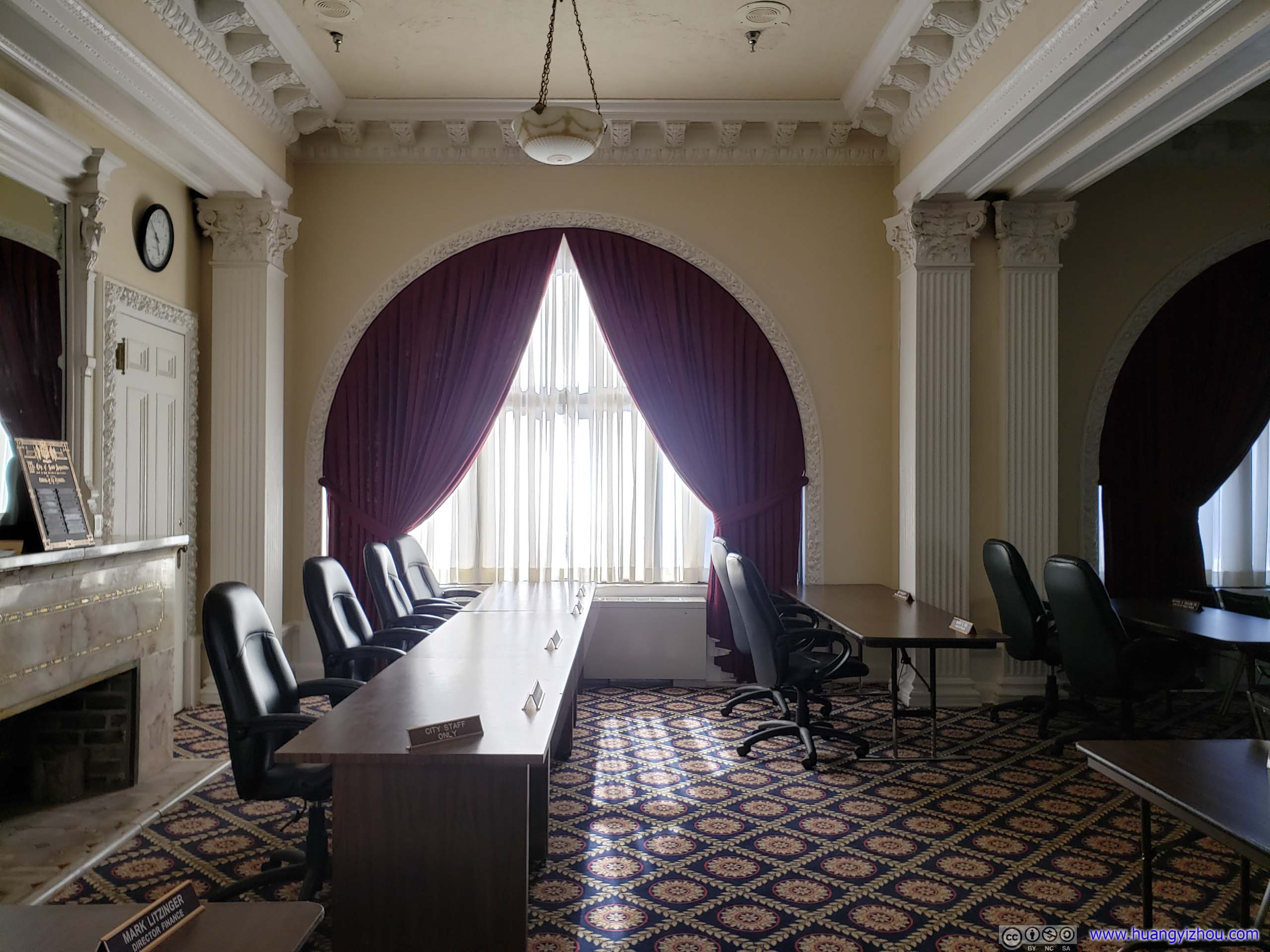
Part of City Hall.
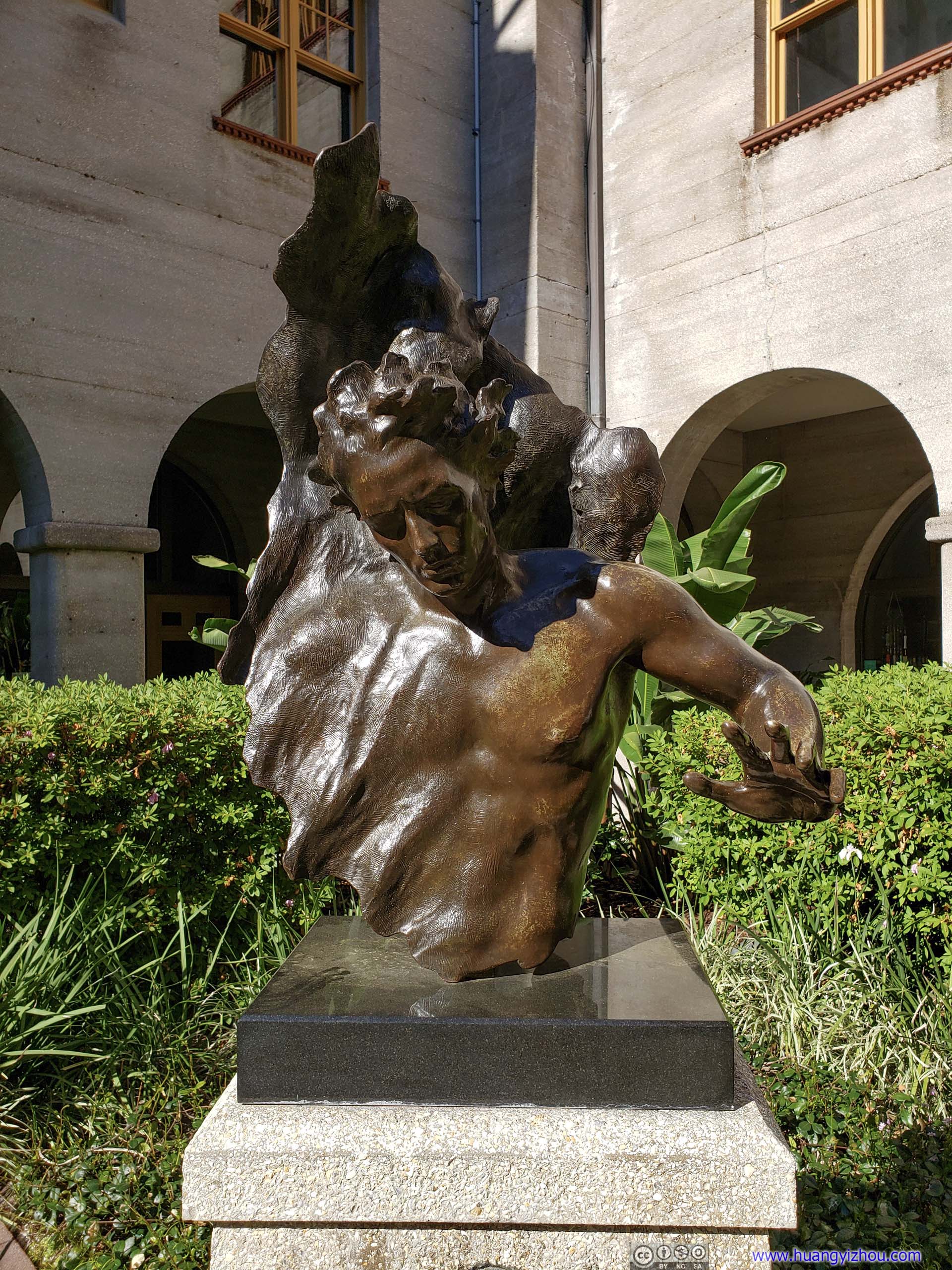
A statue whose name in English meant “Out of Nothing”. It stands as an eloquent metaphor for humankind always “becoming”, ever in a state of rebirth and reaffirmation of all the possibilities in being human, of the process of evolving into one’s own future.
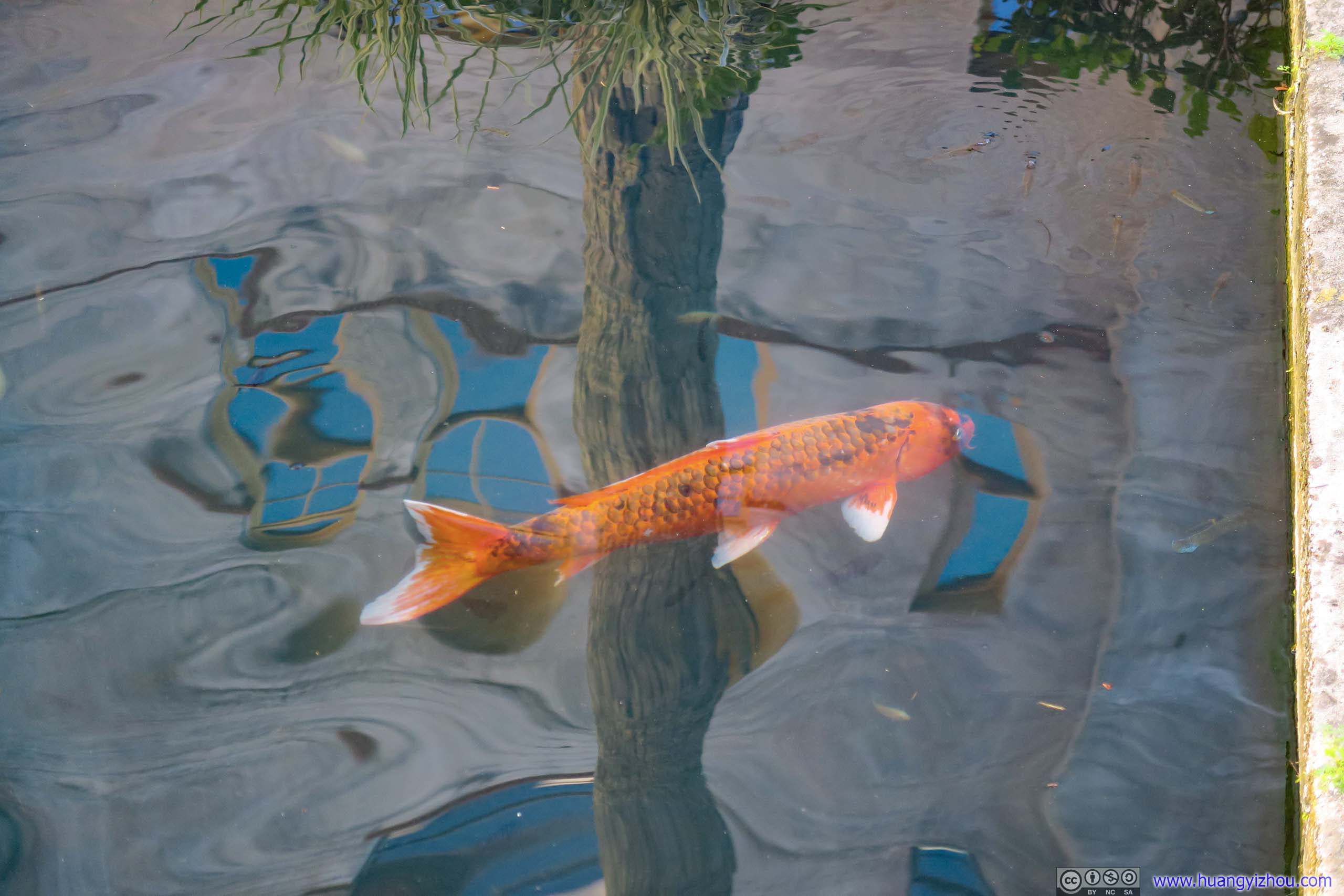

Ponce de Leon Hotel / Flagler College
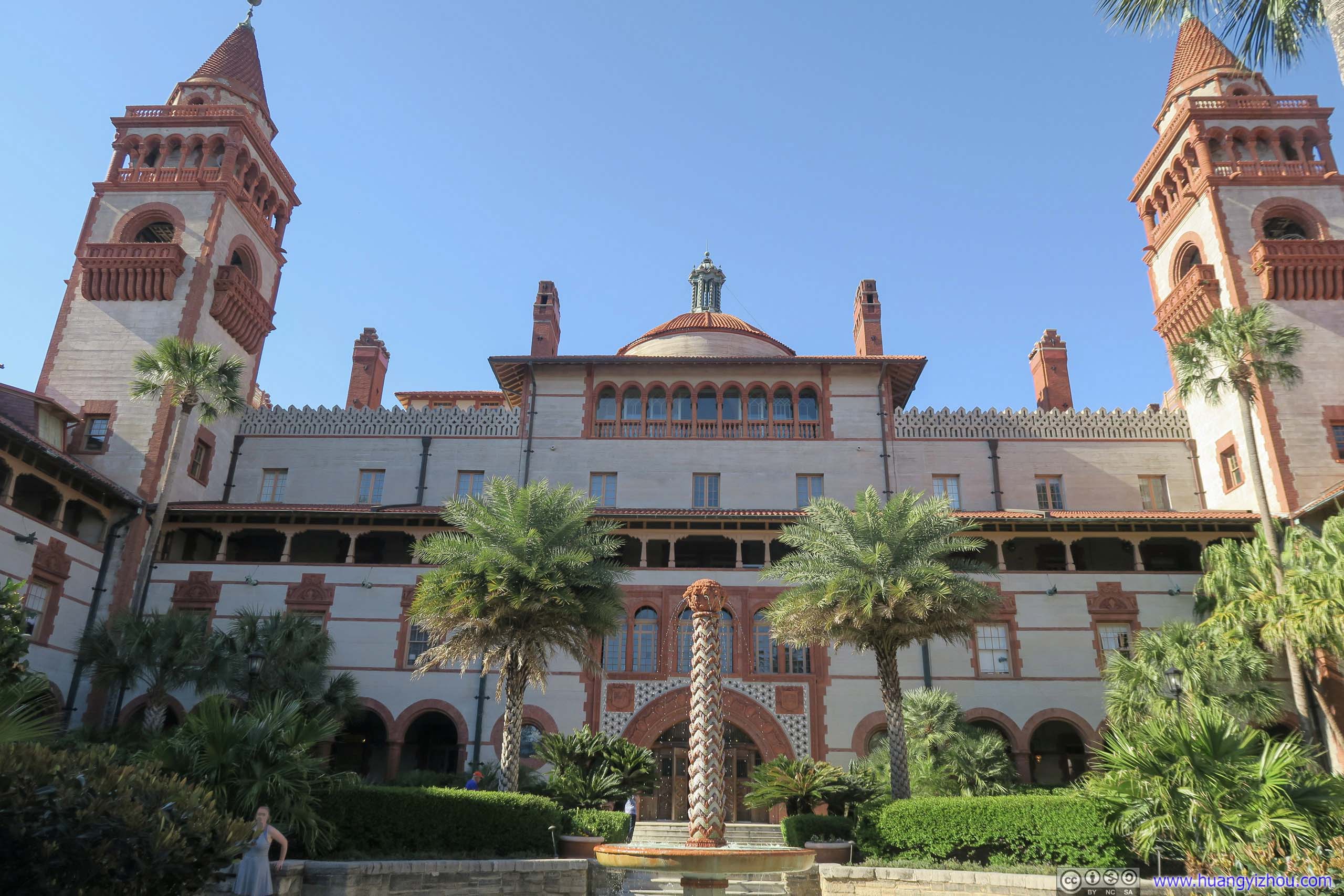
It’s the first hotel that railroad magnate Henry Flagler built in St. Augustine, between 1885 and 1887, with ornate decorations from various designers serving as the flagship of the Flagler hotel system. Following declining visitor numbers, the hotel building was converted to Flagler College, a liberal arts college, in 1968.
It seemed that Mr. Flagler hotels didn’t end up too well in St. Augustine. Wikipedia attributed it partly to the extension of Florida railroad, allowing people to take vacations farther south. So it’s his railroad company that destroyed his hotel chain, must be sad.
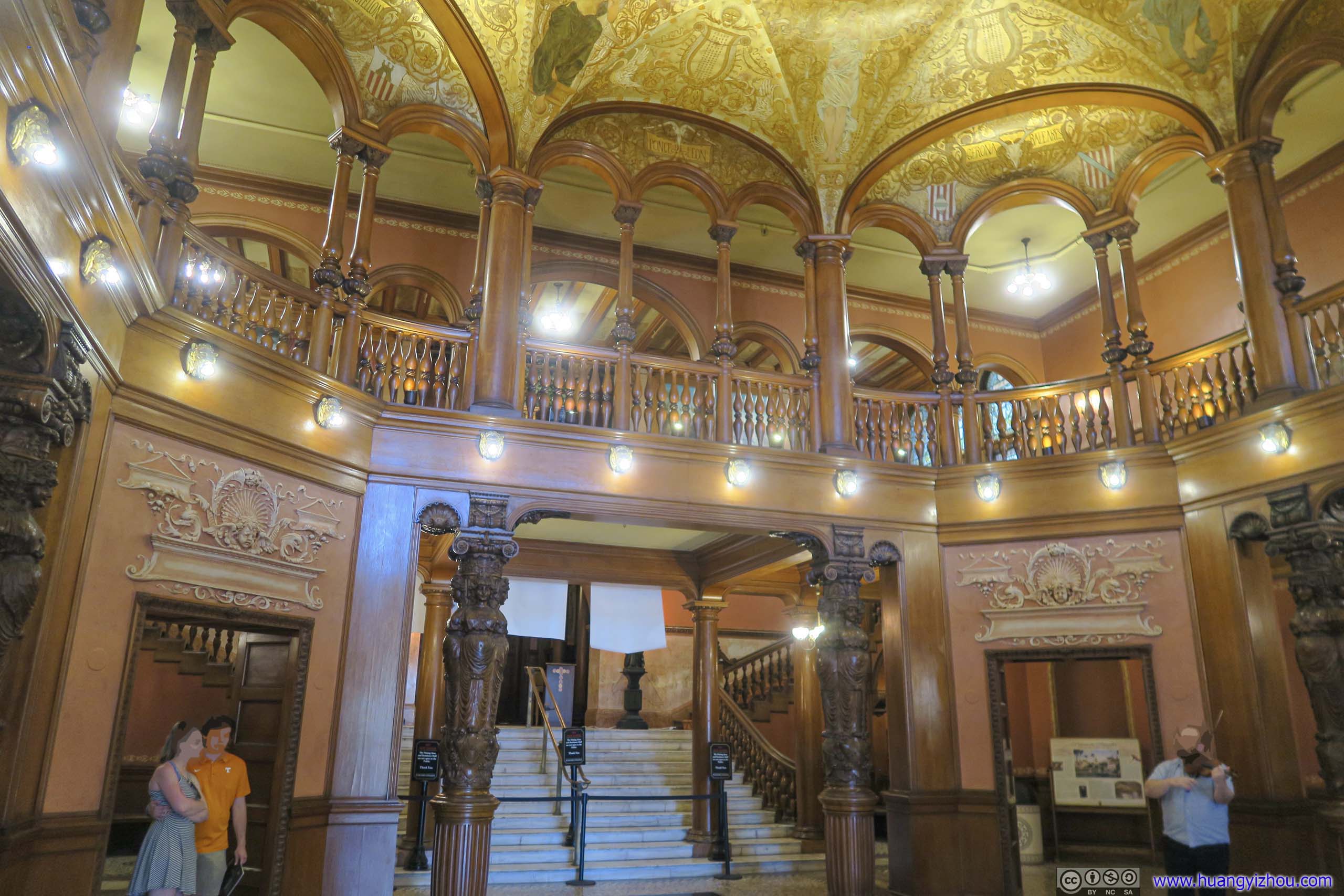
Amazingly, there was a violinist playing in the former hotel lobby, sign of well-preserved history as if one was brought back to the building’s old glorious hotel days.
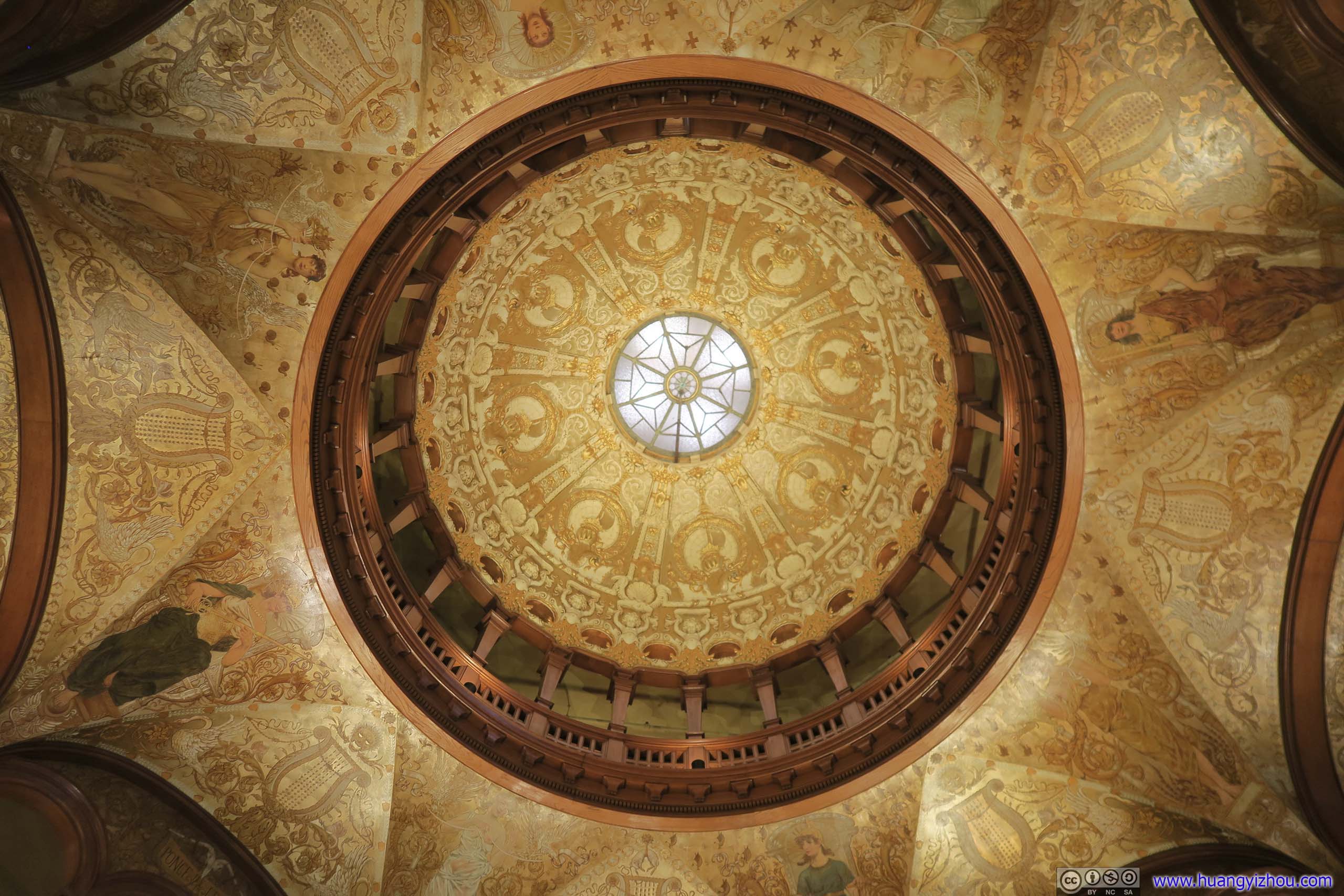
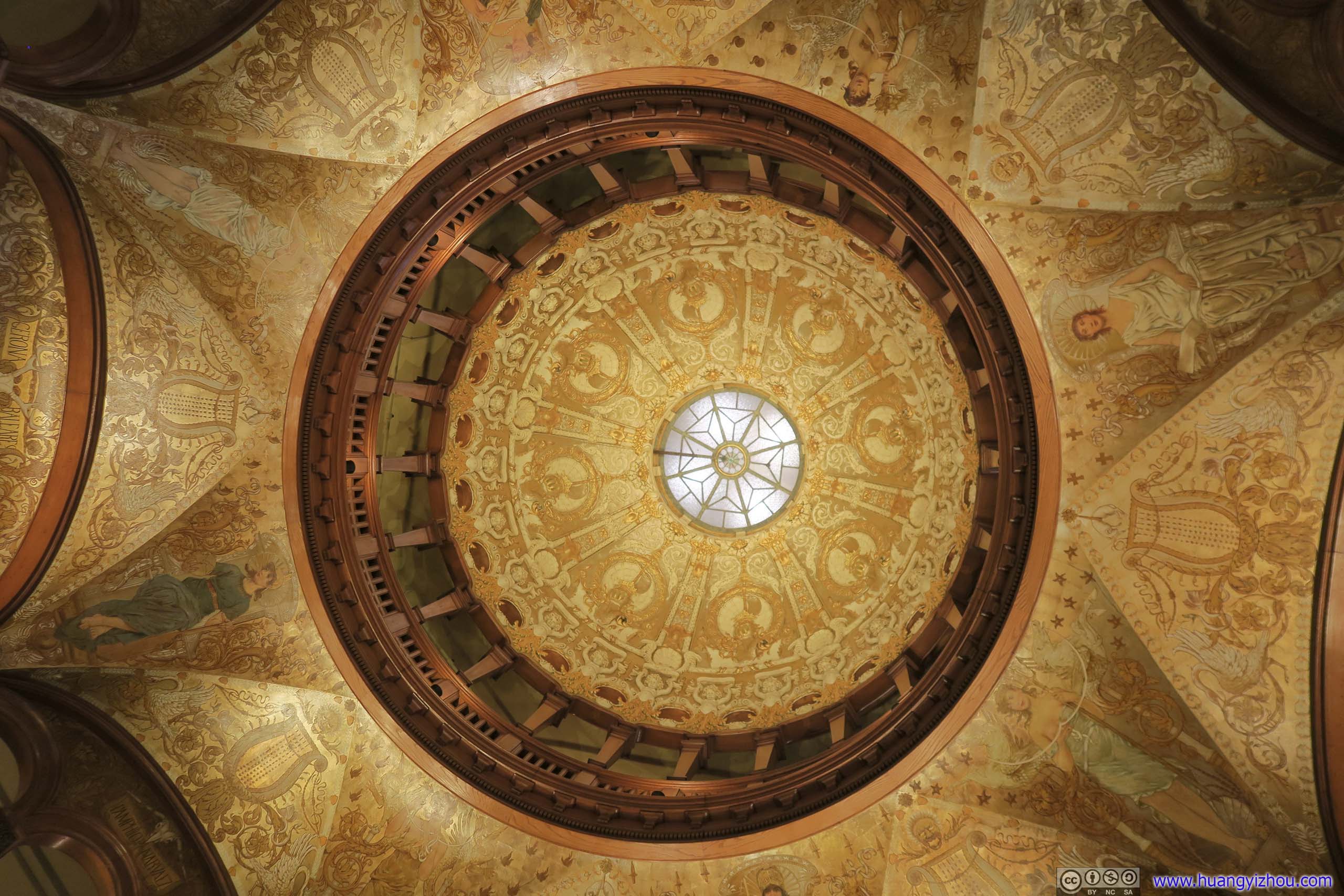
Eight female figures were painted on the dome, four representing four elements, fire, earth, air and water, and four representing four stages of Spanish exploration, adventure, discovery, conquest and civilization.
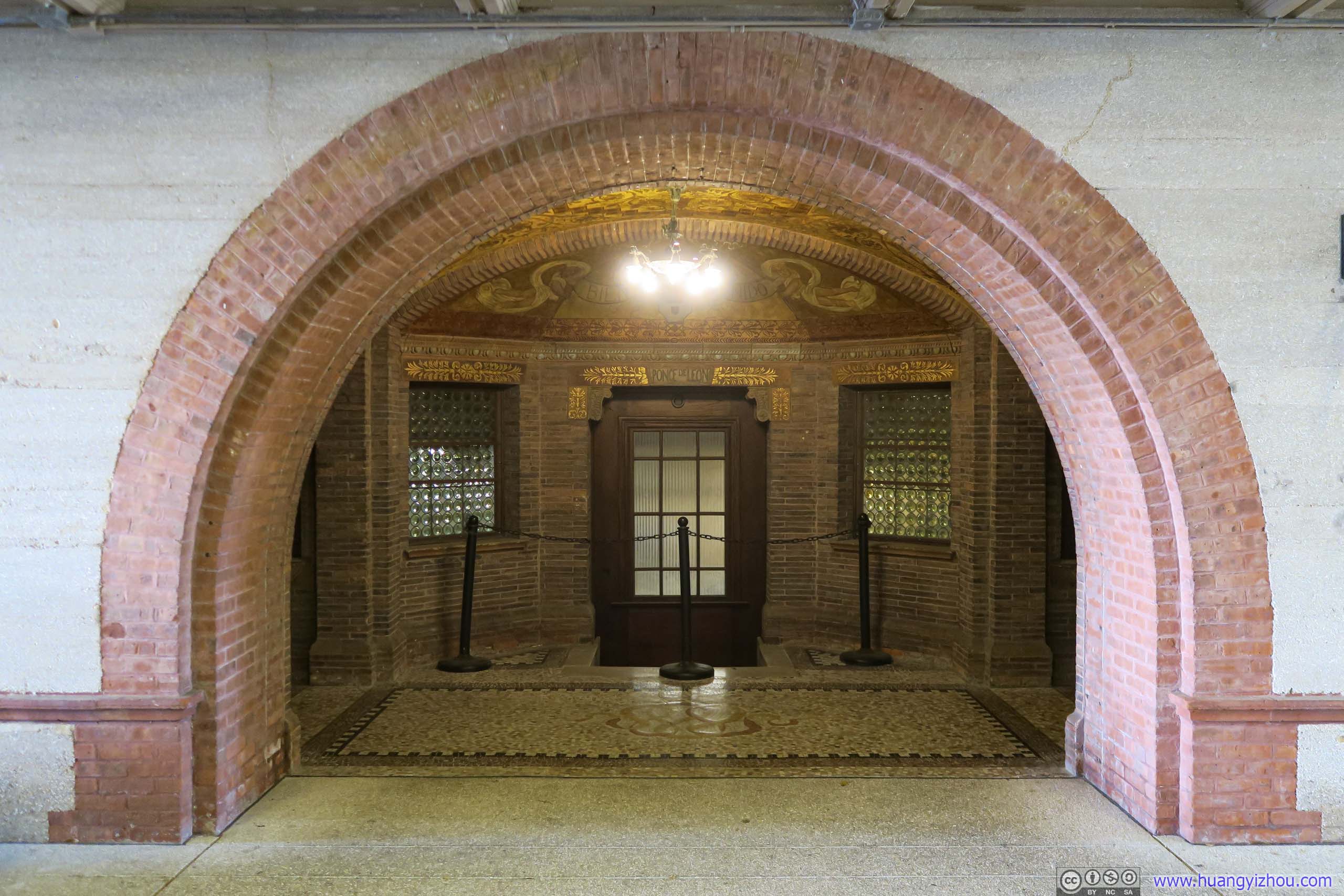
For automobile dropoff when the building was still a hotel.
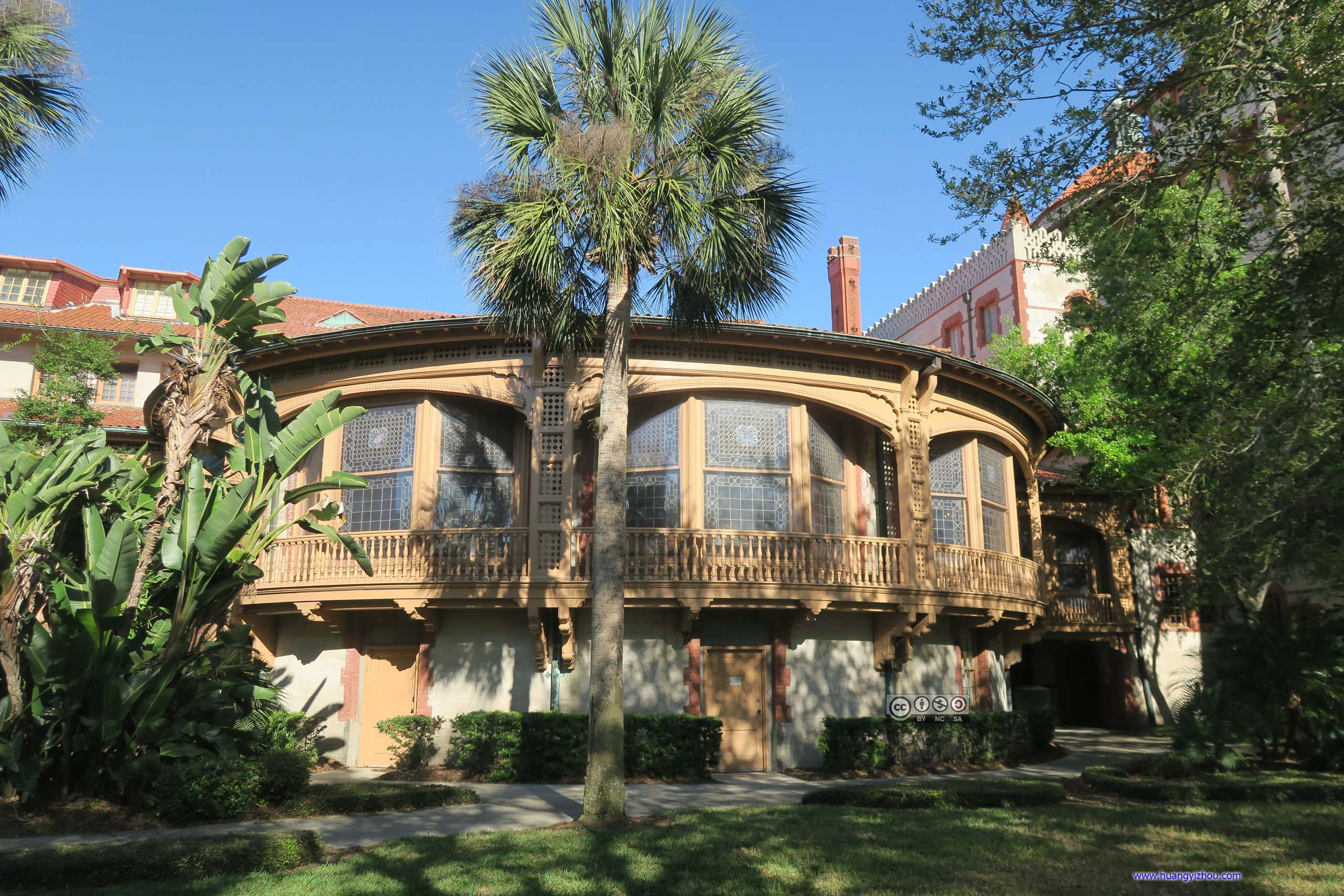
Used to be hotel dining hall with what’s believed to be the largest private collection of Tiffany stained glass windows in the world. Today, the room was off visitor limits, but students at Flagler College would dine in this elegant room.
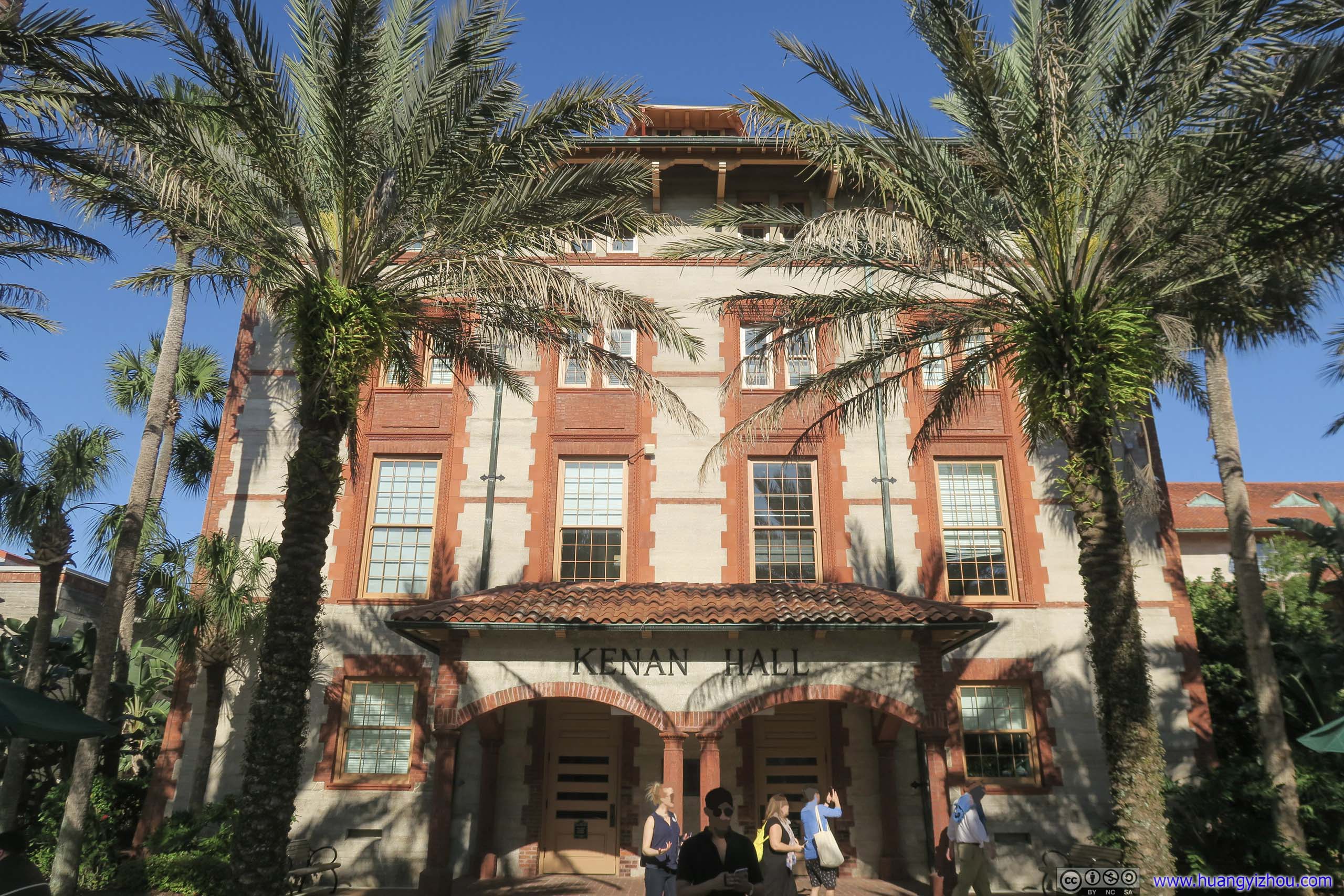
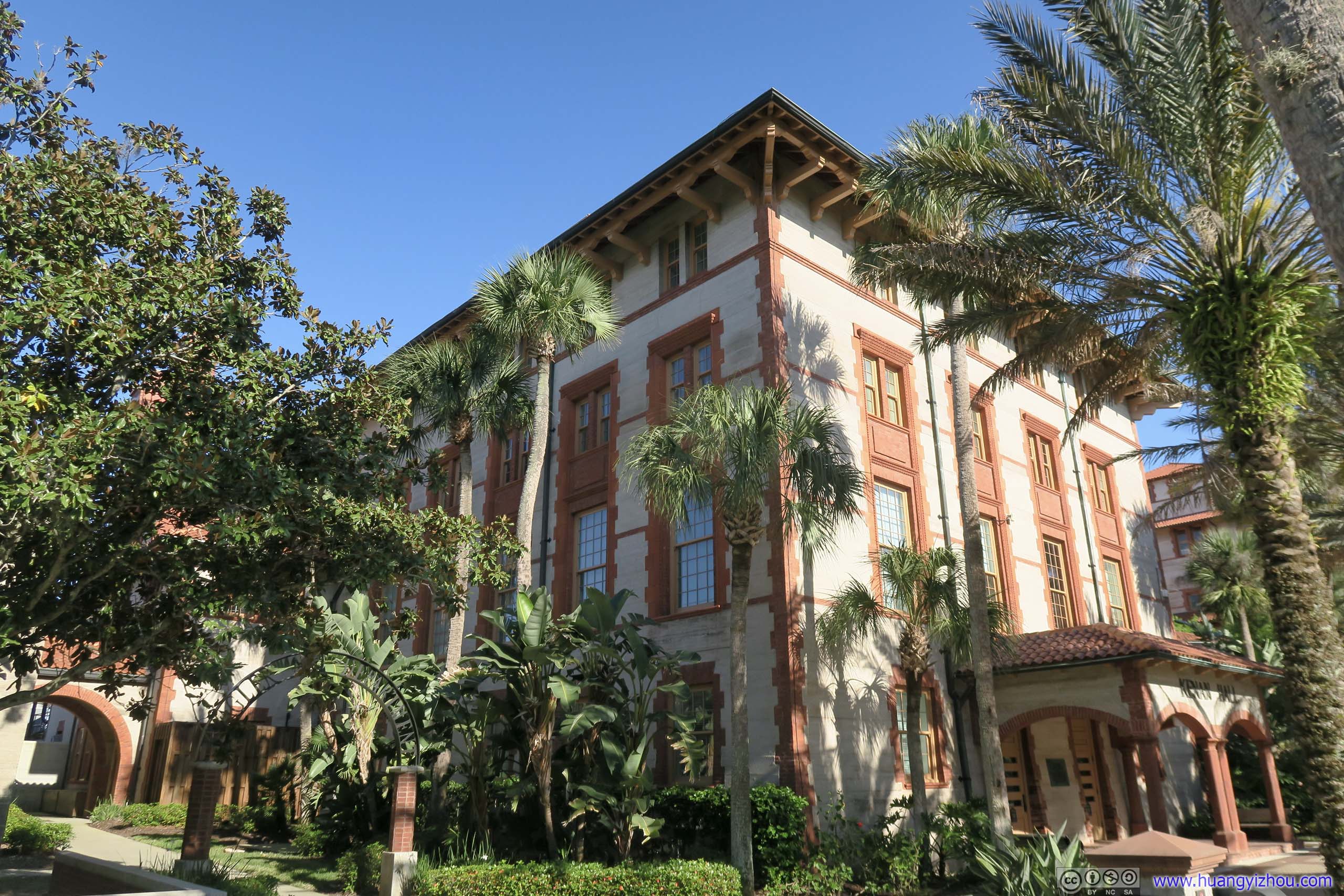
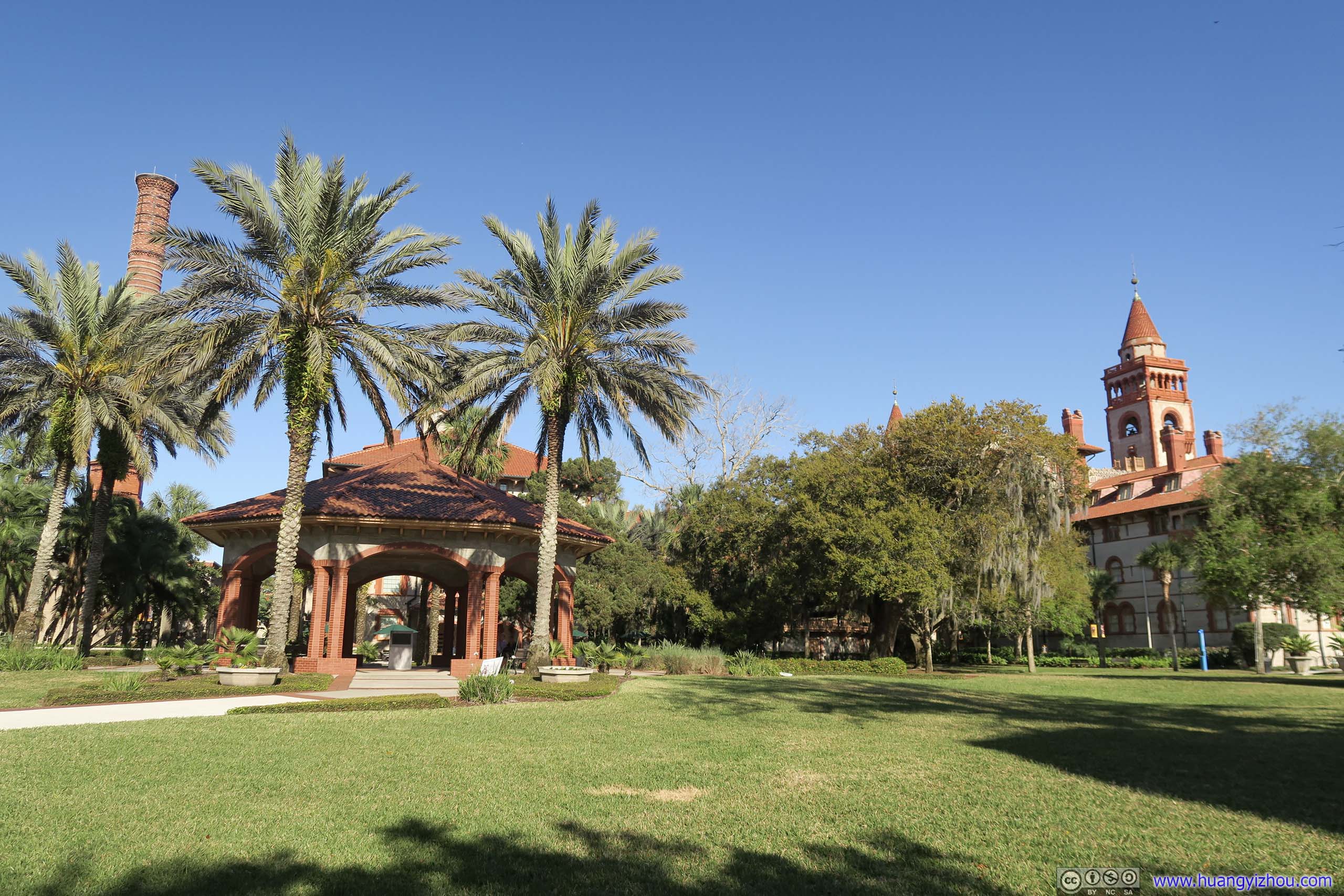
Nearby, there is Flagler Memorial Presbyterian Church. It seemed that the church building was closed, so I just took a tour outside.

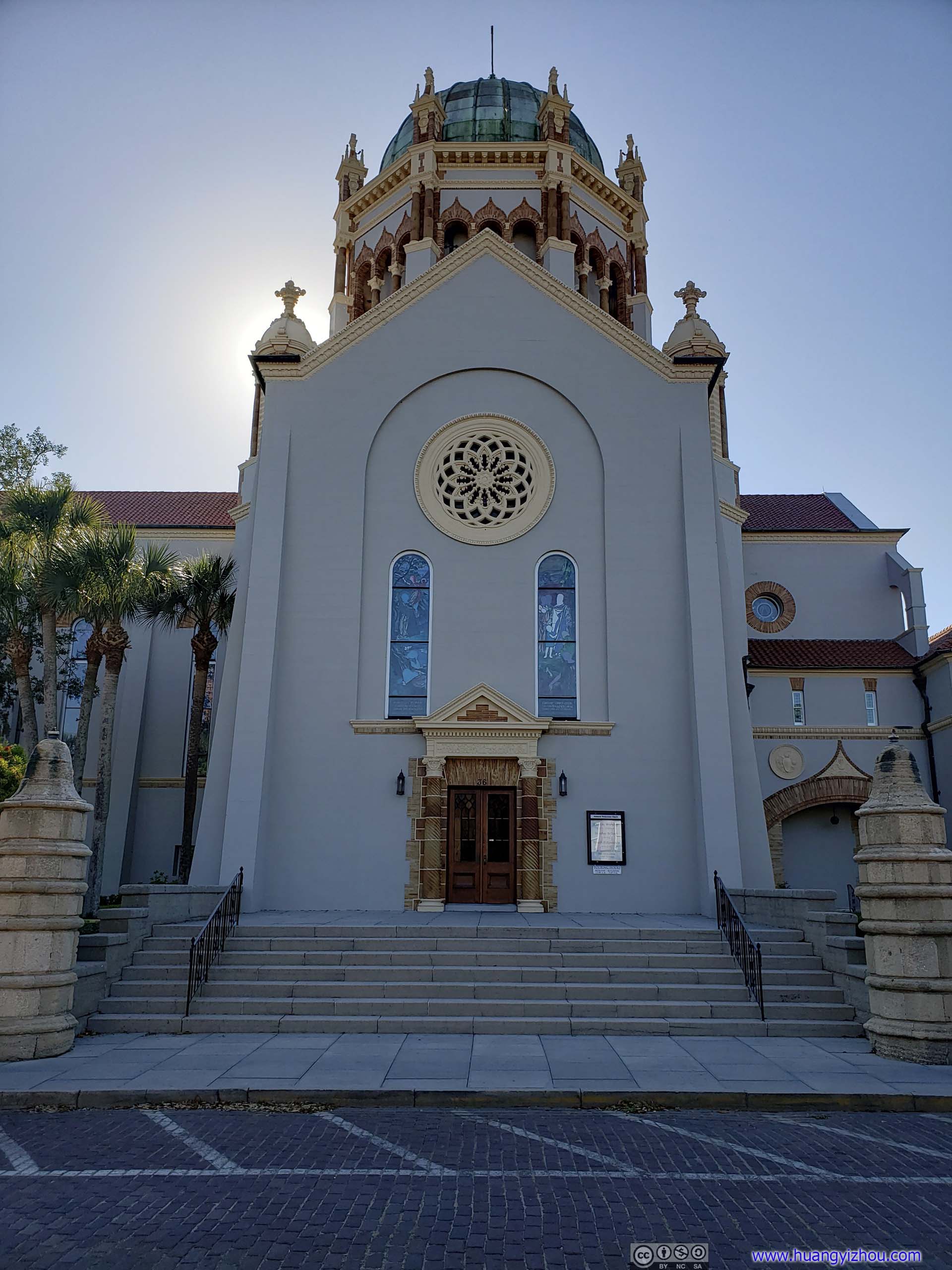
Upon his daughter's death, Flagler, a life-long member of the Presbyterian Church, donated the land and church building to the Presbyterian congregation. While the building was designed by the same architect as his other buildings in St. Augustine (the Hotel Ponce de Leon, the Hotel Alcazar), the style was very different. Visually, there was more of the color gold, and less red.
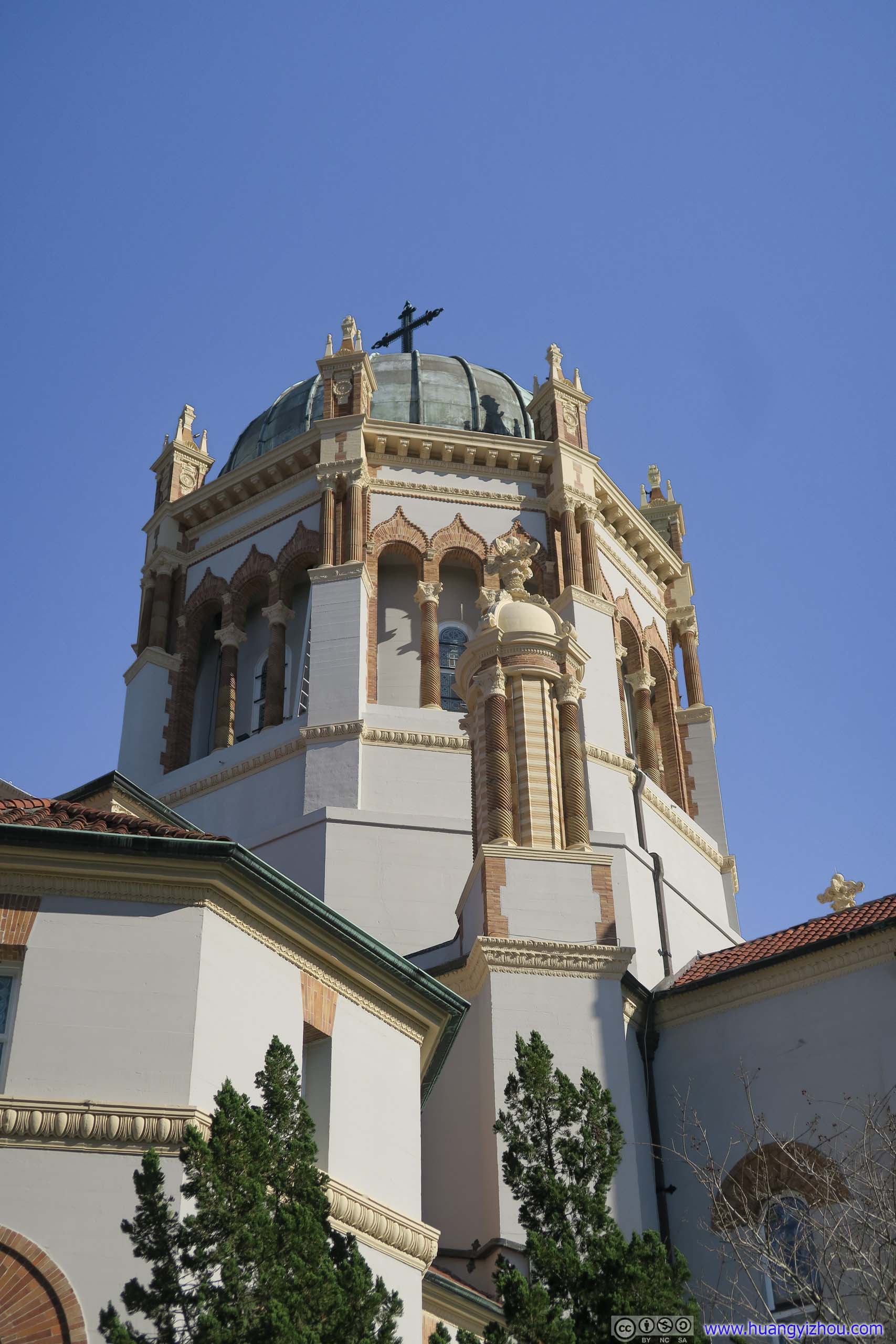
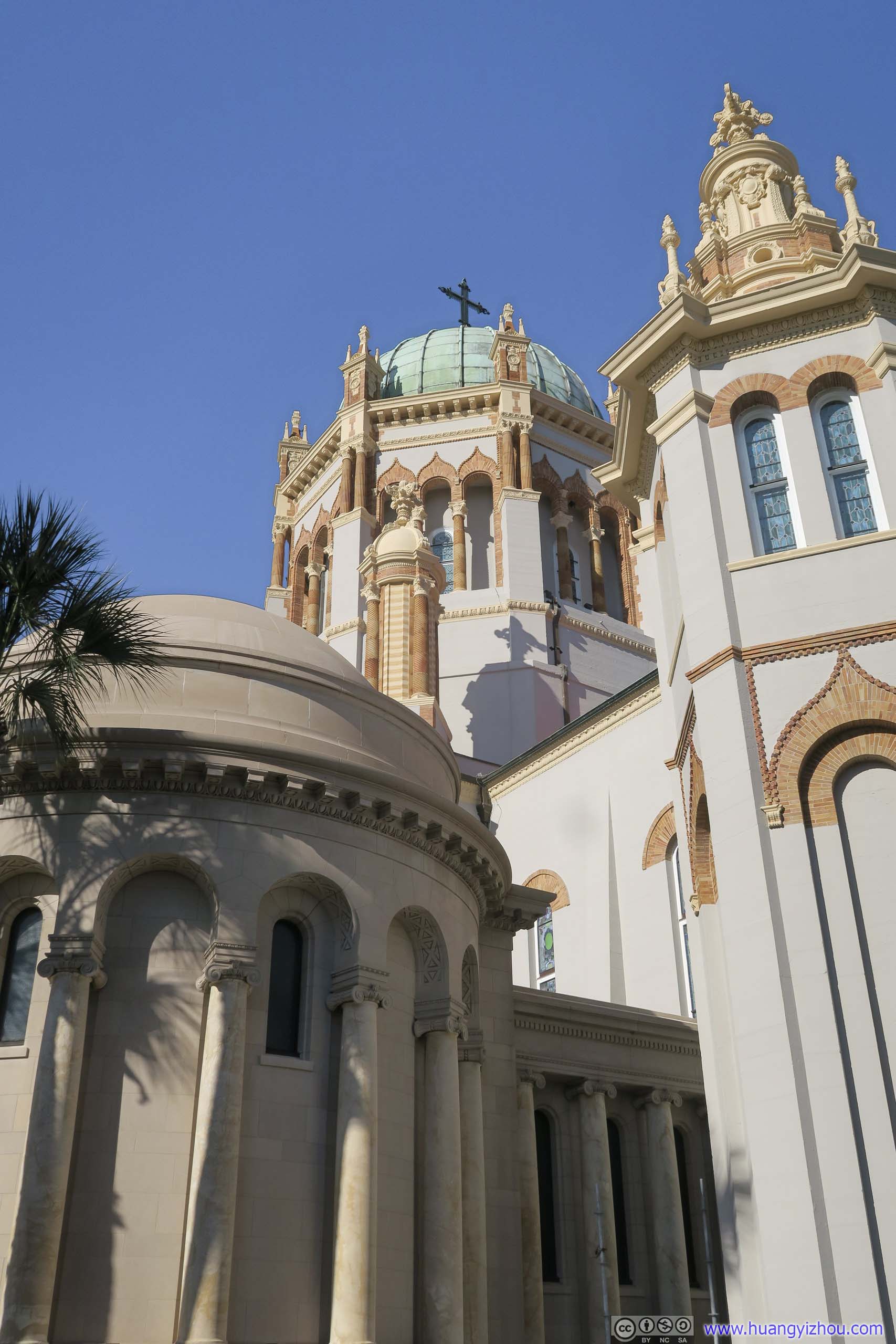
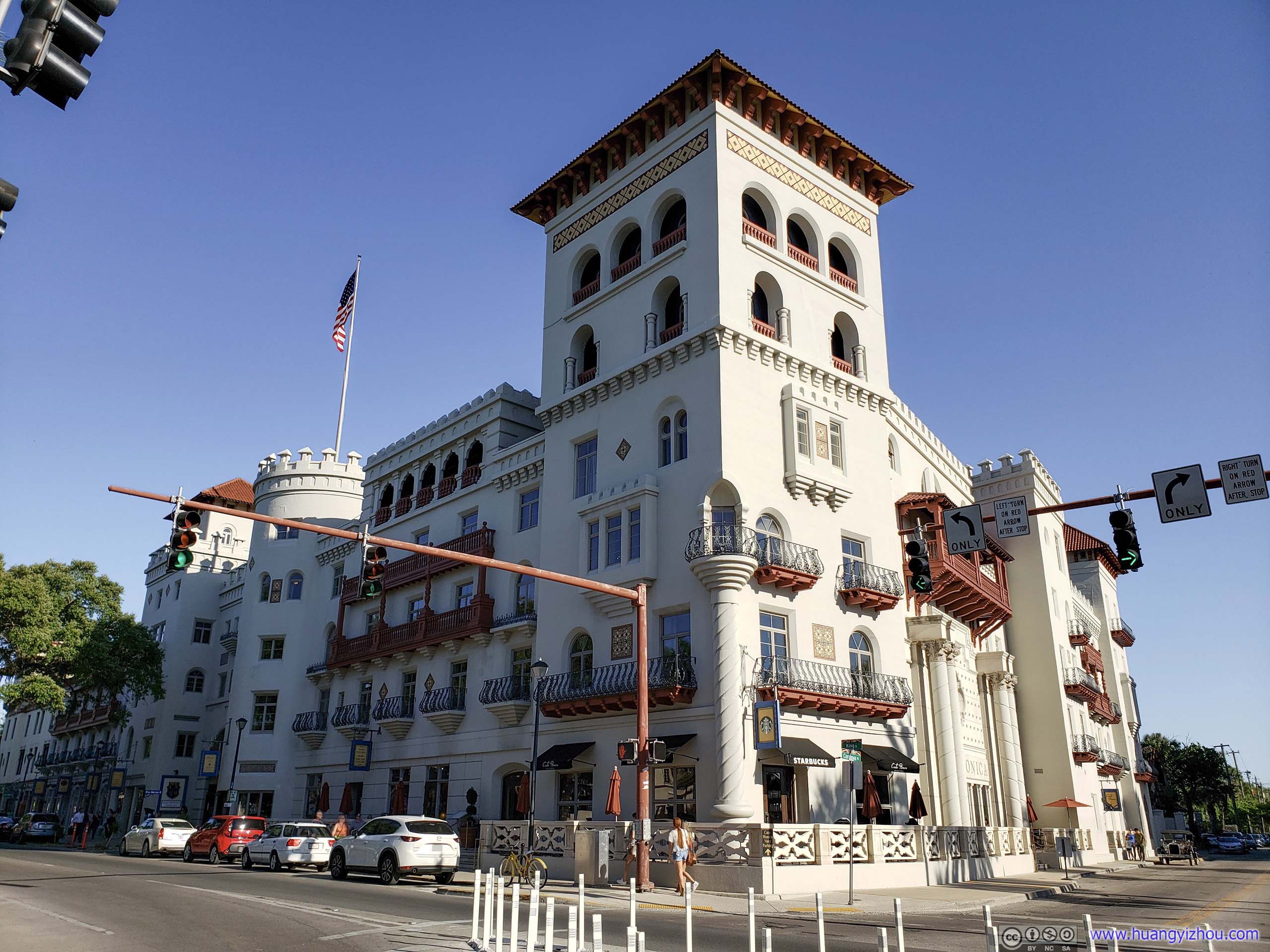
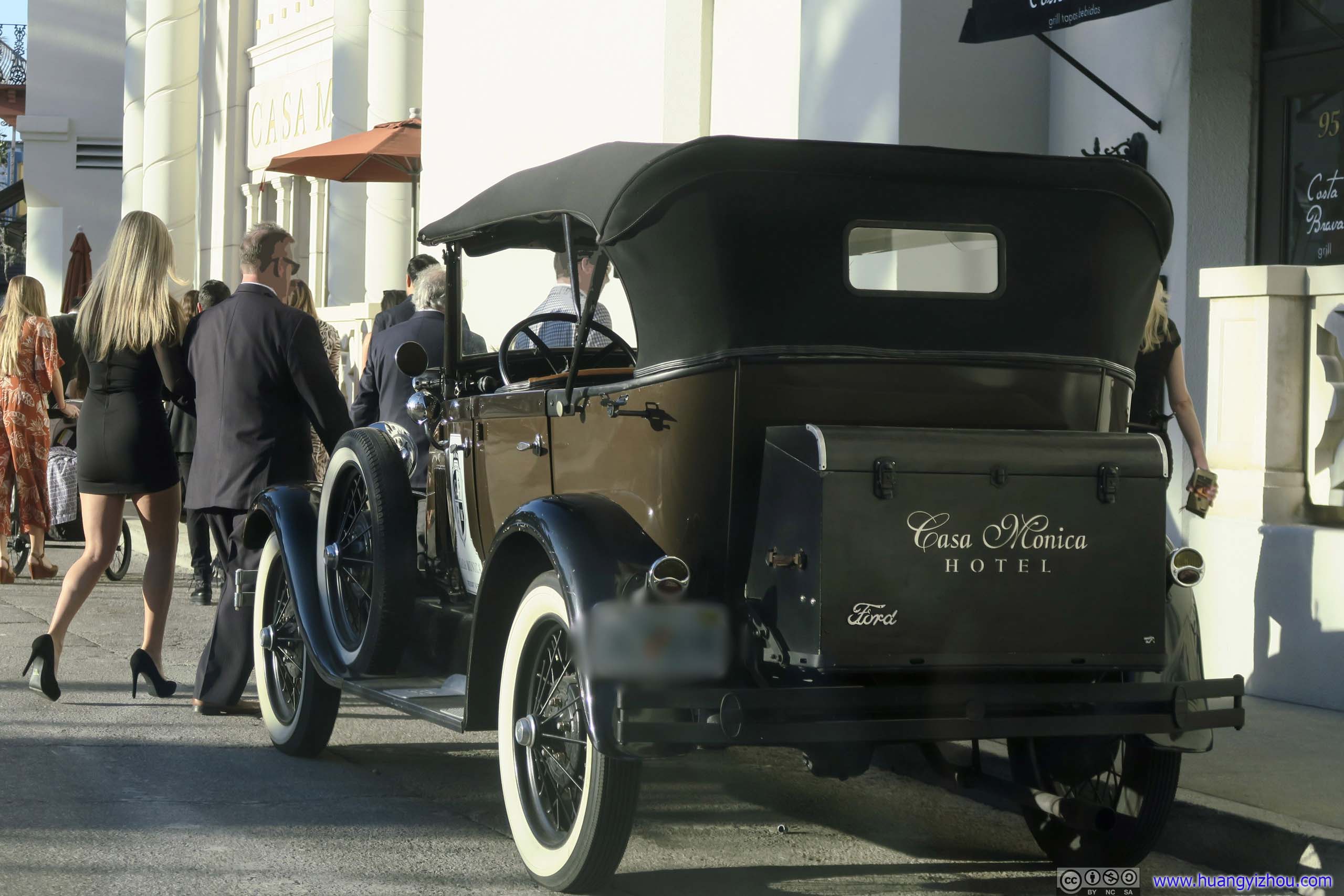
Then I wandered back to the former Flagler Hotels. Across the street, there's Casa Monica Hotel which was now under Marriott collection, with a very interesting vintage car parked on its doorstep. It seemed that hotels in the town just didn't want to lose grip of history.
Plaza de la Constitución

From the 16th century, a building on this site served as an administrative center for almost 250 years under Spanish and British rule, and as an American federal building from 1821 to 1966. The façade from the street looked not too different from paintings back in the 18th century.
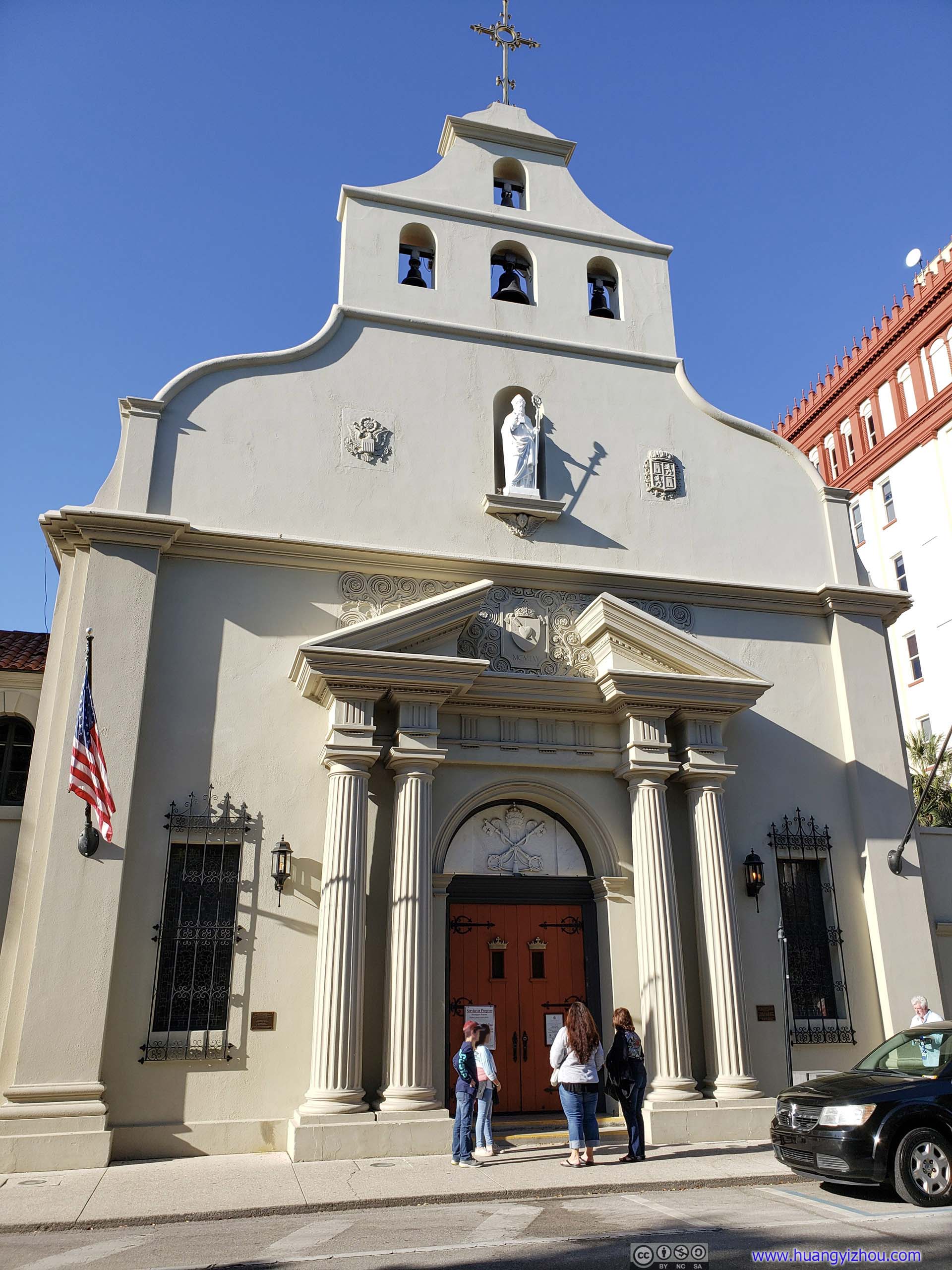
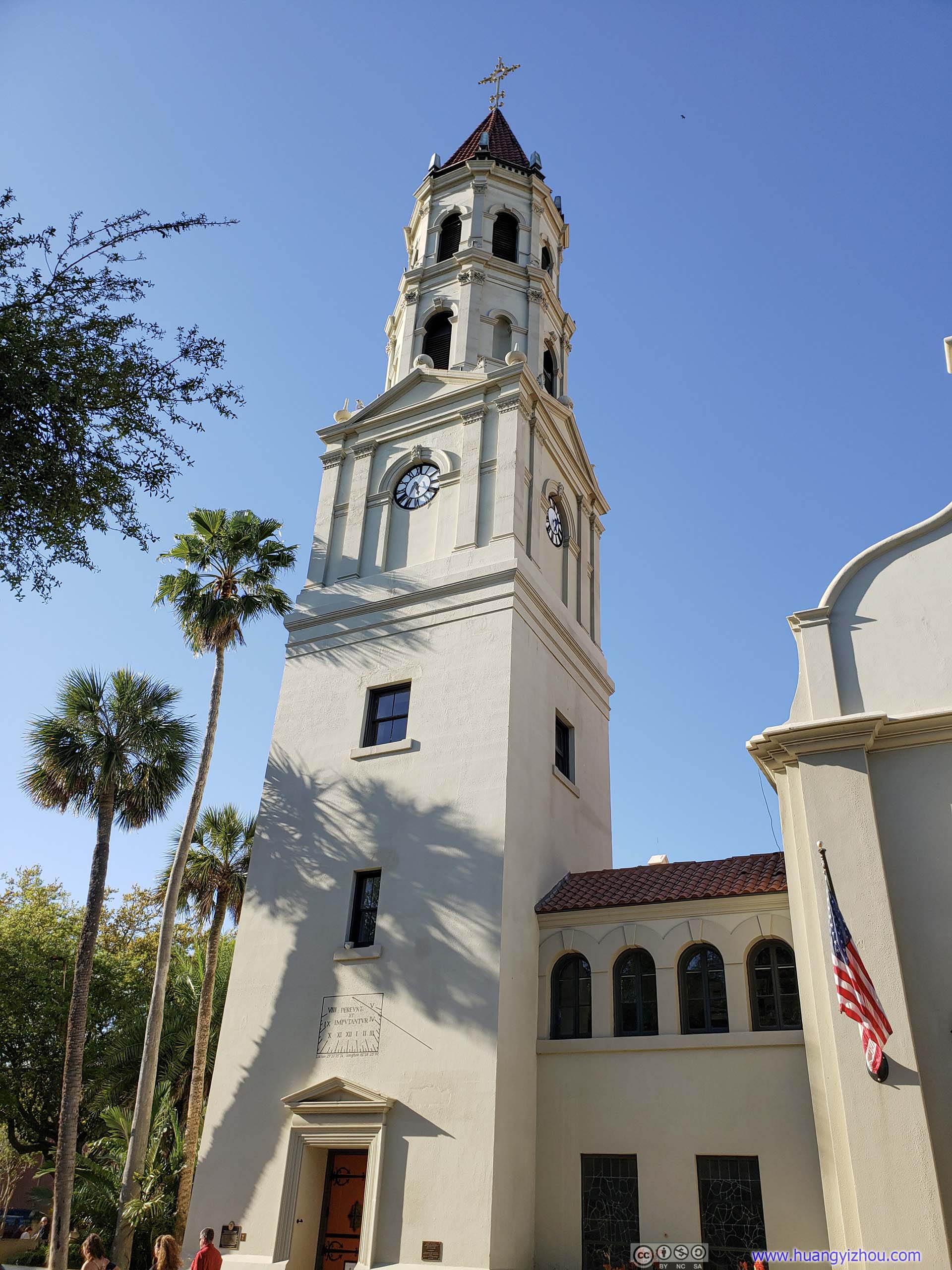
Click for details
The parish of St. Augustine, which dates from the celebration of a mass on September 8, 1565, by the Spaniard Pedro Menedez and his men, is the oldest Catholic parish within the present-day United States. During Queen Anne's War, the English Governor of South Carolina, James Moore, raided St. Augustine and destroyed an earlier church. Plagued by financial difficulties, the parish was unable to construct a new church until this coquina edifice was begun in 1793. Completed in 1797, it became a cathedral in 1870 when St. Augustine was elevated to a diocese. Augustin Verot was invested as the first bishop. In 1887, fire severely damaged the cathedral, but the facade and walls remained standing and were preserved when the building was restored in 1887-1888. The chancel, transept and campanile were added at that time. Further restoration was carried out in 1965.
From nearby information marker.
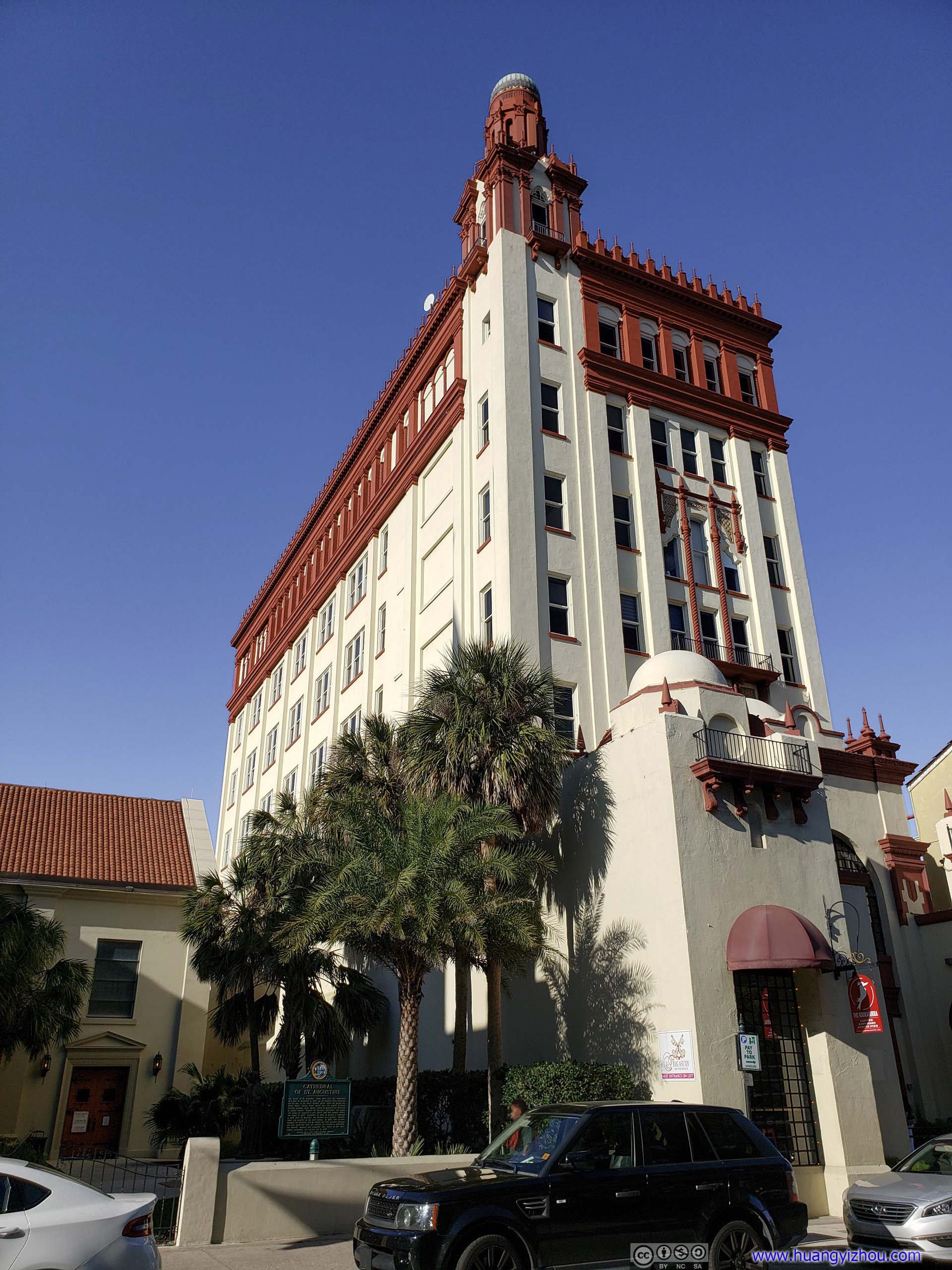
Originally opened in 1927 as the area’s central bank, the building was remodeled as an event venue nowadays.
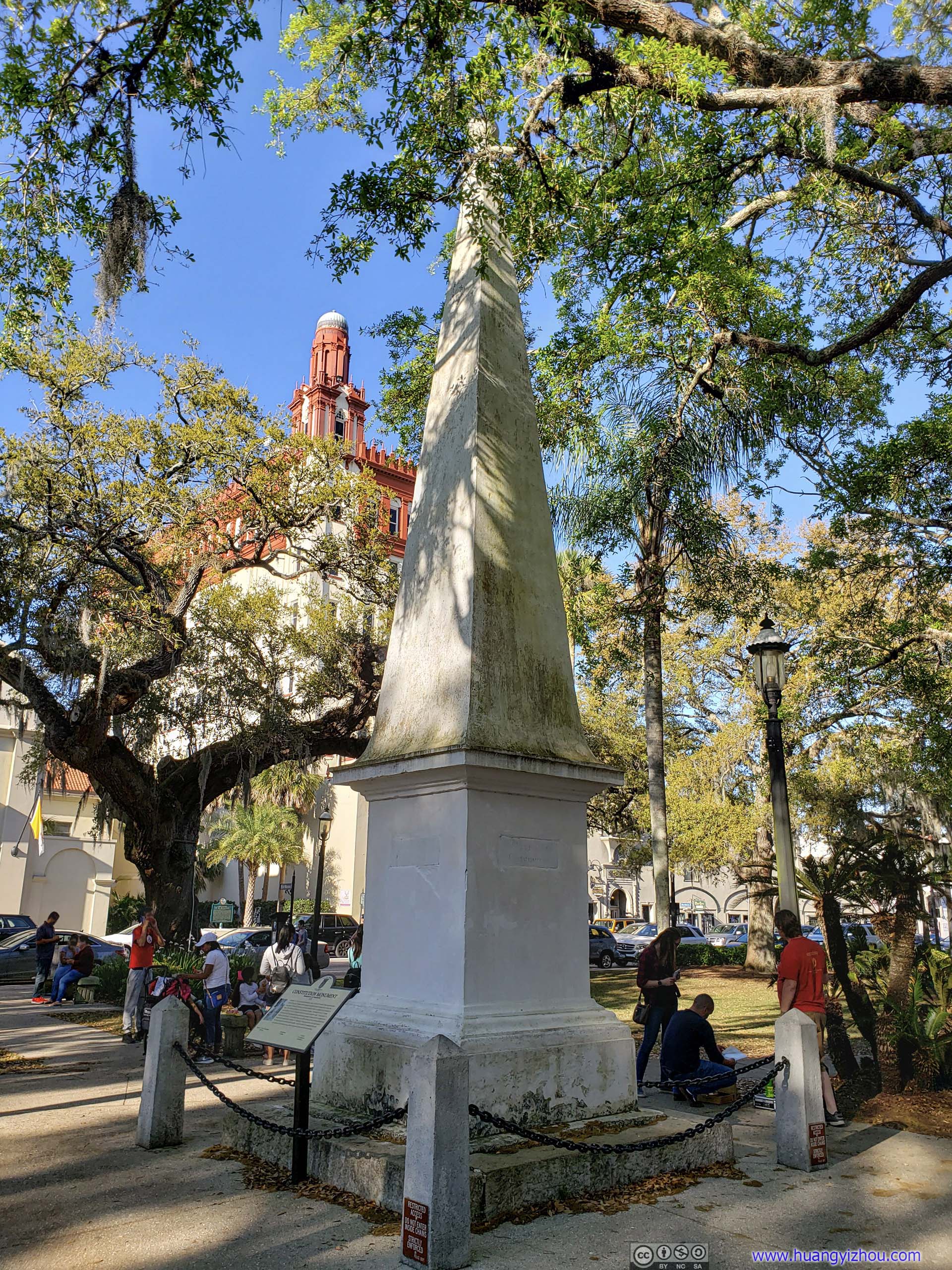
Click for details
On March 19, 1812, the Spanish Parliament in Cadiz wrote the first Spanish Constitution and issues a Royal Decree for all Spanish towns throughout the empire to build monuments and rename their main plazas La Plaza de la Constitucion in commemoration of the new constitutional government in Spain. The Constitution Monument in St. Augustine, the capital of Spanish colony of Florida, was constructed in 1813 in celebration of the newly formed government in Spain. On September 15, 1814, news arrived from Havana that the constitutional government in Spain had been overthrown and returned to Monarchy. A second Royal Decree was issued to destroy all the constitution monuments throughout the Spanish empire worldwide. St. Augustine’s officials resisted the order and refused to tear down what they had sacrificed much to build. It is believed that the Constitution Monument in St. Augustine is the only surviving, unaltered monument in the world from this campaign.From nearby information marker.
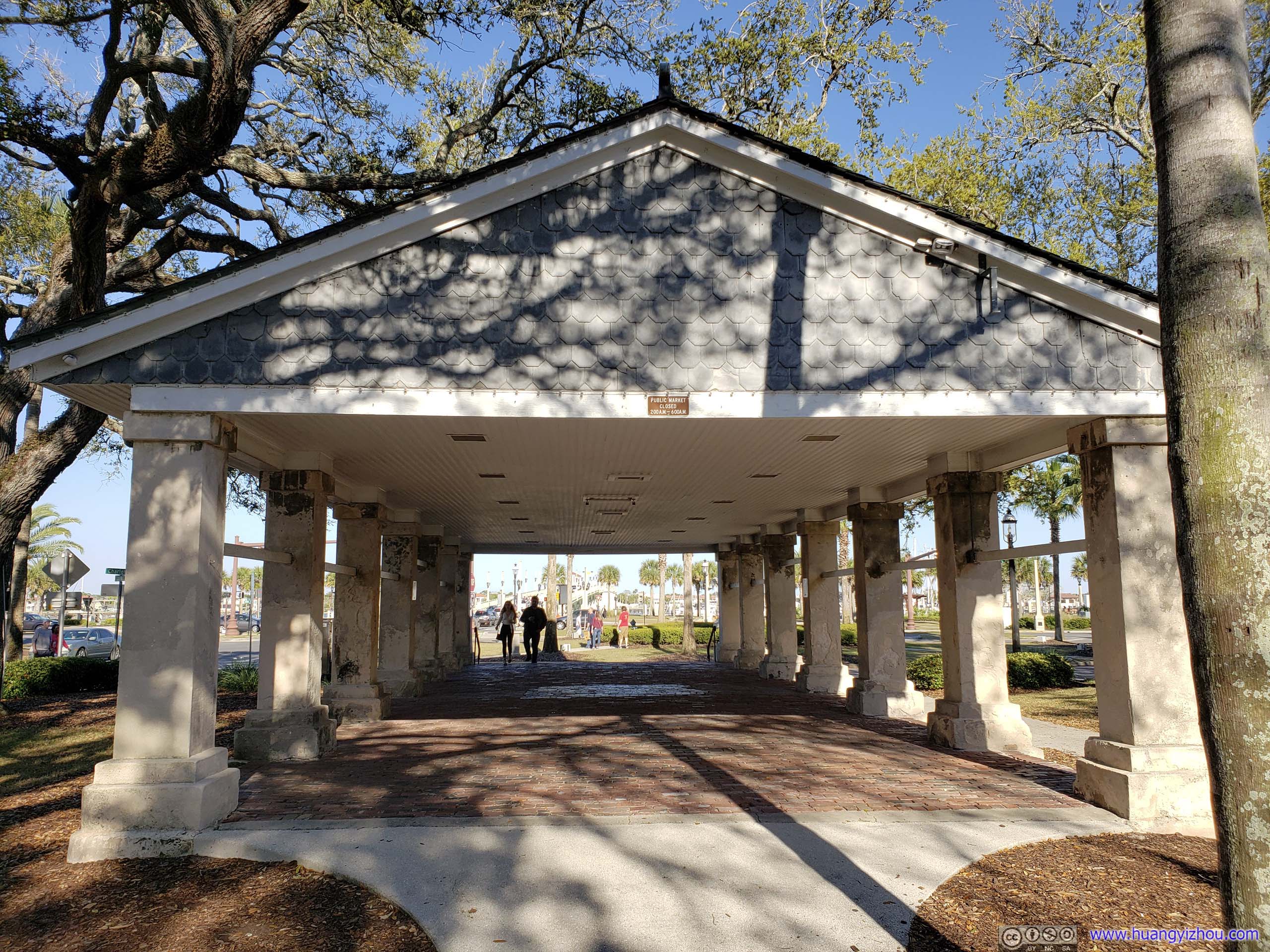

First public market was established in this plaza by Governor Mendez de Canzo in 1598. Here for the first time a standard system of weights and measures was introduced in this country. At this site, a market for sale of meats and produce was in use until 1878, which was destroyed by fire and rebuilt in 1888.
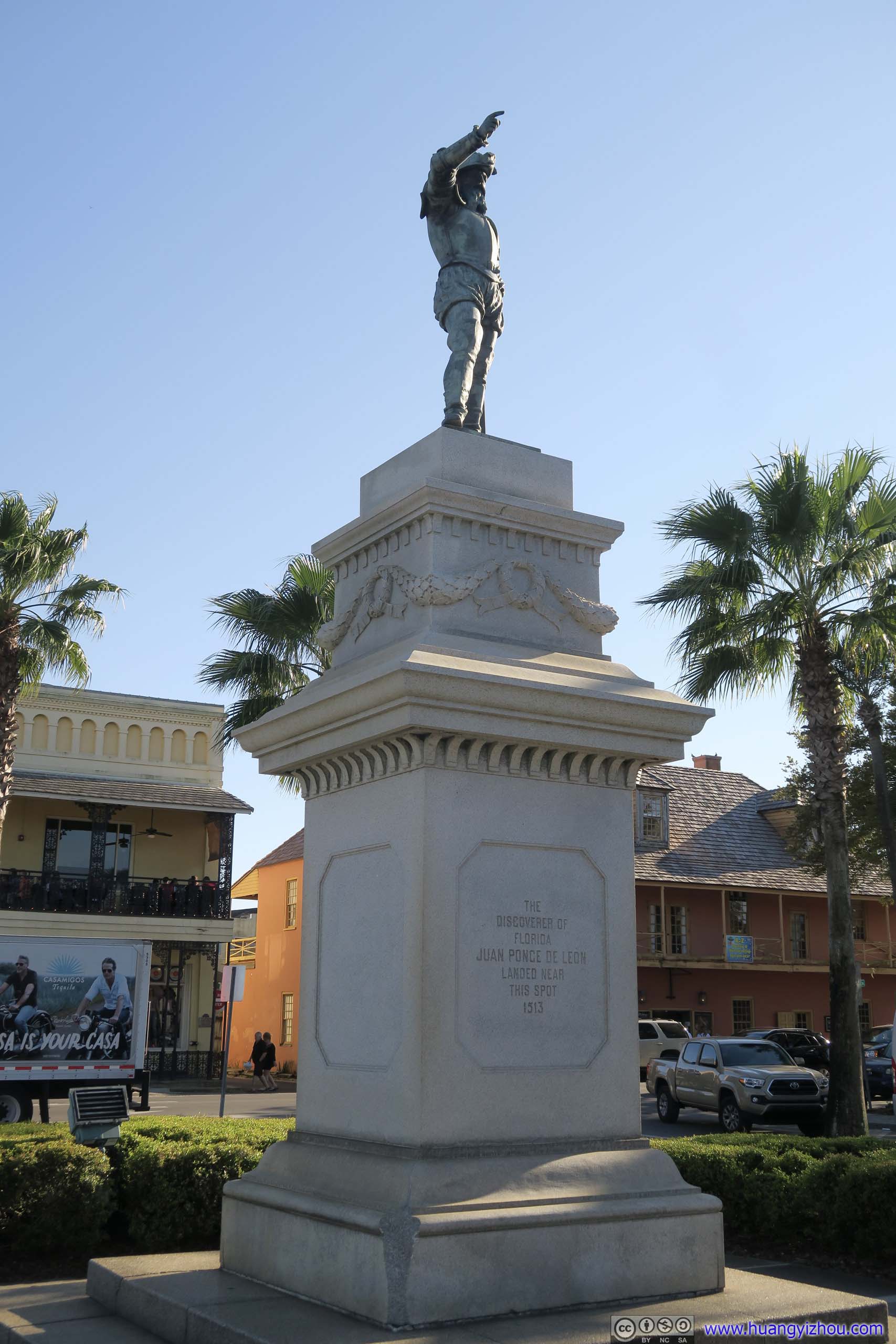
The first expedition from Europe to present-day Florida landed here.
Bridge of Lions
A bridge connecting St. Augustine to Anastasia Island, marking the eastern end of my tour.
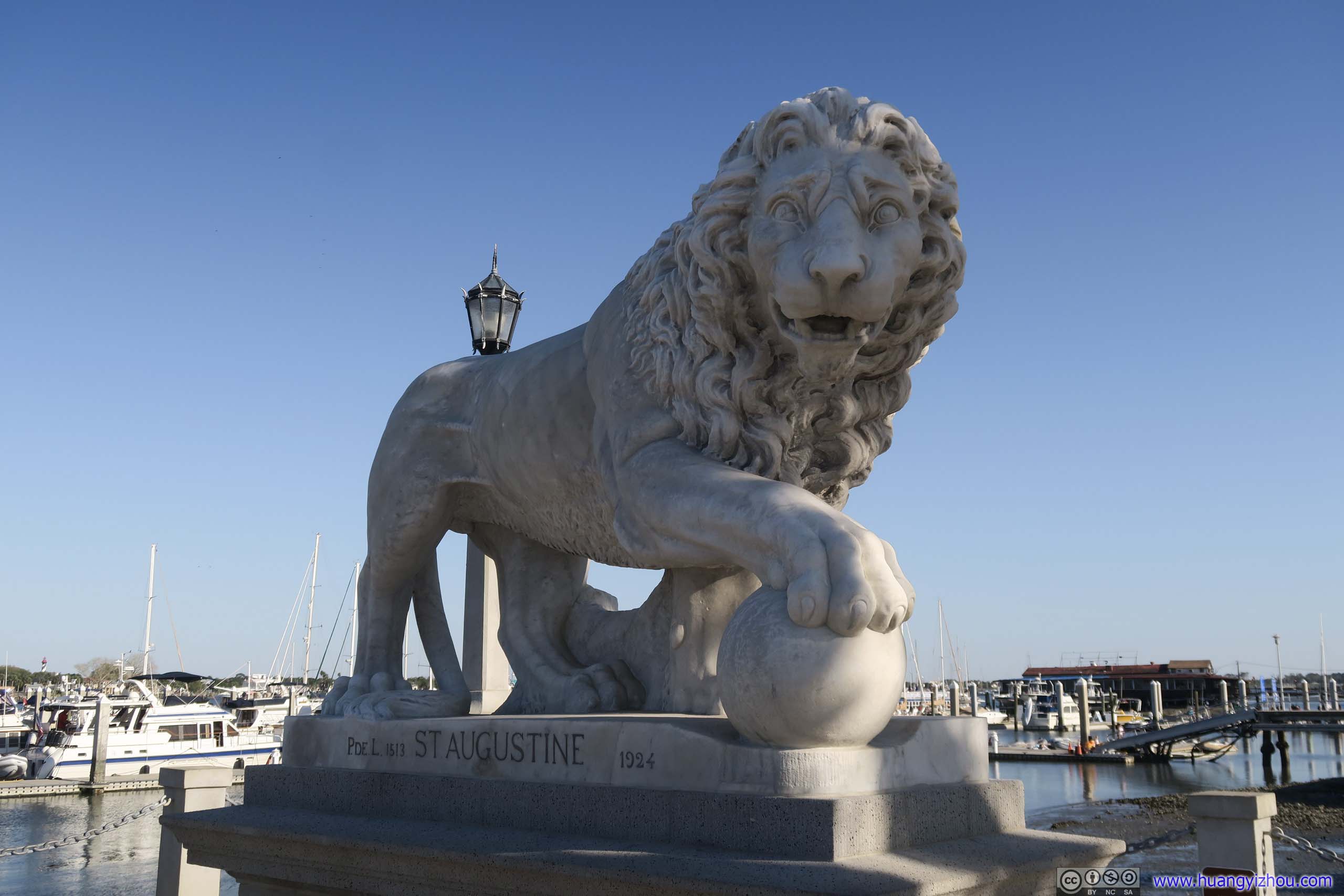
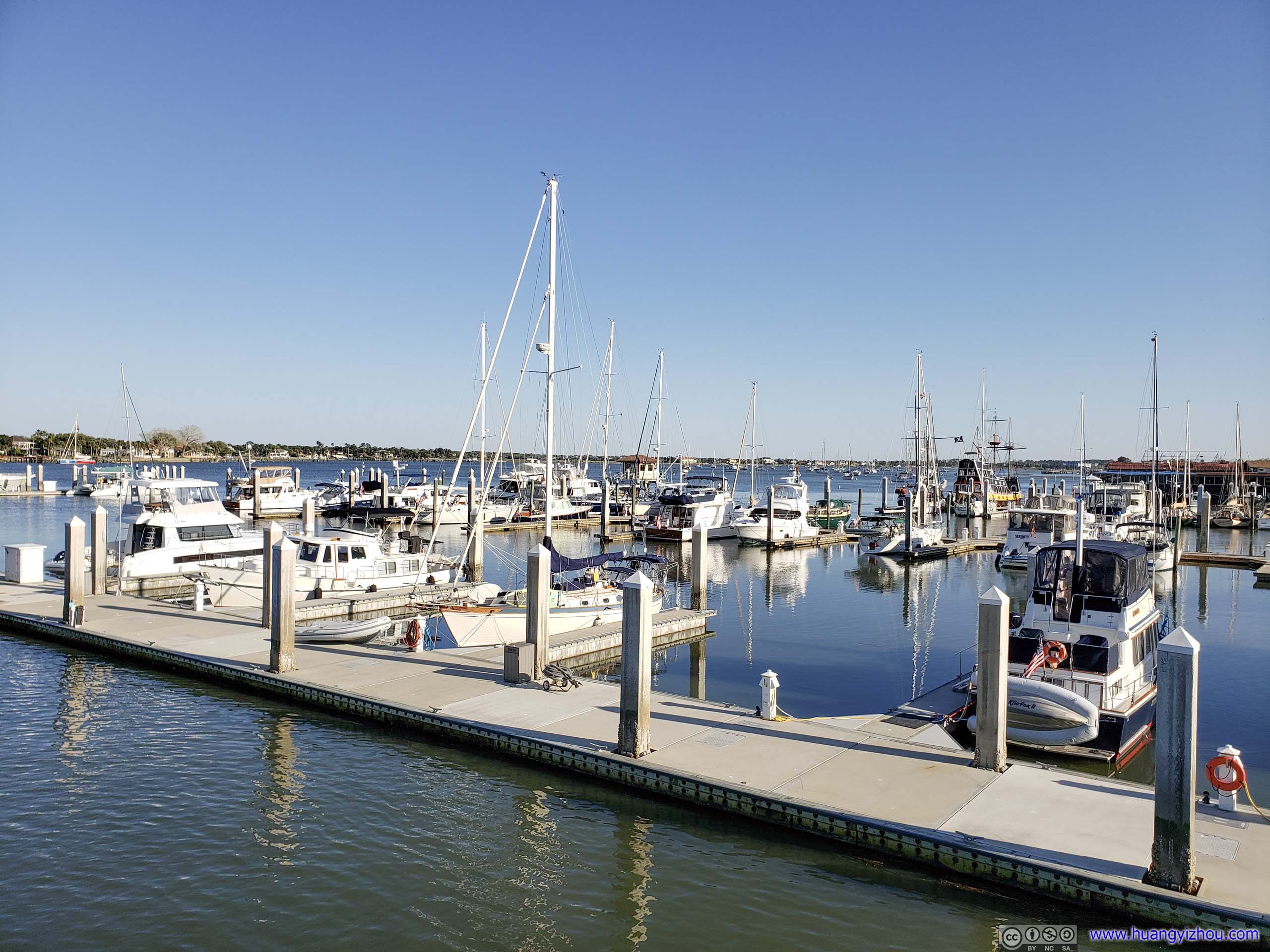

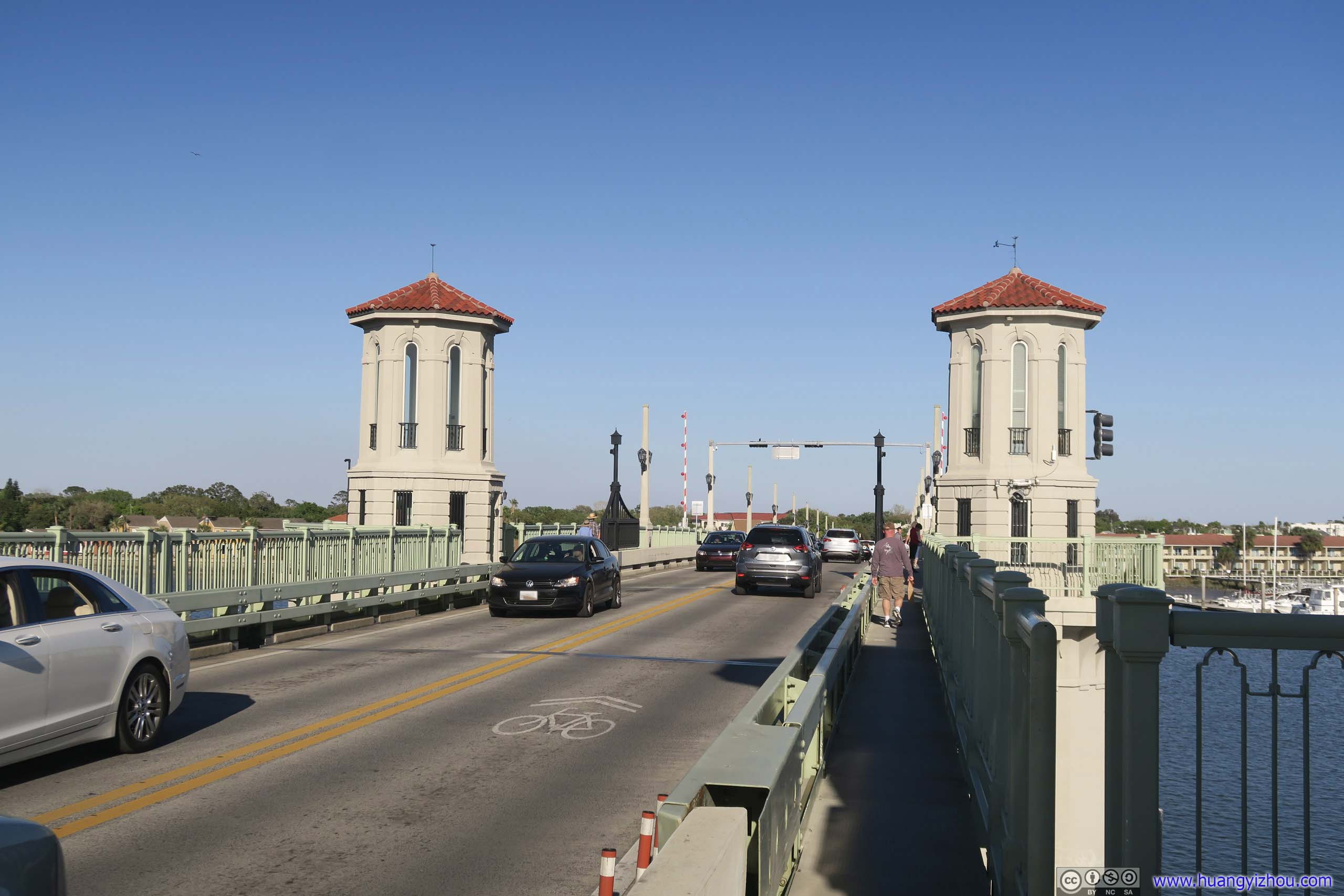
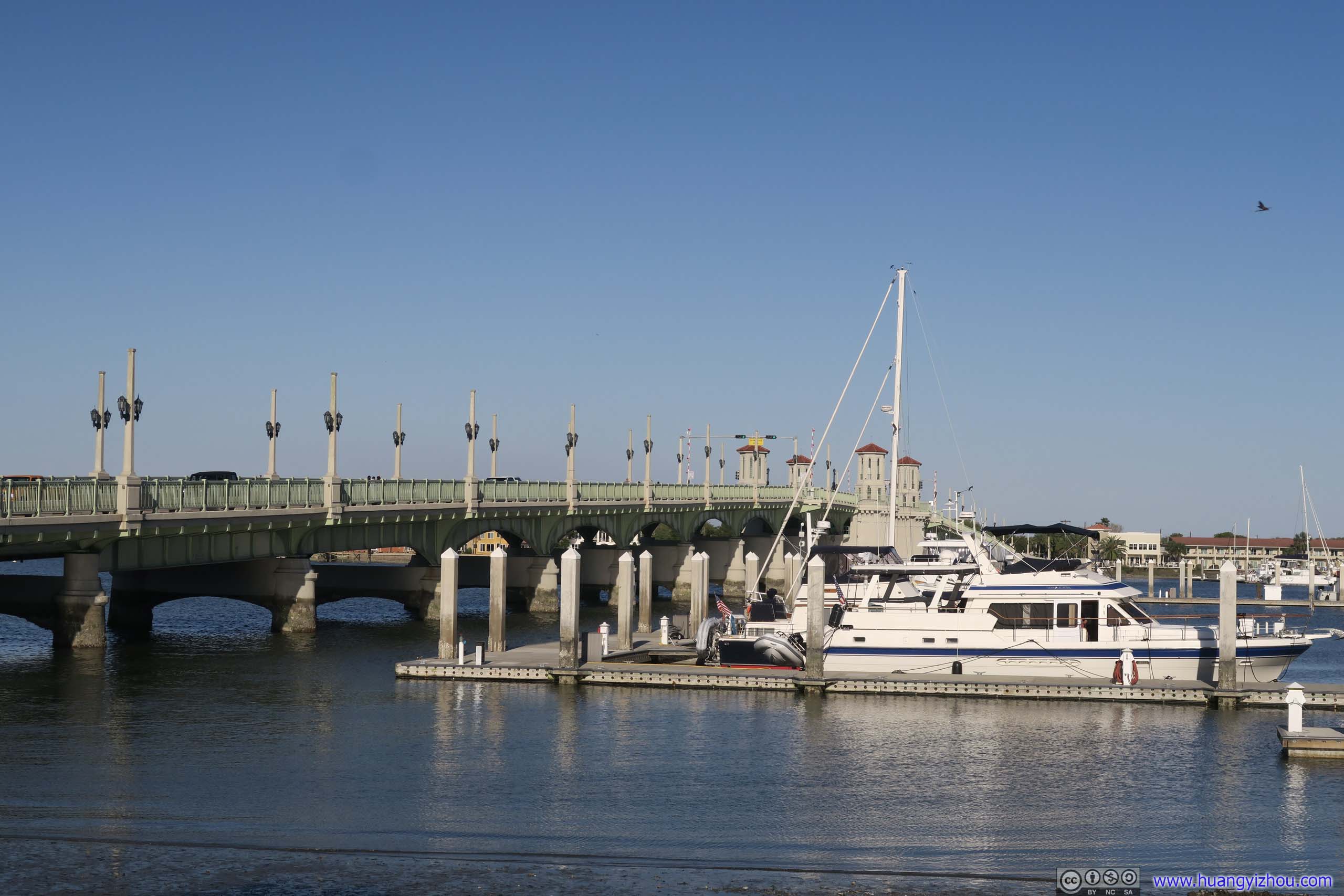
At this time, I began walking back to my car, criss crossing historic alleyways.
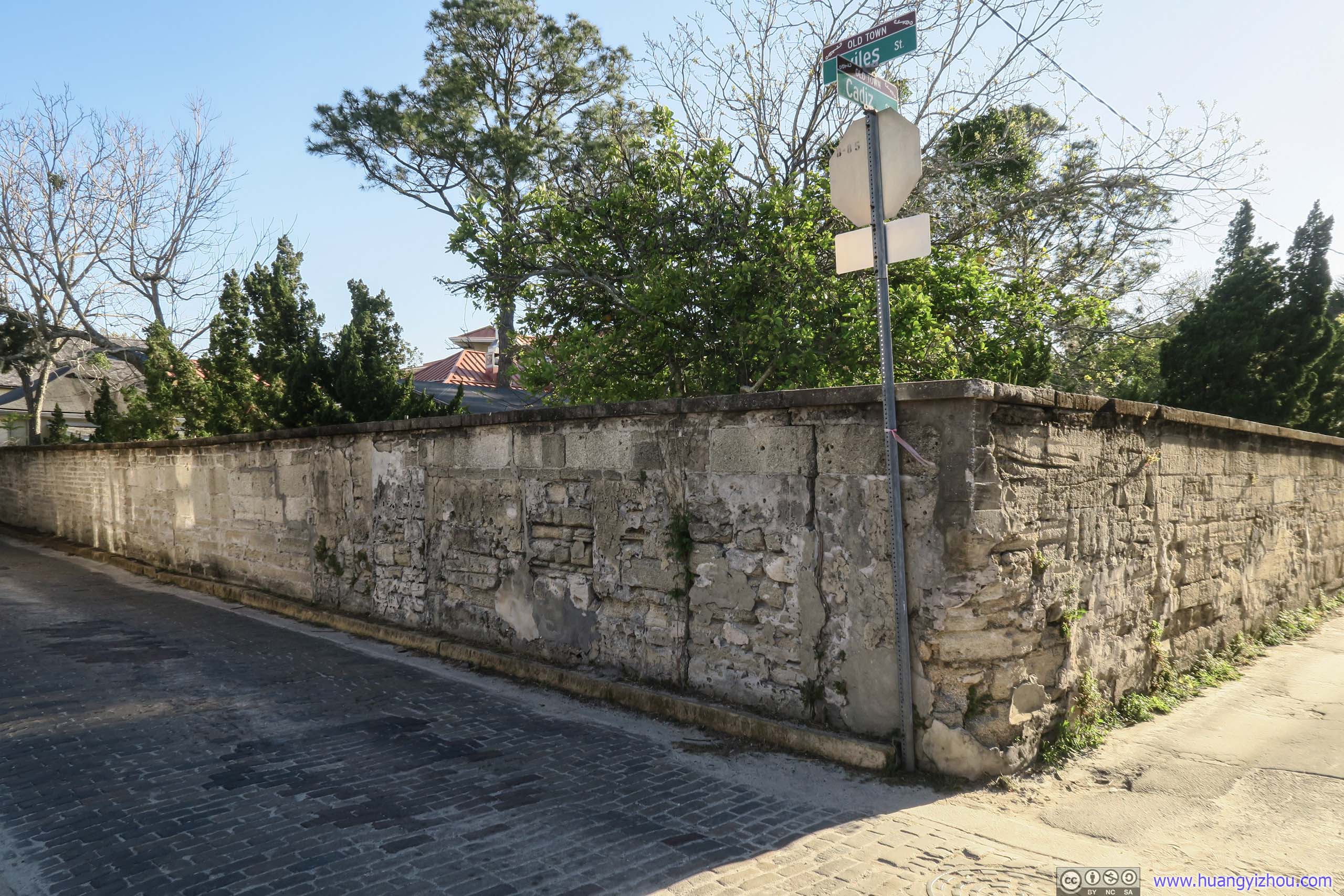
Shows signs of age, which is rather fitting for an old city like this.
St Joseph's Convent
A nice-looking building on my way back to my car.

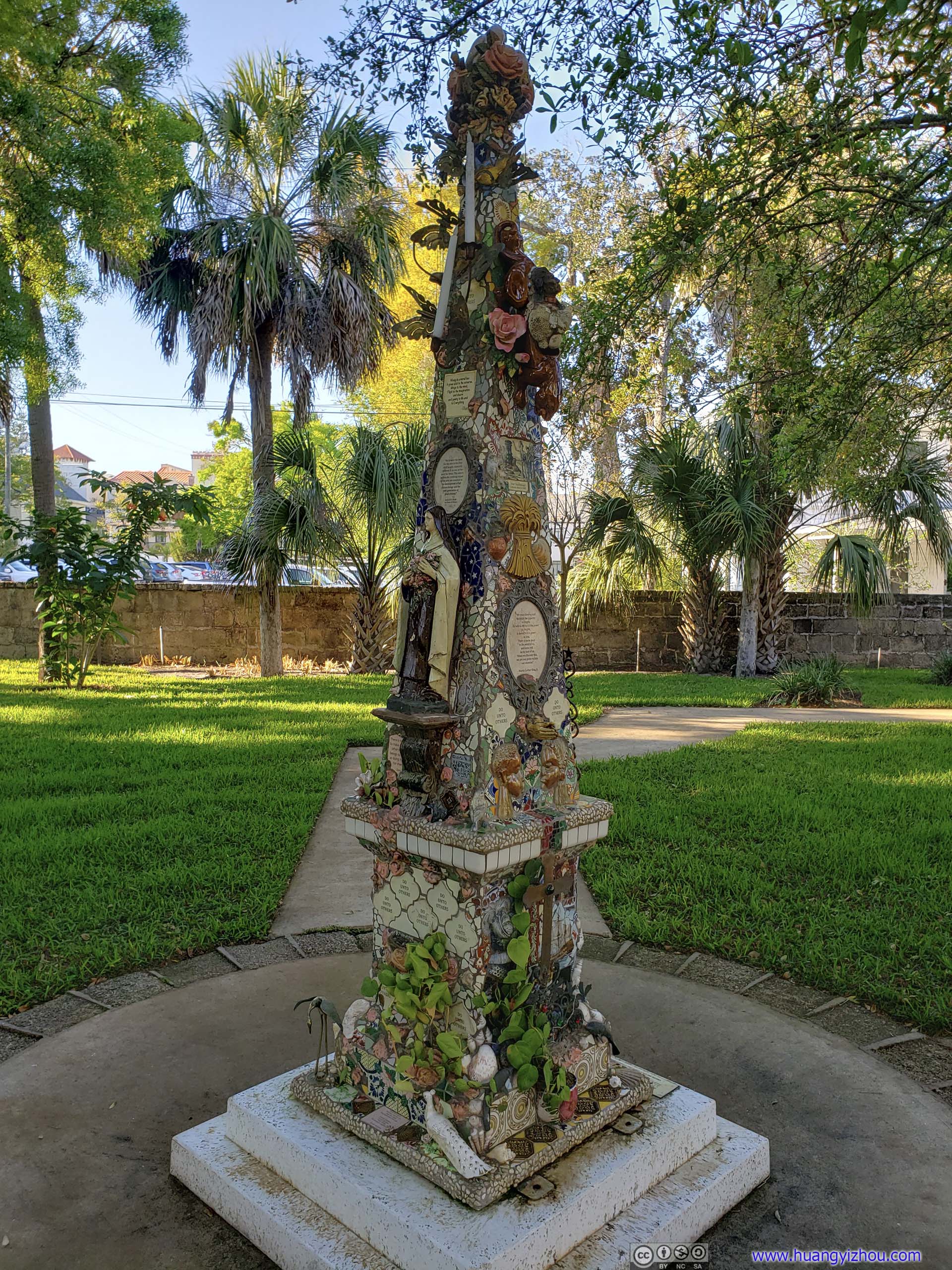
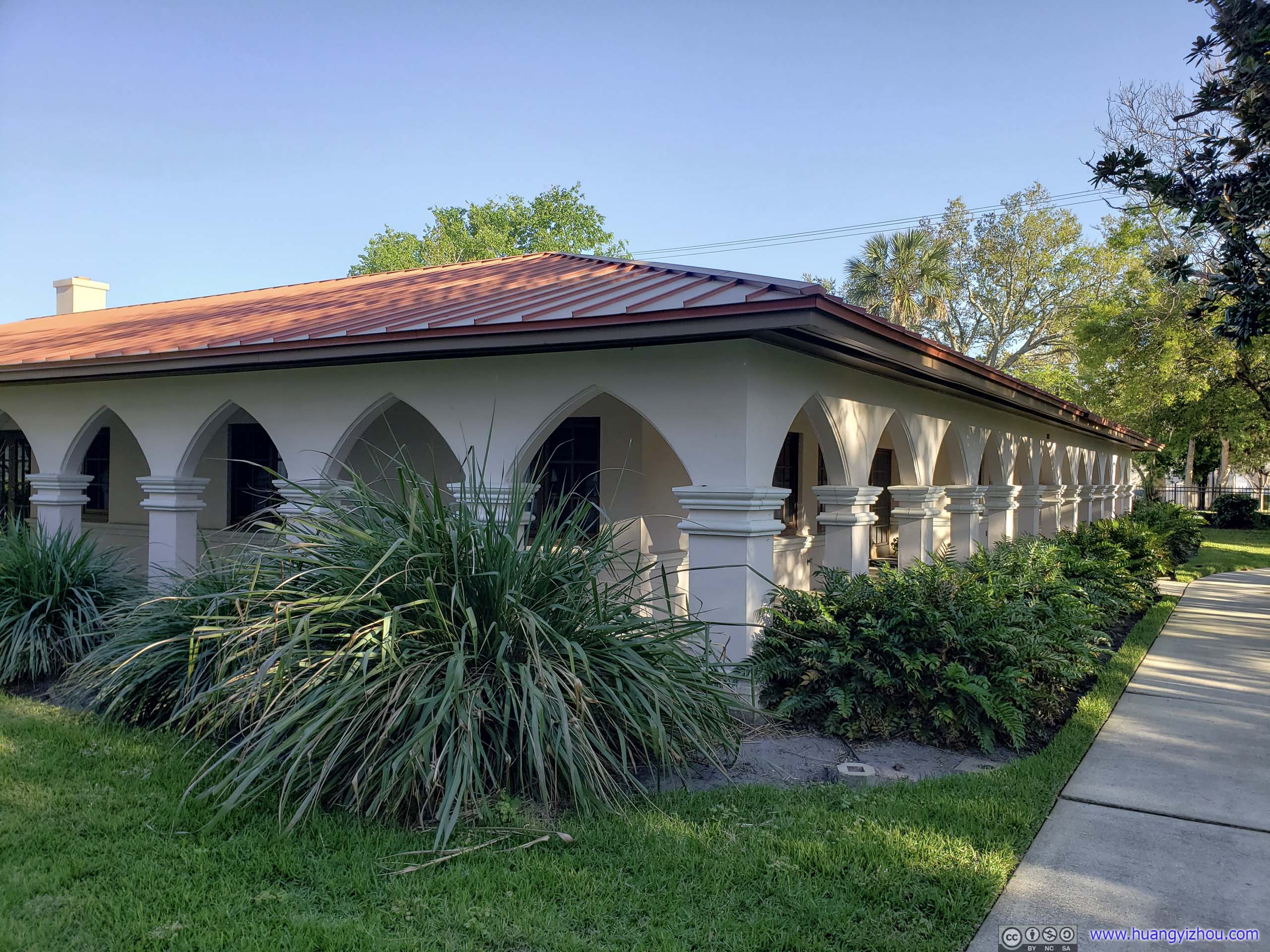
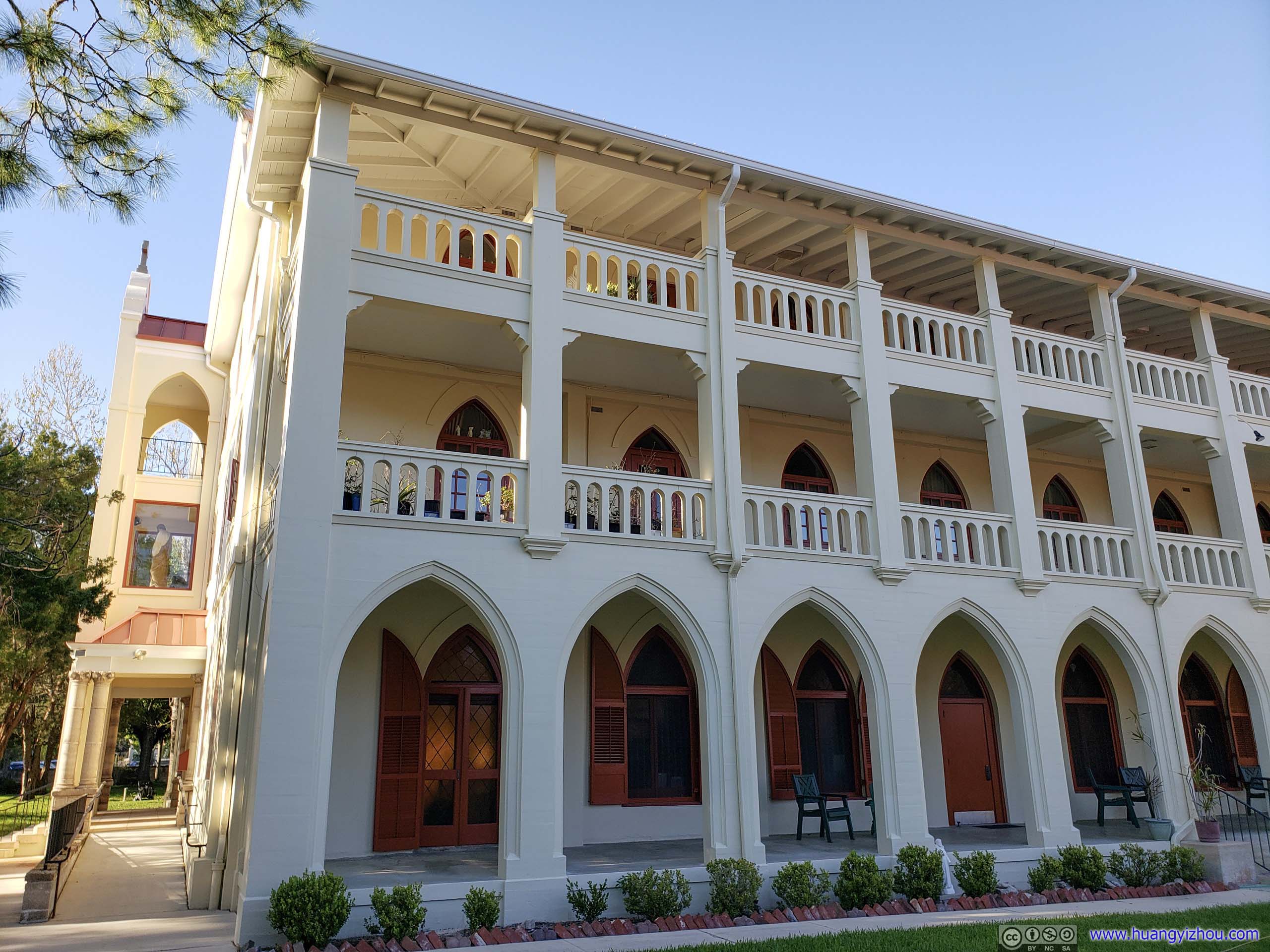
Always surprises.
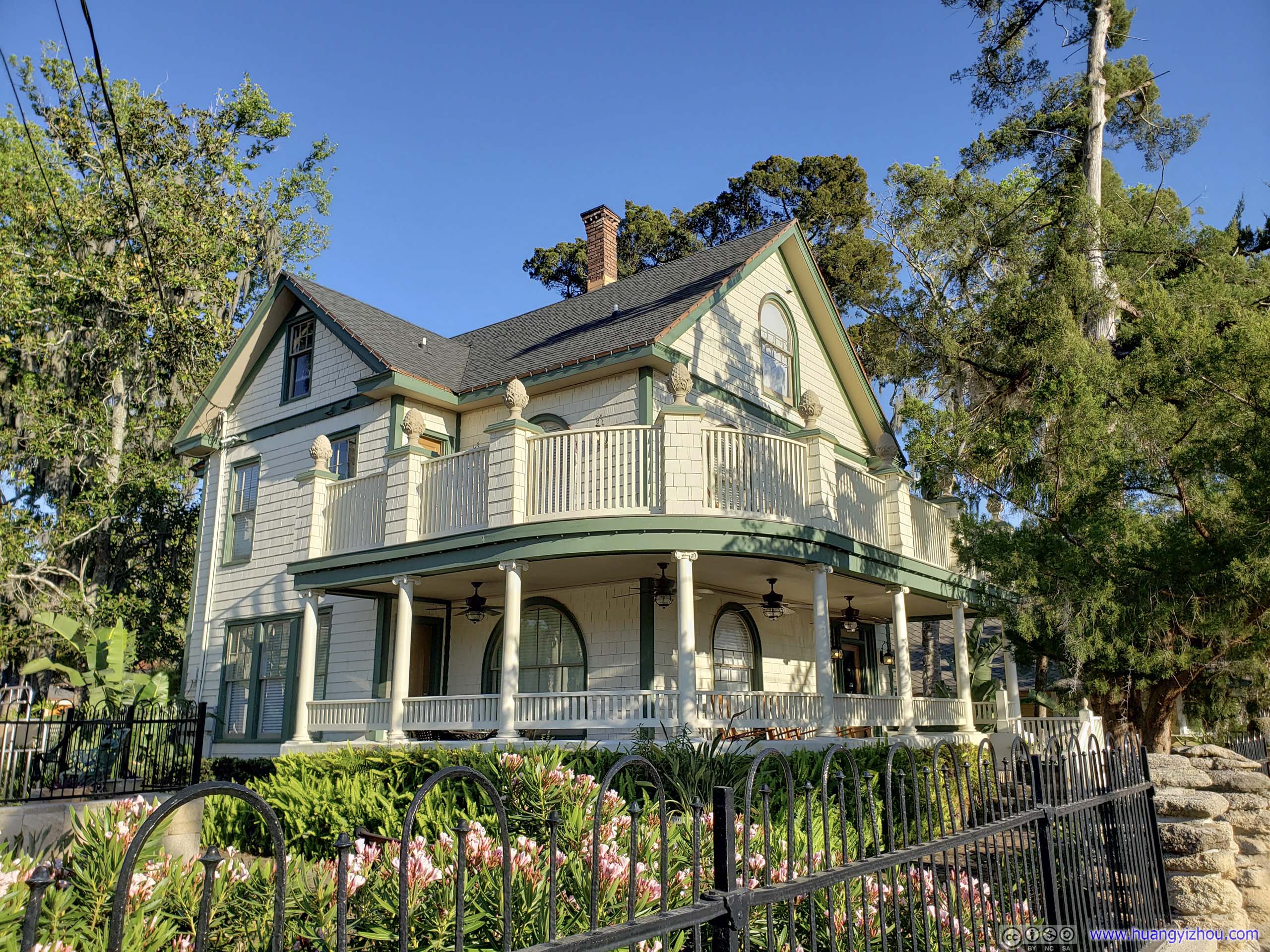
A luxury bnb. Many houses off tourist hotspots in downtown St. Augustine were bnb’s like this.
After that, it's an uneventful run towards Jacksonville, with beautiful shadows cast from the setting sun.
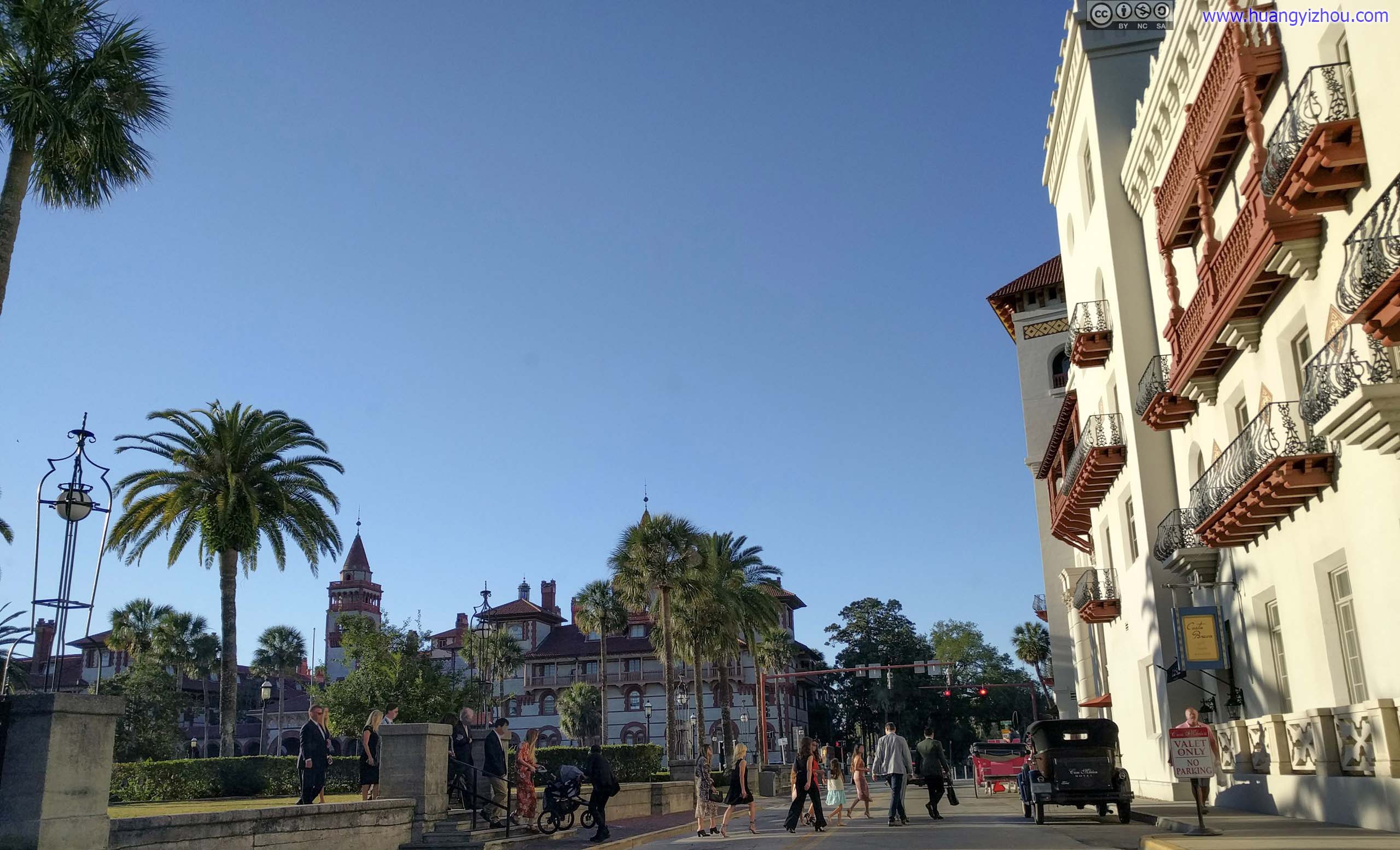
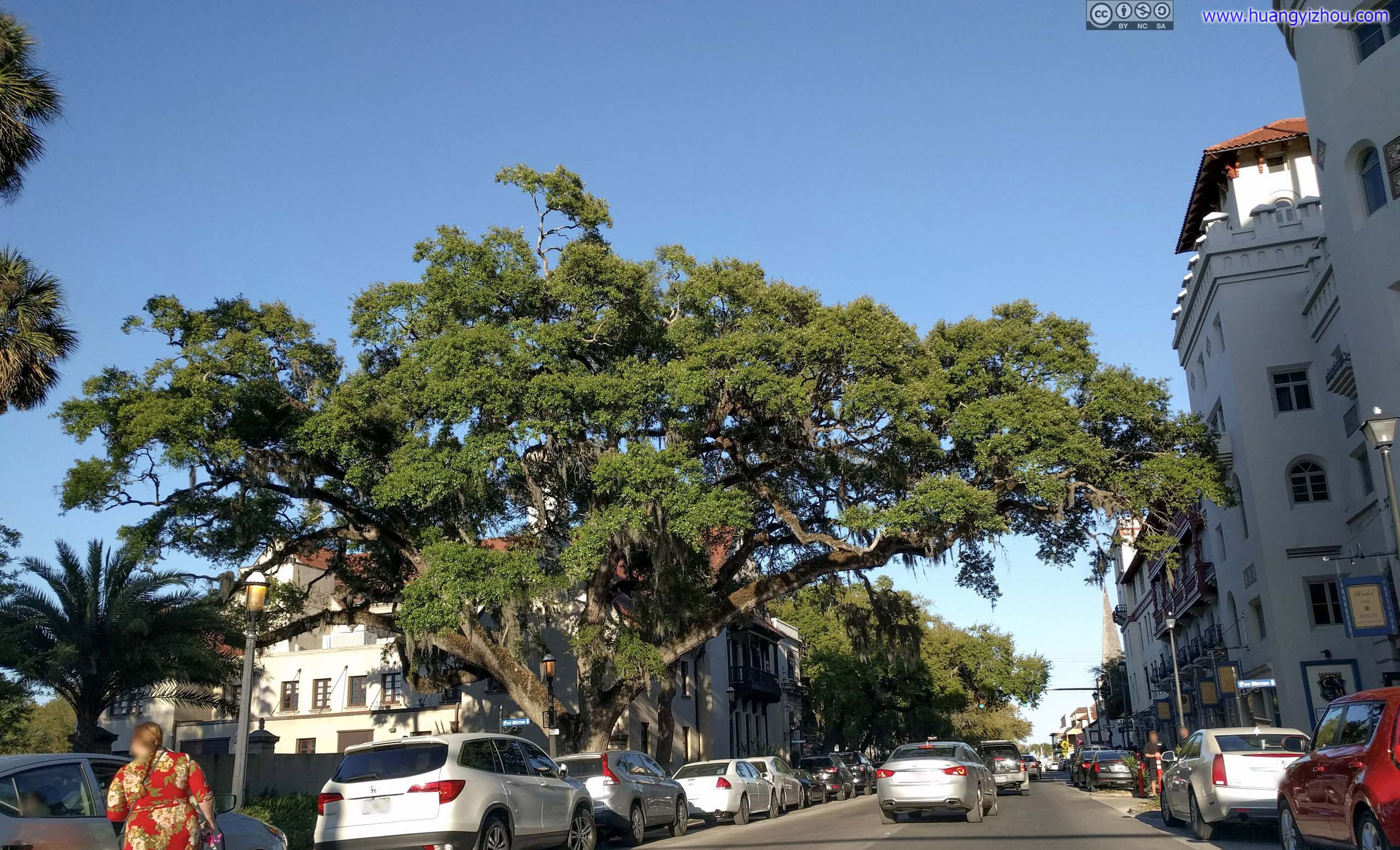
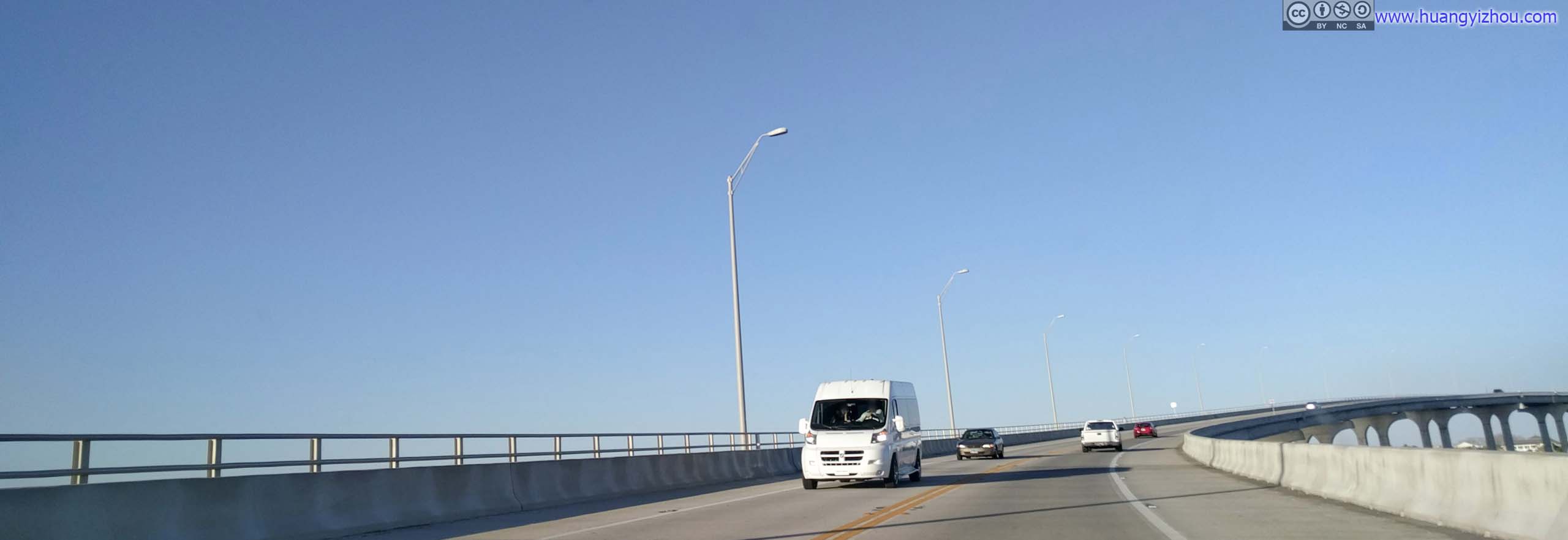
Leaving St. Augustine and onto Florida Route A1A for a final time.
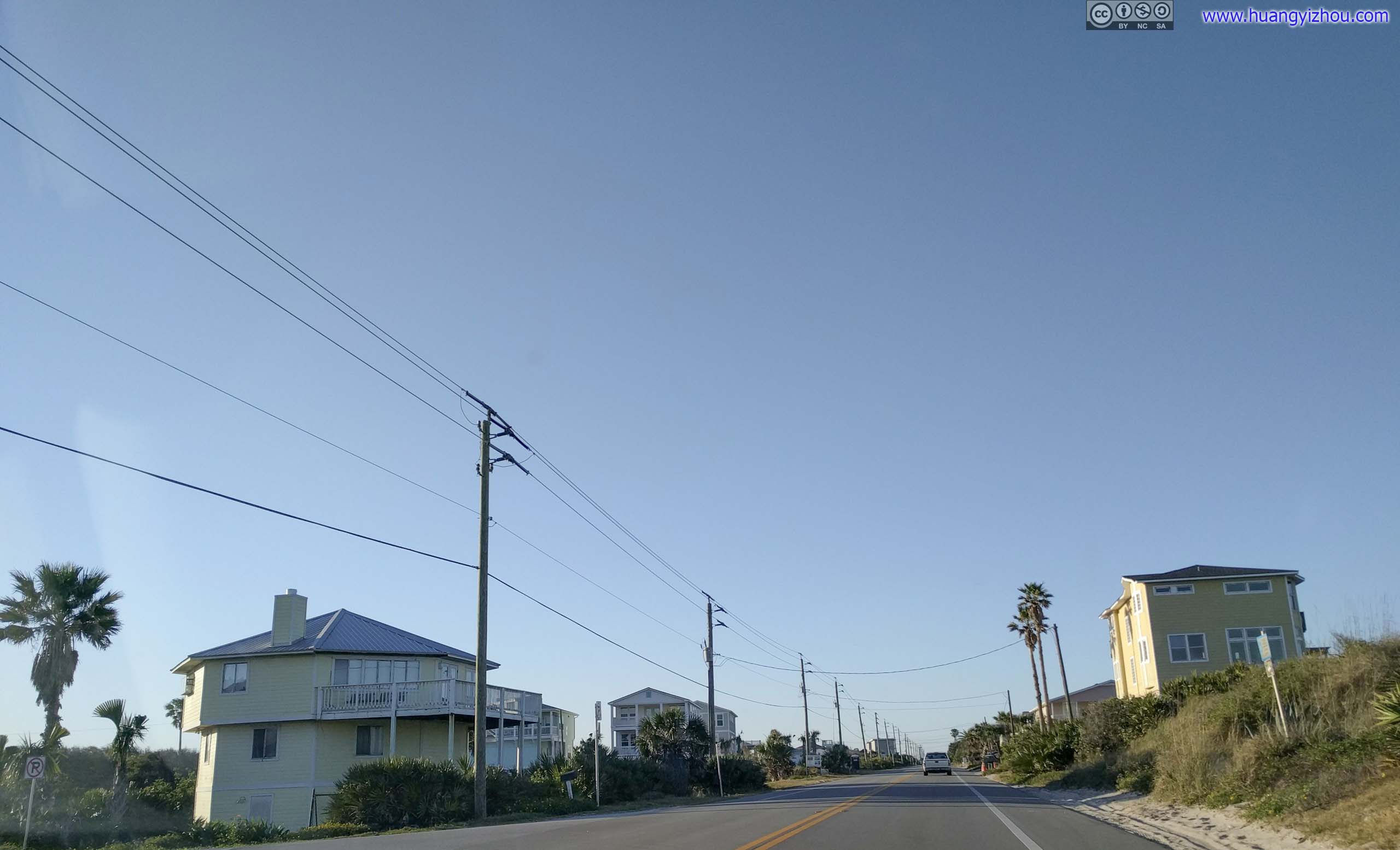

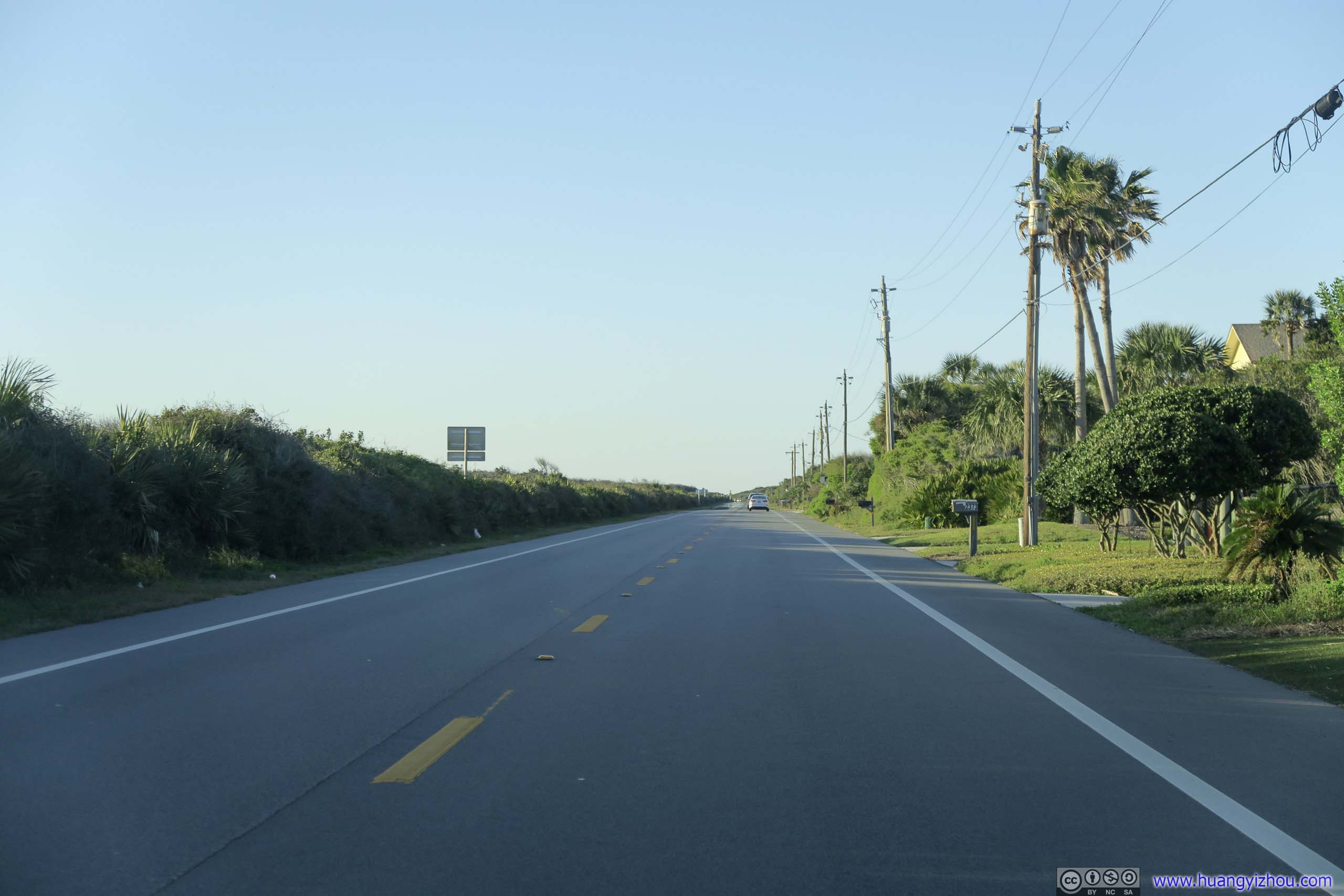
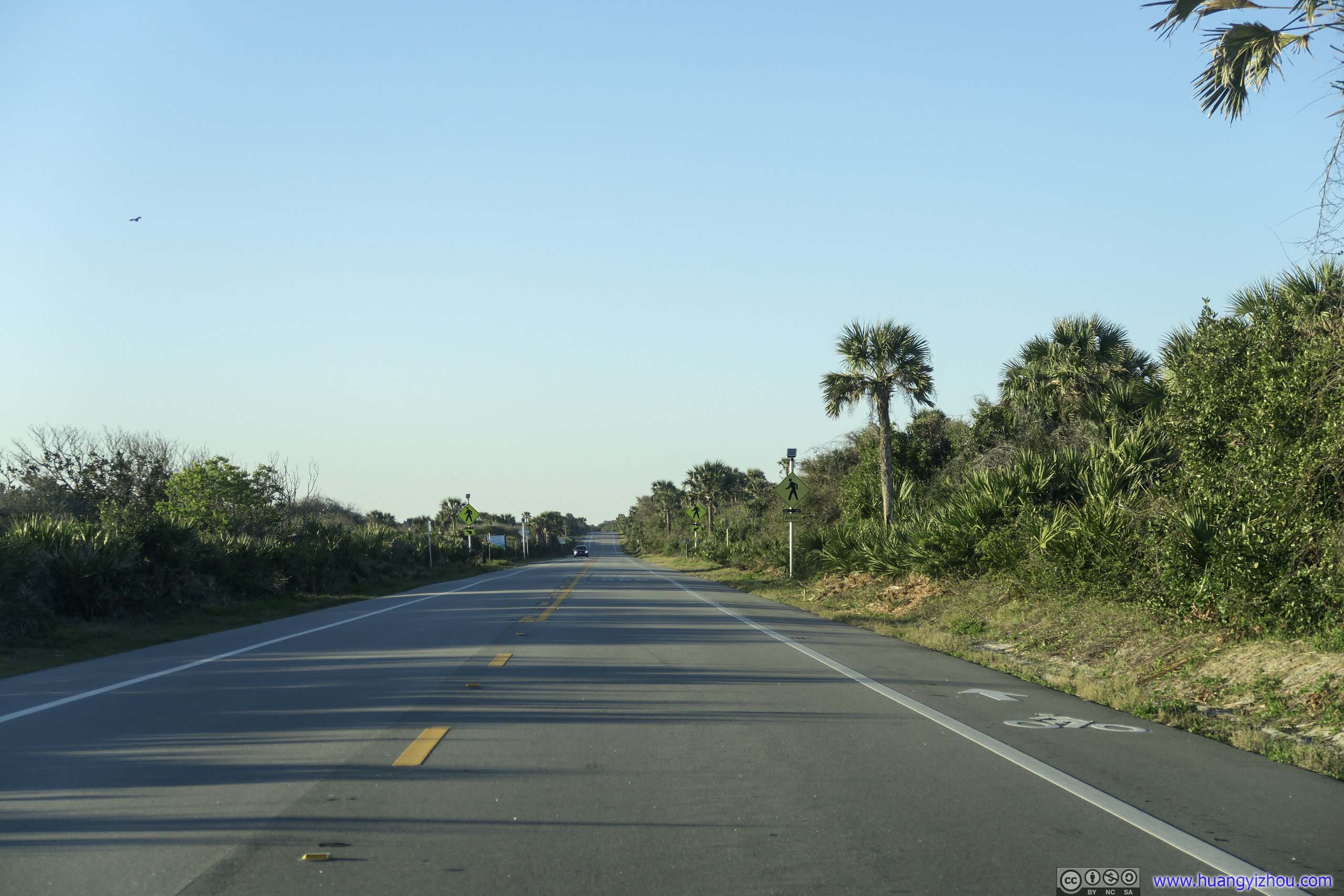
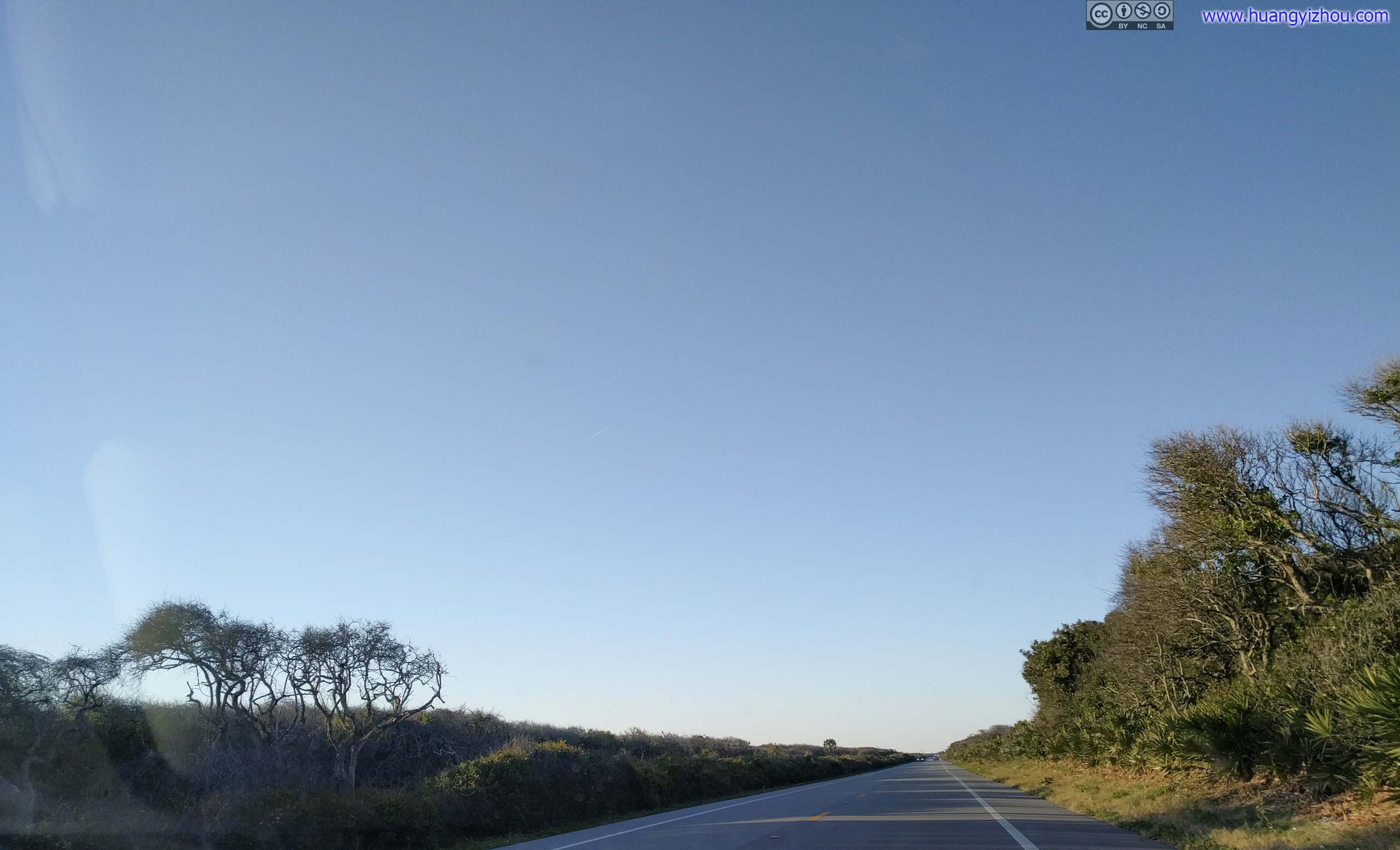

Florida Route A1A
Passing Guana River Wildlife Management Area here, not much signs of development.
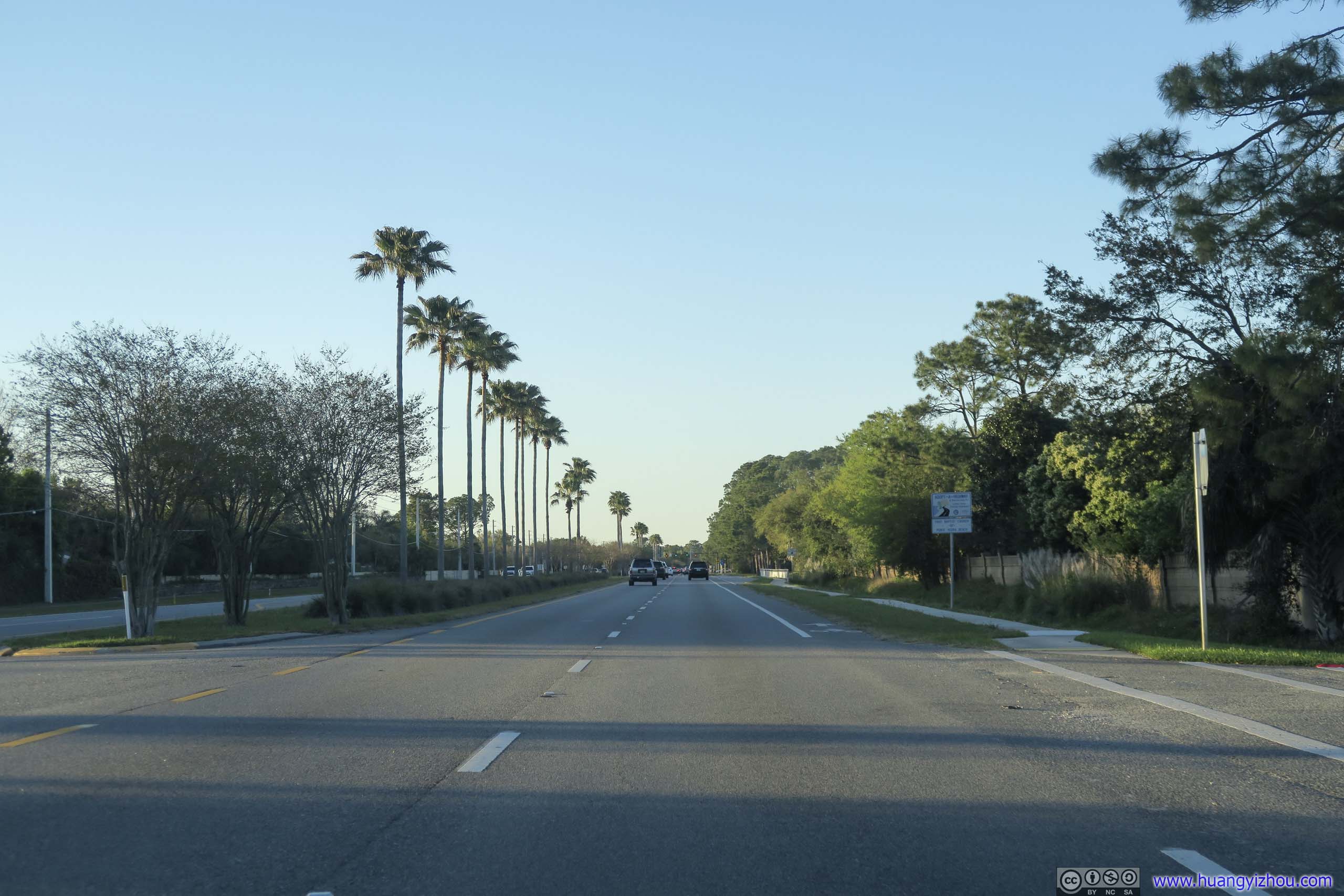
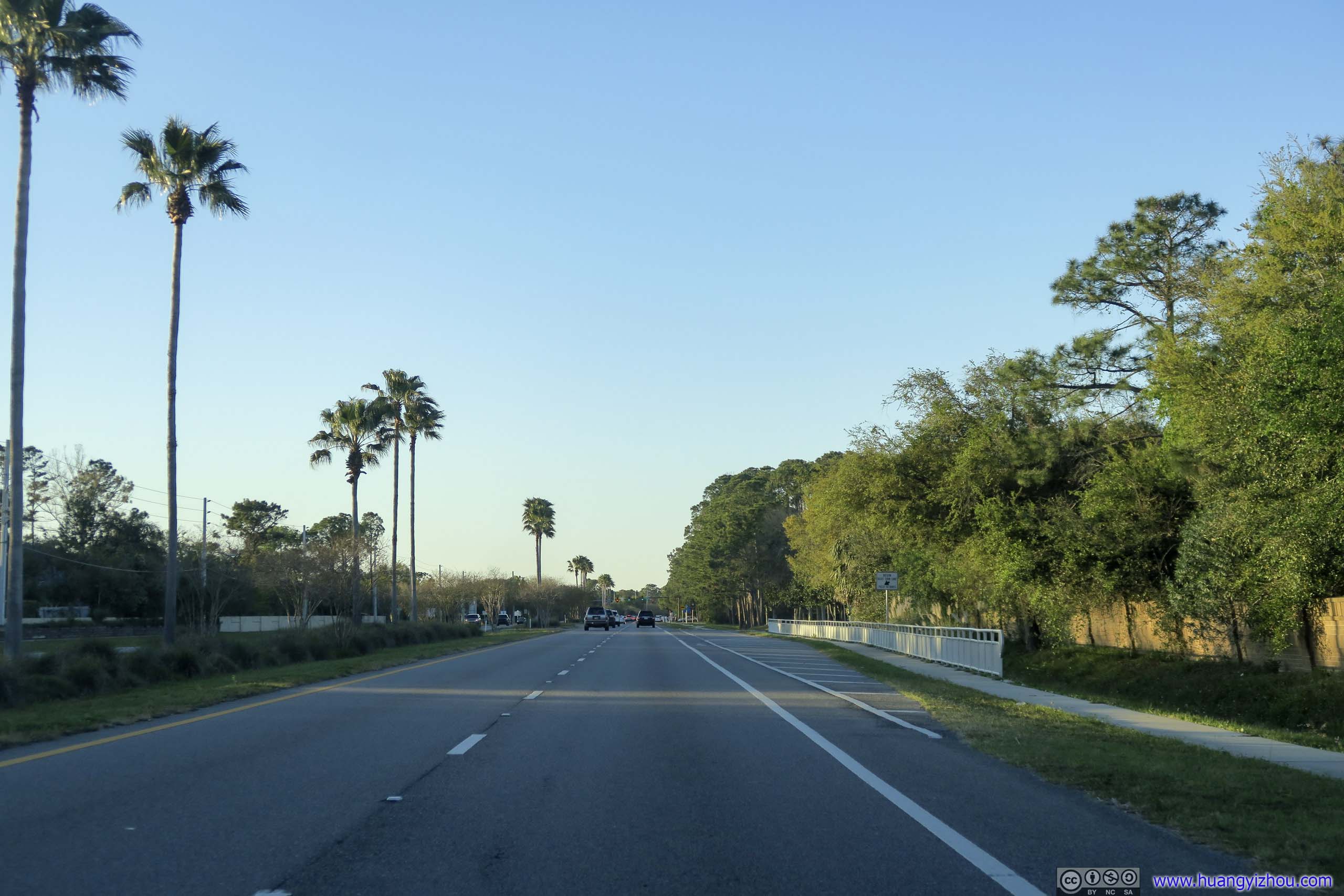

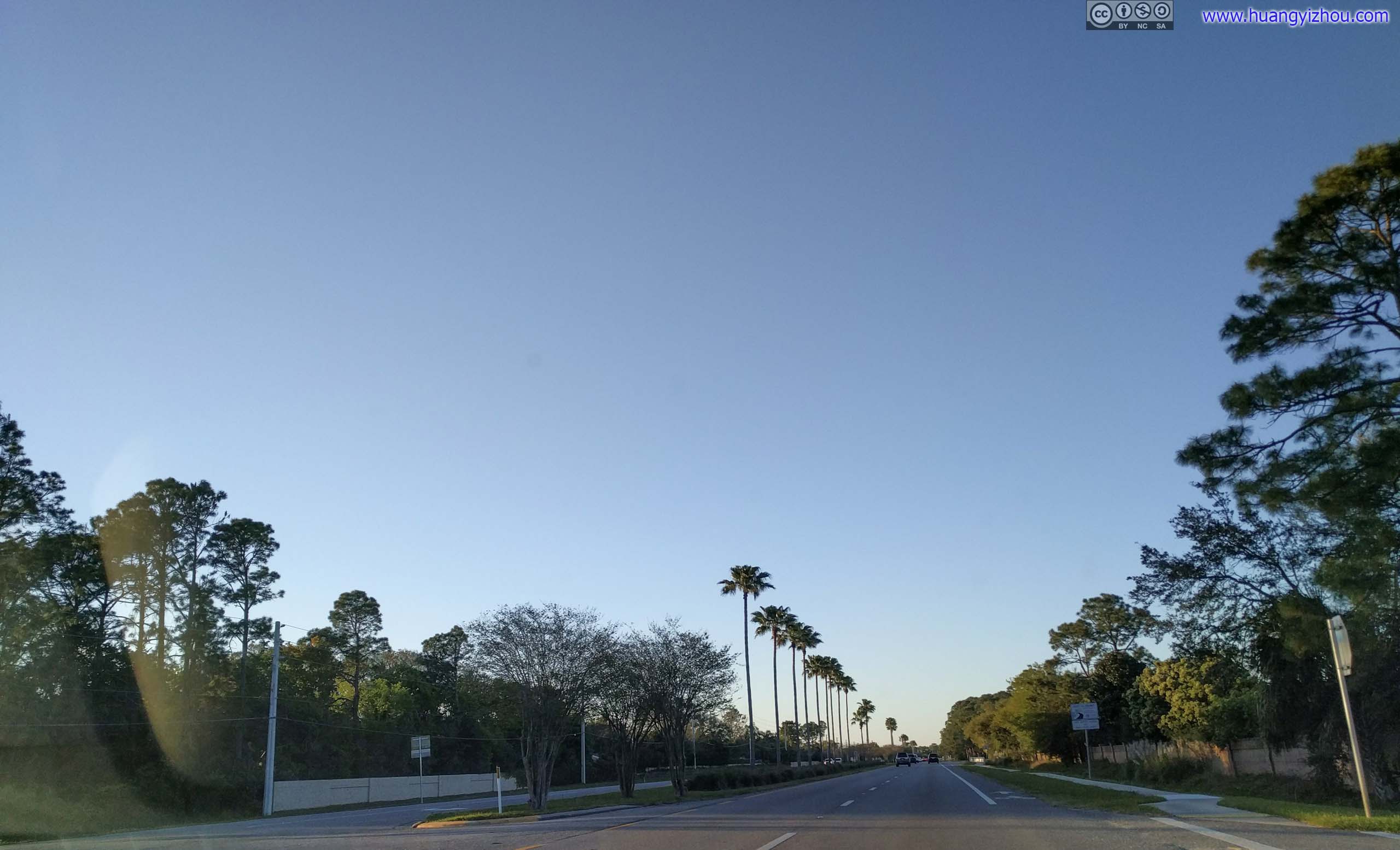
Florida Route A1A
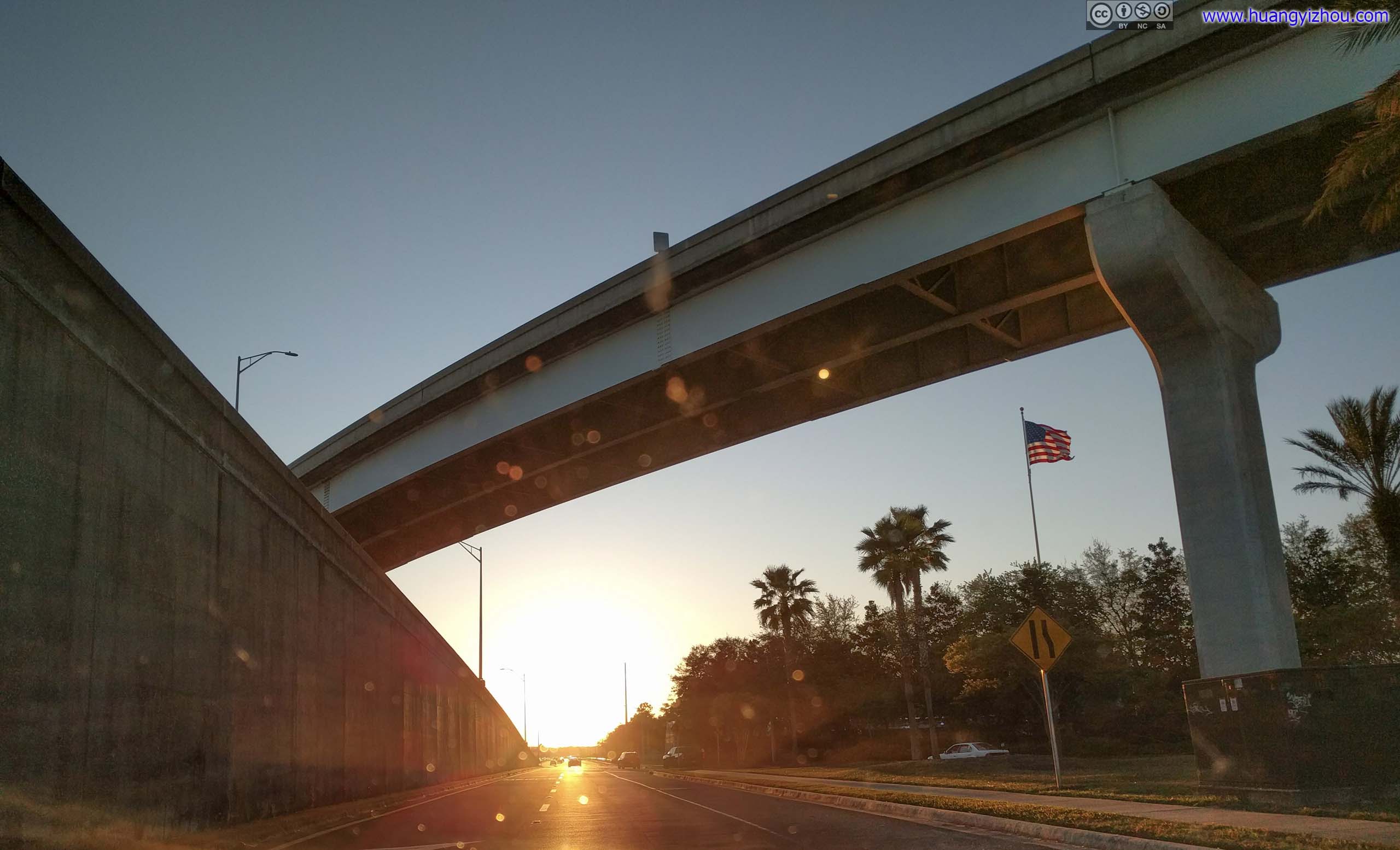
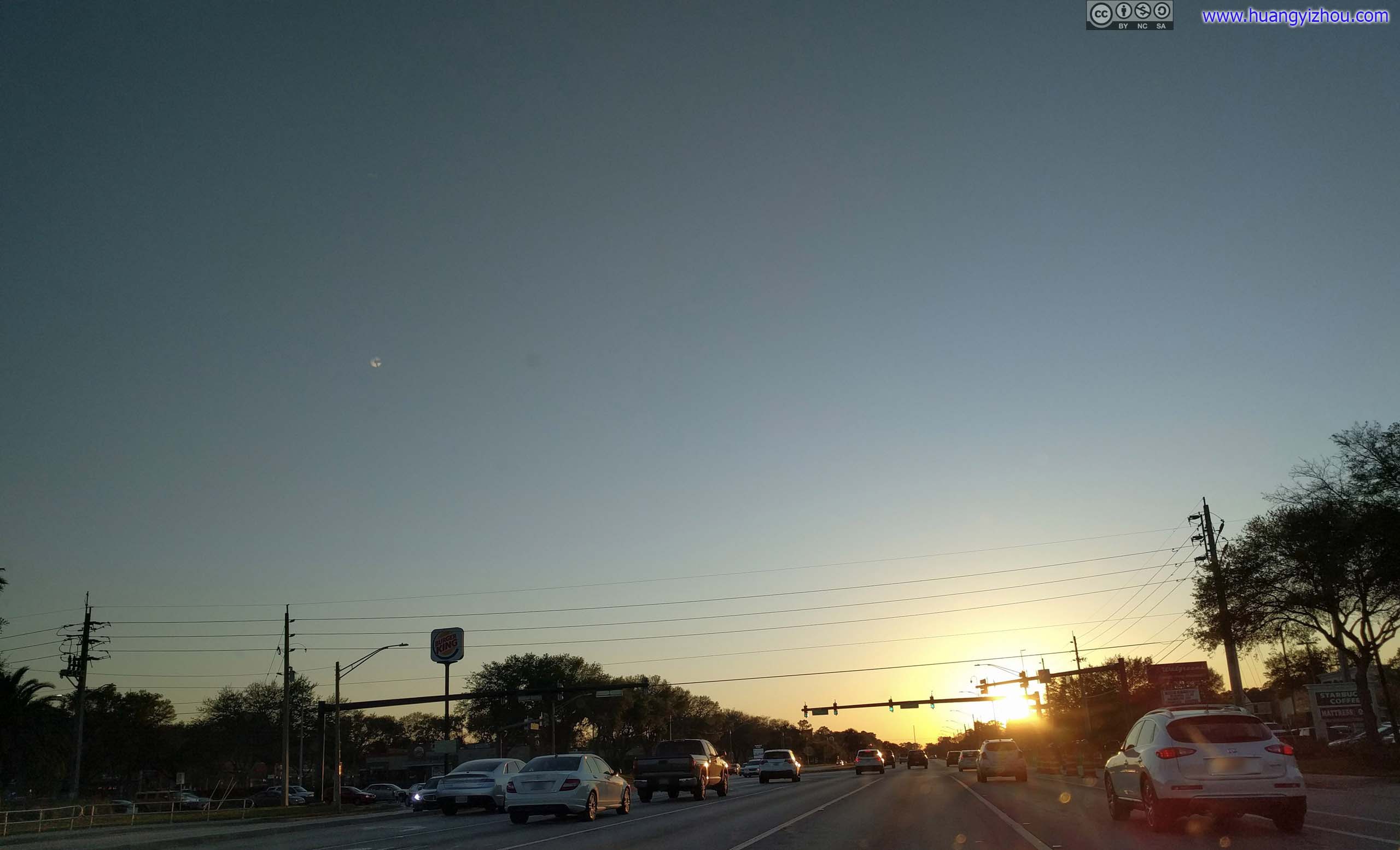
I turned West onto Atlantic Boulevard, heading towards Jacksonville. The setting sun ahead marked the prefect end of a day.
END