Third day of my 2021 Alaska trip. Weather forecast was occasional drizzle for the day, which wasn’t ideal for hiking. So I took the day easy, visited Anchorage Museum in its downtown, and a few parks on its coastline, before checking into a new Airbnb in its suburb.
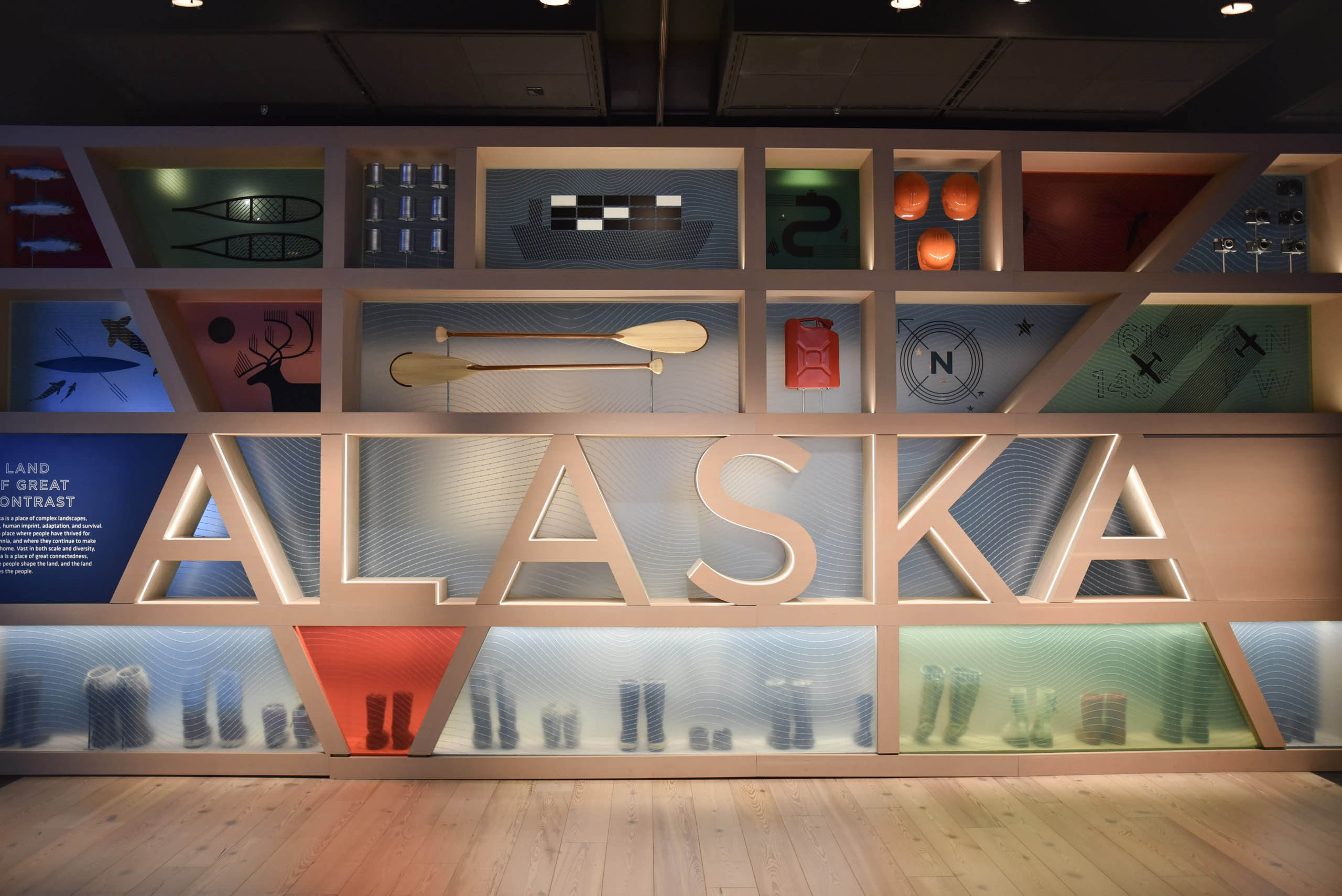
Exhibit Wall Displaying the state’s various products and activities.
For my last two days in the Anchorage vicinity, I really wanted to have a go at South Pioneer Peak, a strenuous and thrilling YDS Class 3 peak in Chugach State Park. Weather forecast indicated on-and-off drizzle for today, and overcast for tomorrow, so naturally I scheduled South Pioneer Peak for the latter. And since it’s not hiking weather today, I decided to give downtown Anchorage a tour instead.
After getting up late, I said goodbye to my wonderful Airbnb host for the last two days in Farm Loop, and headed for Anchorage at 11am. Occasional rain was falling on the windshield, but nothing required an umbrella once I got out of the car in Anchorage.
During my trip to Alaska last year, my friend who went with me had been recommending Anchorage Museum to me (eventually his affection towards animals meant he visited Anchorage Zoo instead). So this time, I decided to check it out.
Anchorage Museum
Anchorage Museum was a Bank of America "Museum on Us" participant that offered its cardholders free admissions on first full weekends of each month.
Lawn before Anchorage Museum
Judging by the line to get tickets at the reception desk, Anchorage Museum turned out to be pretty popular among visitors (the rainy day probably helped). The receptionist advised me to take the elevator and start my tour from the top/fourth floor downwards.
Well, I didn't like the fourth floor, which consisted of a few audio recordings that's hard to tell which's which. It wasn't very large though.
Then I got down to the third floor, which I didn't like either. The exhibit there felt too modern and abstract, and too political and not substantial.
After that it's the museum's second floor, which was a lot larger and actually featured a few decent exhibit rooms.
I made the entrance to one of them the profile picture for this post, which featured a comprehensive exhibit from folk art from native Alaskan people to the state’s modern economy of natural resources, from the state’s natural beauty to its strategic geological location.
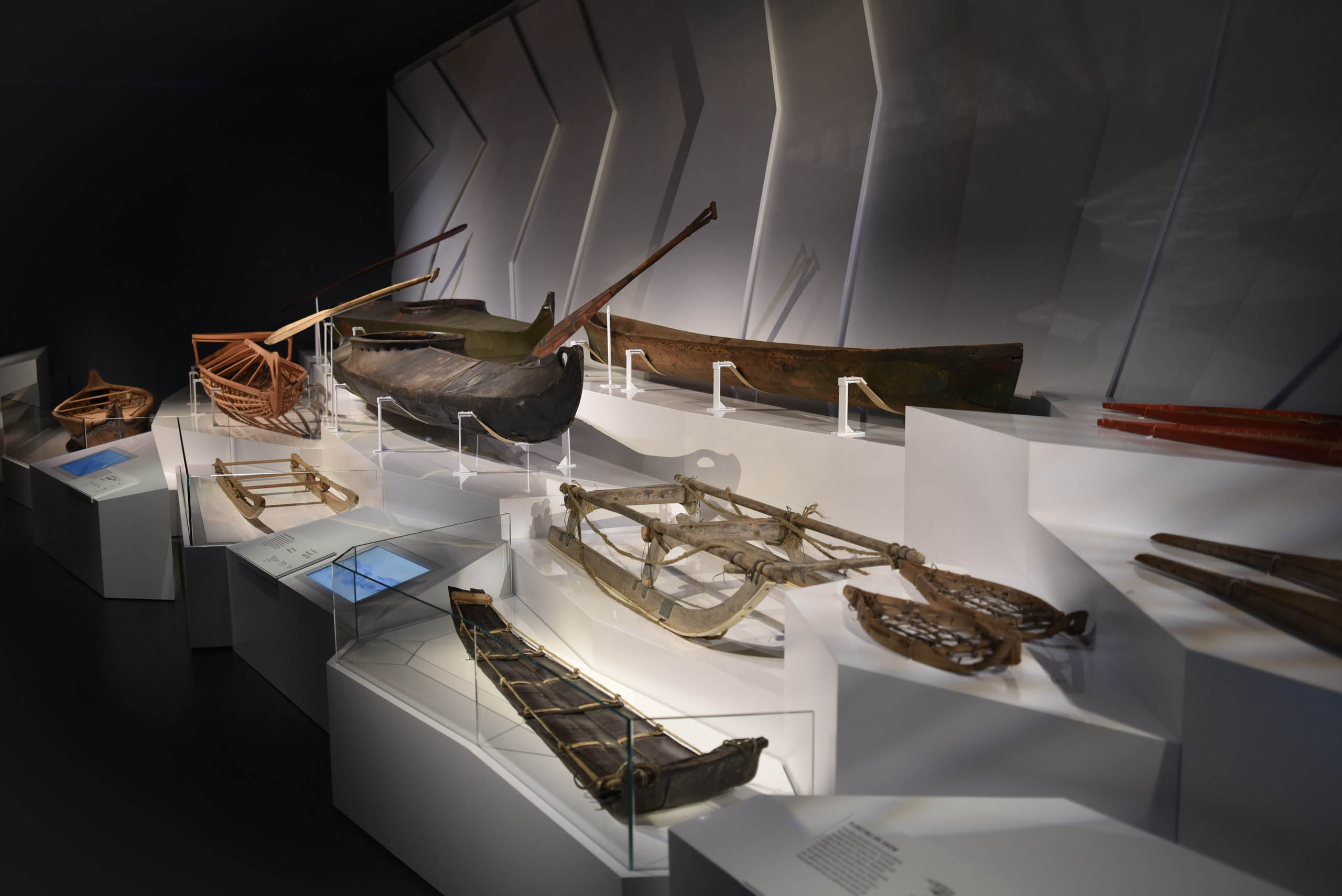
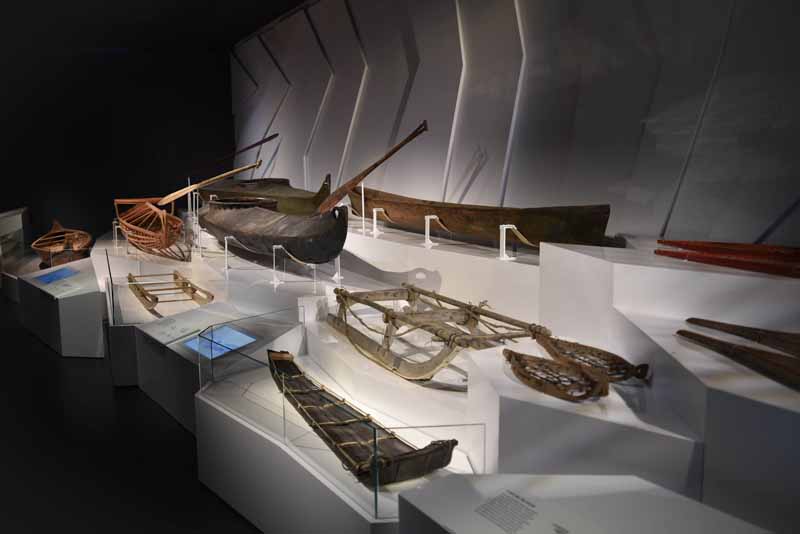
Transportation Canoes, snowshoes and snow sleds.
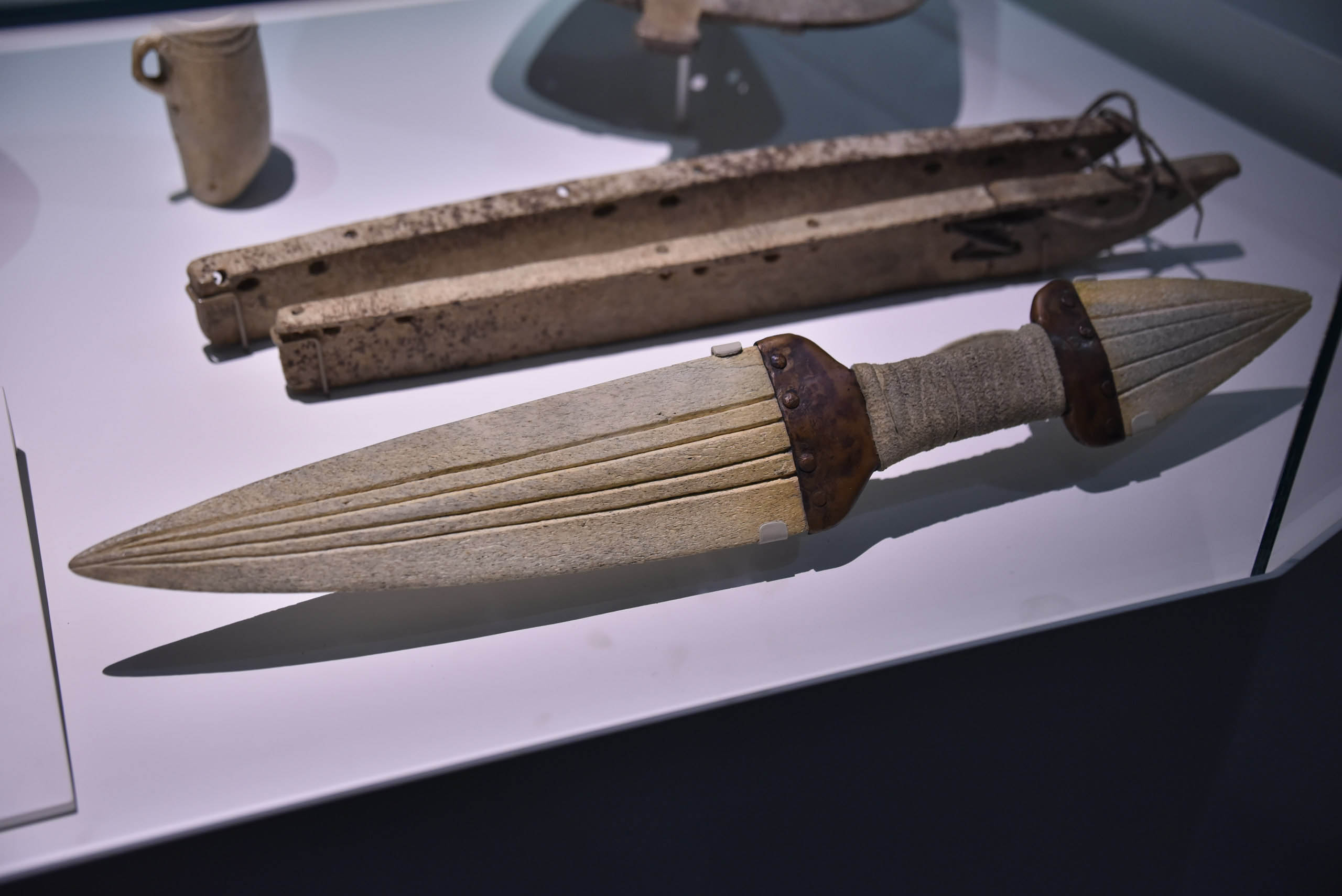
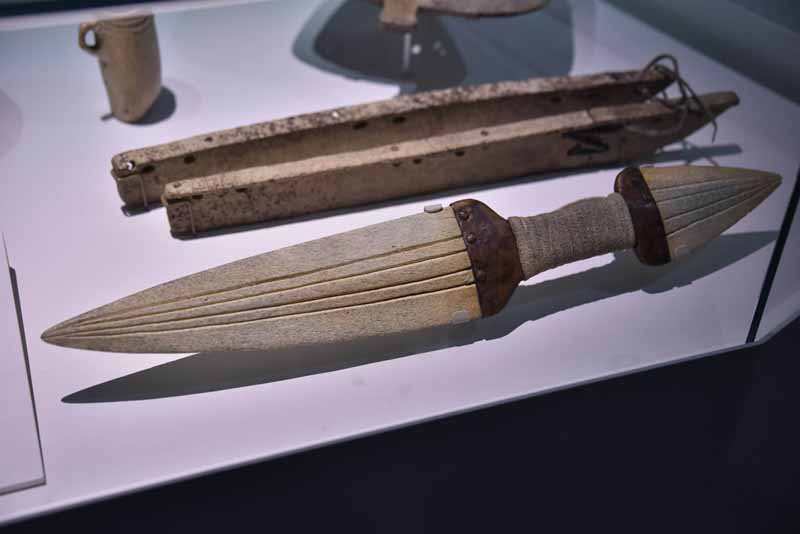
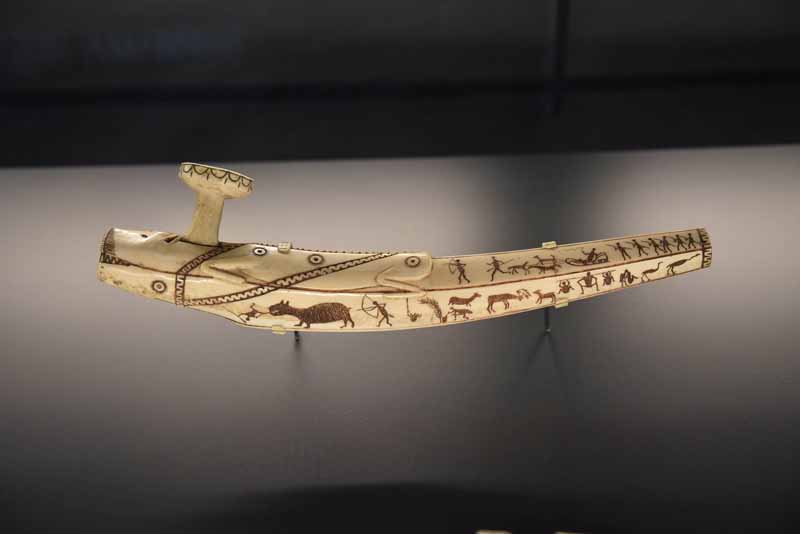
Dagger Made out of Whale Bone
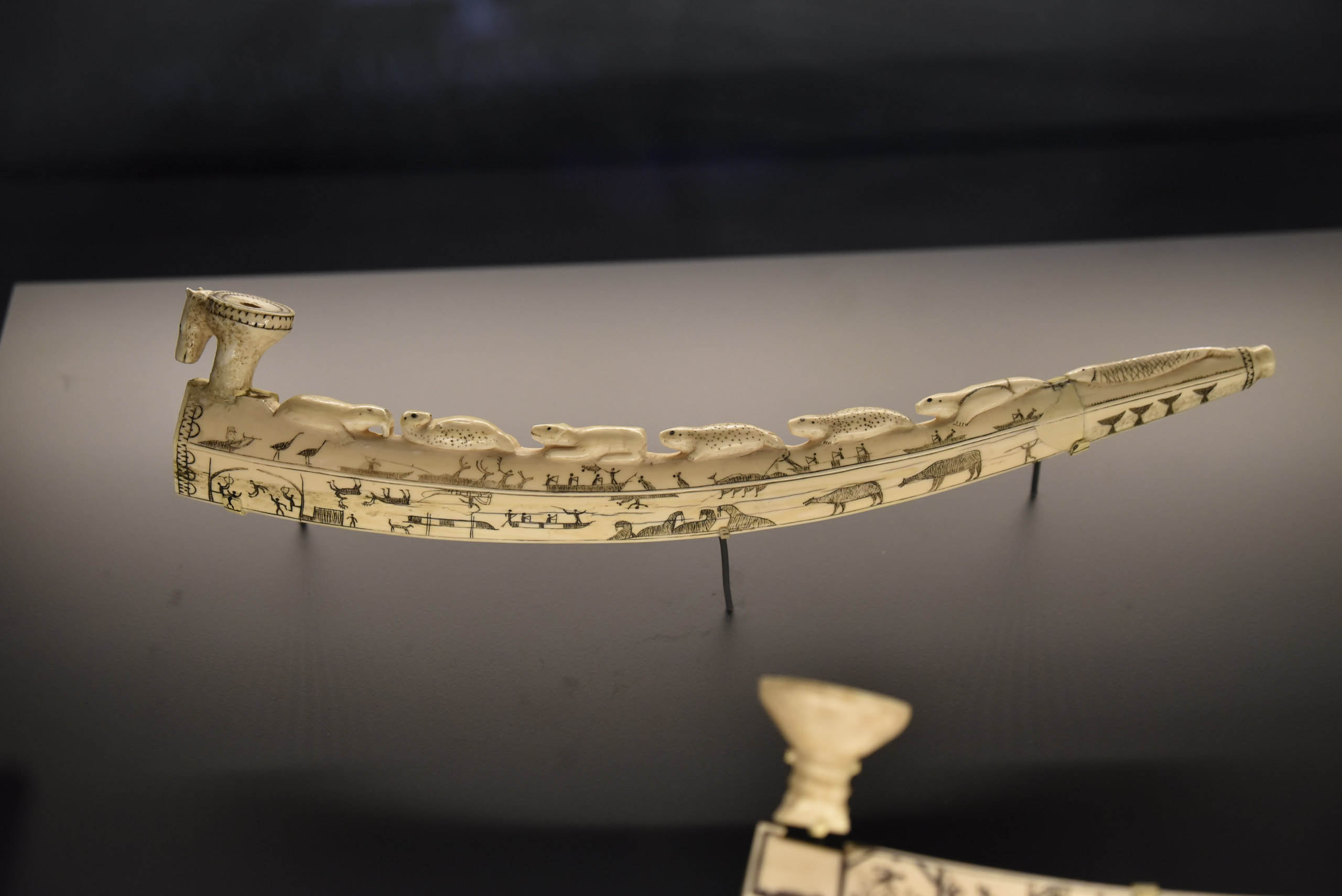
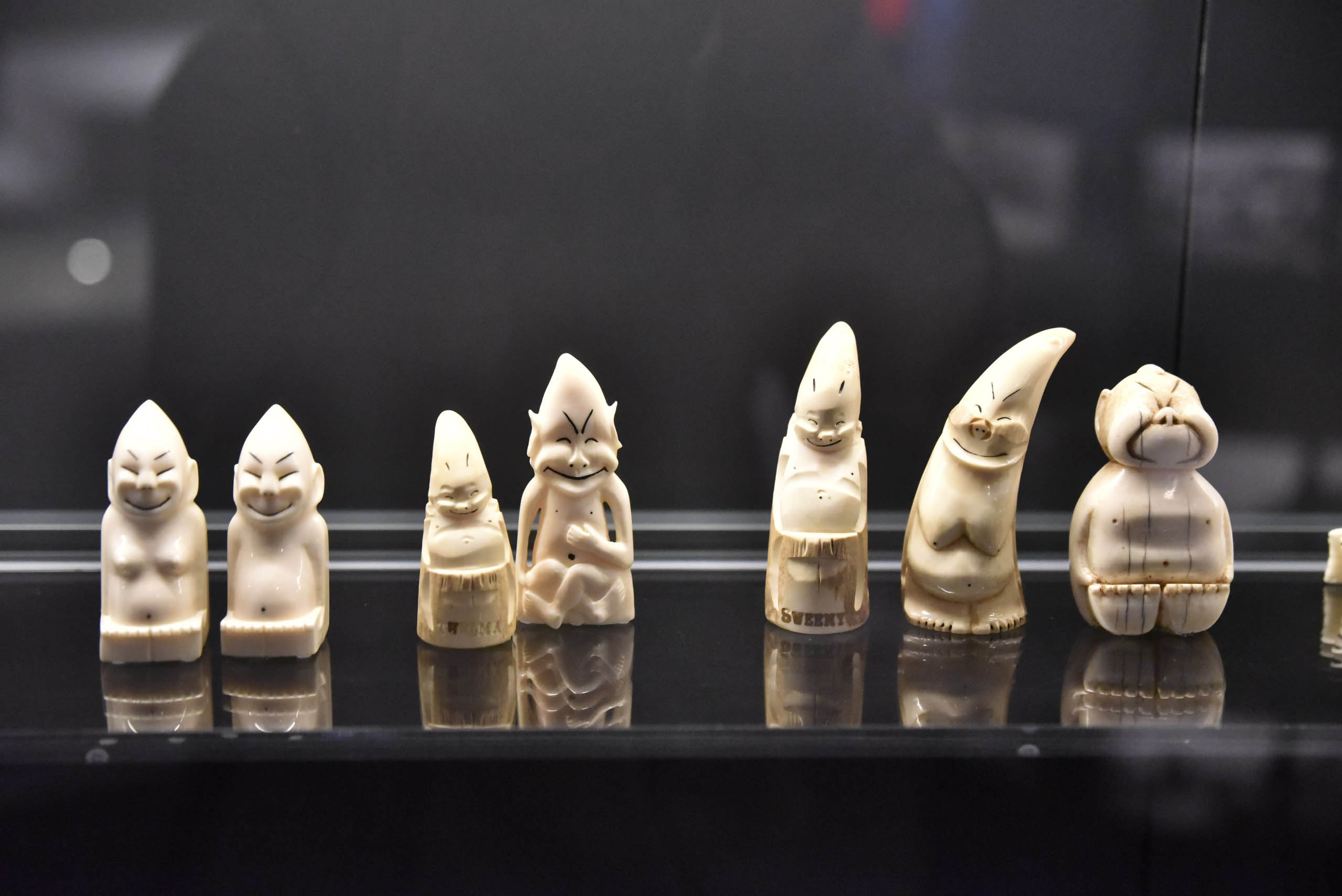
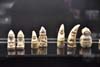
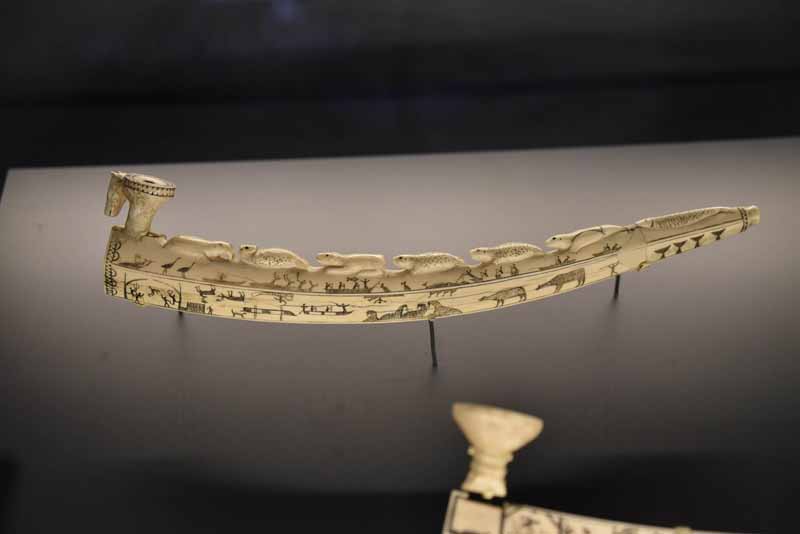
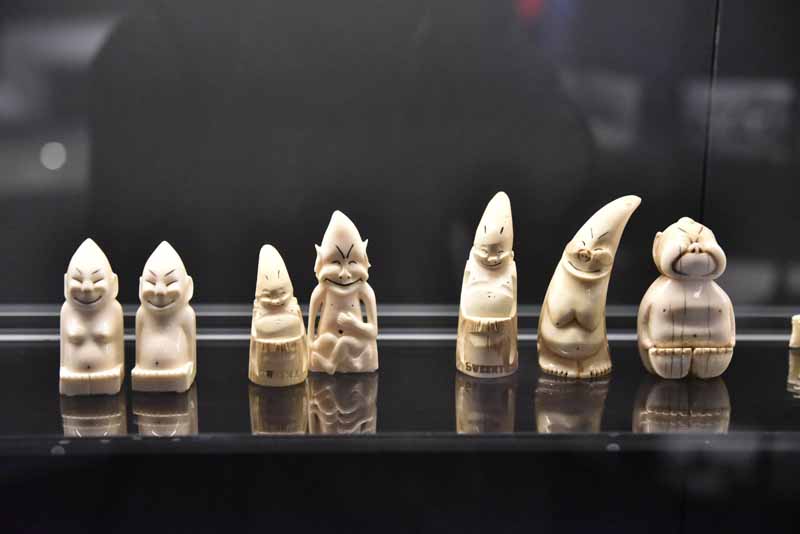
Whale Bone Art
Whale Bone Art
Whale Bone Art
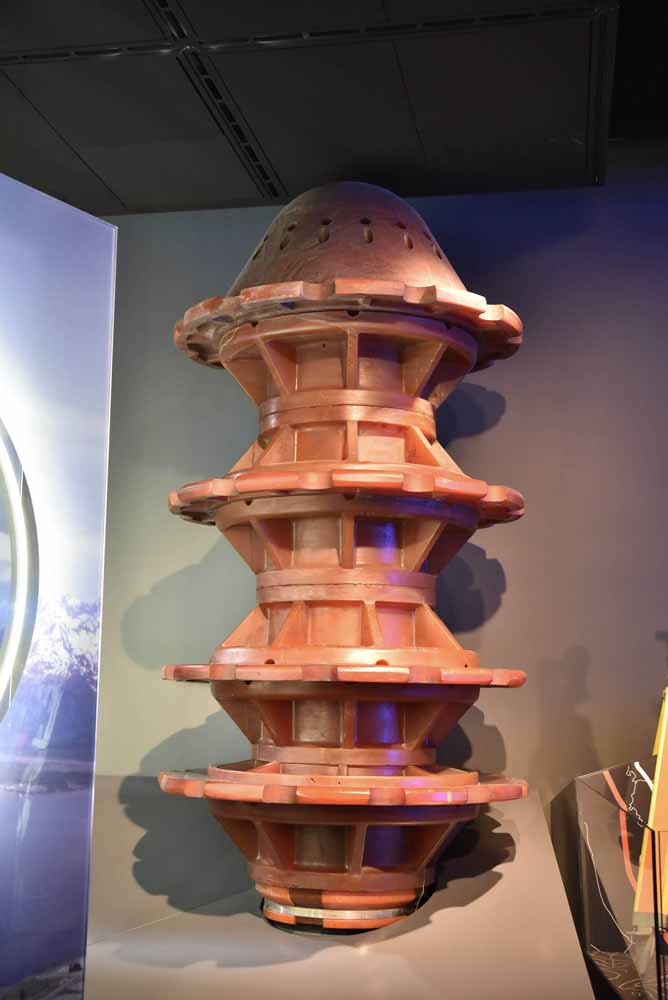
Scraper Pig
Keeping the Pipeline unobstructed and without leaks is paramount. To keep oil moving, remote “pigs” are pushed through the Pipeline to perform various operations without stopping the flow of oil. There are two basic types: “scraper pigs” for cleaning, and instrumented "smart pigs" for inspection. These devices run periodically to prevent and detect problems, and to remove the buildup of solids that block or corrode, making the oil easier to pump.
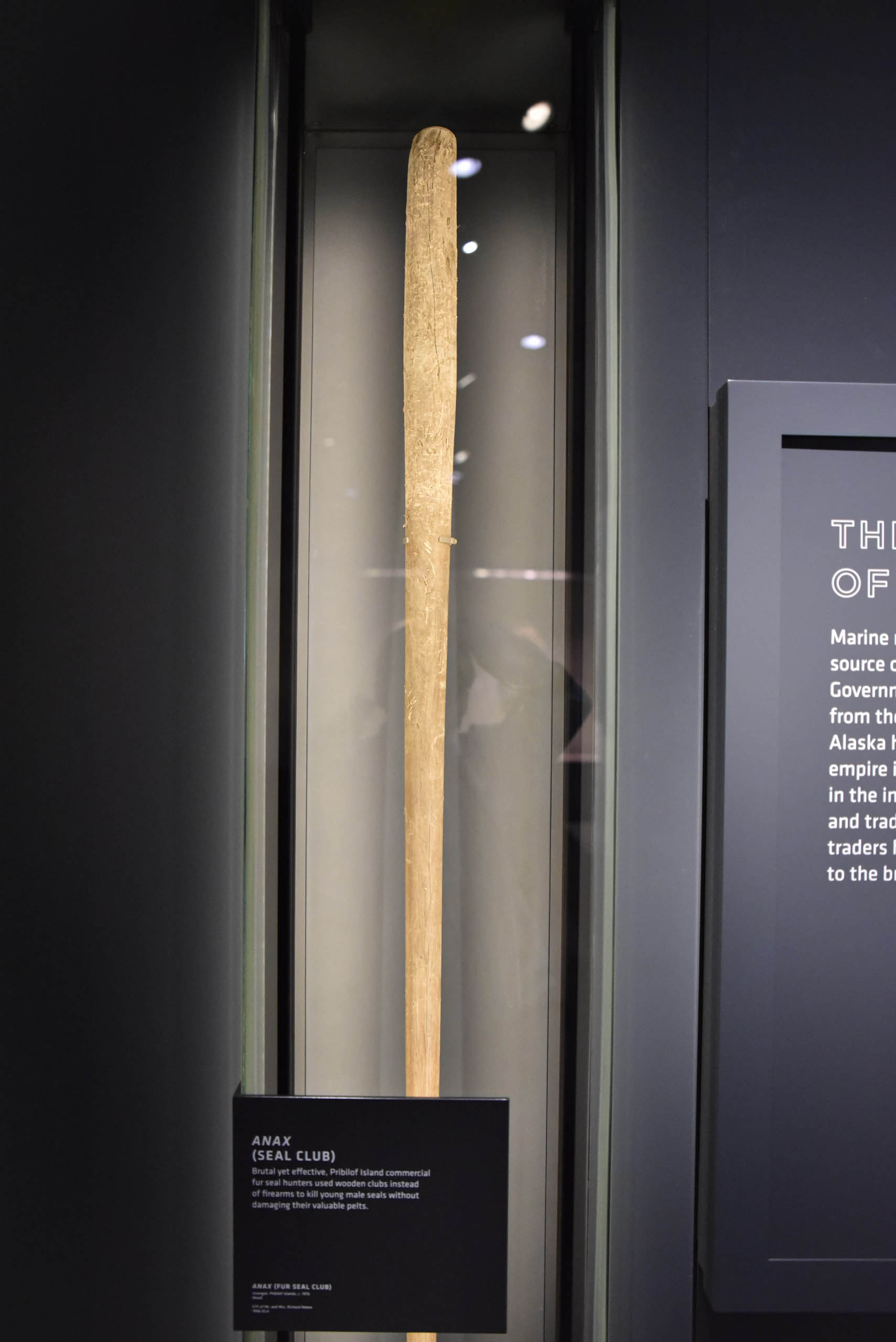
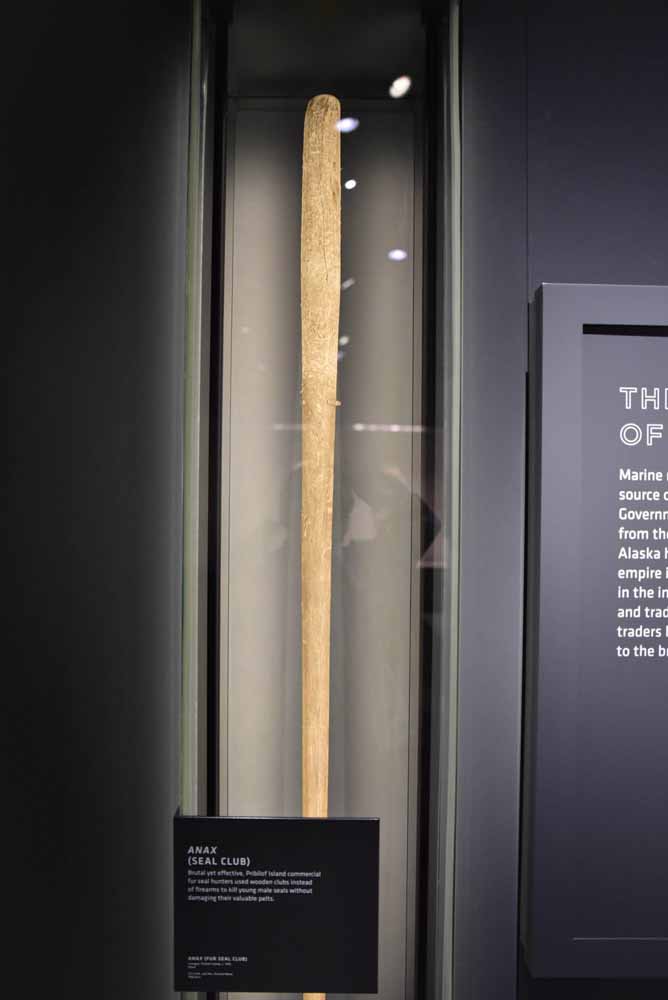
Seal Club Used to kill seals without damaging their pelts.
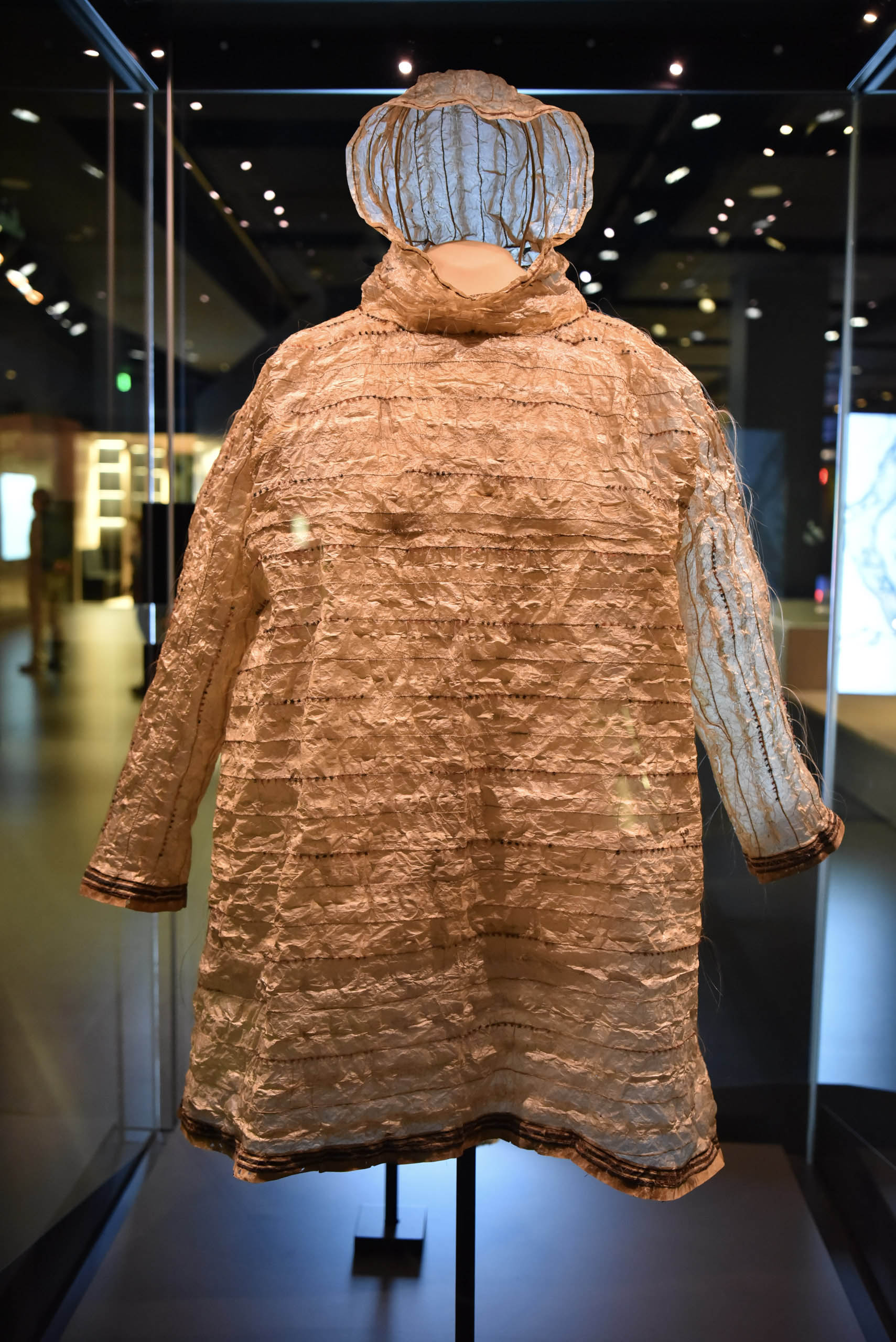
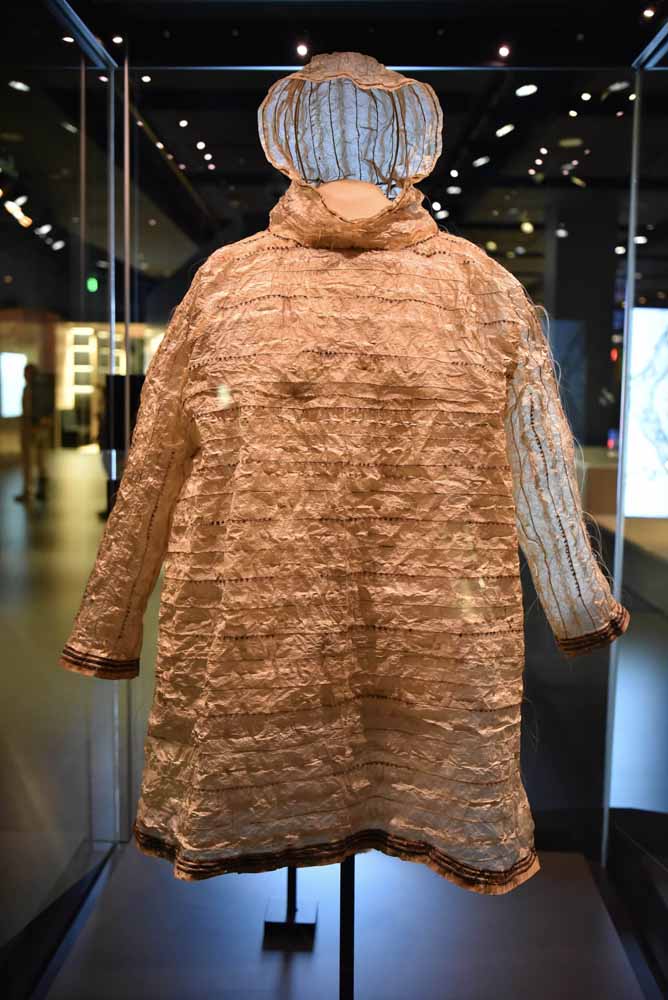
Chugaayux
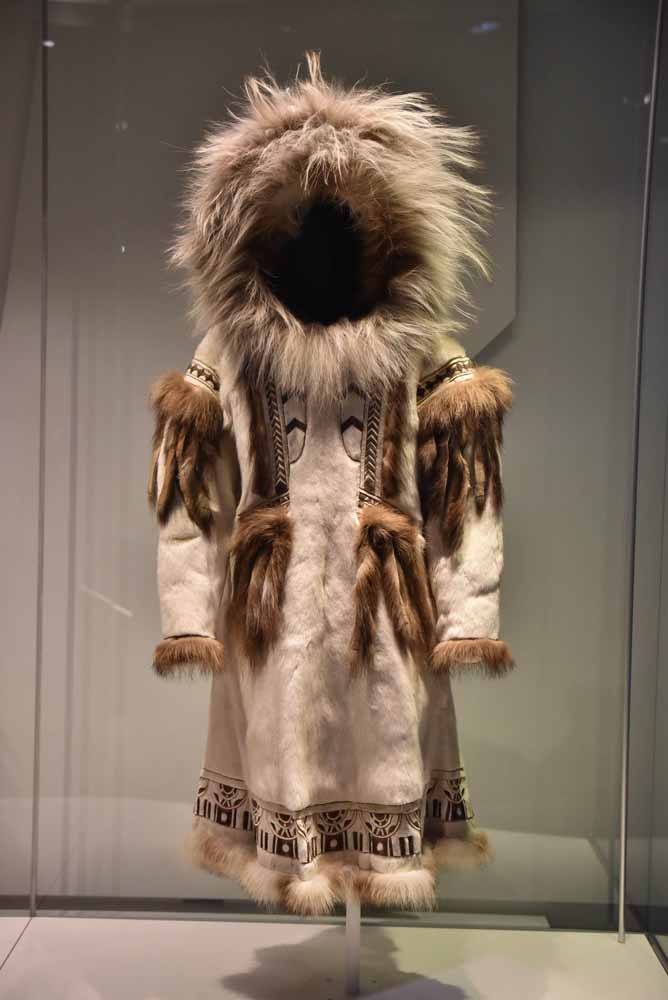
Sa mammal gut is used to make a variety of waterproof items, including parkas and bags. It is light, flexible, and provides excellent protection from the cold water and frequent winds of coastal Alaska. This prestigious garment was likely inspired by Euro-American naval officer cloaks, which Unangan sewers would have seem worn by explorers in the Aleutian Islands. By the 1830s, garments like this one were decorated with fine embroidery, bird feathers, and hair.
Coat A rather exquisite one.
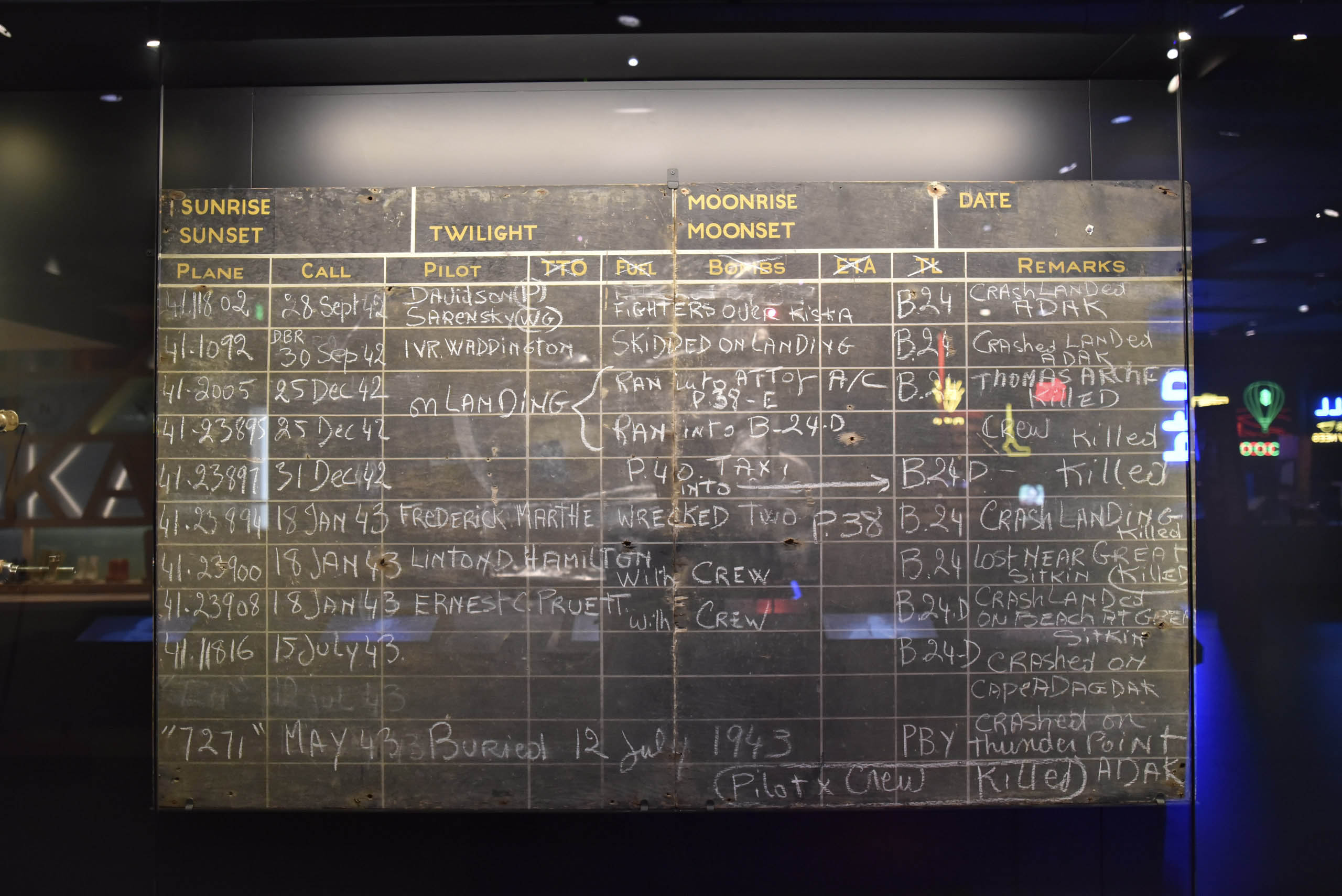
Blackboard with US Air Force Dispatch Record
During 1942 and 1943 a small Japanese force Occupied the islands of Attu and Kiska on the western edge of Aleutian Islands. This is the record of US Air Force’s various dispatches in the Aleutian Islands campaign. It did seem to me that the missions carried a pretty high fatality rate.
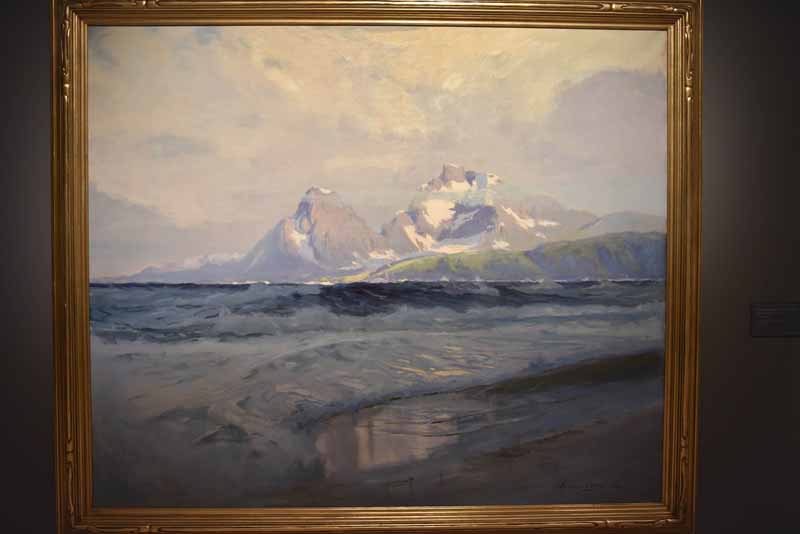
Opposite to the previous exhibit room, there were a series of rooms displaying nice oil paintings. To me, the state’s pristine nature was one of the best subjects of such landscape painting, as they spread the allure of the state to inspire human exploration to new heights. But unfortunately, in the rather liberal view of the museum’s management, those paintings had their romance rooted in western colonial cultures that often found conflict with the local indigenous people. So they were relegated to the side galleries with little foot traffic, while indigenous art took front stage right off the stairs/elevator. Unfortunately the indigenous art area was crowded and not well-lit, so I didn’t have any photos here to give a comparison.
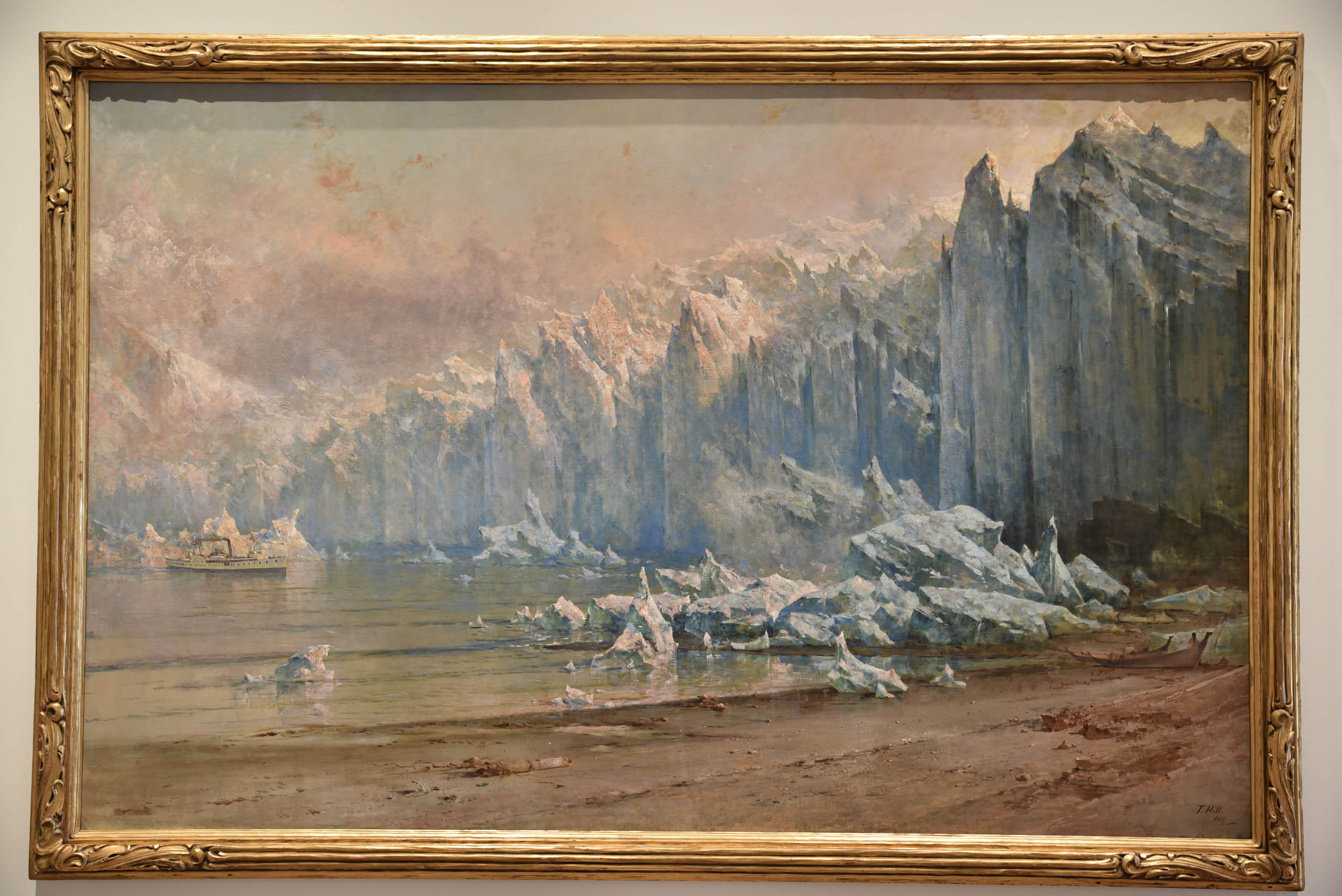
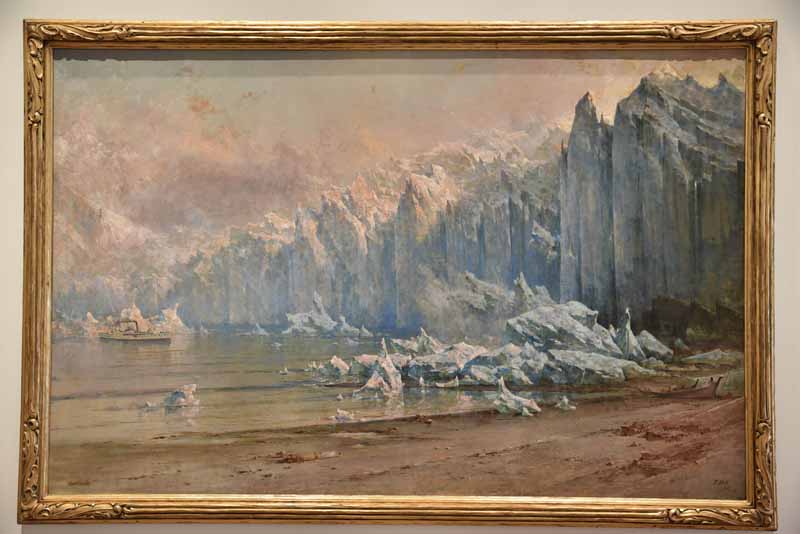
Muir Glacier
Thomas Hill (1829-1908, English-American).Muir Glacier, 1889.Thomas Hill produced many views of the California landscape, the Yosemite Valley and the White Mountains of New Hampshire, where he sketched alongside members of the Hudson River School..In 1887, Hill was commissioned by naturalist John Muir to paint Muir Glacier in Alaska’s Glacier Bay. In keeping with the Hudson River School philosophy, Hill's landscape is characterized by a detailed and idealized portrayal of nature. The canoes and figure on the shore contrast with the immensity of the surrounding glacier, while the steamship hints at the increasing accessibility of Alaska and its potential as a tourist destination in the late 1880s..
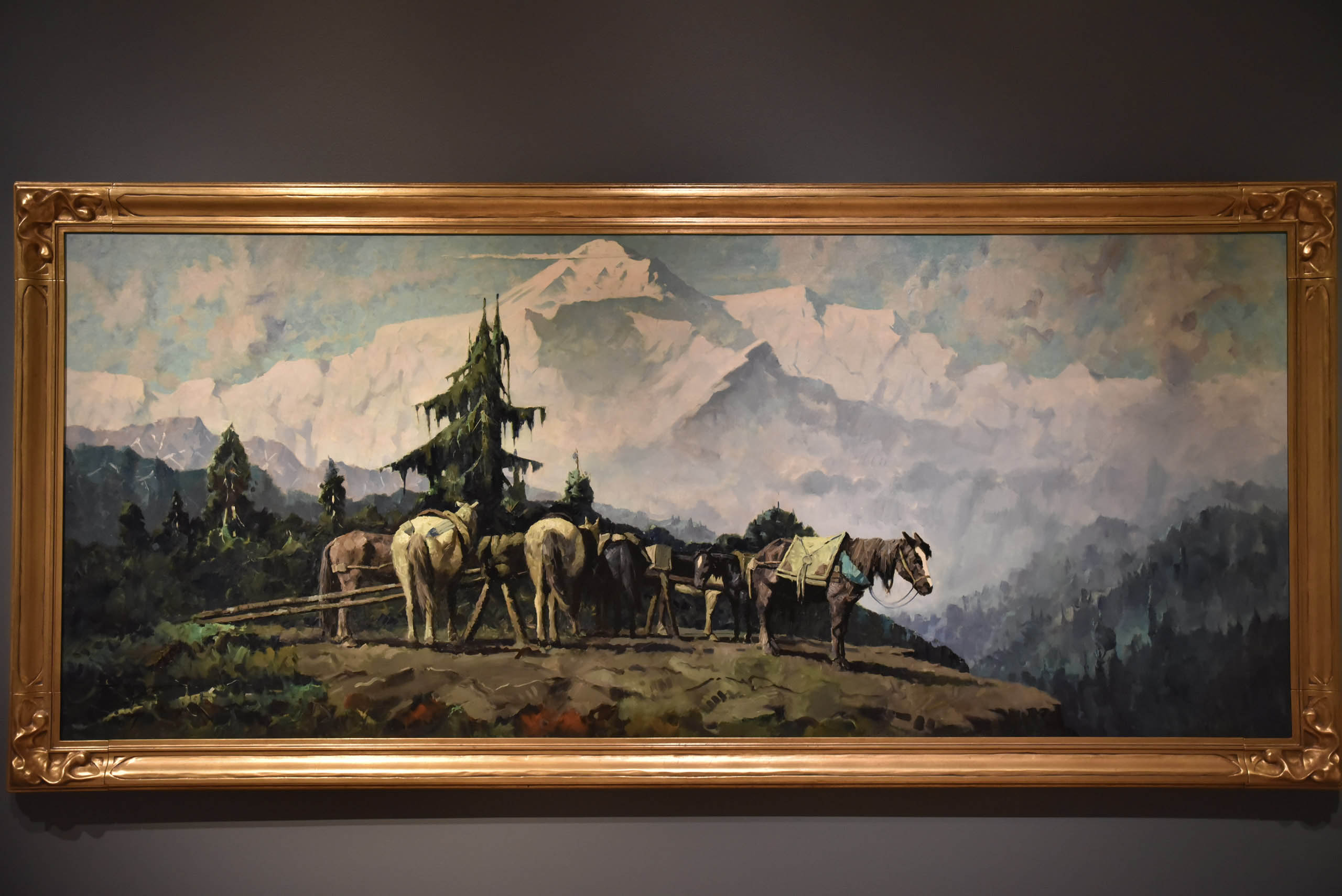
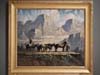
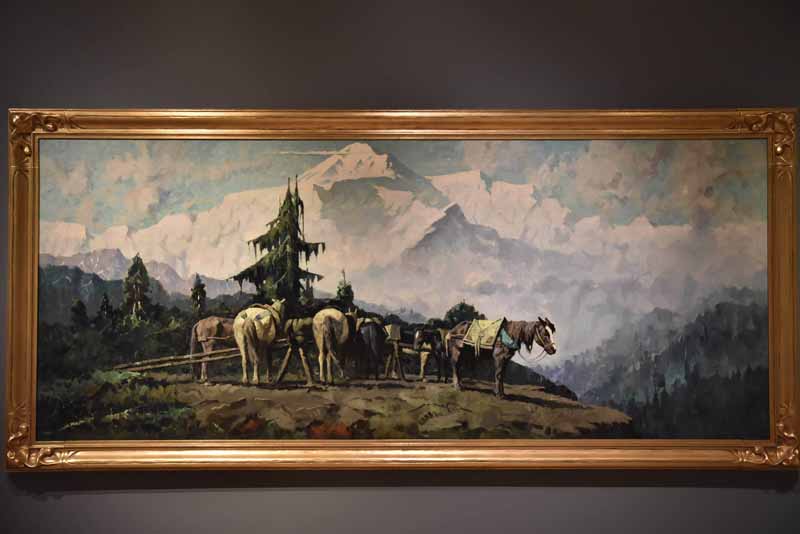
Pack Train Near Mt. McKinley
Eustace Ziegler (1881-1969).Pack Train Near Mt. McKinley, c. 1930..The son of an Episcopal minister and a graduate of Yale University, Eustace Ziegler came to the mining town of Cordova, Alaska in 1909 to be a missionary. Selling his paintings from the window of a Cordova drugstore, Ziegler soon became well known for his portraits of people in the North. One of his early sales was to E.T. Stannard, president of the Alaska Steamship Company. After completing a series of murals for the company offices in Seattle, Ziegler and his family relocated to Washington in 1924. Even after relocating, Ziegler made annual summer trips to Alaska to paint.
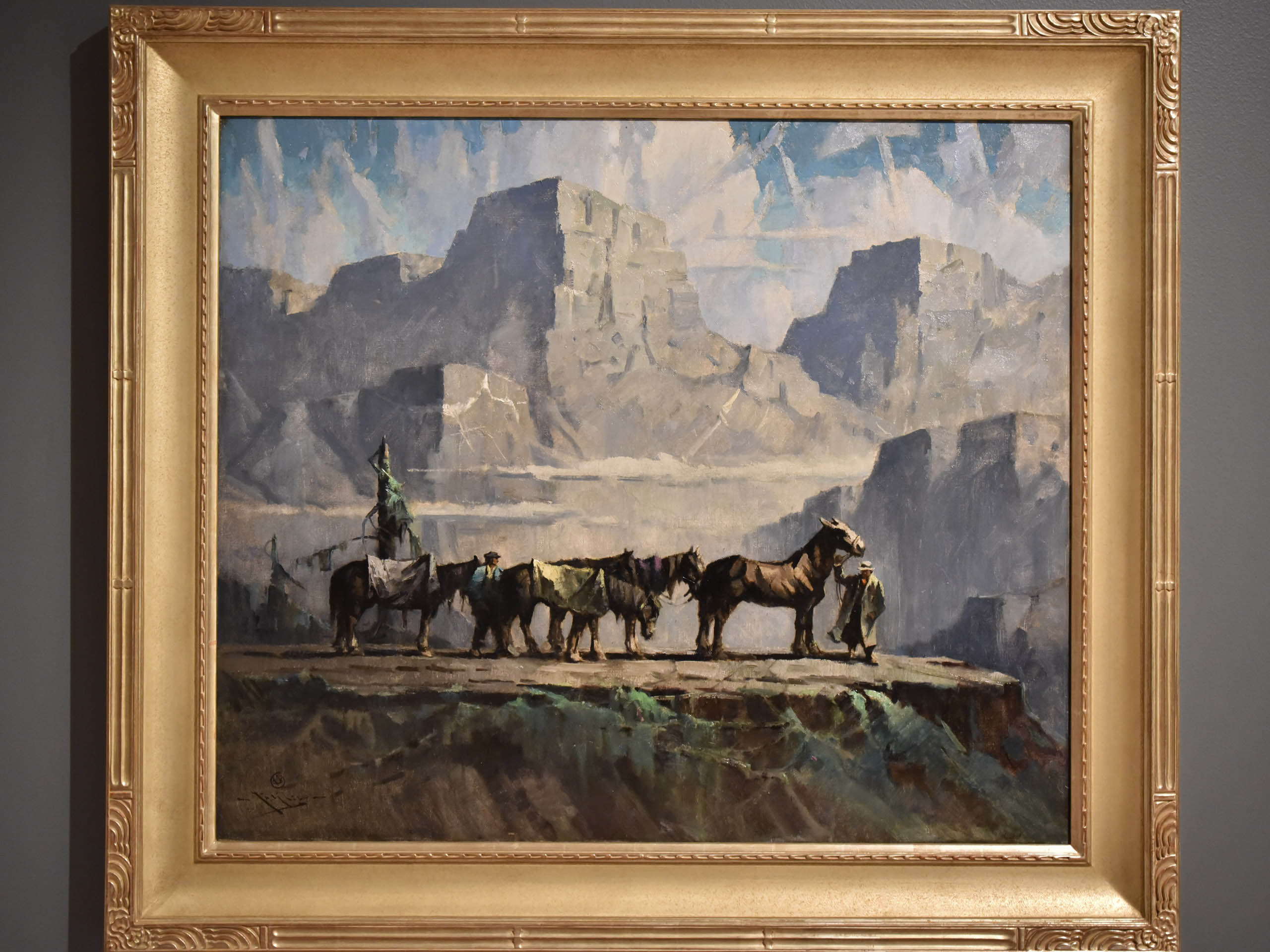
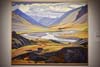
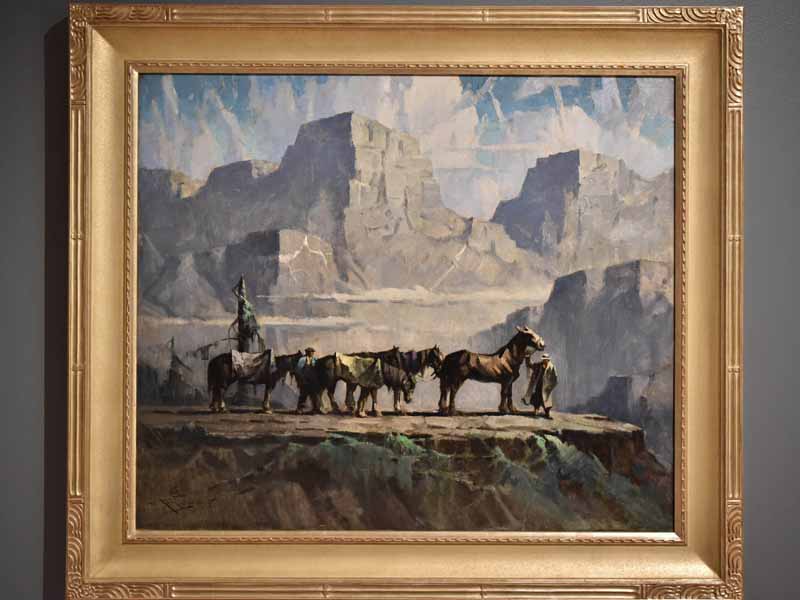
Copper River Cavalcade
By American painter Eustace Ziegler. I liked how the mountains in the background appeared solemn and dominating.
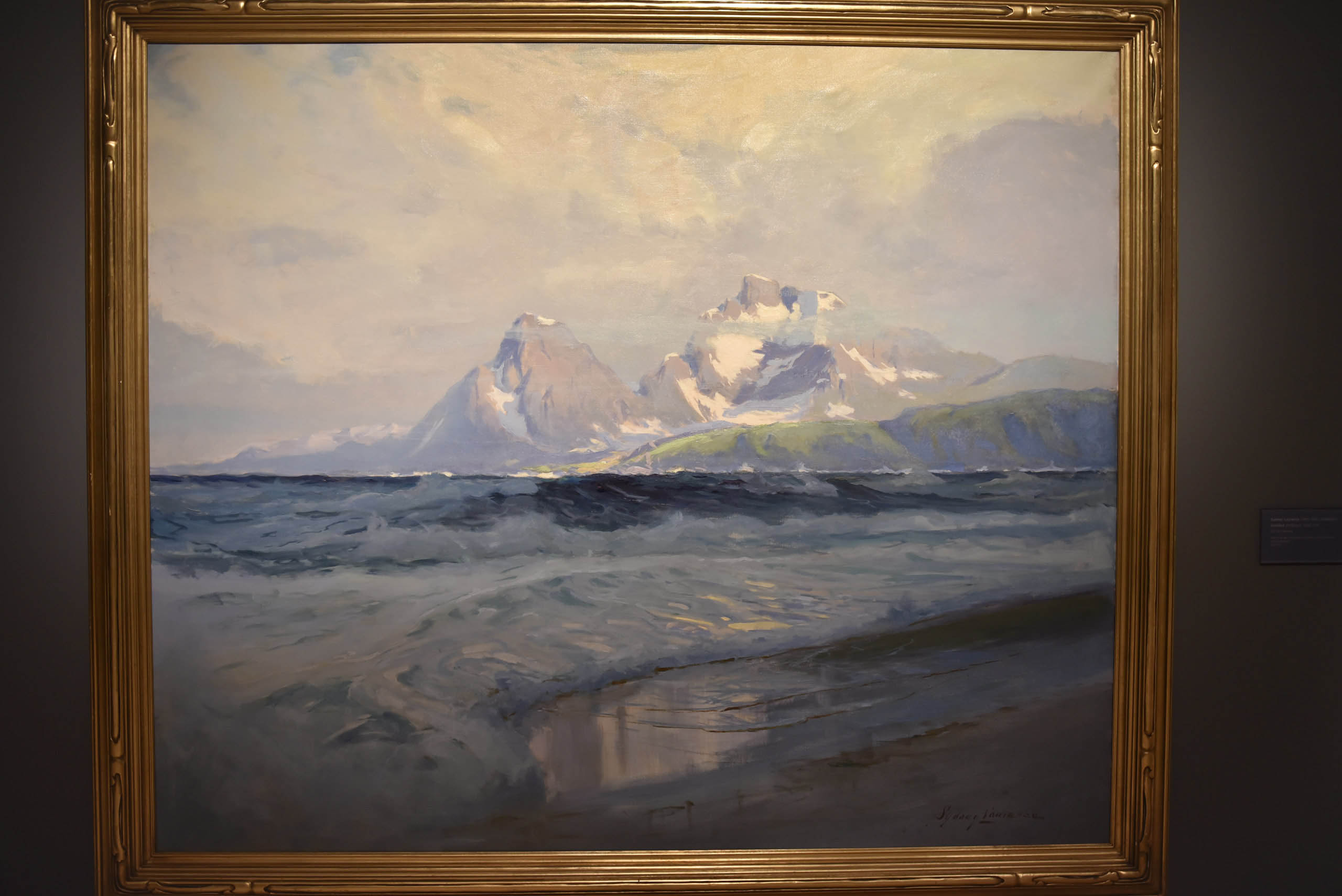
Landscape Painting
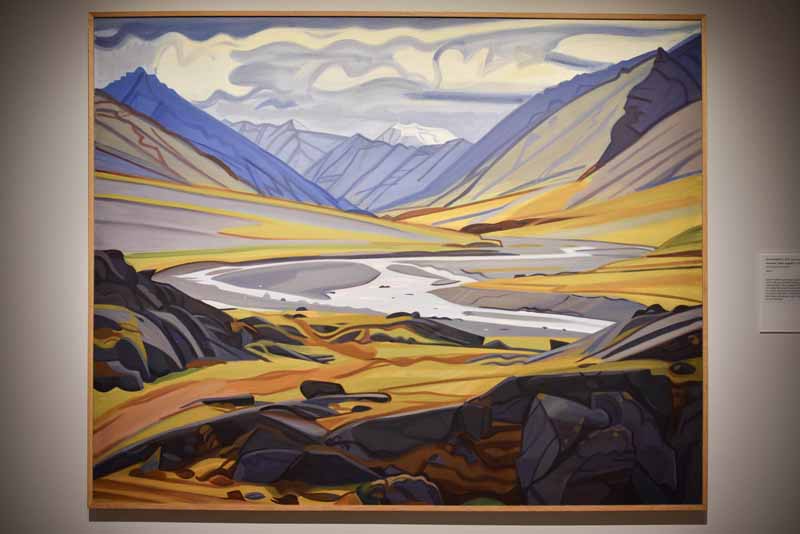
Carnivore Creek, August 6, 7, 8
David Mollett (b. 1950, American).Carnivore Creek, August 6, 7, 8, 1988.1989.6.1..David Mollett’s paintings depict the dramatic scenery of the Arctic National Wildlife Refuge, areas in and around Denali National Park, his hometown of Fairbanks, and the creeks and waterfalls around Anchorage. His painting style is based on careful, proportional drawing and close attention to tonal and color intervals in simplified shapes, with both abstract and realist influences. Light is the overall organizing principal for his paintings...While I do admire its aesthetic beauty, it unfortunately seemed like something that came out of a Photoshop filter.
Finally, the ground floor of the museum featured a science area for the kids, which turned out to be the most popular of the museum. But since I wasn’t interested in that, I concluded my visit.
After that, I took a tour of the nearby Fifth Avenue Mall. In short, I wasn't overwhelmed by what it offered.
Lunch
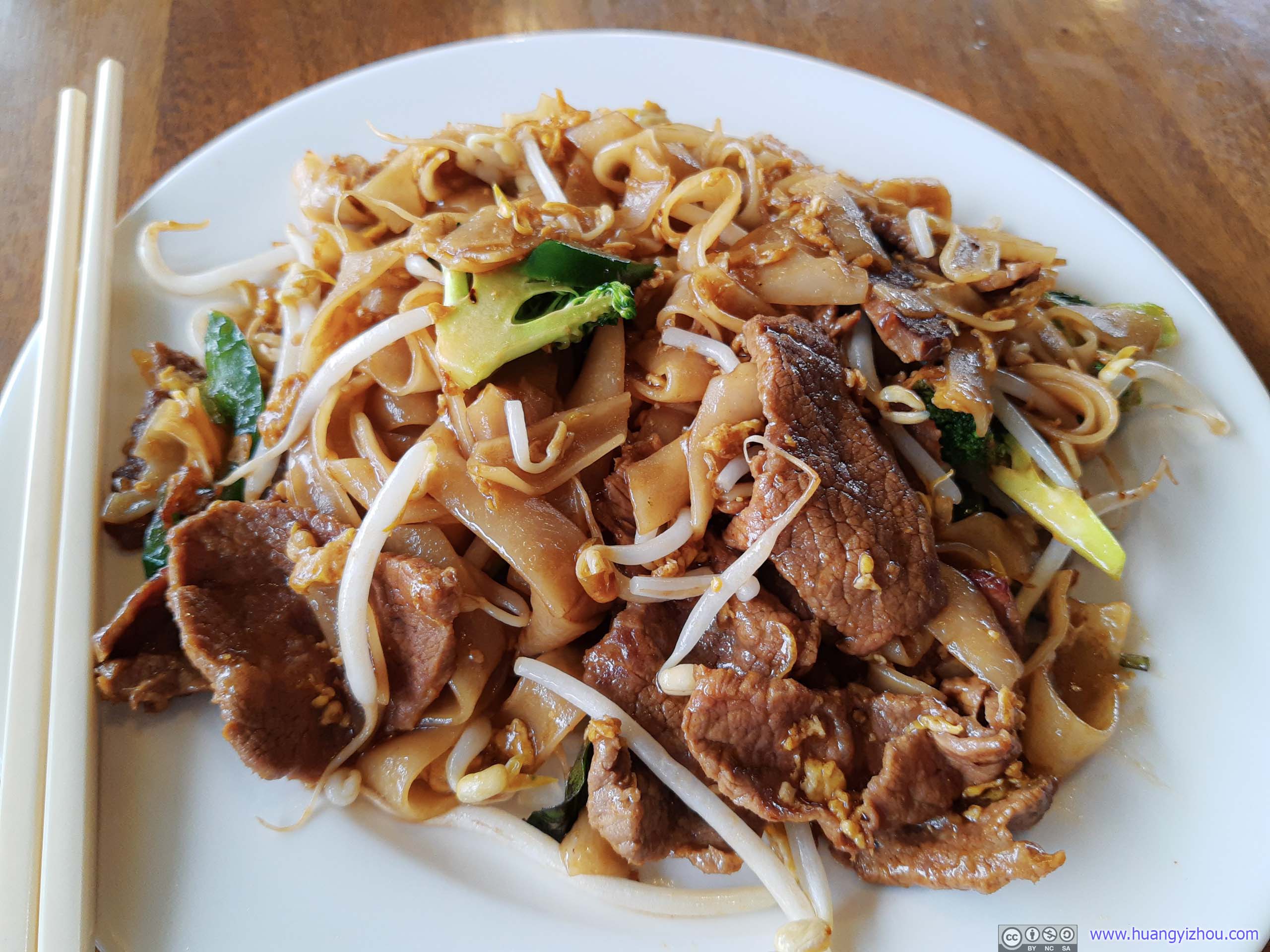
After leaving Anchorage Museum, I headed for a nearby Thai restaurant where I had a late lunch at 3pm.
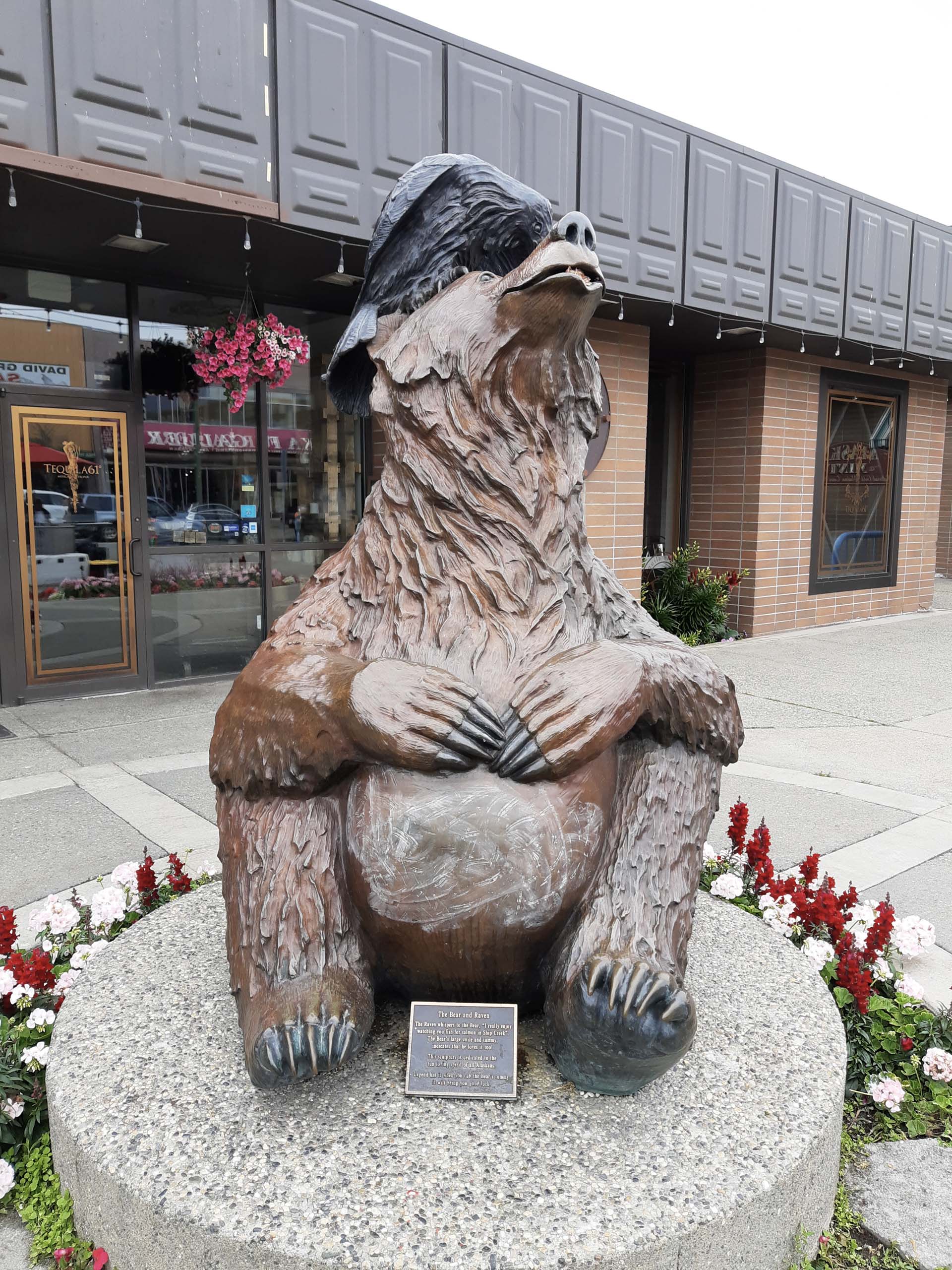
Bear and Raven Sculpture
The Raven whispers to the bear, “I really enjoy watching you fish for salmon in Ship Creek”. The Bear’s large smile and tummy indicates that he loves it too..Legend has it when you rub the Bear’s tummy it will bring you good luck. I didn’t see that going well in times of COVID though.
It’s about 4pm when I retrieved my parked car at the JCPenney Lot. It’s still relatively early in the day, so I visited a few coastal parks along the city’s shoreline.
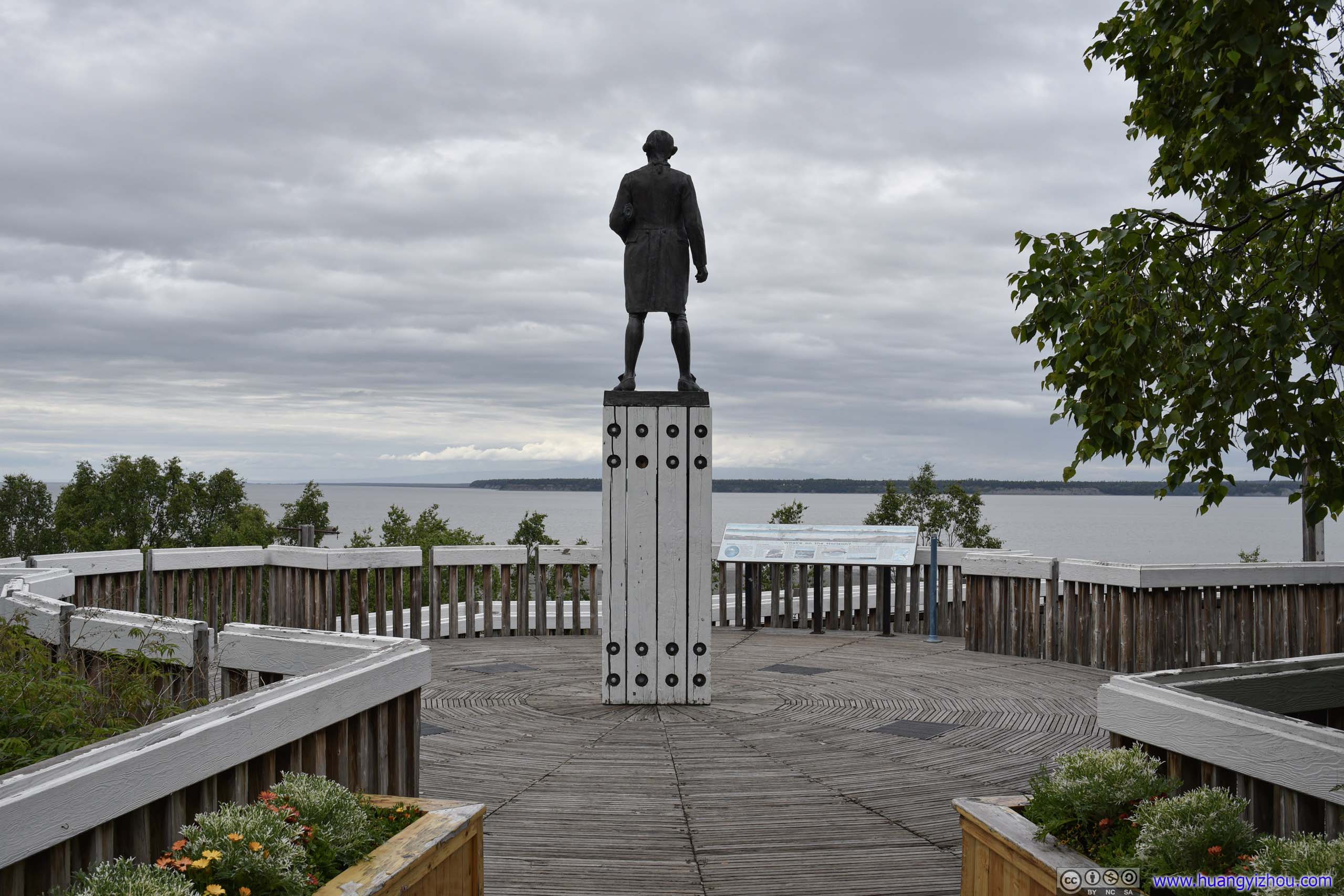
Captain Cook Monument
Captain James Cook was a famous British explorer that charted much of Alaska’s coastline, including the ones west of Anchorage as Cook Inlet nowadays.
The monument was built on a wooden platform with stairs leading down to lower levels. But unfortunately during my visit, those stairs were closed.
To get a better view of Cook Inlet, I then headed for Elderberry Park.
Cook Inlet
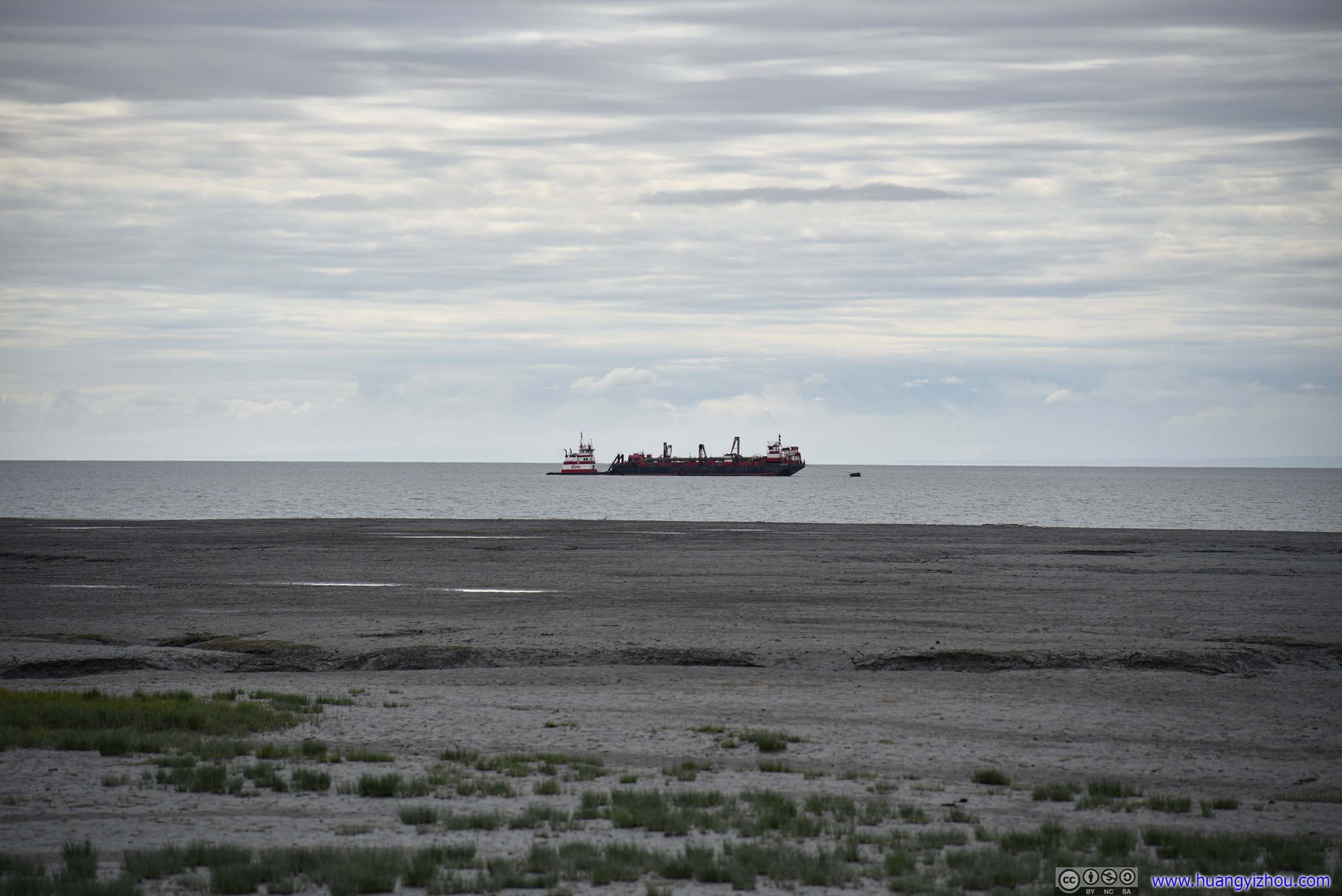
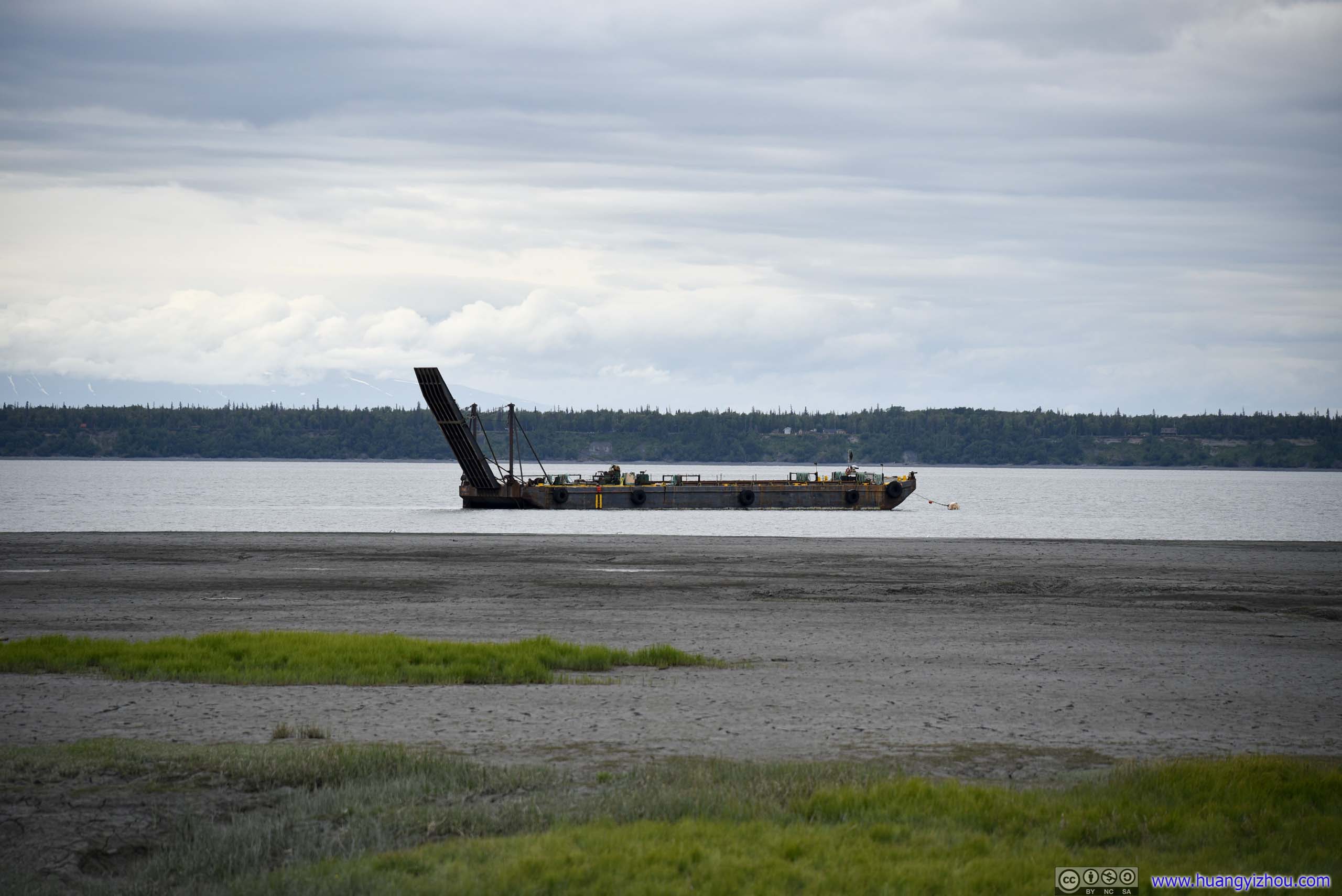
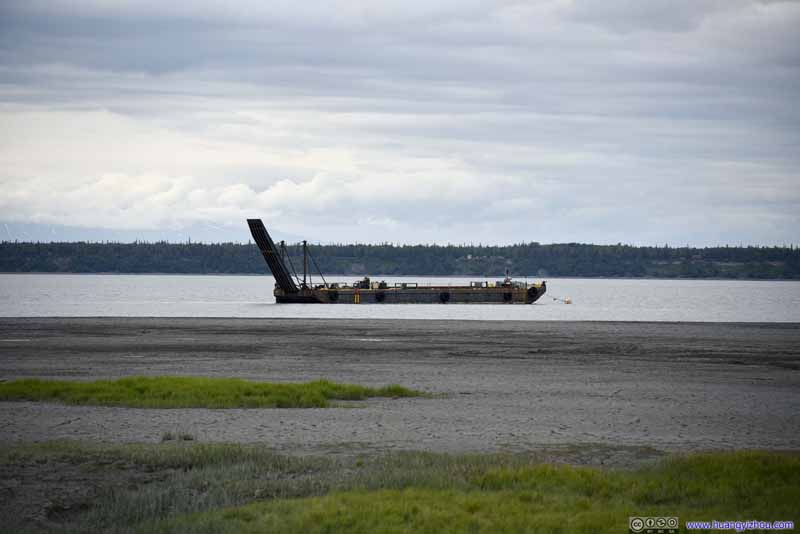
Ships in Cook Inlet
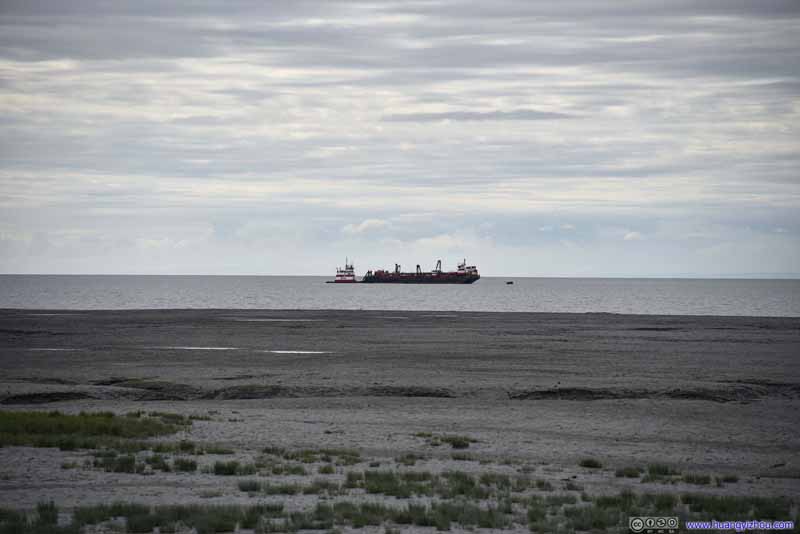
Ships in Cook Inlet
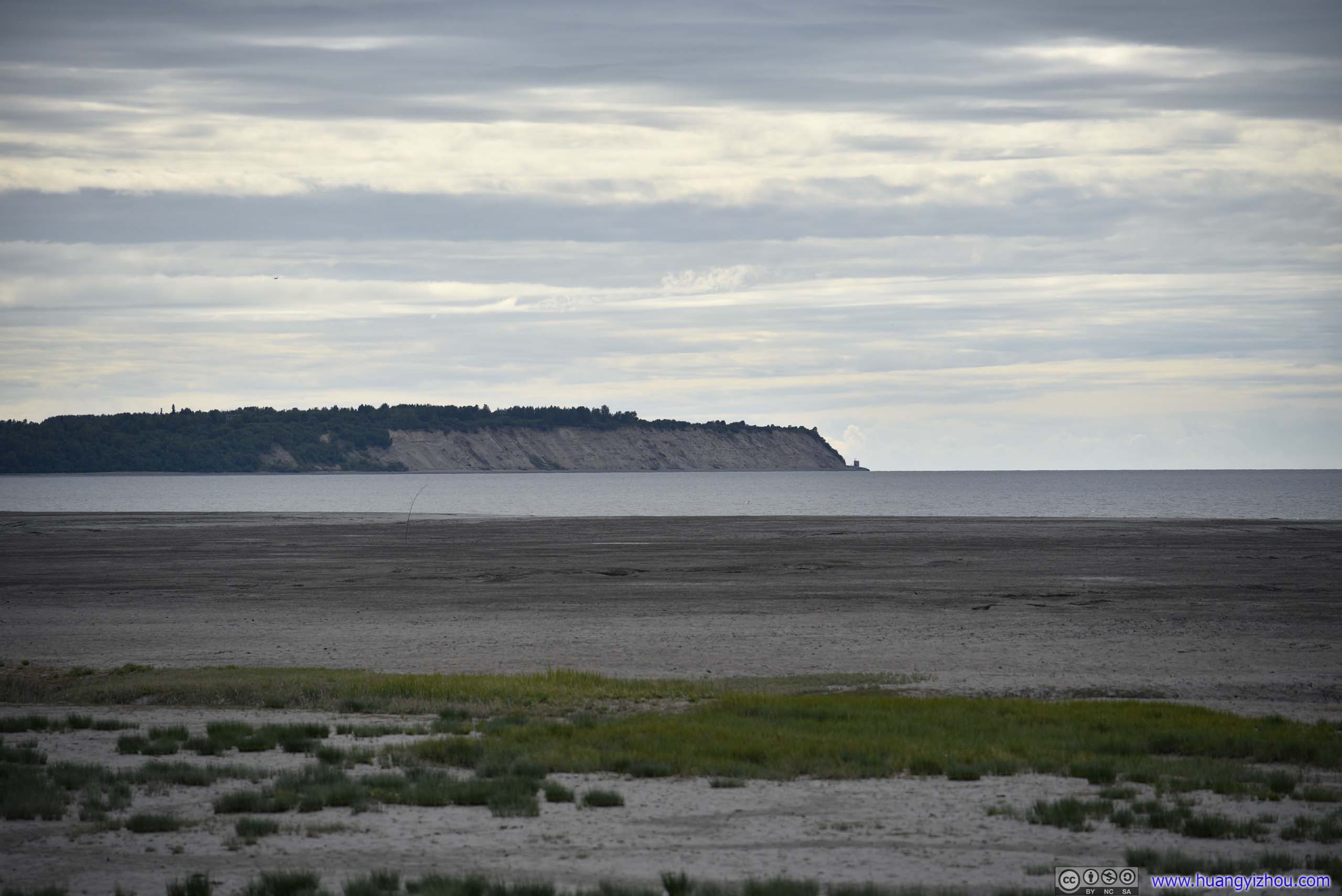
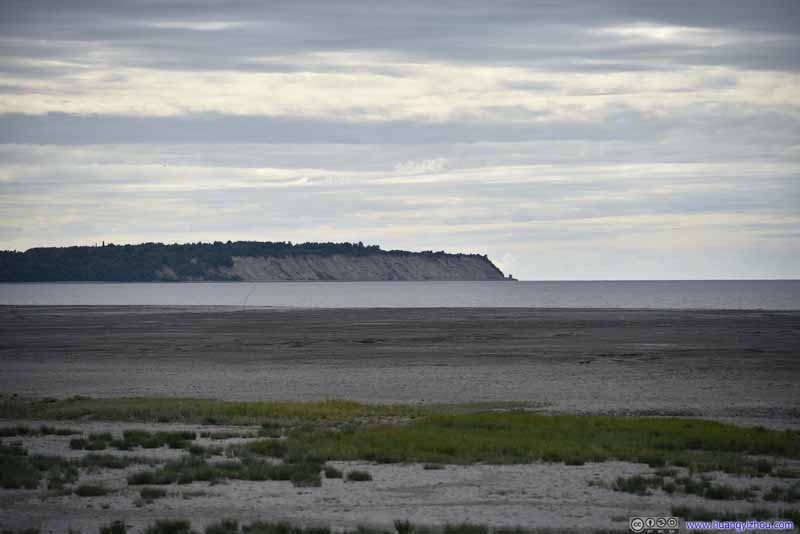
Cliffs of Point Woronzof
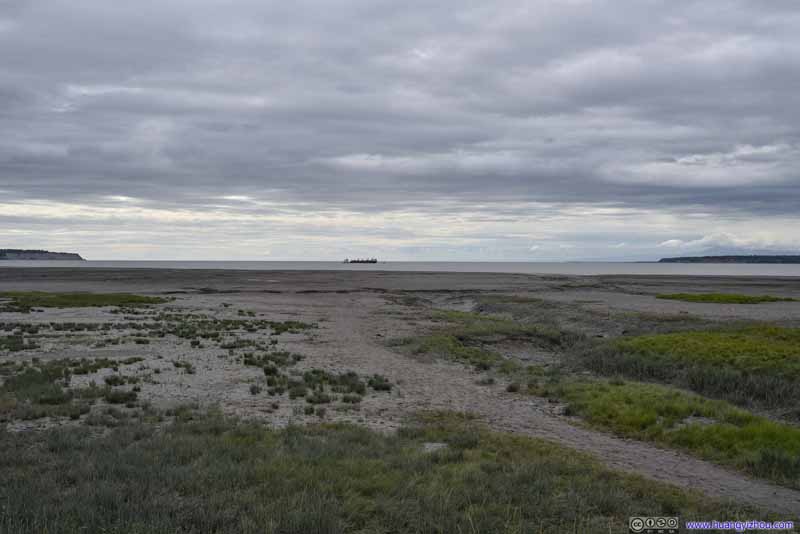
After a short walk through a tunnel, one would reach a few benches just over the mudflats of Knik Arm. I spent a few moments watching the clouds and waters in the distance while contemplating. Wind was chilly along the coastal trail. There were sounds of airplanes resonating among the low-lying clouds. If not for that and a few barges in sight it would be a scene of sorrow. Overall, I spent the last moments of the day in such peace and quiet, before checking into another Airbnb where I would spend the next two days.
END